A tummy tuck, also known as abdominoplasty, is a surgical procedure that removes excess fat and skin from the abdomen. Many Canadians consider this surgery after major weight loss, pregnancy, or ageing. This article explains what the procedure involves, who it suits, what recovery looks like, and what risks to keep in mind. Always speak with your family doctor before making any decisions about surgery.
What Is a Tummy Tuck?
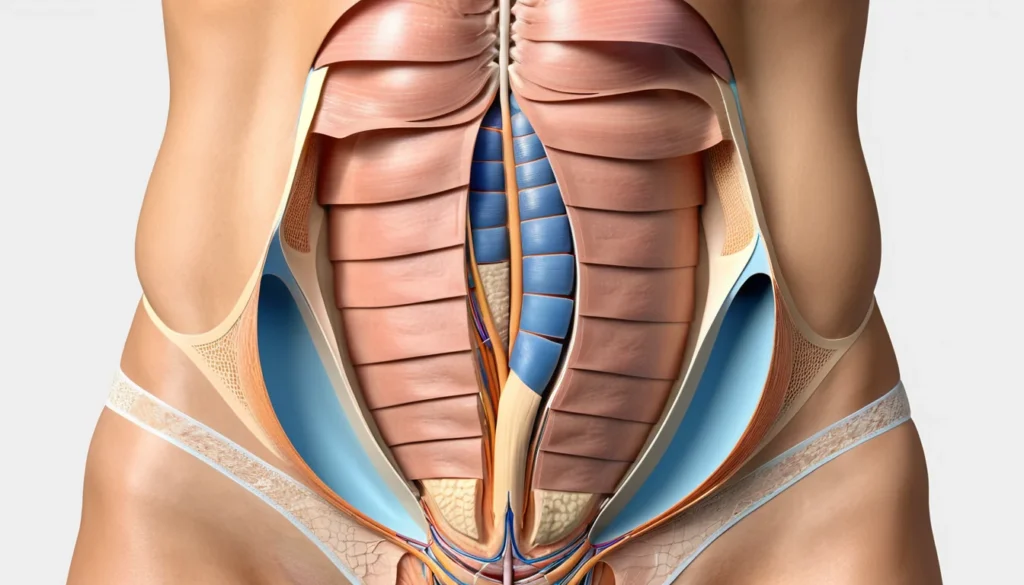
A tummy tuck is a cosmetic surgical procedure. A surgeon removes loose or sagging skin and excess fat from the abdominal area. In many cases, the surgeon also tightens weakened or separated abdominal muscles.
The result is a smoother, firmer abdominal profile. However, a tummy tuck is not a weight-loss solution. It works best for people who are already close to their ideal body weight but struggle with loose skin or a protruding belly that diet and exercise cannot fix.
According to the Mayo Clinic’s guide on abdominoplasty, this surgery is considered a major procedure and carries real risks. Therefore, it requires careful consideration and thorough medical evaluation beforehand.
Types of Tummy Tuck Procedures
Not all tummy tucks are the same. Surgeons choose the approach based on how much skin and fat need to be removed and where the problem areas are located.
Full Abdominoplasty
A full tummy tuck addresses the entire abdominal area, from the ribcage to the pubic region. The surgeon makes a horizontal incision just above the pubic hairline. This approach also repositions the belly button and tightens the underlying muscles.
This is the most common type. It suits people with significant loose skin across the whole abdomen. Recovery time is longer compared to other approaches.
Mini Tummy Tuck
A mini tummy tuck targets the lower abdomen only, below the belly button. The incision is smaller, and the belly button does not move. This option suits people with mild to moderate loose skin in the lower abdominal area.
Recovery is generally faster with this approach. However, it delivers more limited results than a full procedure.
Extended Tummy Tuck
An extended tummy tuck goes beyond the abdomen. It addresses the flanks and sometimes the lower back as well. This option is often chosen by people who have lost a large amount of weight and have excess skin across a wider area.
Who Is a Good Candidate for a Tummy Tuck?
A tummy tuck is not right for everyone. Surgeons and physicians look at several factors before recommending this procedure.
Good candidates generally meet the following criteria:
They are at or near a stable, healthy body weight
They do not smoke, or are willing to quit before and after surgery
They have excess skin or weakened abdominal muscles that do not respond to exercise
They are in good overall health with no conditions that could impair healing
They have realistic expectations about what surgery can achieve
They are not planning future pregnancies, as pregnancy can reverse the results
Women who have experienced significant abdominal changes after multiple pregnancies often seek this procedure. In addition, people who have lost a large amount of weight through bariatric surgery or lifestyle changes may also benefit.
However, if you are planning to lose more weight or become pregnant, most surgeons recommend waiting. It makes sense to let your body reach a stable point before investing in this type of surgery.
What Happens During the Procedure?
A tummy tuck takes place in a hospital or accredited surgical centre. It requires general anaesthesia, meaning you will be fully asleep during the operation. The surgery typically lasts two to five hours, depending on the extent of the procedure.
The Surgical Steps
First, the surgeon makes an incision along the lower abdomen. The length and shape of the incision depend on the type of tummy tuck chosen. The surgeon then lifts the skin away from the abdominal muscles.
Next, the surgeon tightens the muscles using internal sutures. This step addresses the separated or weakened muscles that often cause a rounded belly. After that, the surgeon removes the excess skin and repositions the belly button if needed.
Finally, the surgeon closes the incisions with sutures and applies dressings. Small drainage tubes may be placed near the incision to prevent fluid buildup. Most patients spend at least one night in the hospital or surgical centre.
Tummy Tuck Recovery: What to Expect
Recovery from a tummy tuck takes time and patience. Most people take two to four weeks off work, depending on how physically demanding their job is. Full recovery can take up to six months.
The First Two Weeks
Swelling, bruising, and discomfort are normal in the first two weeks. Your surgeon will prescribe pain medication to manage this. You will need to wear a compression garment around your abdomen to support healing and reduce swelling.
During this period, you should avoid heavy lifting, strenuous activity, and bending at the waist. You will need someone to help you at home, especially in the first few days. Walking slowly around your home is encouraged, as it helps prevent blood clots.
Weeks Three to Six
Most people feel significantly better by week three. Swelling continues to decrease, and you will start to see the early results of the procedure. Light activity, such as gentle walking, is usually safe by this stage.
However, strenuous exercise and heavy lifting should still be avoided. Follow your surgeon’s instructions carefully. Rushing back to activity can cause complications and affect your final results.
Long-Term Recovery
Scars from a tummy tuck are permanent, but they fade over time. Most scars sit low on the abdomen and can be hidden by underwear or a bathing suit. It can take one to two years for scars to fully mature and lighten.
Results are long-lasting when patients maintain a stable weight and healthy lifestyle. For more information on maintaining a healthy weight, visit Health Canada’s healthy eating guidelines.
Risks and Complications of Tummy Tuck Surgery
Like all surgical procedures, a tummy tuck carries risks. It is important to understand these before agreeing to surgery.
Common risks include:
Infection: Any surgical wound can become infected. Your surgeon will prescribe antibiotics to reduce this risk.
Blood clots: Deep vein thrombosis is a serious concern after abdominal surgery. Moving around early helps prevent this.
Fluid accumulation: Sometimes fluid collects under the skin. Drainage tubes help prevent this, but additional treatment may be needed.
Poor wound healing: Some people heal more slowly, especially smokers or those with diabetes.
Changes in skin sensation: Numbness or altered sensation in the abdominal area can last for months.
Scarring: Scars are inevitable. In some cases, they may be thicker or more visible than expected.
Unsatisfactory results: The outcome may not meet expectations, which could require further surgery.
Furthermore, general anaesthesia carries its own set of risks. Your surgical team will review your full medical history to minimise these risks as much as possible. Healthline’s overview of tummy tuck risks and benefits provides additional detail on what patients commonly experience.
Cost and Coverage in Canada
In most provinces, a tummy tuck is considered a cosmetic procedure. As a result, provincial health plans such as OHIP in Ontario or MSP in British Columbia do not typically cover the cost.
However, there are exceptions. In rare cases where a large abdominal skin fold causes chronic skin infections or other medical problems, some provincial plans may offer partial coverage. Your family doctor can help you determine whether you qualify for any coverage.
Private costs vary widely across Canada. Fees depend on the surgeon’s experience, the type of procedure, the facility used, and your province. Most patients pay between $8,000 and $15,000 or more when all fees are combined. This typically includes the surgeon’s fee, anaesthesia, and facility costs.
Some private health insurance plans cover complications from cosmetic surgery, even if they do not cover the procedure itself. Review your policy carefully and speak with your insurer before booking surgery.
When to See a Doctor
If you are considering a tummy tuck, start by speaking with your family doctor. They can assess your overall health, discuss your goals, and refer you to a board-certified plastic surgeon if appropriate.
If you do not have a family doctor, a walk-in clinic can provide an initial assessment and help you navigate next steps. It is important to get medical guidance before consulting a cosmetic surgeon directly.
You should seek immediate medical attention if, after surgery, you experience any of the following:
Fever above 38.5°C
Increasing redness, warmth, or discharge from the wound
Sudden or severe pain in your abdomen or legs
Shortness of breath or chest pain
Signs of blood clots, such as leg swelling or pain
These symptoms may indicate a serious complication. Do not wait. Go to your nearest emergency department or call 911 right away.
Frequently Asked Questions
How long does a tummy tuck last?
The results of a tummy tuck can last many years, and in some cases a lifetime. However, significant weight gain, pregnancy, or ageing can affect the results over time. Maintaining a stable, healthy weight gives you the best chance of long-lasting outcomes.
Is a tummy tuck covered by provincial health insurance in Canada?
In most cases, a tummy tuck is considered a cosmetic procedure and is not covered by provincial health plans. However, if excess abdominal skin is causing a medical problem such as chronic skin infections, some coverage may be available. Speak with your family doctor to explore your options.
Can a tummy tuck remove belly fat?
A tummy tuck does remove some fat along with excess skin, but it is not primarily a fat-removal procedure. Liposuction is often combined with a tummy tuck to address fatty deposits more thoroughly. Neither procedure is a substitute for a healthy diet and regular physical activity.
How painful is tummy tuck recovery?
Most patients describe the first one to two weeks of tummy tuck recovery as uncomfortable rather than severely painful, especially with prescribed pain medication. Swelling and tightness are common and gradually improve over several weeks. Your surgical team will provide a pain management plan tailored to your needs.
When can I exercise after a tummy tuck?
Most surgeons recommend gentle walking within the first week after a tummy tuck to support circulation and healing. Light activity is usually permitted after three to four weeks, but strenuous exercise should be avoided for at least six to eight weeks. Always follow your surgeon’s specific instructions for your recovery.
What is the difference between a tummy tuck and liposuction?
A tummy tuck removes excess skin and tightens abdominal muscles, while liposuction removes pockets of fat through small incisions using a suction device. Liposuction does not address loose skin or muscle separation. In many cases, surgeons perform both procedures together for more complete results.
Key Takeaways
A tummy tuck is a surgical procedure that removes excess skin and fat from the abdomen and often tightens the underlying muscles.
It is not a weight-loss tool. It works best for people near their healthy body weight who have loose skin from pregnancy or weight loss.
There are several types, including full, mini, and extended tummy tucks, each suited to different needs.
Recovery takes two to six months. Patients need to avoid strenuous activity for at least six to eight weeks.
The procedure carries real risks, including infection, blood clots, scarring, and changes in sensation.
Most provincial health plans in Canada do not cover this surgery, and costs typically range from $8,000 to $15,000 or more.
Always speak with your family doctor or a walk-in clinic before pursuing cosmetic surgery. A qualified medical professional can help you make a safe, informed decision.