Tremors are involuntary, rhythmic shaking movements that can affect your hands, arms, head, or other parts of the body. They are one of the most common movement problems that Canadians experience. Some tremors are harmless and temporary. Others may signal an underlying health condition that needs medical attention. This article explains the main types of tremors, what causes them, and how they are treated.
What Are Tremors?
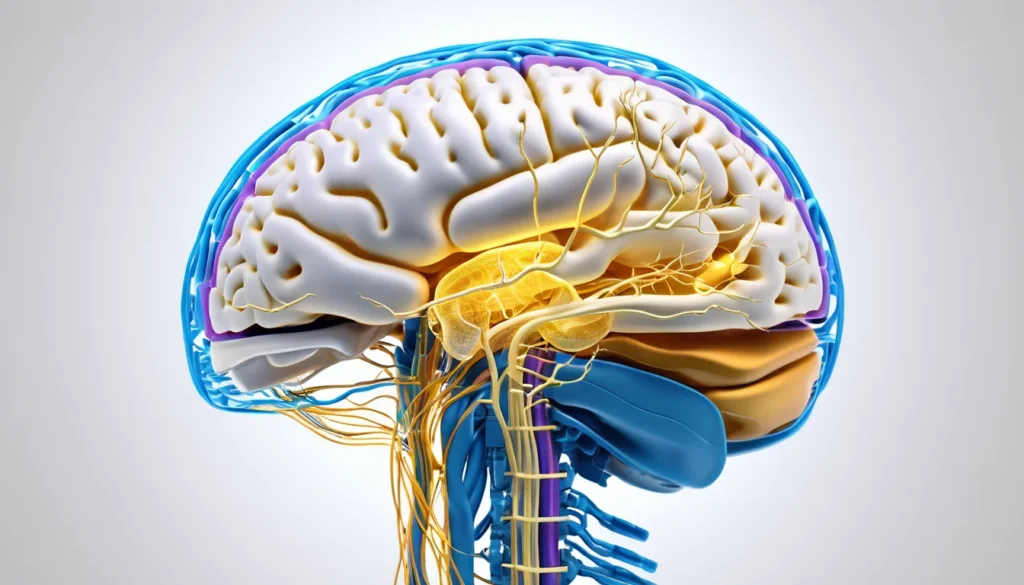
A tremor is an uncontrolled, repetitive shaking of one or more body parts. It is not the same as a muscle twitch or a spasm. Tremors happen because of problems with the parts of the brain that control movement.
Almost anyone can experience a tremor at some point. For example, your hands may shake after drinking too much coffee or during a stressful moment. However, persistent or worsening tremors should always be assessed by a healthcare provider.
Doctors classify tremors based on when and how they occur. Understanding the type of tremor is the first step toward finding the right treatment. According to the Mayo Clinic’s overview of essential tremor, tremors are the most common movement disorder worldwide.
The Three Main Types of Tremors
Medical professionals group tremors into three broad categories. Each type has different triggers, causes, and treatment approaches. Knowing which type you have helps your doctor choose the best care plan for you.
Resting Tremors
A resting tremor happens when your body is completely still — for example, when you are sitting or lying down. The shaking usually stops when you move the affected body part on purpose. Resting tremors most commonly affect the hands and fingers.
This type of tremor is a key sign of Parkinson’s disease and related conditions called parkinsonian syndromes. A classic description is a “pill-rolling” motion, where the thumb and fingers move as if rolling a small pill between them. If you or a loved one notices this kind of shaking, it is important to speak with a family doctor as soon as possible.
Treatment for resting tremors caused by Parkinson’s disease usually involves medications called antiparkinsonian drugs. These medicines help manage symptoms and improve daily functioning. Your provincial health plan may cover some of these medications, so ask your pharmacist or doctor about your options.
Postural Tremors
A postural tremor — also called an action tremor — appears when you hold a position against gravity. For example, it shows up when you stretch your arms out in front of you and hold them still. This type of tremor disappears when the limb is fully relaxed.
Postural tremors have several possible causes. They include:
Physiological tremor: A normal, mild tremor triggered by strong emotions, anxiety, fatigue, or stimulants like caffeine. It is temporary and harmless in most cases.
Medication-induced tremor: Some medicines can cause shaking as a side effect. These include certain antidepressants (tricyclic antidepressants) and lithium, which is used to treat bipolar disorder.
Health-condition tremor: Certain medical conditions can trigger postural tremors. These include an overactive thyroid gland (sometimes called Graves’ disease), low blood sugar (hypoglycaemia), and chronic alcohol use.
In many cases, treating the underlying cause makes the tremor go away. For example, adjusting or stopping the medication responsible, or treating the thyroid condition, often resolves the shaking. Always talk to your doctor before changing any medication on your own.
Essential Tremor
Essential tremor is the most common type of postural tremor. It affects roughly 2% of the population. In about half of all cases, it runs in families — meaning it can be inherited.
Essential tremor primarily affects the hands and arms. It can also affect the head, causing a nodding or side-to-side movement. When it develops later in life, doctors sometimes call it senile tremor.
The exact cause of essential tremor is unknown. However, it is not a sign of Parkinson’s disease, even though the two conditions are sometimes confused. Healthline’s guide to essential tremor explains the key differences clearly.
When essential tremors become severe enough to interfere with eating, dressing, or writing, doctors may prescribe treatment. Common options include:
Beta-blockers (such as propranolol), which calm the nervous system’s response
Anti-epileptic medications, which reduce abnormal nerve signals
These medications do not cure essential tremor. However, they can significantly reduce its impact on daily life.
Intention Tremors and Cerebellar Disorders
An intention tremor occurs during deliberate movement — such as reaching for a glass of water. The shaking gets worse as your hand approaches the target. This is different from a resting or postural tremor, which happens when you are still or holding a position.
Intention tremors are often linked to problems with the cerebellum. The cerebellum is the part of the brain that coordinates movement and balance. When the cerebellum or its connecting nerve pathways are damaged, coordinated movement becomes difficult.
Causes of cerebellar tremors can include:
Multiple sclerosis
Stroke
Brain injury or tumour
Chronic alcohol use disorder
Cerebellar tremors tend to affect the shoulders and hips more than the hands. This can create significant challenges with everyday tasks. In some cases, doctors may prescribe anti-epileptic drugs like sodium valproate or medications that improve blood flow to the brain. Unfortunately, full recovery from a cerebellar tremor is rare. Managing symptoms and supporting quality of life are the main treatment goals.
Common Causes of Tremors
Tremors can have many different causes. Some are temporary and easy to address. Others are signs of a longer-term health condition.
Here is a summary of the most common causes:
Caffeine and stimulants: Too much coffee or energy drinks can cause mild, short-lived tremors in healthy people.
Anxiety and stress: Strong emotions activate your nervous system, which can trigger temporary shaking.
Fatigue: Exhaustion can make your muscles less stable and more prone to trembling.
Medications: Several prescription drugs list tremors as a possible side effect. These include some antidepressants, asthma inhalers, and mood stabilisers.
Low blood sugar: When blood sugar drops too low, the body releases stress hormones that can cause shaking.
Thyroid disorders: An overactive thyroid speeds up many body functions, including muscle activity, which can cause tremors.
Alcohol use: Both chronic alcohol use and alcohol withdrawal can cause significant tremors.
Neurological conditions: Parkinson’s disease, multiple sclerosis, and stroke are among the neurological causes of tremors.
As you can see, the list is wide. This is why a proper medical assessment is so important. Your doctor will review your health history, current medications, and lifestyle before reaching a diagnosis.
How Are Tremors Diagnosed?
There is no single test to diagnose all tremors. Instead, your doctor uses a combination of tools to figure out what type of tremor you have and what is causing it.
The process typically includes:
A detailed review of your medical history and current medications
A physical and neurological examination
Blood tests to check thyroid function and blood sugar levels
In some cases, brain imaging (MRI or CT scan) to look for structural causes
In Canada, your family doctor is usually your first point of contact. They may then refer you to a neurologist for further testing. If you do not have a family doctor, a walk-in clinic is a good starting point for an initial assessment. Health Canada provides information on accessing health care services across the country.
Treatment Options for Tremors
Treatment depends entirely on the type and cause of your tremors. There is no one-size-fits-all solution. However, there are several effective options available.
Medications
Many tremors respond well to medication. Your doctor will match the drug to the specific type of tremor. For example, beta-blockers work well for essential tremors, while antiparkinsonian drugs are used for Parkinson’s-related tremors.
It is important to take medications exactly as prescribed. Do not stop or reduce your dose without talking to your doctor first. Some drugs need to be tapered gradually to avoid withdrawal effects.
Lifestyle Adjustments
For mild tremors, simple lifestyle changes can make a real difference. Reducing caffeine intake, getting enough sleep, and managing stress can all help reduce the severity of physiological tremors. If alcohol is a trigger, cutting back or quitting is an important step — and your doctor can help you find the right support.
Occupational Therapy and Assistive Devices
For people with moderate to severe tremors, occupational therapists can teach strategies to manage daily tasks more easily. Weighted utensils, adaptive clothing, and voice-activated technology are examples of tools that can help. Many provincial health programmes in Canada offer referrals to occupational therapy through your family doctor.
Surgery
In severe cases that do not respond to medication, surgery may be an option. Deep brain stimulation (DBS) is a procedure where a small device is implanted in the brain to regulate abnormal signals. It is most commonly used for Parkinson’s disease and severe essential tremors. Your neurologist can advise whether this option is appropriate for your situation.
When to See a Doctor
Not all tremors need immediate medical attention. However, you should book an appointment with your family doctor if:
Your tremors are new and have appeared without an obvious reason
The shaking is getting worse over time
Tremors are affecting your ability to eat, dress, write, or work
You notice other symptoms like stiffness, slowness of movement, or balance problems
You suspect a medication may be causing your tremors
If you do not have a regular family doctor, visit a walk-in clinic for an initial assessment. The clinic doctor can run basic tests and refer you to a specialist if needed. In Canada, most neurological referrals are covered under provincial health plans, though wait times can vary by province.
Seek emergency care if tremors come on suddenly along with slurred speech, facial drooping, weakness on one side of the body, or severe headache. These may be signs of a stroke.
Frequently Asked Questions About Tremors
What is the most common cause of tremors?
The most common cause of tremors in the general population is essential tremor, a condition with no known cause that often runs in families. Temporary tremors can also be triggered by caffeine, stress, anxiety, or certain medications. If your tremors are new or worsening, it is best to speak with your family doctor to find the cause.
Are tremors a sign of Parkinson’s disease?
Tremors can be a sign of Parkinson’s disease, but not all tremors indicate this condition. Parkinson’s-related tremors typically occur at rest and improve with intentional movement. Essential tremors, by contrast, happen during activity and are far more common than Parkinson’s disease.
Can anxiety cause tremors?
Yes, anxiety and strong emotions can trigger temporary tremors by activating the body’s stress response. This type of physiological tremor is harmless and usually goes away once you calm down. However, if you experience tremors frequently due to anxiety, speaking with your doctor about anxiety management strategies can help.
Can tremors be cured?
Whether tremors can be cured depends on their underlying cause. Tremors caused by medication side effects or low blood sugar often go away once the cause is addressed. Essential tremors and cerebellar tremors are generally managed rather than cured, though medications and therapy can greatly improve quality of life.
What medications cause tremors as a side effect?
Several common medications can cause tremors as a side effect, including tricyclic antidepressants, lithium, certain asthma inhalers, and some anti-seizure drugs. If you notice new tremors after starting a medication, do not stop taking it on your own — speak with your doctor or pharmacist first about adjusting your dose or switching to an alternative.
How are tremors treated in Canada?
In Canada, tremors are treated based on their type and cause, and care is typically coordinated through your family doctor or a neurologist. Treatment options include medications like beta-blockers or anti-epileptic drugs, occupational therapy, and in severe cases, deep brain stimulation surgery. Most diagnostic tests and specialist referrals for tremors are covered under provincial health plans.
Key Takeaways
Tremors are involuntary shaking movements that can affect many parts of the body. There are three main types: resting tremors (linked to Parkinson’s disease), postural tremors (including essential tremor), and intention tremors