Treacher Collins syndrome is a rare genetic condition that affects the development of bones and tissues in the face. It can cause differences in the cheekbones, jaw, ears, and eyelids. Symptoms range from very mild to more noticeable. This article explains what causes Treacher Collins syndrome, what signs to look for, and how it is diagnosed and managed in Canada.
What Is Treacher Collins Syndrome?
Treacher Collins syndrome is a congenital disorder, meaning a person is born with it. It affects the shape and size of certain facial features. In some cases, the signs are so subtle that they go unnoticed for years — even by the person who has it.
In other cases, the physical differences are more significant. These can include underdeveloped cheekbones, a small jaw, cleft palate, drooping eyelids, and ear abnormalities. Breathing difficulties and hearing loss are also commonly associated with this condition.
It is important to know that Treacher Collins syndrome does not usually affect a person’s intelligence or cognitive abilities. Most people with this condition have the same thinking and learning skills as anyone else.
For more background on rare genetic conditions, visit Health Canada’s health information hub.
Causes of Treacher Collins Syndrome
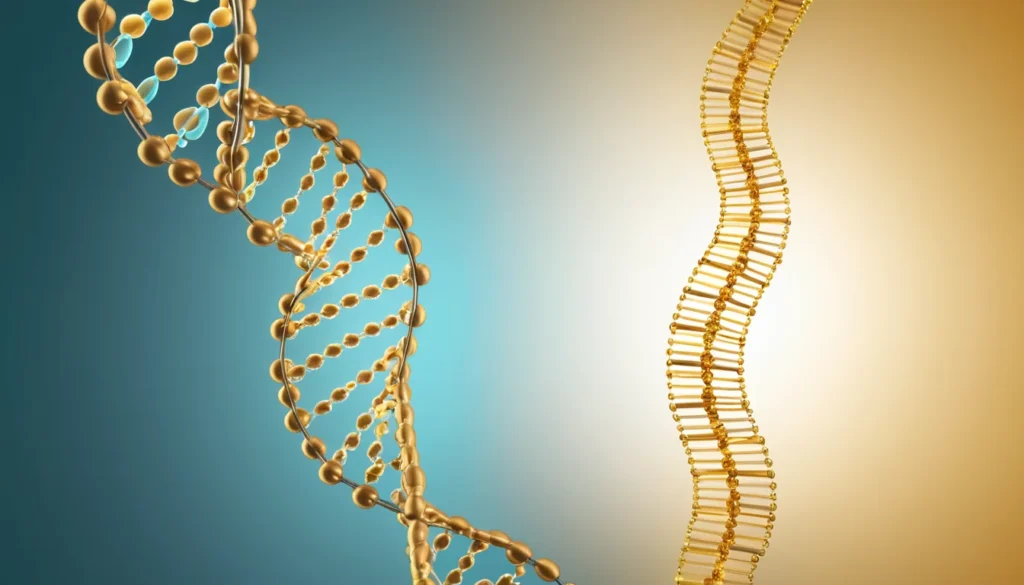
A change in a single gene causes Treacher Collins syndrome. This gene is found on chromosome 5. Researchers have identified more than 50 different variations of this gene change linked to the condition.
How Does the Gene Change Happen?
In more than half of all cases, the gene change happens spontaneously. This means it occurs on its own during early embryo development. There is no evidence that a mother’s lifestyle or behaviour during pregnancy causes this mutation.
However, this gene change follows an autosomal dominant pattern. In simple terms, if one parent carries the changed gene, there is a 50% chance of passing it on to their child. A parent may carry the gene without knowing it, especially if their own symptoms are very mild.
Who Is at Risk?
Treacher Collins syndrome affects males and females equally. About 40% of people diagnosed with it have a parent who also has the condition. Because symptoms vary so widely, some parents only discover they carry the gene after their child is diagnosed.
Research has shown that during embryo development, an abnormal number of programmed cell deaths occur in a structure called the neural tube. This is believed to lead to the facial differences seen in Treacher Collins syndrome.
Signs and Symptoms of Treacher Collins Syndrome
The signs of Treacher Collins syndrome can look very different from one person to the next. Some people have features that only a specialist would notice. Others have differences that are more visible.
Facial Features
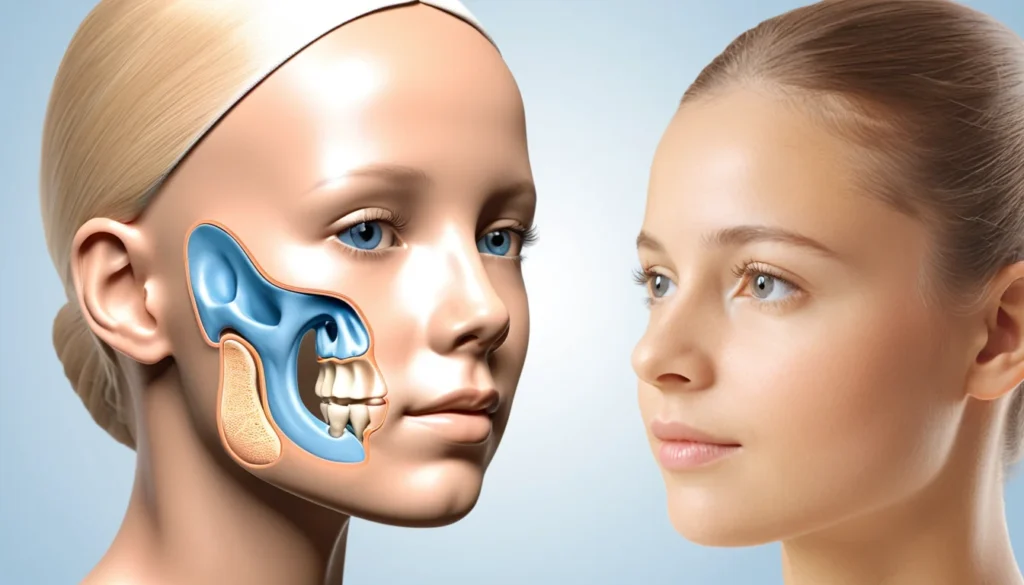
Common facial signs include underdeveloped cheekbones and a smaller-than-usual jaw and chin. The mouth is often larger than average. The nose may also appear underdeveloped in proportion to the rest of the face. Hair from the scalp can extend down toward the cheeks in some individuals.
Eye and Eyelid Differences
Drooping eyelids are a frequent sign of Treacher Collins syndrome, which can give a child a sad appearance. In some cases, a small notch is missing from the lower eyelid — a condition called a coloboma. The eyes may be an unusual shape, and there may be very few eyelashes on the lower lid. Dry eyes are also common and can lead to infections if not treated.
Ear Abnormalities
Ear differences are very common with Treacher Collins syndrome. The outer ear may be small, low-set, or almost completely absent. The ear canal itself can be absent, which directly affects hearing. Small skin tags in front of the ear may also be present.
Hearing Loss
Hearing loss is one of the most significant challenges associated with Treacher Collins syndrome. It results from structural differences in the outer and middle ear. In most cases, both ears are affected. There is typically about a 40% reduction in hearing in each ear. This level of hearing loss is significant enough to interfere with a child’s ability to hear spoken language clearly.
As a result, hearing loss can delay language development and affect a child’s learning if it is not identified and managed early. Learn more about hearing health from the Mayo Clinic’s overview of Treacher Collins syndrome.
Breathing and Feeding Difficulties
A small, underdeveloped jaw can push the tongue further back in the mouth. This reduces the airway and can make breathing harder. Colds, congestion, and respiratory infections can make breathing even more difficult. Feeding difficulties are also common in infants with Treacher Collins syndrome, sometimes leading to poor weight gain.
Cleft Palate
About one in three people with Treacher Collins syndrome also has a cleft palate. This happens when the hard palate — the roof of the mouth — does not fully form during development. A cleft palate can affect feeding, speech, and breathing, and usually requires surgical treatment.
Social and Emotional Wellbeing
Children and adults with Treacher Collins syndrome may face social challenges. Differences in appearance can affect self-esteem and lead to difficulties at school or in social settings. Emotional support and counselling can play an important role in overall wellbeing. Again, it is worth emphasising that cognitive abilities are generally not affected by this condition.
How Is Treacher Collins Syndrome Diagnosed?
Early diagnosis of Treacher Collins syndrome is very important — ideally well before a baby’s first birthday. A healthcare provider will begin with a full physical examination and a detailed medical and family history.
Genetic Testing
Genetic testing can confirm a diagnosis of Treacher Collins syndrome by identifying the specific gene change on chromosome 5. This is especially helpful when symptoms are mild and may not be obvious from a physical exam alone. Genetic counselling is often recommended for families, as it helps them understand the risk of passing the gene change to future children.
Hearing Tests
Hearing assessments are a key part of the diagnostic process. In Canada, newborn hearing screening programmes are available in most provinces and territories. These programmes help catch hearing loss early, before it can affect language and development. If your newborn has not been screened, speak with your family doctor or paediatrician.
Imaging and Specialist Referrals
Doctors may also use imaging such as X-rays or CT scans to get a detailed look at the bones of the face and ears. Referrals to specialists — including ear, nose, and throat (ENT) doctors, plastic surgeons, and speech-language pathologists — are common and form part of a coordinated care plan.
Treatment and Management Options
There is no cure for Treacher Collins syndrome, but many of its effects can be managed effectively with the right support. Treatment is highly individual and depends on which features are present and how severe they are.
Surgical Treatments
Surgery can help correct or improve many of the physical features associated with Treacher Collins syndrome. Cleft palate repair is often done in early childhood. Reconstructive procedures for the cheekbones, jaw, and ears may be performed later, often in stages as the child grows. Eyelid surgery may also be recommended to protect vision and eye health.
Hearing Aids and Bone-Anchored Devices
Many people with Treacher Collins syndrome benefit significantly from hearing aids. In cases where the ear canal is absent, a bone-anchored hearing device (BAHD) can be used. These devices conduct sound through the skull bone directly to the inner ear, bypassing the absent or abnormal outer ear structures. Your audiologist or ENT specialist can advise on the best option.
Speech and Language Therapy
Because hearing loss can delay language development, speech-language therapy is often an important part of care. Starting therapy early gives children the best chance of developing strong communication skills. Many provinces offer publicly funded speech-language services for children through their provincial health plans — ask your family doctor for a referral.
Breathing Support
In severe cases, some infants may need breathing support shortly after birth. In rare situations, a tracheostomy (a tube placed in the throat to help breathing) may be necessary. As the child grows and jaw surgery is performed, breathing typically improves.
Ongoing Emotional Support
Counselling and psychological support can be very helpful for children and adults living with Treacher Collins syndrome. Connecting with peer support groups and patient communities can also make a real difference in quality of life. Furthermore, school support plans can help children manage academic and social challenges.
For additional information on managing rare conditions, Healthline’s guide to Treacher Collins syndrome offers a helpful overview.
When to See a Doctor
If you notice any signs of Treacher Collins syndrome in your newborn or young child, contact your family doctor as soon as possible. Early assessment can make a significant difference in your child’s development and quality of life.
Your family doctor can refer you to the right specialists, including geneticists, audiologists, and ENT surgeons. If you do not have a family doctor, a walk-in clinic can provide an initial assessment and help coordinate a referral through your provincial health system.
Parents who have a family history of Treacher Collins syndrome, or who have been diagnosed themselves, should discuss genetic counselling before or during pregnancy. This can help you understand the risks and plan appropriately.
As always, if you have any concerns about your child’s health or development, speaking with a qualified healthcare professional is the best first step. This article is for informational purposes only and is not a substitute for professional medical advice.
Frequently Asked Questions About Treacher Collins Syndrome
What causes Treacher Collins syndrome?
Treacher Collins syndrome is caused by a change in a single gene on chromosome 5. In more than half of all cases, this gene change happens spontaneously during early embryo development, rather than being inherited from a parent. However, if a parent carries the changed gene, there is a 50% chance of passing it to their child.
Does Treacher Collins syndrome affect intelligence?
No, Treacher Collins syndrome does not typically affect a person’s intelligence or cognitive abilities. Most people with this condition have normal thinking and learning skills. However, untreated hearing loss can affect language development and academic performance if not identified early.
How is Treacher Collins syndrome diagnosed in Canada?
Diagnosis usually involves a physical examination, a review of family medical history, genetic testing, and hearing assessments. In Canada, most provinces offer newborn hearing screening programmes that can detect hearing loss associated with Treacher Collins syndrome early. Your family doctor can coordinate referrals to the appropriate specialists.
Is Treacher Collins syndrome hereditary?
Treacher Collins syndrome follows an autosomal dominant inheritance pattern, which means one copy of the changed gene is enough to cause the condition. About 40% of people diagnosed have a parent who also has the syndrome. Because symptoms vary so widely, some parents do not know they carry the gene until their child is diagnosed.
Can Treacher Collins syndrome be treated?
There is no cure for Treacher Collins syndrome, but many of its features can be managed effectively. Treatment options include reconstructive surgery, hearing aids or bone-anchored hearing devices, speech-language therapy, and emotional support. A team of specialists works together to create a personalised care plan for each individual.
How common is Treacher Collins syndrome?
Treacher Collins syndrome is a rare condition, estimated to affect approximately 1 in 50,000 people worldwide. It occurs equally in males and females and across all ethnic backgrounds. Because symptoms can be very mild, some cases may go undiagnosed or unrecognised.
Key Takeaways
Treacher Collins syndrome is a rare genetic condition affecting the development of facial bones and tissues.
It is caused by a gene change on chromosome 5, which can occur spontaneously or be inherited from a parent.
Symptoms vary widely — from very mild to more significant physical differences — but cognitive abilities are usually not affected.
Common features include underdeveloped cheekbones and jaw, ear abnormalities, hearing loss, cleft palate, and breathing difficulties.
Early diagnosis is essential. Newborn hearing screening programmes are available across most Canadian provinces.
Treatment involves a team of specialists and may include surgery, hearing devices, and speech-language therapy.
If you have concerns about your child’s development or a family history of this condition, speak with your family doctor or visit a walk-in clinic for a referral.