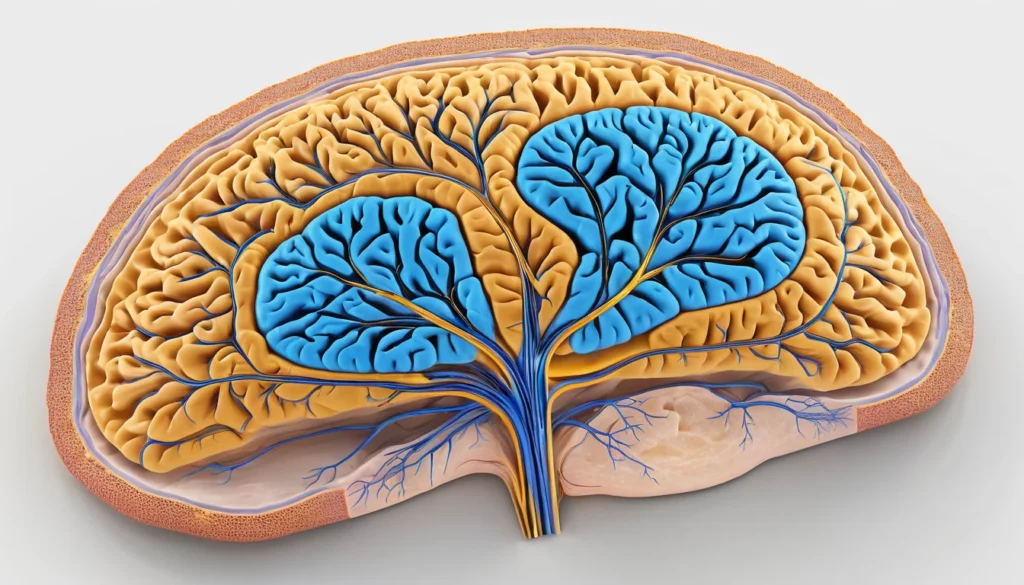
A transient ischemic attack (TIA) is a sudden, temporary disruption of blood flow to the brain. It is often called a “mini-stroke,” and it is one of the most important warning signs your body can send you. Symptoms appear quickly and usually pass within a few minutes to a few hours. However, a TIA should never be ignored — it may signal that a full stroke is on the way.
What Is a Transient Ischemic Attack?
A transient ischemic attack happens when blood flow to part of the brain is briefly blocked or reduced. Unlike a full stroke, the blockage clears on its own, and symptoms disappear within 24 hours — often much sooner. Because it leaves no lasting damage, many people brush it off. That is a dangerous mistake.
Doctors define a TIA as a neurological event caused by temporary ischemia — meaning the brain tissue does not get enough blood. The word “transient” means short-lived. However, the risk that follows is very real and long-lasting. According to Health Canada, stroke is one of the leading causes of death and disability in the country.
A TIA is sometimes called a transient ischemic attack, a mini-stroke, or a warning stroke. All of these names describe the same event. Knowing what it is can help you act fast and possibly save your life or someone else’s.
Transient Ischemic Attack Symptoms to Watch For
The symptoms of a transient ischemic attack come on suddenly and without warning. They can be easy to dismiss because they pass quickly. However, every symptom must be taken seriously.
Common TIA symptoms include:
Sudden vision loss in one or both eyes
Weakness or numbness on one side of the body, including the face, arm, or leg
Difficulty speaking or understanding speech (called aphasia)
Sudden confusion or trouble thinking clearly
Dizziness or loss of balance
Severe headache with no known cause
These symptoms mirror those of a full stroke. The key difference is that they go away on their own. In fact, most TIA symptoms resolve within 30 to 60 minutes. As a result, many Canadians do not seek help right away — and that delay can be life-threatening.
How Long Do TIA Symptoms Last?
By definition, TIA symptoms last fewer than 24 hours. In most cases, they clear up within one to two hours. However, you should never wait to see if symptoms go away on their own. Call 911 or get to the nearest emergency room immediately. Time is critical when it comes to brain health.
What Causes a Transient Ischemic Attack?
A transient ischemic attack is caused by a temporary blockage in a blood vessel that supplies the brain. The blockage can happen in a few different ways. Understanding the cause helps doctors choose the right treatment.
Blood Clots
The most common cause of a TIA is a blood clot. A small clot can travel from elsewhere in the body — often the heart or a large artery in the neck — and lodge in a brain vessel. The clot dissolves on its own, which is why symptoms pass. However, a larger clot may not dissolve, leading to a full stroke.
Narrowed Arteries
Atherosclerosis is the buildup of fatty plaques inside artery walls. This narrows the arteries and reduces blood flow. Over time, pieces of plaque can break off and travel to the brain, causing a TIA. This process is closely linked to high cholesterol and high blood pressure.
Heart Conditions
Certain heart conditions increase the risk of TIA. Atrial fibrillation (an irregular heartbeat) is a well-known risk factor. It causes blood to pool in the heart, where clots can form. These clots may then travel to the brain and trigger a transient ischemic attack.
Risk Factors for a Transient Ischemic Attack
Some Canadians face a higher risk of experiencing a transient ischemic attack than others. Many of the risk factors are the same as those for stroke and heart disease. The good news is that many of them are manageable.
Key risk factors include:
High blood pressure (hypertension) — the single biggest risk factor
Diabetes — damages blood vessels over time
High cholesterol (hypercholesterolemia) — contributes to artery narrowing
Smoking — damages blood vessels and increases clotting risk
Obesity — linked to several other risk factors
Age — risk increases significantly after age 55
Family history — a close relative with stroke or TIA raises your risk
Sedentary lifestyle — physical inactivity contributes to vascular disease
Furthermore, men are at slightly higher risk than women, though women tend to have worse outcomes after stroke. Indigenous Canadians and those from certain other communities also face elevated risk due to a combination of genetic and social factors. For more information, visit the World Health Organization’s stroke fact sheet.
How Is a Transient Ischemic Attack Diagnosed?
Diagnosing a transient ischemic attack can be challenging because symptoms often disappear before you even reach the hospital. Doctors rely on a combination of your medical history, a physical exam, and diagnostic tests. Acting quickly improves the chances of an accurate diagnosis.
Medical History and Physical Exam
Your doctor will ask detailed questions about your symptoms. They will want to know exactly when symptoms started, how long they lasted, and what they felt like. A thorough neurological exam checks your reflexes, coordination, speech, and vision. This physical assessment is the foundation of any TIA diagnosis.
Imaging and Blood Tests
Doctors often order brain imaging to rule out a stroke or other cause. A CT scan or MRI can show whether any brain tissue was damaged. An ultrasound of the carotid arteries in the neck can detect narrowing or plaque. Blood tests check for clotting disorders, diabetes, and cholesterol levels.
Heart Monitoring
Because heart conditions are a common cause of TIA, your doctor may order an electrocardiogram (ECG) to check your heart rhythm. In some cases, you may wear a portable heart monitor for 24 to 48 hours. This helps detect atrial fibrillation that might not show up during a routine ECG. Your provincial health plan typically covers these diagnostic tests when referred by a physician.
Treatment and Prevention of Transient Ischemic Attack
The main goal of treating a transient ischemic attack is to prevent a full stroke. Studies show that between 25 and 33 percent of people who have a TIA will go on to have a stroke within five years if they do not receive proper treatment. Fortunately, effective options are available.
Medications
Doctors commonly prescribe antiplatelet medications, such as ASA (commonly known as Aspirin) or clopidogrel, to reduce the risk of blood clots. Blood thinners (anticoagulants) may be prescribed if atrial fibrillation is the cause. Medications to lower blood pressure, cholesterol, and blood sugar are also important parts of a TIA treatment plan.
Lifestyle Changes
Lifestyle changes are just as important as medication. Quitting smoking is one of the most powerful steps you can take. Eating a diet rich in fruits, vegetables, whole grains, and fibre also supports healthy blood vessels. Regular physical activity — even 30 minutes of brisk walking most days — significantly reduces stroke risk.
In addition, managing stress, limiting alcohol, and maintaining a healthy weight all contribute to better vascular health. Your family doctor or a registered dietitian can help you build a plan that works for your life.
Procedures and Surgery
In some cases, a procedure called carotid endarterectomy may be recommended. This surgery removes plaque from the carotid arteries to restore better blood flow. Alternatively, a carotid stent may be placed to keep the artery open. These options are typically considered when imaging shows significant artery narrowing. Learn more from the Mayo Clinic’s guide to TIA treatment.
When to See a Doctor
If you think you or someone near you is having a transient ischemic attack, call 911 immediately. Do not drive yourself to the hospital. Do not wait to see if symptoms improve. Every minute counts when blood flow to the brain is affected.
After a TIA, you will likely be referred to a neurologist or stroke specialist. Your family doctor will play an important role in your ongoing care and monitoring. If you do not have a family doctor, a walk-in clinic can provide an initial assessment and referral. Most provincial health plans cover TIA-related care, so cost should not be a barrier to seeking help.
Even if you are not sure whether what you experienced was a TIA, it is always better to get checked out. Symptoms that seem minor or that have already passed still deserve medical attention. Your brain health is worth protecting.
Frequently Asked Questions About Transient Ischemic Attack
What is the difference between a transient ischemic attack and a stroke?
A transient ischemic attack causes the same symptoms as a stroke, but they go away within 24 hours and leave no permanent brain damage. A stroke causes lasting damage because the blood flow blockage does not clear in time. However, a TIA is a serious warning sign that a stroke may follow.
Can you have a transient ischemic attack and not know it?
Yes, it is possible. Some people experience very mild symptoms — such as brief confusion or slight arm weakness — and assume they are tired or stressed. Because transient ischemic attack symptoms resolve quickly, many people do not connect them to a neurological event. This is why awareness of TIA signs is so important.
How soon after a TIA can a stroke occur?
The risk of stroke is highest in the first 48 hours after a transient ischemic attack. Research suggests that up to 10 to 15 percent of people will have a stroke within three months of a TIA, with the greatest danger in the first two days. This is why emergency evaluation and treatment should begin immediately.
Is a transient ischemic attack covered by provincial health insurance in Canada?
Yes. Diagnosis, emergency care, and follow-up treatment for a transient ischemic attack are covered under provincial and territorial health plans across Canada. This includes hospital visits, imaging tests, and referrals to specialists. You should not delay seeking care due to cost concerns.
What should I do immediately if I think I am having a TIA?
Call 911 right away — even if your symptoms seem mild or are already fading. A transient ischemic attack is a medical emergency that requires immediate evaluation. Do not wait to call your family doctor or drive yourself to a walk-in clinic; go directly to the nearest emergency department.
Can lifestyle changes really reduce the risk of another TIA or stroke?
Absolutely. Managing blood pressure, controlling blood sugar, quitting smoking, eating a fibre-rich diet, and staying physically active all significantly lower the chance of a repeat transient ischemic attack or stroke. Your doctor can help you create a realistic plan based on your personal health needs.
Key Takeaways
A transient ischemic attack is a temporary blockage of blood flow to the brain that resolves within 24 hours.
TIA symptoms include sudden vision loss, weakness or numbness on one side of the body, speech difficulties, and confusion.
A TIA is a serious warning sign — 25 to 33 percent of people who have one will experience a full stroke within five years without treatment.
Risk factors include high blood pressure, diabetes, high cholesterol, smoking, and obesity — many of which are manageable.
Treatment includes medication, lifestyle changes, and in some cases, surgery to restore healthy blood flow.
Call 911 immediately if you suspect a TIA. Do not wait for symptoms to pass on their own.
Always speak with your family doctor or a healthcare provider about your personal risk and prevention plan.
This article is for informational purposes only and is not a substitute for professional medical advice. Always consult your family doctor or a qualified healthcare provider if you have questions about your health or think you may have experienced a transient ischemic attack.