A transient ischemic attack (TIA) is often called a “mini-stroke” — and for good reason. It happens when blood flow to part of the brain is briefly blocked, causing stroke-like symptoms that usually disappear within 24 hours. However, a TIA is never something to ignore. It is a serious warning sign that a full stroke could follow, and getting help quickly can make all the difference.
What Is a Transient Ischemic Attack?
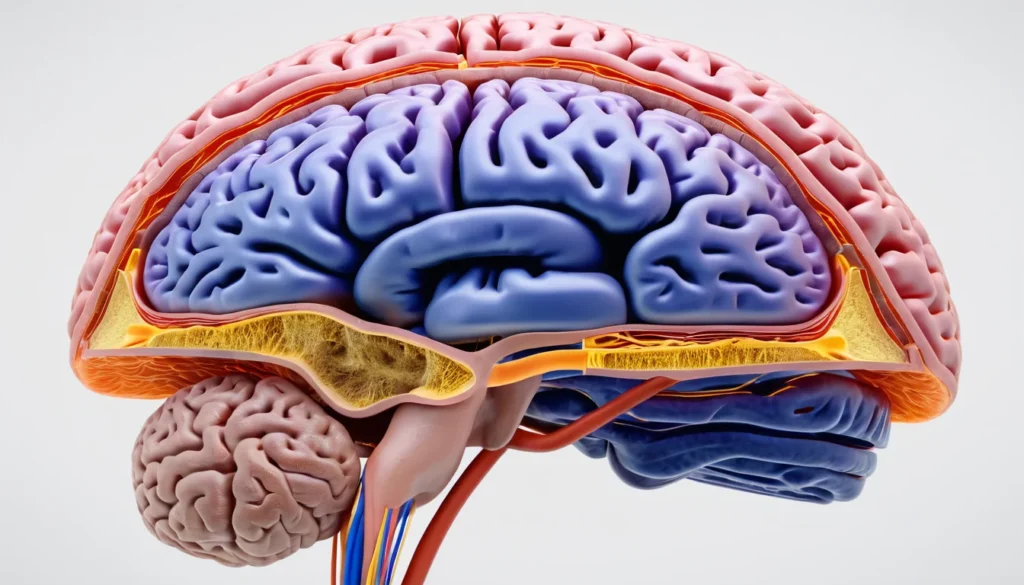
A transient ischemic attack occurs when a blood vessel in the brain is temporarily blocked or narrowed. The brain is briefly starved of oxygen-rich blood. Unlike a full stroke, the blockage clears on its own, and symptoms fade — usually within minutes to a few hours.
The word “transient” means temporary. The word “ischemic” refers to reduced blood flow. Together, they describe exactly what happens: a short-lived interruption of blood supply to the brain. Even though symptoms go away, the underlying problem does not simply disappear on its own.
In Canada, a TIA is treated as a medical emergency. Health Canada and provincial health authorities strongly encourage Canadians to call 911 immediately if they notice any symptoms — even if those symptoms seem mild or pass quickly.
Transient Ischemic Attack Symptoms to Watch For
The symptoms of a transient ischemic attack come on suddenly and without warning. They can vary depending on which part of the brain is affected. Because they often resolve quickly, many people mistakenly believe nothing serious has happened.
Common symptoms include:
Sudden loss of vision in one eye, or blurred vision
Weakness or numbness on one side of the body — in the face, arm, or leg
Difficulty speaking or understanding speech (called aphasia)
Sudden confusion or trouble thinking clearly
Dizziness, loss of balance, or difficulty walking
A sudden, severe headache with no obvious cause
These symptoms typically last only a few minutes. However, they can last up to 24 hours. If symptoms last longer than that, doctors classify the event as a full stroke rather than a TIA.
Using the FAST Method
A simple way to remember TIA and stroke symptoms is the FAST method. This tool is widely promoted across Canadian health programmes:
F — Face drooping: Does one side of the face droop or feel numb?
A — Arm weakness: Is one arm weak or numb? Does it drift downward when raised?
S — Speech difficulty: Is speech slurred or hard to understand?
T — Time to call 911: Call emergency services immediately.
Even if you are unsure whether symptoms match the FAST criteria, it is always better to call 911. Acting fast truly saves lives and reduces long-term damage.
What Causes a Transient Ischemic Attack?
A transient ischemic attack is caused by a temporary blockage in a blood vessel that supplies the brain. In most cases, a small blood clot or a piece of fatty plaque travels through the bloodstream and briefly lodges in a brain artery. The body then breaks it down, restoring normal blood flow.
Several underlying conditions raise the risk of a TIA. These include:
High blood pressure (hypertension): The most common risk factor. High pressure damages blood vessel walls over time.
High cholesterol (hypercholesterolaemia): Fatty deposits can build up inside arteries, narrowing them and increasing clot risk.
Diabetes: High blood sugar damages blood vessels throughout the body, including those in the brain.
Atrial fibrillation: An irregular heartbeat can cause blood clots to form and travel to the brain.
Smoking: Tobacco use damages blood vessels and dramatically increases clot risk.
Obesity and physical inactivity: These contribute to high blood pressure, diabetes, and high cholesterol.
According to the Mayo Clinic’s overview of transient ischemic attack, narrowing of the arteries due to fatty plaque buildup — a condition called atherosclerosis — is one of the most frequent underlying causes. Furthermore, age and family history also play a role, though they cannot be changed.
How Is a TIA Diagnosed?
Diagnosing a transient ischemic attack can be tricky. Because symptoms often disappear before a person reaches the hospital, doctors rely heavily on the patient’s description of what happened. This is why it helps to note the exact symptoms, when they started, and how long they lasted.
A doctor will typically begin with a thorough physical and neurological examination. They will check your reflexes, strength, vision, speech, and coordination. This clinical assessment forms the foundation of the diagnosis.
Tests Your Doctor May Order
In addition to the physical exam, your doctor may recommend several tests to rule out other causes and assess your stroke risk:
Blood tests: To check cholesterol, blood sugar, and clotting factors.
CT scan or MRI: Brain imaging helps rule out bleeding or other structural problems.
Carotid ultrasound: This checks for narrowing in the arteries of the neck.
Electrocardiogram (ECG): To detect irregular heart rhythms such as atrial fibrillation.
Echocardiogram: An ultrasound of the heart to look for clots or structural issues.
In Canada, most provincial health plans cover these diagnostic tests when ordered by a physician. Your family doctor or emergency room doctor will refer you for imaging and specialist care as needed.
Treatment and Prevention of a Transient Ischemic Attack
Treatment after a transient ischemic attack focuses on one main goal: preventing a full stroke. Research shows that between 25 and 33 percent of people who have a TIA will go on to have a stroke within five years if they do not receive proper treatment. Therefore, acting quickly and consistently is essential.
Medications
Your doctor may prescribe one or more medications to lower your stroke risk after a TIA. Common options include:
Antiplatelet drugs: Medications like aspirin or clopidogrel help prevent blood clots from forming.
Anticoagulants: Blood thinners such as warfarin or newer alternatives may be used, especially if atrial fibrillation is present.
Blood pressure medications: Keeping blood pressure in a healthy range greatly reduces stroke risk.
Statins: These drugs lower cholesterol and help stabilize fatty plaques in artery walls.
Never start or stop any medication without speaking to your doctor first. The right treatment plan depends on your individual health history and risk factors.
Lifestyle Changes That Make a Real Difference
Medication alone is not enough. Lifestyle changes play a powerful role in reducing the risk of a future stroke after a TIA. Your doctor or a specialist may recommend the following:
Quit smoking: This is one of the most impactful steps you can take. Smoking dramatically increases clot risk and damages blood vessels.
Control blood pressure: Monitor your blood pressure regularly and follow your doctor’s advice on managing it.
Manage blood sugar: If you have diabetes, keeping blood glucose levels stable protects your blood vessels.
Eat a heart-healthy diet: Focus on vegetables, fruits, whole grains, and fibre. Reduce salt, saturated fats, and processed foods.
Exercise regularly: Aim for at least 150 minutes of moderate activity per week, as recommended by Canadian physical activity guidelines.
Limit alcohol: Excessive alcohol raises blood pressure and increases stroke risk.
As the World Health Organization’s stroke fact sheet highlights, controlling modifiable risk factors — such as high blood pressure, smoking, and poor diet — can significantly reduce a person’s lifetime stroke risk.
Surgical Options
In some cases, surgery may be recommended. If a carotid artery is significantly narrowed, a procedure called carotid endarterectomy can remove the fatty buildup. Another option is a carotid artery stent, which props the artery open. Your neurologist or vascular surgeon will discuss whether these options suit your situation.
When to See a Doctor
If you experience any symptoms of a transient ischemic attack, do not wait to see if they go away. Call 911 immediately or have someone drive you to the nearest emergency room. Time is critical — the faster you receive care, the better the outcome.
Even if your symptoms resolved completely before you sought help, you still need medical attention. Visit your family doctor or a walk-in clinic as soon as possible. They can assess your stroke risk, order appropriate tests, and refer you to a neurologist or stroke specialist if needed.
Many provinces across Canada have dedicated stroke prevention clinics. These centres offer rapid assessments for people who have had a TIA. Ask your family doctor for a referral, or check with your provincial health authority to find the nearest service.
Always speak with a qualified healthcare provider before making changes to your treatment plan. The information in this article is for general education and does not replace professional medical advice.
Frequently Asked Questions About Transient Ischemic Attack
Is a transient ischemic attack the same as a stroke?
A transient ischemic attack is sometimes called a “mini-stroke,” but it is not exactly the same as a full stroke. The key difference is that a TIA causes temporary symptoms that resolve within 24 hours, while a stroke causes lasting brain damage. However, both are medical emergencies that require immediate attention.
How long does a transient ischemic attack last?
Most transient ischemic attack symptoms last only a few minutes, though they can persist for up to 24 hours. If symptoms last longer than 24 hours, the event is classified as a full stroke. Because symptoms can be brief, many people dismiss them — but any episode warrants an immediate medical evaluation.
What is the chance of having a stroke after a TIA?
Studies show that between 25 and 33 percent of people who have a transient ischemic attack will experience a full stroke within five years without proper treatment. The risk is highest in the first 48 hours after a TIA. This is why immediate medical care and ongoing management are so important.
Can a transient ischemic attack be prevented?
Yes, many TIAs can be prevented by managing key risk factors. Controlling high blood pressure, quitting smoking, managing diabetes, and maintaining healthy cholesterol levels all reduce your risk significantly. A transient ischemic attack is often preventable with the right lifestyle changes and medical support from your family doctor.
Will a TIA show up on a brain scan?
A transient ischemic attack may or may not show visible changes on a CT scan or MRI, since the blockage is temporary. However, brain imaging is still an important part of the diagnostic process. It helps doctors rule out other causes, such as bleeding in the brain, and assess overall brain health.
Is a transient ischemic attack covered under provincial health plans in Canada?
Yes, emergency assessment and treatment for a transient ischemic attack are covered under provincial and territorial health plans across Canada. This includes emergency room visits, diagnostic imaging, blood tests, and specialist referrals. Coverage for follow-up medications may vary, so check with your provincial health authority or pharmacare programme for details.
Key Takeaways
A transient ischemic attack is a temporary blockage of blood flow to the brain that causes stroke-like symptoms lasting less than 24 hours.
Symptoms appear suddenly and may include vision loss, numbness, weakness, speech difficulties, and confusion.
A TIA is a serious medical emergency — call 911 immediately, even if symptoms seem to pass quickly.
Between 25 and 33 percent of people who have a TIA will experience a full stroke within five years without treatment.
Treatment focuses on preventing stroke through medications, lifestyle changes, and in some cases, surgery.
Key risk factors — including high blood pressure, high cholesterol, diabetes, and smoking — can be managed with medical support.
Canadians can access TIA care through family doctors, walk-in clinics, emergency rooms, and provincial stroke prevention centres.
Always consult your family doctor or a healthcare professional for advice tailored to your personal health situation.