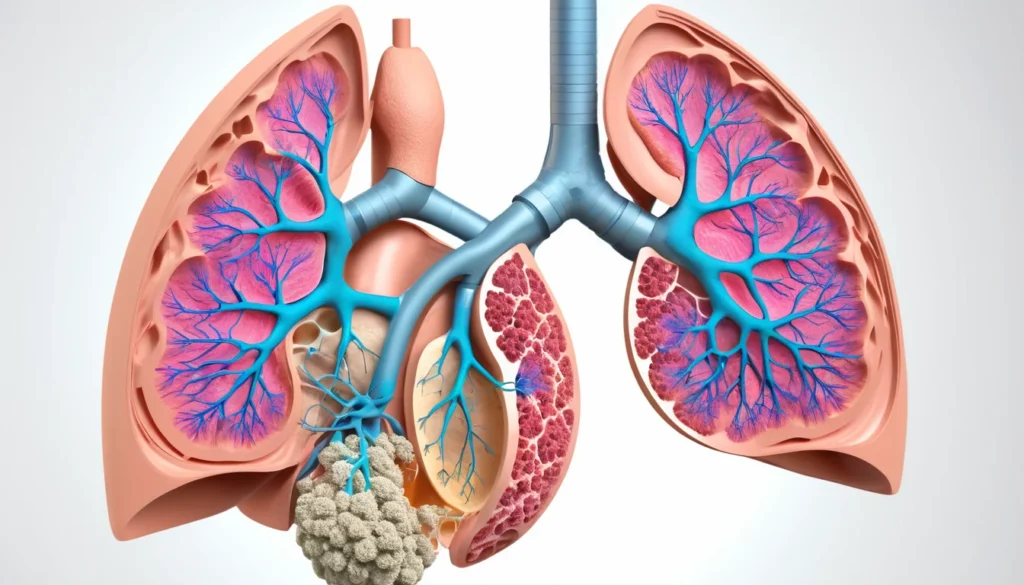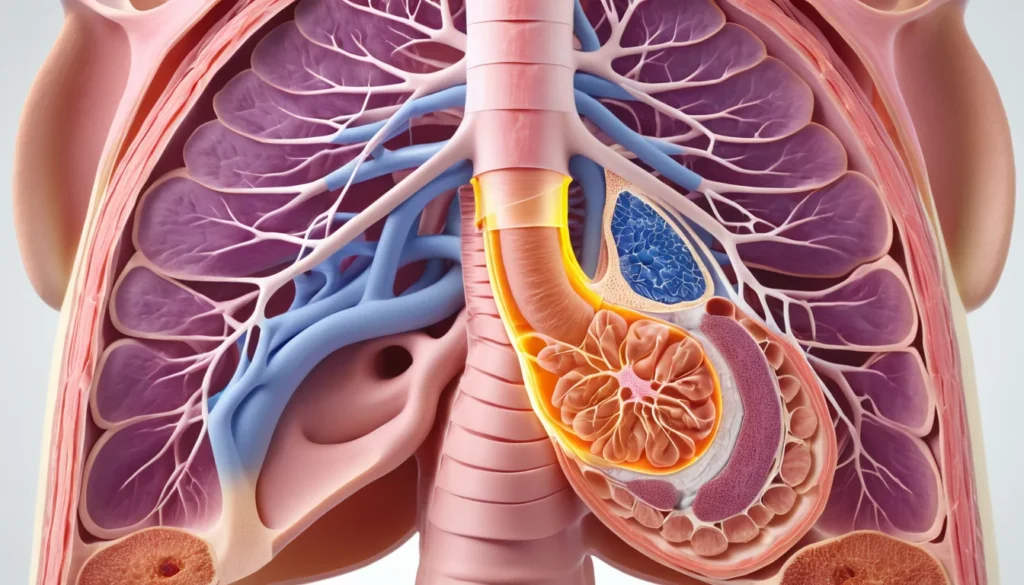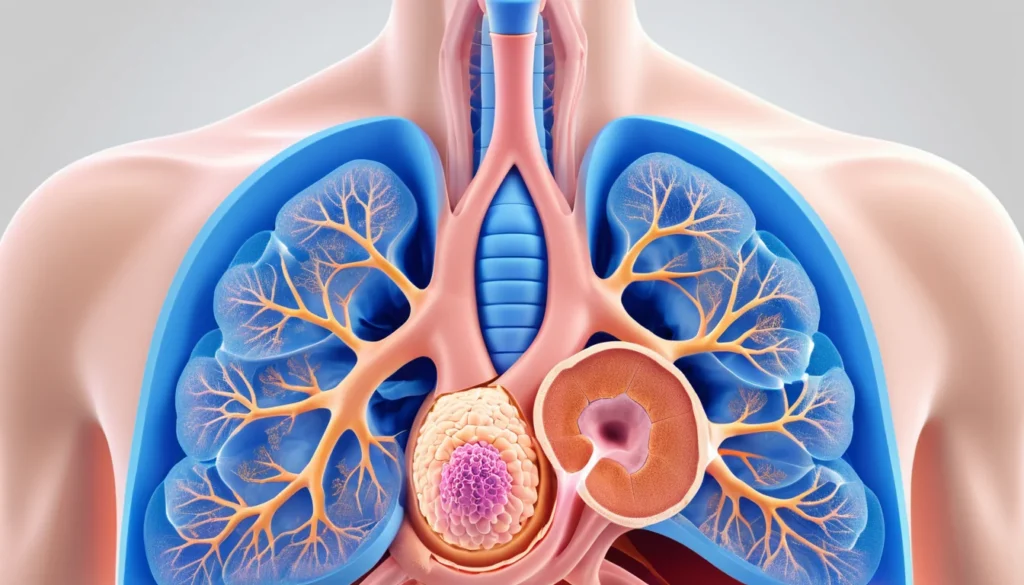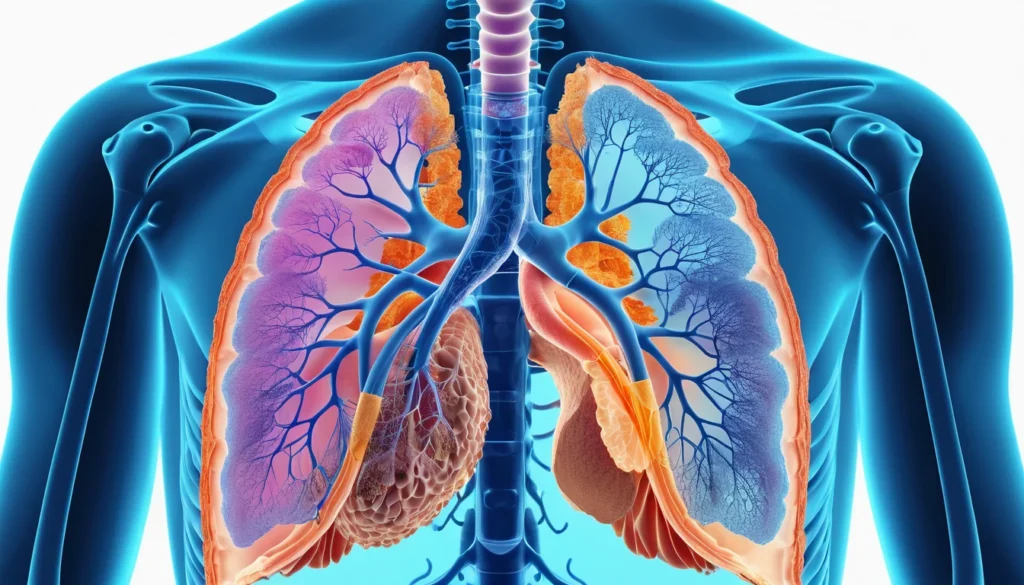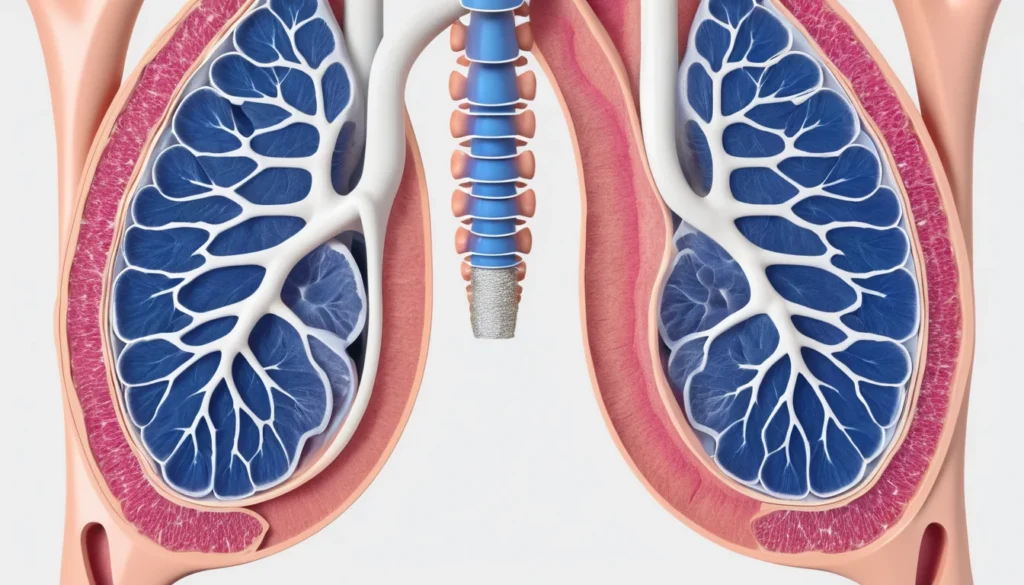
Tracheobronchitis is an inflammation of the airways that affects both the trachea (windpipe) and the main bronchi (the large airways leading to your lungs). It is one of the more common respiratory conditions seen during fall and winter in Canada. Most cases are caused by a viral infection and will clear up on their own. However, treatment can help ease your symptoms and make breathing more comfortable.
What Is Tracheobronchitis?
Tracheobronchitis occurs when the lining of your trachea and bronchi becomes inflamed and swollen. This swelling narrows your airways, making it harder to breathe freely. The condition is considered self-limiting, which means your body will usually fight it off without major medical intervention.
However, the symptoms — especially the cough — can be very disruptive to daily life. Treatment focuses on keeping you comfortable and supporting your breathing while your body heals. In some cases, complications can develop, so it is important to monitor how you feel. Always speak with your family doctor or visit a walk-in clinic if you are unsure.
Common Causes and Risk Factors
Viral infections are responsible for more than 70% of all tracheobronchitis cases. Influenza viruses, parainfluenza viruses, respiratory syncytial virus (RSV), and adenoviruses are the most common culprits. RSV is especially common in young children and older adults across Canada.
In some cases, a bacterial infection can develop on top of a viral one. Bacteria such as Streptococcus, Streptococcus pneumoniae, Haemophilus influenzae, and Mycoplasma pneumoniae can all cause or worsen the condition. Furthermore, certain irritants can trigger tracheobronchitis even without an infection.
Non-Infectious Risk Factors
Exposure to cigarette smoke — whether you smoke yourself or breathe in second-hand smoke — is a significant risk factor. Dust, chemical fumes, and other airborne irritants can also inflame the airways. In addition, people who have needed a breathing tube (endotracheal intubation) in hospital may develop tracheobronchitis as a complication of that procedure.
People with weakened immune systems are at higher risk of developing more severe symptoms. This includes older adults, young children, and those living with chronic illnesses. Health Canada recommends that high-risk individuals take extra precautions during cold and flu season.
Tracheobronchitis Symptoms to Watch For
Symptoms of tracheobronchitis often begin like a common cold or upper respiratory tract infection. You might first notice a runny nose, a hoarse voice, or a mild sore throat. A low-grade fever may also be present early on.
The hallmark symptom is a dry, irritating cough that can be difficult to control. This cough often wakes people up at night and does not respond well to standard cough remedies. As a result, it can seriously affect your sleep and overall quality of life.
The Two Stages of Tracheobronchitis
The illness typically progresses through two stages over about eight to ten days. Understanding these stages can help you know what to expect.
Stage 1 — Dry Stage (Days 1–4): You experience a dry, harsh, and persistent cough. Breathing may feel uncomfortable or strained. This stage is often the most frustrating for patients.
Stage 2 — Productive Stage (Days 5–10): The cough becomes productive, meaning you start to bring up mucus. The mucus may start clear and become thicker or yellowish-green over time. In some cases, small streaks of blood may appear due to minor irritation of small blood vessels. This is usually not dangerous, but you should mention it to your doctor.
In some people, a lingering cough can continue for three to four weeks after the main illness has passed. This is known as a post-infectious cough and is generally not a sign that something is seriously wrong. However, if the cough lasts longer than four weeks, see your doctor for an assessment.
Breathing Difficulties
Because tracheobronchitis causes the airways to narrow, some people experience shortness of breath (dyspnoea). In more severe cases, you might notice that breathing takes extra effort. Symptoms like visible chest retractions (when the skin pulls in between your ribs as you breathe) signal that breathing is significantly laboured and require prompt medical attention.
How Is Tracheobronchitis Diagnosed?
Tracheobronchitis is usually diagnosed based on your symptoms and a physical examination. Your doctor will listen to your chest with a stethoscope. Depending on where the inflammation is, they may hear various types of abnormal breath sounds, such as wheezing or coarse crackling sounds (called rhonchi).
Routine blood tests, such as a complete blood count (CBC) or erythrocyte sedimentation rate (ESR), do not usually add much useful information for straightforward cases. Therefore, your doctor may not order them unless they suspect a complication.
When Further Testing Is Needed
A chest X-ray may be ordered if your symptoms are severe, have lasted a long time, or if your doctor wants to rule out pneumonia. This is an important distinction, because pneumonia requires different treatment. Pneumonia typically causes higher fever, chest pain, and a more seriously unwell feeling compared to tracheobronchitis.
If your mucus turns thick and purulent (pus-like), your doctor may send a sputum sample to a lab. This helps identify which bacteria are causing the infection and guides antibiotic treatment. Mycoplasma pneumoniae, in particular, can cause an atypical pneumonia that looks very similar to tracheobronchitis, making a lab test especially helpful in those cases. For more information on respiratory infections, visit the Mayo Clinic’s guide to bronchitis.
Treatment Options for Tracheobronchitis
Treatment for tracheobronchitis has three main goals: preventing complications, relieving symptoms, and — when applicable — treating the underlying cause. Most Canadians can manage mild to moderate tracheobronchitis at home with guidance from their family doctor or pharmacist.
Home Remedies and Supportive Care
Staying well-hydrated is one of the most effective things you can do. Drinking plenty of fluids helps thin the mucus in your airways, making it easier to cough up. Rest is equally important — your body needs energy to fight the infection.
Humidifier: Adding moisture to the air in your home can soothe irritated airways, especially during dry Canadian winters.
Saline nasal rinse: This can help relieve nasal congestion and reduce post-nasal drip, which worsens your cough.
Honey and warm liquids: Warm water, herbal tea, or broth with honey can soothe throat irritation. Note that honey should never be given to children under one year of age.
Avoid smoke and irritants: Stay away from cigarette smoke and dusty environments while you recover.
Over-the-Counter Medications
Pain relievers and fever reducers such as acetaminophen (Tylenol) or ibuprofen can help manage fever and discomfort. Cough suppressants may offer some relief for the dry, irritating cough in Stage 1. However, once your cough becomes productive in Stage 2, it is generally better not to suppress it — coughing is your body’s way of clearing the airways.
Expectorants, such as guaifenesin (found in products like Robitussin), can help thin mucus and make it easier to clear. Ask your pharmacist which over-the-counter product is most appropriate for your symptoms. Your provincial health plan does not typically cover OTC medications, but many Canadians have coverage through private or employer benefit plans.
Prescription Treatments
Antibiotics are not effective against viral infections, which cause the majority of tracheobronchitis cases. Your doctor will only prescribe antibiotics if a bacterial infection is confirmed or strongly suspected. Taking antibiotics unnecessarily contributes to antibiotic resistance, which is a growing public health concern in Canada.
In cases where breathing is significantly affected, a doctor may prescribe a bronchodilator inhaler. This medication helps open up the narrowed airways and makes breathing easier. If you have underlying asthma or chronic obstructive pulmonary disease (COPD), your regular medications should be continued and your doctor should be informed promptly.
Prevention: The Flu Vaccine
Since influenza viruses are a leading cause of tracheobronchitis, getting your annual flu shot is one of the best preventive steps you can take. The flu vaccine is free for most Canadians under provincial and territorial health programmes. It is especially recommended for seniors, young children, pregnant women, and people with chronic health conditions.
Frequent handwashing, avoiding touching your face, and staying home when you are sick also go a long way in preventing the spread of respiratory viruses. The World Health Organization’s influenza fact sheet offers additional guidance on flu prevention.
When to See a Doctor
Most cases of tracheobronchitis resolve on their own within one to two weeks. However, some situations call for a visit to your family doctor or a walk-in clinic. Do not wait if you experience any of the following:
Difficulty breathing or shortness of breath at rest
Fever above 38.5°C (101.3°F) that does not respond to medication
Cough lasting more than four weeks
Coughing up significant amounts of blood
Symptoms that improve and then suddenly get worse
Chest pain, especially if it is severe or persistent
Symptoms in infants, young children, or adults over 65 that seem to be worsening
If you are having trouble breathing and cannot reach your doctor or walk-in clinic quickly, go to your nearest emergency department. In a medical emergency, call 911. Your provincial health plan covers visits to your family doctor, walk-in clinic, and emergency department for the assessment and treatment of respiratory illnesses like tracheobronchitis.
This article is for general informational purposes only. Always consult a qualified healthcare professional — such as your family doctor or nurse practitioner — before starting any treatment or if you have concerns about your health.
Frequently Asked Questions About Tracheobronchitis
How long does tracheobronchitis last?
Most cases of tracheobronchitis resolve within eight to ten days as the illness moves through its two stages. However, a lingering cough can persist for three to four weeks after the infection clears. If your cough lasts longer than four weeks, see your family doctor for an assessment.
Is tracheobronchitis contagious?
Yes — because tracheobronchitis is most often caused by a viral infection, it can spread from person to person through respiratory droplets. Frequent handwashing and staying home when you are sick can help reduce the spread. Avoiding close contact with others during the early, acute phase of the illness is especially important.
Do I need antibiotics for tracheobronchitis?
In most cases, antibiotics are not needed because tracheobronchitis is caused by a virus, and antibiotics do not work against viruses. Your doctor may prescribe antibiotics only if a bacterial infection is confirmed or strongly suspected based on your symptoms or test results. Using antibiotics unnecessarily contributes to antibiotic resistance, so always follow your doctor’s advice.
What is the difference between tracheobronchitis and pneumonia?
Both conditions affect the respiratory tract, but tracheobronchitis involves inflammation of the trachea and bronchi, while pneumonia involves the air sacs deep within the lungs. Pneumonia typically causes higher fever, chest pain, and a more severe feeling of illness. A chest X-ray is often used to tell the two conditions apart, as pneumonia shows distinct areas of consolidation in the lungs.
Can tracheobronchitis turn into pneumonia?
In some cases, especially in people with weakened immune systems, tracheobronchitis can progress or a secondary bacterial infection can develop, increasing the risk of pneumonia. This is why it is important to monitor your symptoms closely. If you develop a high fever, chest pain, or feel significantly worse after initially improving, see a doctor promptly.
How can I prevent tracheobronchitis?
The most effective way to prevent viral tracheobronchitis is to get your annual flu shot, which is free under most provincial health programmes in Canada. Washing your hands regularly, avoiding cigarette smoke, and staying away from people who are sick also greatly reduce your risk. If you have a weakened immune system or a chronic respiratory condition, talk to your doctor about additional precautions.
Key Takeaways
Tracheobronchitis is an inflammation of the trachea and bronchi, most commonly caused by viral infections. It is self-limiting in most cases, resolving within eight to ten days, though a cough may linger for up to four weeks. The illness has two stages: a dry, irritating cough phase followed by a productive, mucus-clearing phase. Antibiotics are not needed for the majority of cases, as most are caused by viruses. Stay hydrated, rest, and use over-the-counter remedies to manage symptoms. Ask your pharmacist for guidance. Get your annual flu shot — it is free for most Canad