When bacteria make you sick, they often do so through harmful substances called toxins. These are poisonous compounds produced by microorganisms — mainly bacteria — that damage your body’s cells and tissues. Understanding how toxins work can help you make sense of infections, symptoms, and even how some vaccines are made. This article explains the different types of toxins, what they do in your body, and when you should speak with a healthcare provider.
What Are Toxins?
A toxin is a harmful substance made by a living organism, such as a bacterium, that causes disease or injury. The word comes from the Greek word for poison. Bacteria are one of the most common sources of toxins in the human body.
When bacteria enter your body, they do not always cause harm directly. Instead, many bacteria release toxins that do the real damage. These toxins can travel through your bloodstream and affect organs far from where the infection started.
For example, the bacteria that cause tetanus release a toxin that travels to your nervous system. This toxin interferes with muscle control and can cause dangerous muscle spasms. The infection itself stays in a wound, but the toxin spreads throughout the body.
The Two Main Types of Toxins
Scientists classify bacterial toxins into two main categories: endotoxins and exotoxins. These two types behave very differently in the body. Understanding the difference helps doctors diagnose and treat bacterial infections more effectively.
Endotoxins: Toxins Released from Inside Bacteria
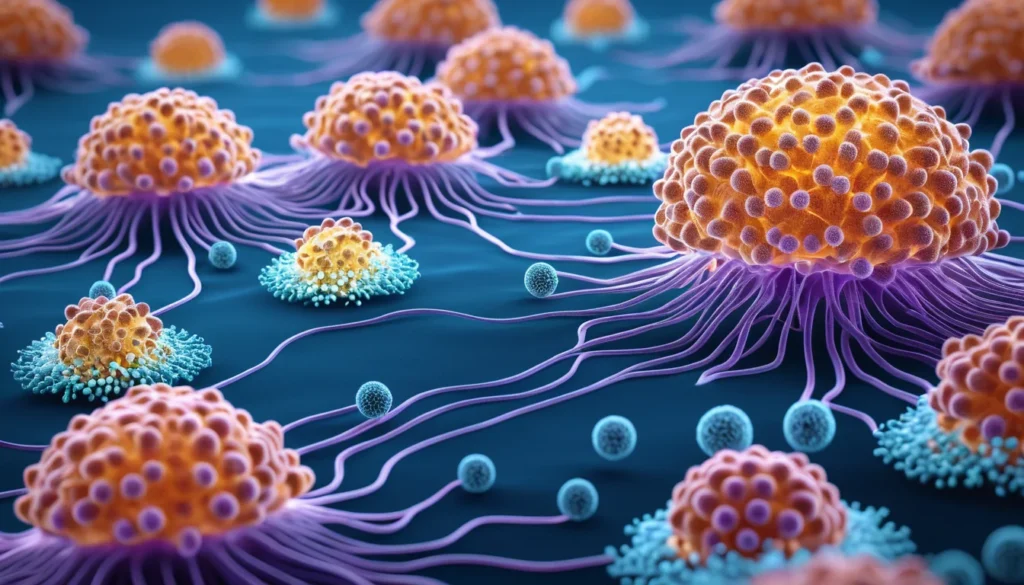
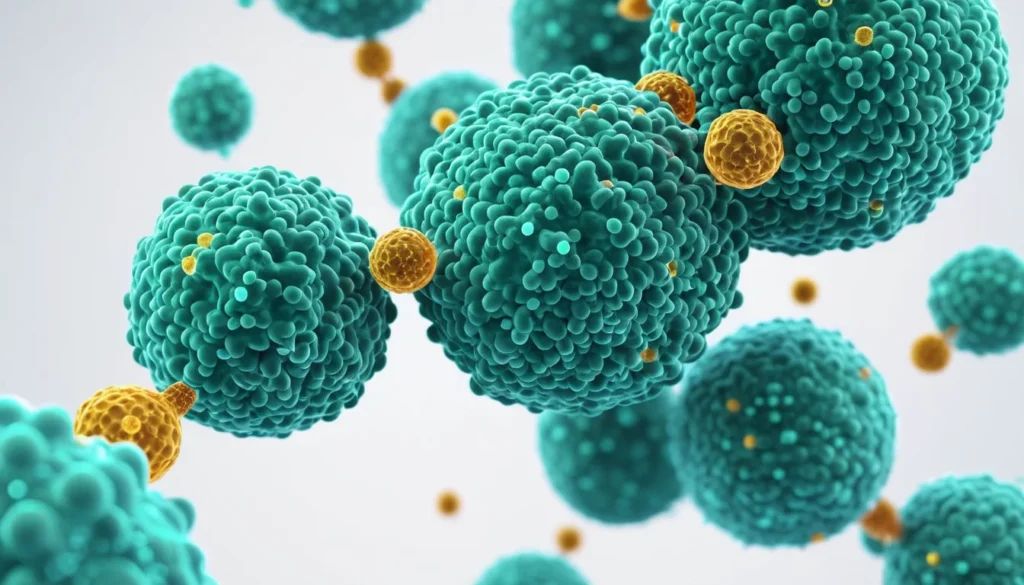
Endotoxins are found inside certain bacteria. They form part of the outer wall of bacteria known as Gram-negative bacteria. These include bacteria like Salmonella, E. coli, and the bacteria that cause meningitis.
Endotoxins are not released while the bacteria are alive and growing. Instead, they are released when the bacteria die and break apart. This is an important detail. Even after antibiotics kill the bacteria, the released endotoxins can still trigger a strong immune reaction.
Your immune system recognises endotoxins as dangerous. As a result, it launches a powerful inflammatory response. In some cases, this response becomes so intense that it leads to a life-threatening condition called septic shock. Symptoms include dangerously low blood pressure, organ failure, and confusion.
Endotoxins are also known as lipopolysaccharides (LPS). This refers to their chemical structure, which contains both fat and sugar molecules. The World Health Organization has detailed information on sepsis, a condition closely linked to endotoxin release.
Exotoxins: Toxins Secreted by Living Bacteria
Exotoxins work very differently. These toxins are actively secreted — meaning released — by living bacteria. They are produced mainly by Gram-positive bacteria, such as Staphylococcus aureus, Clostridium botulinum, and Corynebacterium diphtheriae.
Exotoxins are proteins, and they tend to be much more potent than endotoxins. A very small amount can cause serious harm. Once released, they diffuse — spread — into the surrounding tissues and bloodstream, often targeting specific organs or systems.
There are several well-known exotoxins. Botulinum toxin, produced by Clostridium botulinum, is one of the most powerful toxins known. It blocks nerve signals to muscles, causing paralysis. Diphtheria toxin attacks heart tissue and nerve cells. Staphylococcal toxins can cause food poisoning or toxic shock syndrome.
Furthermore, exotoxins are often categorised by how they work. Some punch holes in cell membranes. Others interfere with protein production inside cells. Still others mimic signals in your nervous system. Each type causes a different pattern of illness.
How Toxins Cause Disease
Toxins cause disease by interfering with normal body functions at the cellular level. Different toxins target different parts of the body, which is why bacterial infections can look so different from one another.
Some toxins are cytotoxins — they destroy cells directly. Others are neurotoxins — they affect the nervous system. A third group, called enterotoxins, target the gastrointestinal tract and cause symptoms like vomiting and diarrhoea.
For example, the toxin produced by Vibrio cholerae — the bacterium that causes cholera — is an enterotoxin. It triggers massive fluid loss from the intestines. This leads to severe dehydration, which can be fatal without treatment.
In contrast, tetanus toxin is a neurotoxin. It blocks the release of chemicals that normally tell muscles to relax. As a result, muscles stay contracted, causing the rigid spasms associated with tetanus. Health Canada provides guidance on tetanus prevention and vaccination.
Toxins and the Immune System
Your immune system works hard to neutralise toxins when they enter your body. One of the main tools it uses is antibodies. These are proteins your immune system produces that bind to toxins and block their harmful effects.
When your body encounters a toxin for the first time, it takes time to build up these antibodies. This delay is part of why you feel sick. However, once your immune system learns to recognise the toxin, it responds much faster the next time.
This is the principle behind vaccination. Some vaccines teach your immune system to recognise specific toxins without ever exposing you to dangerous amounts. Your body builds protective antibodies in advance, so it is ready if you ever encounter the real toxin.
In addition, certain medical treatments called antitoxins or antiserums can neutralise toxins already in your body. These are used in emergencies, such as suspected botulism or diphtheria infection, where there is no time to wait for the immune system to respond on its own.
Toxoids: How Toxins Are Used to Make Vaccines
One of the most important medical uses of toxins involves turning them into safe vaccine ingredients. This is done by converting exotoxins into toxoids. A toxoid is a modified form of a toxin that has lost its ability to cause harm but can still train the immune system.
To create a toxoid, scientists treat the exotoxin with heat or chemicals such as formaldehyde. This process destroys the toxic properties of the substance. However, it preserves the shape and structure that the immune system recognises. Therefore, your immune system learns to produce antibodies against it, just as it would with the real toxin.
Toxoid-based vaccines are among the most successful in medicine. The tetanus vaccine, the diphtheria vaccine, and the pertussis (whooping cough) component of the DTaP vaccine all rely on toxoids. These vaccines are part of Canada’s routine immunisation schedule and are available through provincial health plans across the country.
For most Canadians, these vaccines are given in childhood. However, booster doses are recommended throughout life, particularly for tetanus and diphtheria. Your family doctor or local public health unit can confirm whether your immunisations are up to date. Mayo Clinic explains how tetanus toxoid vaccines protect against tetanus infection.
Common Illnesses Caused by Bacterial Toxins
Many familiar illnesses are caused not by bacteria themselves, but by the toxins those bacteria produce. Recognising these conditions can help you seek care sooner.
Food Poisoning
Many cases of food poisoning are caused by bacterial toxins. Staphylococcus aureus can contaminate food and release toxins that cause rapid-onset vomiting and stomach cramps. Interestingly, the bacteria may be killed by cooking, but the toxins themselves can survive heat and remain in the food.
Clostridium perfringens and Bacillus cereus also produce toxins that cause foodborne illness. Symptoms typically begin within hours of eating contaminated food and include nausea, diarrhoea, and stomach pain. Most cases resolve on their own within 24 to 48 hours.
Toxic Shock Syndrome
Toxic shock syndrome (TSS) is a rare but serious condition caused by toxins from Staphylococcus aureus or Streptococcus pyogenes. These toxins act as superantigens — substances that trigger a massive, uncontrolled immune response. Symptoms include sudden high fever, a rash resembling sunburn, low blood pressure, and organ failure.
TSS requires emergency medical treatment. If you or someone you know develops these symptoms, call 911 or go to the nearest emergency department immediately.
Botulism
Botulism is caused by the toxin produced by Clostridium botulinum. It is one of the most potent toxins known to science. Botulism can result from eating improperly preserved or canned foods. It causes progressive muscle paralysis, starting with the face and eyes and moving down the body.
Botulism is a medical emergency. Treatment involves antitoxin and, in severe cases, mechanical ventilation to support breathing. Early treatment greatly improves outcomes.
When to See a Doctor
If you suspect you have been exposed to a bacterial toxin or are showing signs of a toxin-related illness, it is important to seek medical care promptly. Some toxin-related conditions, such as septic shock or botulism, can deteriorate rapidly without treatment.
You should contact your family doctor if you have mild symptoms of food poisoning that are not improving, or if you have questions about your vaccination status and whether your toxoid-based vaccines are current. Most provincial health plans in Canada cover routine immunisations, so getting a booster dose is straightforward.
Visit a walk-in clinic if you cannot reach your family doctor and you are experiencing symptoms such as prolonged vomiting, diarrhoea, high fever, or a spreading skin rash after an infection. Walk-in clinics are widely available across Canada and can assess whether further testing or treatment is needed.
Go to your nearest emergency department or call 911 immediately if you experience symptoms of severe sepsis, toxic shock syndrome, or botulism. These include sudden confusion, very low blood pressure, progressive muscle weakness or paralysis, or difficulty breathing. These are life-threatening emergencies that require immediate care.
Always consult a qualified healthcare professional before making decisions about your health. This article is for informational purposes only and does not replace the advice of your doctor or nurse practitioner.
Frequently Asked Questions About Toxins
What is the difference between endotoxins and exotoxins?
Endotoxins are part of the cell wall of Gram-negative bacteria and are released when those bacteria die. Exotoxins are proteins actively secreted by living bacteria, mostly Gram-positive species. Both types of toxins can cause serious illness, but they trigger different types of immune responses and affect different parts of the body.
How do toxins make you sick?
Toxins interfere with normal cell and organ function by targeting specific systems in the body. Some destroy cells directly, while others block nerve signals, cause uncontrolled inflammation, or trigger massive fluid loss from the gut. The specific symptoms depend on which type of toxin is involved and which tissues it targets.
What is a toxoid and how is it used in vaccines?
A toxoid is a modified version of a bacterial toxin that has been made harmless through heat or chemical treatment. Toxoids are used as vaccine ingredients because they still trigger an immune response without causing disease. The tetanus and diphtheria vaccines used in Canada’s routine immunisation programme are both toxoid-based vaccines.
Can toxins remain in food even after cooking?
Yes, some bacterial toxins are heat-stable, meaning they survive normal cooking temperatures even after the bacteria that produced them have been killed. Staphylococcal toxins in contaminated food are a well-known example. This is why proper food storage and handling are just as important as thorough cooking.
Are all toxins produced by bacteria?
No, toxins can be produced by many types of living organisms, including fungi, plants, and animals such as snakes and jellyfish. However, bacterial toxins are among the most clinically important because they are responsible for a wide range of serious infectious diseases. This article focuses specifically on toxins made by bacteria.
How does the body protect itself against toxins?
Your immune system produces antibodies that bind to toxins and neutralise them before they can cause harm. Vaccines help your body build these antibodies in advance, providing protection without illness. In emergencies, doctors can also administer antitoxins — ready-made antibodies — to neutralise toxins already present in the body.
Key Takeaways
Toxins are harmful substances produced by bacteria that cause disease by damaging cells and disrupting normal body functions. Endotoxins come from Gram-negative bacteria and are released when those bacteria die, often triggering dangerous inflammation. Exotoxins are secreted by living Gram-positive bacteria and tend to be highly potent, targeting specific organs or systems. Toxoids are chemically modified toxins used in vaccines. They train your immune system without causing disease. Common toxin-related illnesses include food poisoning, botulism, diphtheria, tetanus, and toxic shock syndrome. Toxoid-based vaccines — including tetanus and diphtheria — are part