General Health
Premature Ejaculation: Causes, Treatments & When to Get Help
Premature ejaculation (PE) occurs when ejaculation happens earlier than desired during sexual activity.
Evidence-based guides to diseases and medical conditions affecting Canadians — from heart and cancer to digestive, kidney, and hormonal health. reviewed by our editorial team.
Premature ejaculation (PE) occurs when ejaculation happens earlier than desired during sexual activity.
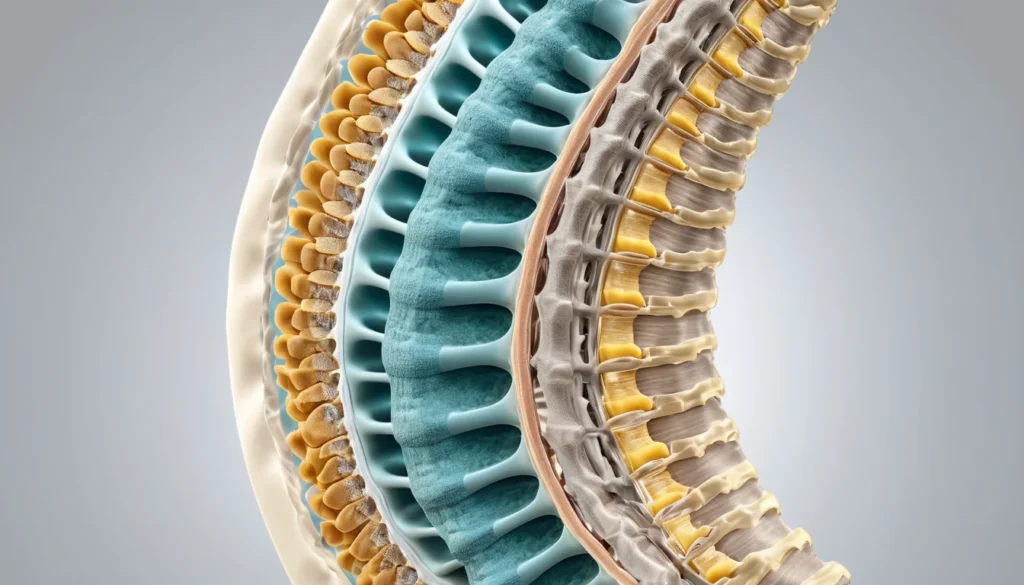
Your spine health affects nearly every movement you make. The spinal column is one of the most important structures in your body.
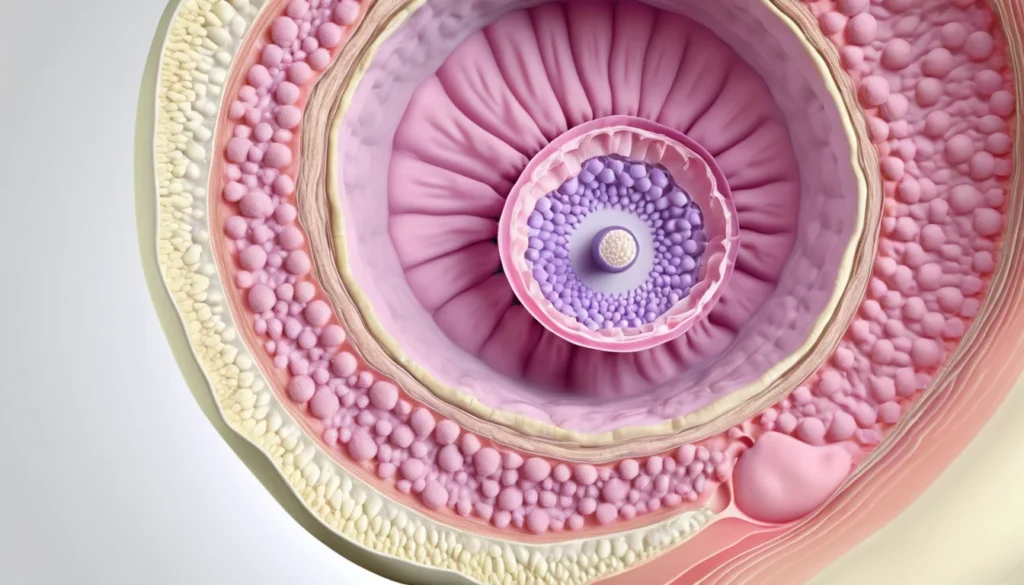
Cervical dysplasia means the cells lining the cervix have changed in an abnormal way. Doctors also call this condition cervical …
The testicles are two small, oval-shaped glands located in the scrotum, the pouch of skin below the penis.
Absence seizures are a form of epilepsy. They cause a short interruption in consciousness, usually lasting between 5 and 30 …
The word abrasion comes from the Latin word meaning “to scrape away.” In everyday health terms, it simply means the wearing away …
In prediabetes, your body does not respond properly to insulin. Insulin is a hormone made by your pancreas that helps sugar move …
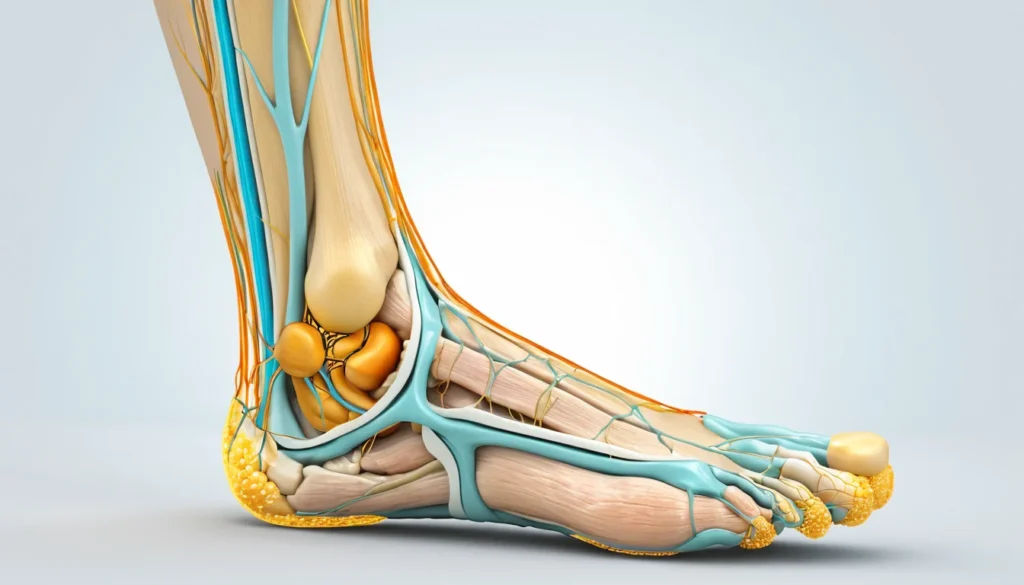
Diabetic neuropathy is nerve damage caused by prolonged high blood sugar levels. It most commonly affects the nerves in the feet …
The uterus has two main layers. The inner layer is called the endometrium, which is the lining that sheds each month during a …
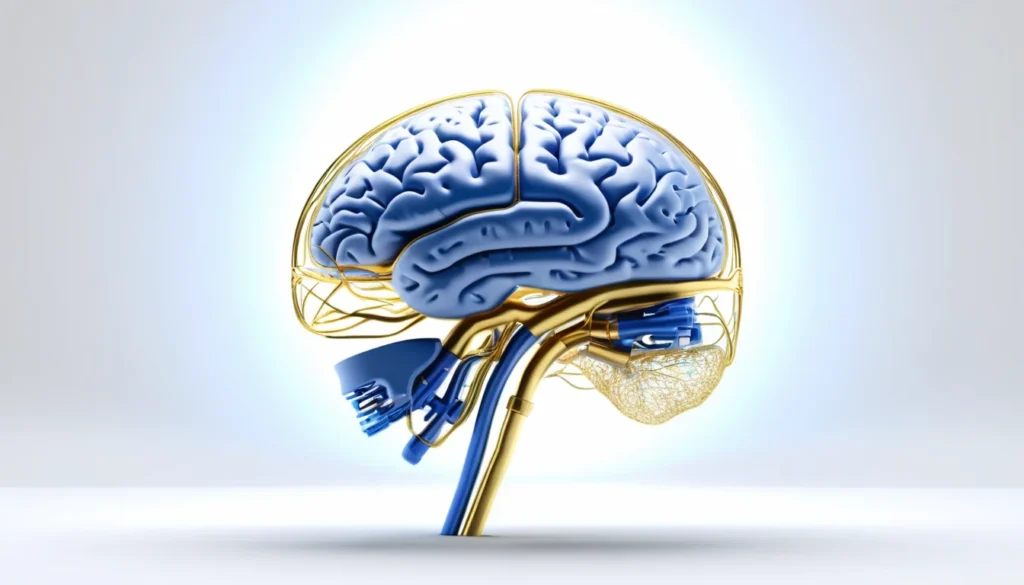
A transient ischemic attack (TIA) is a sudden, temporary disruption of blood flow to the brain.