General Health
Multiple Hereditary Exostoses: Causes, Symptoms & Treatment
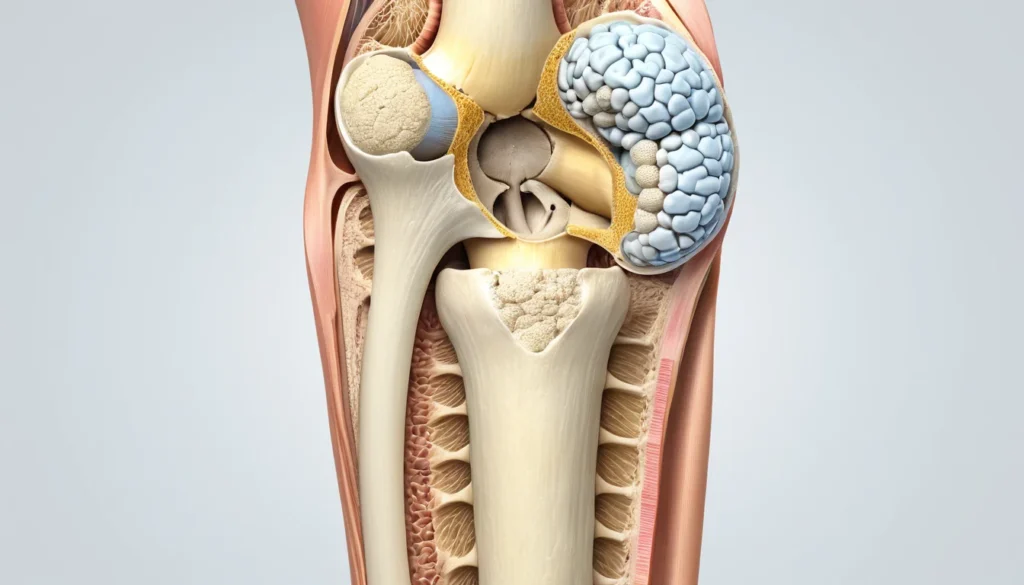
Multiple hereditary exostoses — also known as diaphyseal aclasis or hereditary multiple exostoses — is a congenital condition.
Evidence-based guides to diseases and medical conditions affecting Canadians — from heart and cancer to digestive, kidney, and hormonal health. reviewed by our editorial team.
Multiple hereditary exostoses — also known as diaphyseal aclasis or hereditary multiple exostoses — is a congenital condition.
Uric acid is a chemical compound that contains nitrogen. Your body produces it every day as it breaks down purines — building …
Non-alcoholic fatty liver disease is an umbrella term for a range of liver conditions caused by excess fat in the liver. It is not …
In this condition, fibrous (scar) tissue grows both on the surface and inside the liver. This scarring interferes with how the …
GABA is an amino acid that your brain makes on its own. It works as a neurotransmitter, which means it carries messages between …
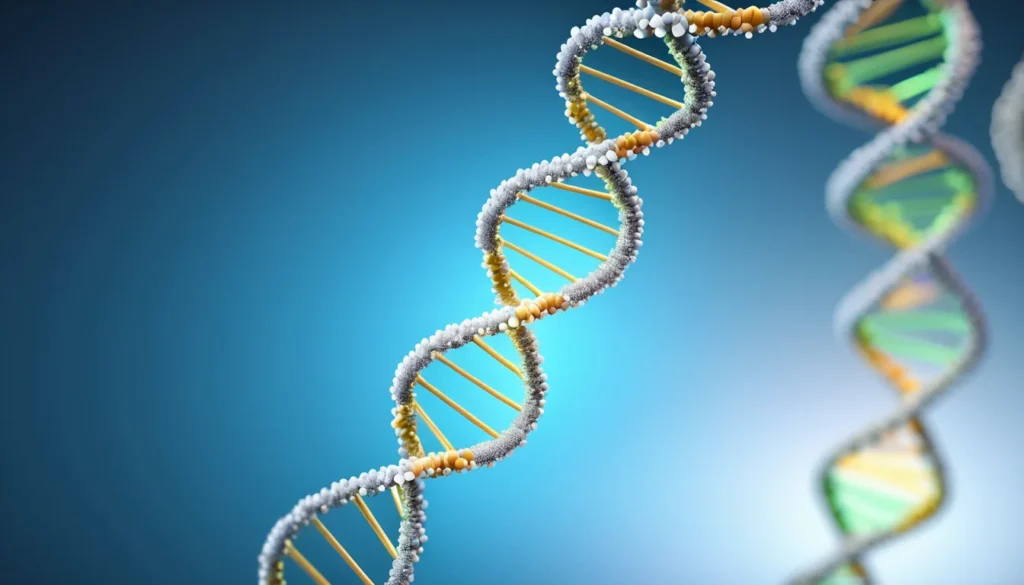
The full name, deoxyribonucleic acid, sounds complicated. However, the basic idea is simple. DNA is a chemical that carries …
Think of calcitonin as a traffic controller for calcium. It directs calcium out of the bloodstream and into your bones, where it …
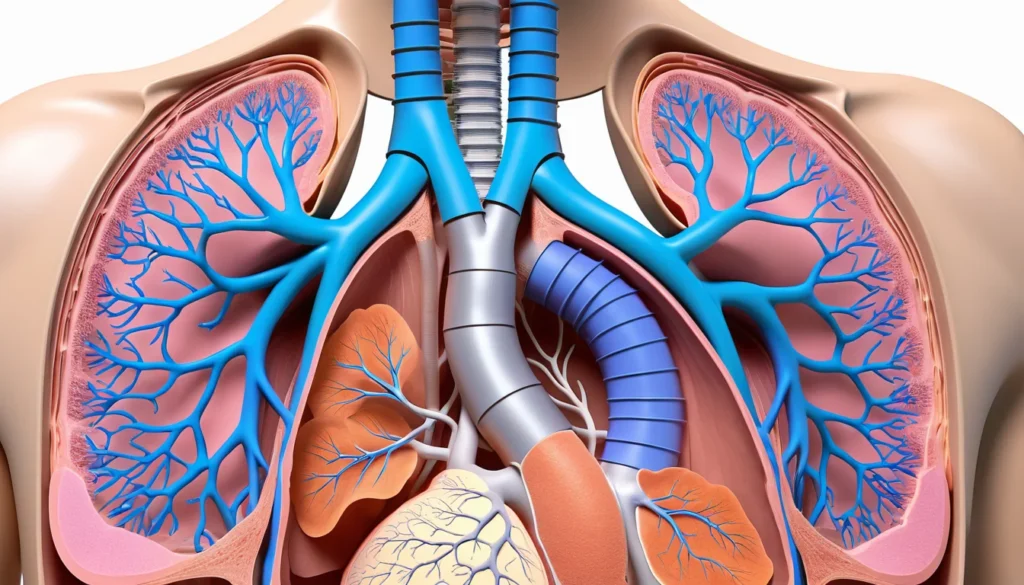
A bronchodilator is a medication that opens up the airways in your lungs. It works by relaxing the muscles around the bronchial …
Adipocere is sometimes called “corpse wax” or “grave wax.” It forms primarily from the fatty acids found in body tissue.
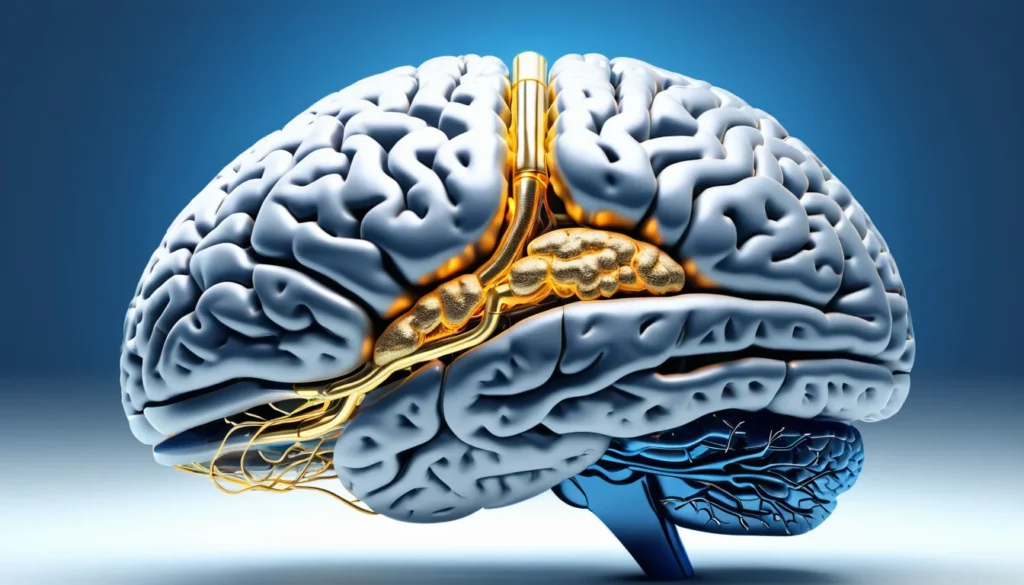
Addiction is more than a bad habit or a lack of willpower. It is a medical condition that changes how the brain works.