General Health
Hypodermis: What Your Deepest Skin Layer Does
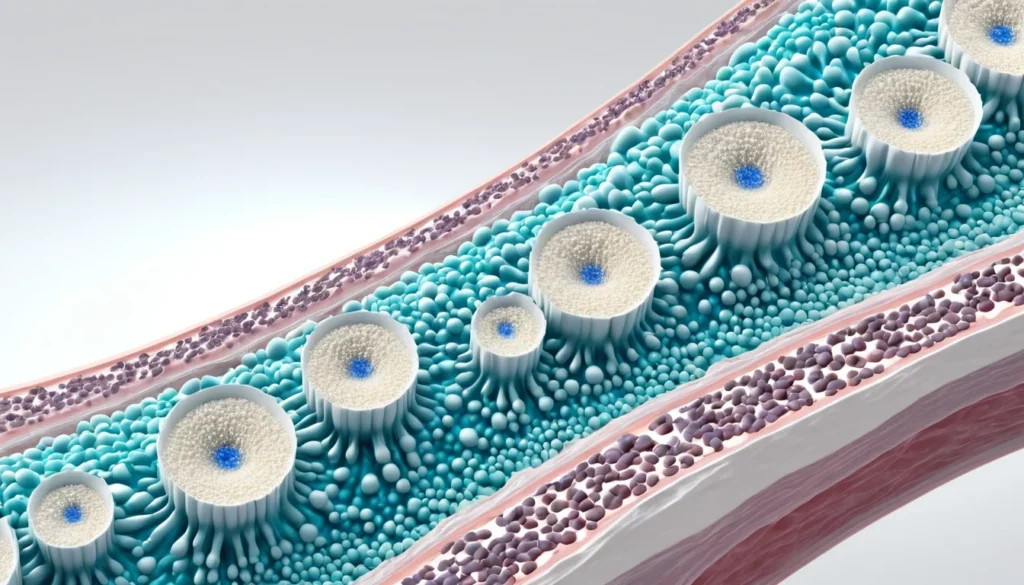
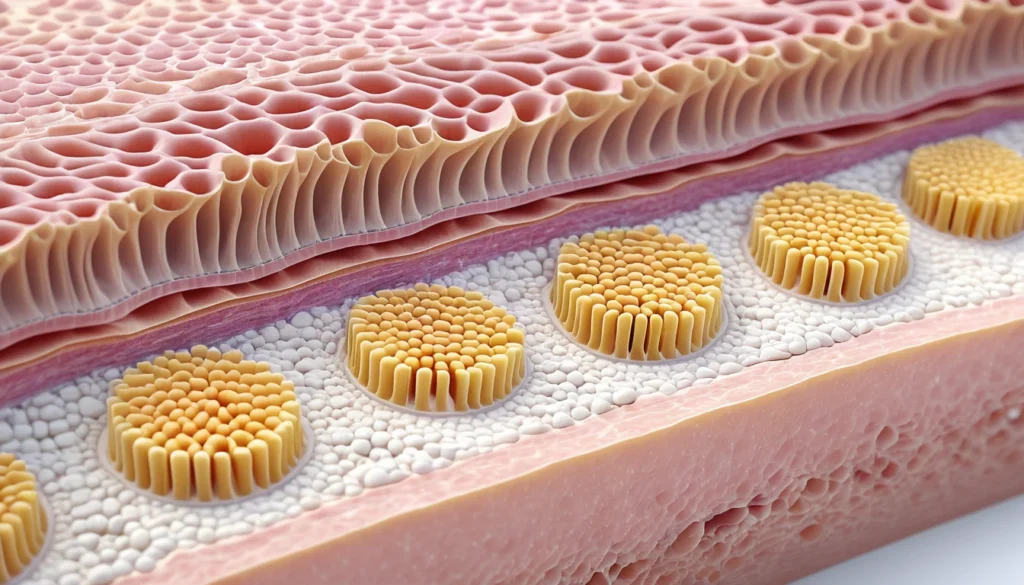
The hypodermis is the deepest layer of your skin. It sits just below the dermis and above your muscles and bones.
Evidence-based guides to diseases and medical conditions affecting Canadians — from heart and cancer to digestive, kidney, and hormonal health. reviewed by our editorial team.
The hypodermis is the deepest layer of your skin. It sits just below the dermis and above your muscles and bones.
Calcium is one of the most important minerals in your body. It keeps your bones strong, helps your muscles contract, and supports …
Uric acid is a natural waste product. Your body makes it when it breaks down substances called purines, which are found in many …
Your portal vein does an important job. It collects blood from your stomach, small intestine, colon, spleen, and pancreas, and …
The spleen is a small, fist-sized organ on the left side of your abdomen. It plays an important role in filtering your blood and …
Hyperemia is the medical term for an excess of blood in the vessels of a particular organ or tissue.
Your liver is one of the hardest-working organs in your body. It filters your blood, produces bile, and helps break down nutrients …
Hepatitis means inflammation of the liver. The liver is one of your body’s most important organs.
Bleeding occurs when a blood vessel — an artery, vein, or small capillary — is damaged or broken. Blood then leaks out of its …
Eye bleeding is a broad term for any situation where blood escapes from a blood vessel inside or on the surface of the eye.