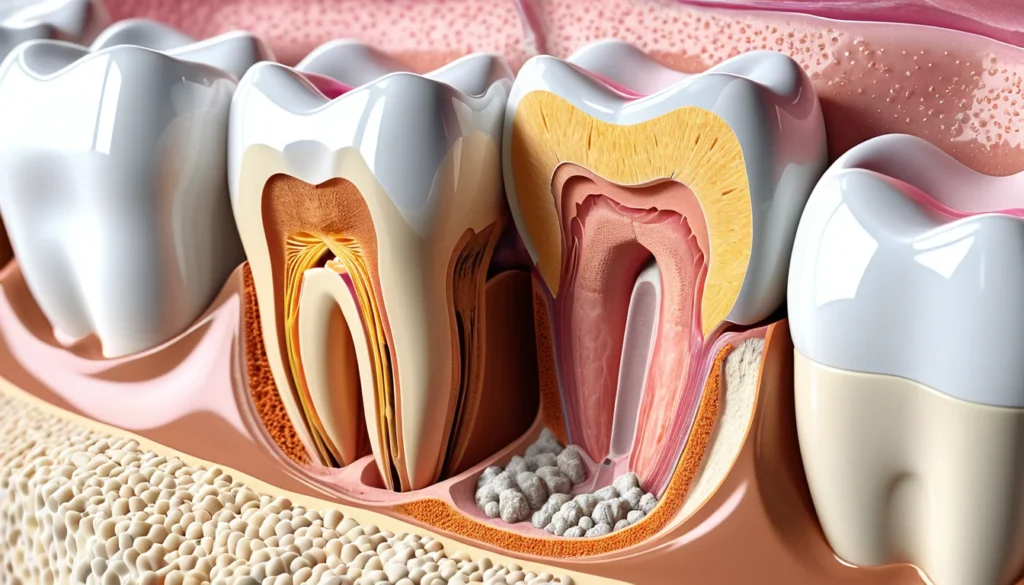
Tooth decay is one of the most common health problems in Canada, affecting children and adults alike. It happens when bacteria in your mouth produce acids that slowly damage your teeth. Left untreated, tooth decay can lead to pain, infection, and even tooth loss. The good news is that it is largely preventable with simple daily habits and regular visits to your dentist.
What Is Tooth Decay?
Tooth decay occurs when the hard outer surface of your tooth — called enamel — gets damaged by acid. This acid comes from bacteria that live in your mouth. When you eat or drink, especially sugary foods, these bacteria produce acid as a by-product.
Over time, the acid wears away the enamel and creates a hole, known as a cavity. If the cavity grows deeper, it can reach the inner layers of the tooth and cause serious pain or infection. According to the World Health Organization, oral diseases like tooth decay affect nearly 3.5 billion people worldwide.
What Causes Tooth Decay?
The main cause of tooth decay is a sticky film called plaque. Plaque forms on your teeth and gums when bacteria mix with food particles. When you eat sugary or starchy foods, the bacteria in plaque produce acid that attacks your teeth for up to 20 minutes after eating.
The more often you eat sugary foods, the more often your teeth are under acid attack. Some foods are especially harmful because they stick to the teeth. These include raisins, sugar-coated cereals, caramel, cakes, and cookies.
Low Fluoride Exposure
Fluoride is a natural mineral that strengthens tooth enamel. Many Canadian municipalities add fluoride to tap water, which helps protect teeth. However, if your local water supply has low fluoride levels, your teeth may be more vulnerable to decay. Using a fluoride toothpaste every day helps make up for this.
Bacteria Passed Between People
Cavity-causing bacteria can spread from person to person. This often happens when parents and children share utensils, cups, or food. Even a kiss can transfer saliva that contains these bacteria. Good oral health habits within the whole family help reduce this risk.
Risk Factors for Tooth Decay
Some risk factors are within your control. Others are not. Understanding both can help you take the right steps to protect your teeth.
Risk Factors You Can Control
Poor brushing and flossing habits: Skipping daily brushing and flossing allows plaque to build up on your teeth and along the gumline.
High sugar diet: Eating and drinking sugary foods frequently gives bacteria more fuel to produce harmful acids.
Skipping dental checkups: Regular professional cleanings remove plaque and tartar that brushing alone cannot reach. Your dentist can also catch early signs of tooth decay before they worsen.
Smoking or using tobacco: Tobacco use in any form — including second-hand smoke — increases the risk of tooth decay and gum disease.
Alcohol consumption: Alcohol can dry out the mouth and increase the risk of decay over time.
Risk Factors You Cannot Control
Dry mouth (xerostomia): Saliva naturally washes away food and neutralises acid. Some medications — including those for high blood pressure, depression, and colds — reduce saliva production. Older adults are especially affected by dry mouth.
Age: Children’s teeth are still developing and may be more vulnerable to acid damage. Older adults often experience gum recession, which exposes the softer root surfaces of teeth to decay.
Diabetes: People living with diabetes have a weakened immune system, which makes them more susceptible to infections, including those that affect the mouth and teeth.
Breathing through the mouth: Conditions like allergic rhinitis can cause mouth breathing, which dries out saliva and reduces its protective effect.
Certain oral bacteria: Some people naturally carry higher levels of decay-causing bacteria in their mouths.
Medications containing sugar: Some liquid medicines and throat lozenges contain added sugar, which feeds bacteria.
Special Risk Factors for Children
Bottle feeding at bedtime: Putting a baby to bed with a bottle of juice, milk, or formula exposes their teeth to sugar for hours. This is called baby bottle tooth decay.
Shared utensils: Newborns are not born with cavity-causing bacteria, but they can pick it up easily from parents or caregivers through shared spoons or cups.
Second-hand smoke exposure: Children who are regularly exposed to second-hand smoke have a higher chance of developing tooth decay.
Symptoms of Tooth Decay
In its earliest stages, tooth decay often causes no symptoms at all. This is why regular dental checkups are so important — your dentist can spot problems before you feel them. However, as decay progresses, you may notice the following signs.
Toothache or pain, especially when biting down
Sensitivity to hot, cold, or sweet foods and drinks
White, grey, brown, or black spots on a tooth
A visible hole or pit in the tooth
Bad breath or an unpleasant taste in your mouth
Pain when chewing gum or food
Sensitivity when breathing in cold air
In more advanced cases, tooth decay can lead to a dental abscess — a pocket of pus that forms at the root of the tooth. Signs of an abscess include a throbbing or deep pain, swelling of the cheek or jaw, swollen lymph nodes, and fever. An abscess is a dental emergency and needs prompt treatment.
How Tooth Decay Develops
Tooth decay is a slow process that can take months or even years to develop fully. Understanding how it progresses helps you take action at the right time.
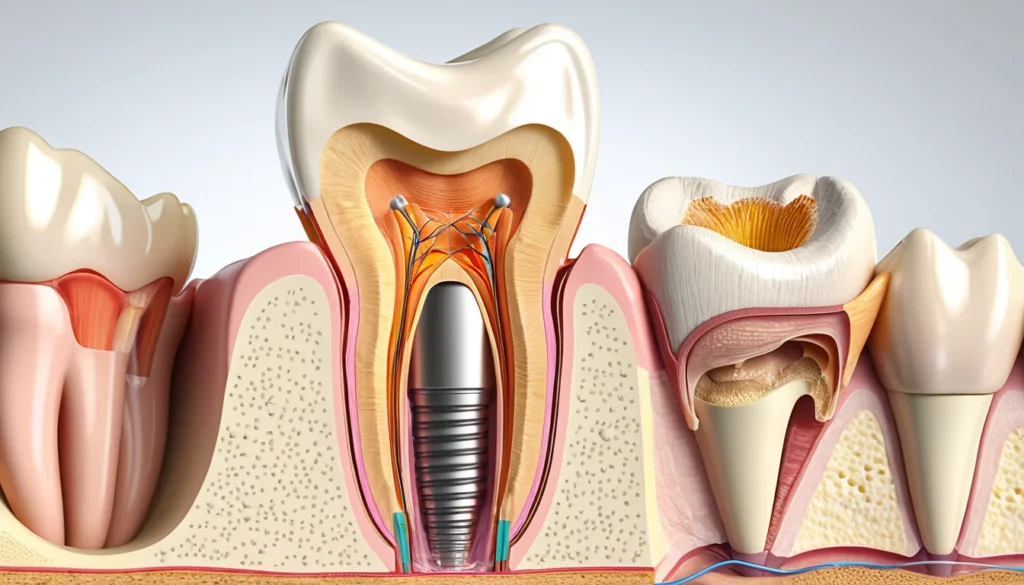
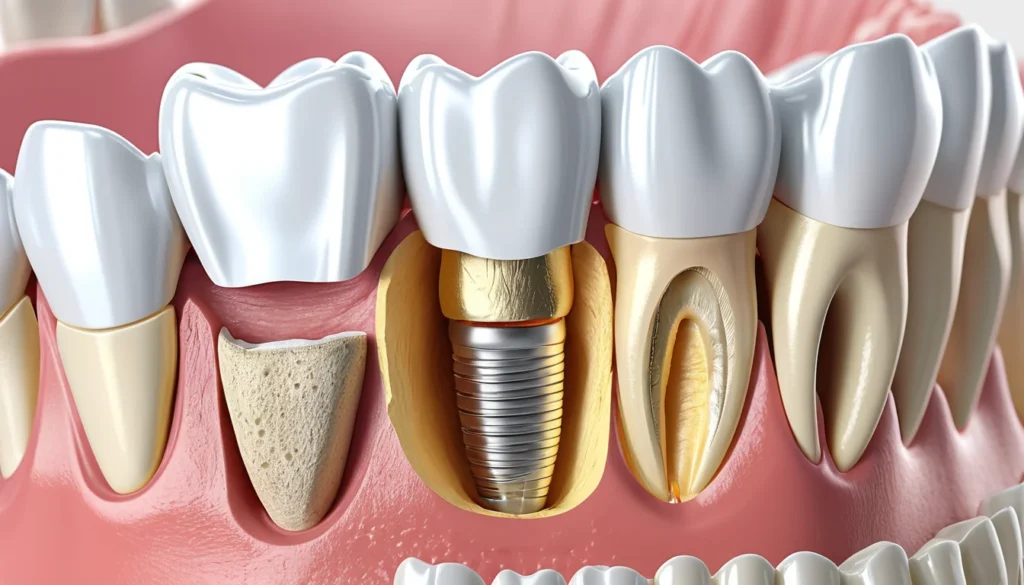
A tooth has three main layers. The outer layer is enamel — the hardest substance in the human body. Beneath that is dentine, a softer layer. At the centre is the pulp, which contains nerves and blood vessels.
Decay begins when bacteria increase their acid output in the 20 to 30 minutes after a meal. This acid attacks the enamel. At first, the tooth can repair itself using minerals from saliva and fluoride. However, if acid attacks happen too often, the enamel breaks down and a cavity forms.
As the cavity grows deeper, it moves through the dentine toward the pulp. When the pulp becomes infected, you will likely feel significant pain. At this stage, a root canal or extraction may be necessary. Mayo Clinic explains the full progression of cavities in detail for anyone who wants to learn more.
How to Prevent Tooth Decay
Preventing tooth decay is simpler than treating it. These habits, when practised consistently, make a real difference for people of all ages.
Daily Oral Hygiene
Brush your teeth at least twice a day — morning and before bed — using a fluoride toothpaste. Floss once a day to remove plaque and food particles from between your teeth, where your toothbrush cannot reach. Replace your toothbrush every three to four months.
Watch What You Eat and Drink
Limit sugary snacks and drinks, especially between meals. When you do eat something sweet, try to brush afterward or rinse your mouth with water. Drinking tap water is a great habit — in many Canadian communities, it contains fluoride that helps protect your teeth throughout the day.
Regular Dental Visits
Visit your dentist for a checkup and professional cleaning at least once a year, or as recommended. Most provincial health plans in Canada cover some dental services for children. If cost is a barrier for adults, ask your dentist about payment plans, or look into community dental programmes in your area.
Dental Sealants and Fluoride Treatments
Dental sealants are thin protective coatings applied to the chewing surfaces of back teeth. They are especially useful for children and teenagers. Your dentist may also apply fluoride varnish during a visit to give extra protection against tooth decay. Health Canada provides guidance on fluoride and dental health for Canadians.
When to See a Doctor or Dentist
If you notice any tooth pain, sensitivity, or visible spots on your teeth, it is time to book an appointment. Do not wait for the pain to get worse — early treatment is easier, less expensive, and less invasive.
You can see your family dentist, visit a walk-in dental clinic, or ask your family doctor for a referral. If you do not have a regular dentist, your provincial health authority website can help you find one near you.
Seek urgent care if you have signs of a dental abscess, such as severe throbbing pain, facial swelling, fever, or swollen glands. An abscess will not go away on its own and can become a serious health risk if left untreated.
As always, speak with your family doctor or dentist about any concerns specific to your oral health. This article is for general information only and is not a substitute for professional medical advice.
Frequently Asked Questions About Tooth Decay
What are the first signs of tooth decay?
In its early stages, tooth decay may cause no symptoms at all. As it progresses, you might notice white or brown spots on a tooth, mild sensitivity to sweets or cold drinks, or a dull ache. Seeing your dentist regularly helps catch decay before it causes noticeable pain.
Can tooth decay be reversed?
Very early tooth decay — before a cavity fully forms — can sometimes be reversed with fluoride treatments and improved oral hygiene. Once a cavity has developed, however, the damaged tooth structure cannot grow back and will need to be treated by a dentist. This is why early detection matters so much.
How long does it take for tooth decay to develop?
Tooth decay is a slow process that typically develops over months or even years. The exact timeline depends on your diet, oral hygiene habits, fluoride exposure, and individual factors like saliva production. Regular dental checkups allow your dentist to catch and treat decay in its earliest stages.
Is tooth decay contagious?
The bacteria that cause tooth decay can be passed from one person to another through saliva. This most often happens when parents share spoons, cups, or food with young children, or through kissing. Maintaining good oral health as a family helps reduce the chance of spreading these bacteria.
Does Canada’s public health coverage include dental care for tooth decay?
Dental coverage in Canada varies by province. Many provincial health plans cover some dental services for children, and the federal Canadian Dental Care Plan has expanded access for eligible Canadians. Ask your family doctor or visit your provincial health authority’s website to find out what coverage you may qualify for.
What foods cause tooth decay the most?
Sticky and sugary foods are the biggest contributors to tooth decay because they cling to teeth and give bacteria more time to produce harmful acid. The worst offenders include caramel, raisins, sugar-coated cereals, soft drinks, and fruit juices. Limiting these foods and rinsing with water after eating them can help protect your teeth.
Key Takeaways
Tooth decay is caused by acid-producing bacteria that damage tooth enamel over time.
Sugary and sticky foods are the biggest dietary contributors to cavities.
Brushing twice daily with fluoride toothpaste and flossing every day are your best defences.
Regular dental checkups — at least once a year — allow early detection and simpler treatment.
Decay-causing bacteria can spread between family members through shared utensils or saliva.
Children, older adults, and people with diabetes or dry mouth face a higher risk.
Signs of a dental abscess — including fever, facial swelling, and severe pain — require urgent care.
If cost is a barrier to dental care, ask about provincial programmes or community dental clinics in your area.