Tonsil stones are small, hard deposits that form in the pockets of your tonsils. They are more common than most people realize, and they can cause bad breath, throat discomfort, and even ear pain. This article explains what tonsil stones are, what causes them, and how they are treated in Canada.
What Are Tonsil Stones?
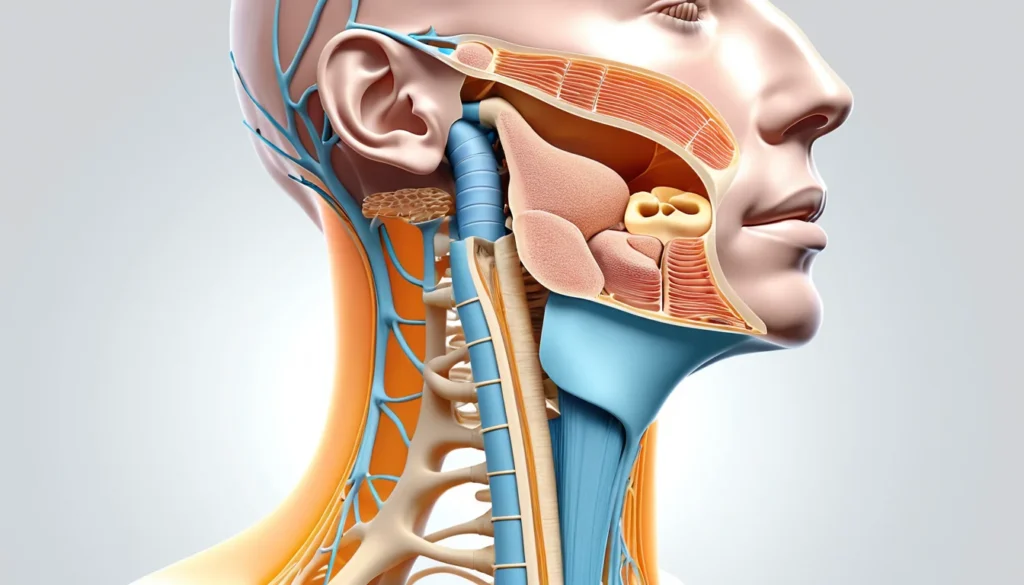
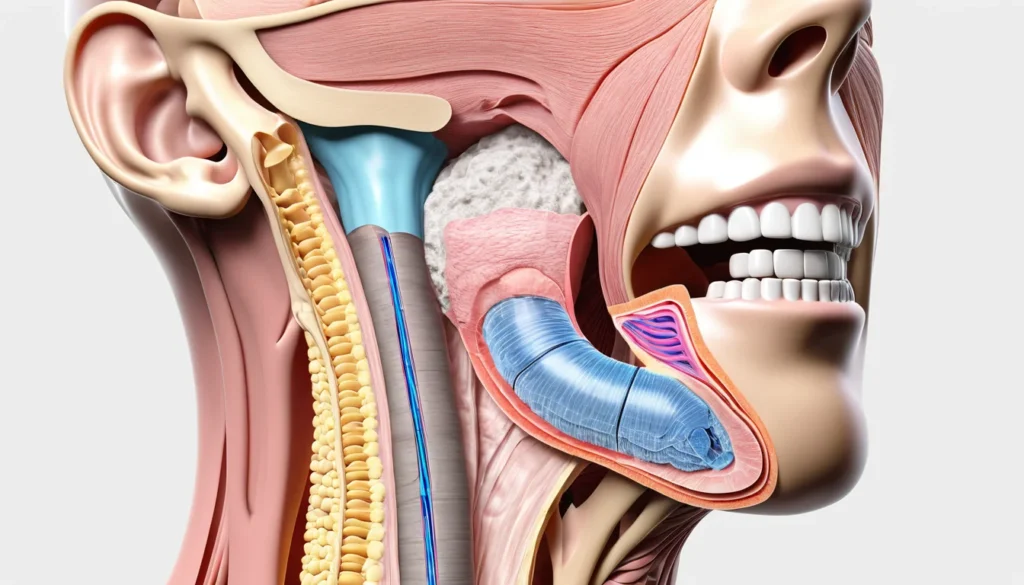
Your tonsils are two small, gland-like structures at the back of your throat — one on each side. They are made of tissue that contains lymphocytes, which are white blood cells that help fight infection.
Many experts believe the tonsils act as a first line of defence. They trap bacteria and viruses that enter your body through your throat. However, this same function can sometimes cause problems.
The surface of your tonsils is not smooth. It is covered in small pockets and folds, called crypts. Bacteria, dead cells, and mucus can get trapped in these crypts. Over time, this material can harden and calcify, forming what we call tonsil stones — also known as tonsilloliths.
Most tonsil stones are small and cause no symptoms at all. In fact, many people never know they have them. However, larger stones can cause noticeable and sometimes uncomfortable symptoms.
What Causes Tonsil Stones to Form?
Doctors and researchers do not fully understand why some people develop tonsil stones and others do not. However, there are a few well-known risk factors.
Chronic Tonsil Infections
People who have had repeated bouts of tonsillitis — inflammation of the tonsils — are more likely to develop tonsil stones. Frequent infections cause scar tissue to build up over time. This extra tissue creates deeper pockets where debris can collect and harden.
Poor Oral Hygiene
Bacteria in the mouth play a big role in forming tonsil stones. When oral hygiene is poor, more bacteria build up in the throat area. This increases the chance that material will collect in the tonsil crypts and eventually calcify.
Large or Irregular Tonsils
Some people naturally have larger tonsils with deeper crypts. This gives more space for debris to accumulate. As a result, these individuals may be more prone to developing tonsil stones, even with good oral hygiene.
Salts found in saliva also contribute to the process. Over time, saliva minerals can bind to the collected debris and cause it to harden into a stone. The stone continues to grow as more bacteria and dead cells accumulate around it.
Common Symptoms of Tonsil Stones
Many small tonsil stones produce no symptoms at all. They are often discovered by accident during a dental exam or an imaging scan done for another reason. However, larger stones can cause a range of symptoms.
Bad Breath (Halitosis)
One of the most common signs of tonsil stones is persistent bad breath. The bacteria trapped in tonsil stones produce sulphur compounds, which have a strong, unpleasant odour. Research has shown that up to 75% of people with high levels of these sulphur compounds in their breath also had tonsil stones.
Sore Throat and Discomfort
A tonsil stone can cause a dull ache or sharp pain in the throat, depending on its size and location. If a tonsil infection is also present, it can be difficult to tell whether the pain comes from the stone or the infection itself.
Difficulty Swallowing
Larger tonsil stones can make swallowing food or liquids uncomfortable or even painful. This symptom tends to be more noticeable when the stone is positioned at the back of the throat.
Ear Pain
Tonsil stones can sometimes cause referred pain in the ear. This happens because the tonsils and the ear share some of the same nerve pathways. Even if the stone is not near your ear, you may feel pain there.
Swollen Tonsils and White Patches
In some cases, you can see a tonsil stone as a small white or yellowish lump at the back of the throat. The tonsils themselves may also appear swollen or inflamed. However, many stones are hidden deep in the tonsil crypts and are not visible to the naked eye.
How Are Tonsil Stones Diagnosed?
A family doctor or walk-in clinic physician can often diagnose tonsil stones simply by looking at the back of your throat. In many cases, no further testing is needed.
However, if the stones are not clearly visible, your doctor may recommend imaging. An X-ray or CT scan can confirm the presence of tonsil stones and show their exact size and location. This is especially useful when stones are deeply embedded in the tonsil tissue.
According to the Mayo Clinic’s overview of tonsil stones, most tonsil stones are found incidentally during imaging done for unrelated reasons. This confirms how often they go unnoticed.
Treatment Options for Tonsil Stones
Treatment depends on the size of the stones and whether they are causing symptoms. In many cases, no treatment is needed at all.
No Treatment Required
Small tonsil stones that cause no symptoms often do not need any medical attention. Many stones dissolve or dislodge on their own over time. If you have no pain, no swelling, and no bad breath, watchful waiting is a perfectly reasonable approach.
Saltwater Gargling
Gargling with warm salt water is a simple and effective way to ease throat discomfort. It can also help loosen small tonsil stones and reduce the bacteria in the area. Mix about half a teaspoon of salt into a glass of warm water and gargle for 30 seconds, several times a day.
Antibiotics
In some cases, a doctor may prescribe antibiotics to reduce the bacterial activity around tonsil stones. However, antibiotics do not remove the stones themselves. They also do not fix the underlying cause. Furthermore, overuse of antibiotics can lead to resistance, so they are not always the first choice. Health Canada’s guidance on antibiotic resistance explains why it is important to use antibiotics only when truly necessary.
Manual Removal
A doctor can sometimes remove a visible tonsil stone manually during an office visit. This is a relatively simple procedure that can be done with a local anaesthetic. It is quick and usually causes minimal discomfort.
Surgical Removal
If tonsil stones are very large, deeply embedded, or keep coming back, surgery may be recommended. In some cases, the stone alone is removed. In more serious cases, a tonsillectomy — the complete removal of the tonsils — may be the best long-term solution.
Research published on Healthline’s tonsil stones resource page notes that tonsillectomy is the only permanent cure for tonsil stones, since there are no tonsils left to develop new stones.
Improved Oral Hygiene
Brushing your teeth twice a day, flossing regularly, and cleaning your tongue can reduce the bacteria in your mouth. This may help prevent new tonsil stones from forming. Staying well hydrated also helps, as a dry mouth encourages bacterial growth.
When to See a Doctor
Many cases of tonsil stones are mild and can be managed at home. However, there are times when it is important to seek professional care.
You should visit your family doctor or a walk-in clinic if you notice any of the following:
Persistent bad breath that does not improve with good oral hygiene
A visible white or yellow lump at the back of your throat
Ongoing throat pain or difficulty swallowing
Swollen or inflamed tonsils that do not improve within a few days
Ear pain with no obvious cause
Recurring tonsil infections (tonsillitis)
Your family doctor can examine your throat and recommend the right course of action. If you do not have a family doctor, a walk-in clinic is a good first step. In Canada, most diagnostic visits and referrals for tonsil-related conditions are covered under provincial health plans, though coverage for elective procedures like tonsillectomy may vary by province.
As always, this article is for general information only. Please speak with a qualified healthcare provider before starting any treatment for tonsil stones or any other health concern.
Frequently Asked Questions About Tonsil Stones
Are tonsil stones dangerous?
Tonsil stones are generally not dangerous. Most are small and cause no symptoms at all. However, large tonsil stones can cause significant discomfort and may signal an underlying issue with chronic tonsil infections, so it is worth mentioning them to your doctor.
Can tonsil stones go away on their own?
Yes, small tonsil stones often dislodge and disappear on their own, especially when you cough or gargle. However, larger or deeply embedded tonsil stones are less likely to resolve without some form of treatment.
What do tonsil stones smell like?
Tonsil stones have a strong, unpleasant odour caused by sulphur-producing bacteria. This smell is often described as similar to rotten eggs or very stale breath. It is one of the most noticeable symptoms of tonsil stones for many people.
How can I prevent tonsil stones from forming?
Good oral hygiene is the best way to reduce your risk of developing tonsil stones. Brushing twice daily, cleaning your tongue, flossing, and drinking plenty of water can all help limit the bacterial build-up that leads to stone formation.
Should I try to remove tonsil stones at home?
It is generally not recommended to try to remove tonsil stones at home using hard or sharp objects, as this can damage the delicate tonsil tissue and cause bleeding or infection. Gargling with salt water is a safe home remedy, but for stubborn stones, it is best to see a doctor.
Is tonsil stone removal covered by provincial health plans in Canada?
A doctor’s visit to diagnose and manually remove a tonsil stone is typically covered under provincial health plans. However, surgical procedures like tonsillectomy may require a referral and coverage can vary depending on your province. Check with your provincial health authority or family doctor for details specific to your situation.
Key Takeaways
Tonsil stones are hardened deposits that form in the pockets of the tonsils.
They are caused by trapped bacteria, dead cells, and mucus that calcify over time.
Common symptoms include bad breath, sore throat, difficulty swallowing, and ear pain.
Many tonsil stones cause no symptoms and require no treatment.
Treatment options range from saltwater gargling to surgical removal, depending on severity.
Good oral hygiene and staying hydrated may help prevent tonsil stones from forming.
If you have persistent symptoms, visit your family doctor or a local walk-in clinic for an assessment.