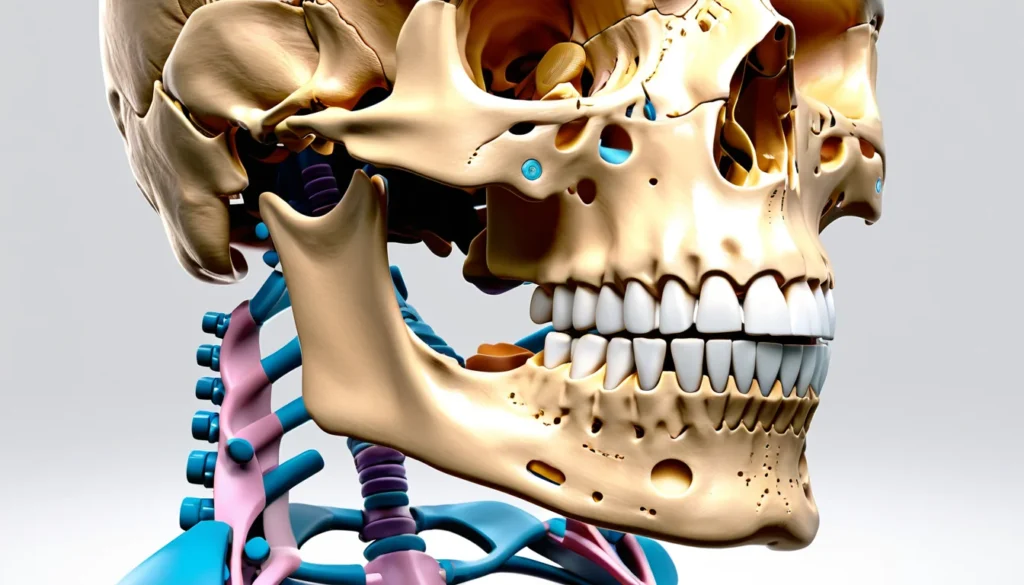
TMJ disorder is a condition that affects the temporomandibular joint — the hinge connecting your jaw to your skull. It can cause pain, clicking sounds, and difficulty chewing or speaking. This article explains what TMJ disorder is, what causes it, and what treatment options are available to Canadians.
What Is TMJ Disorder?
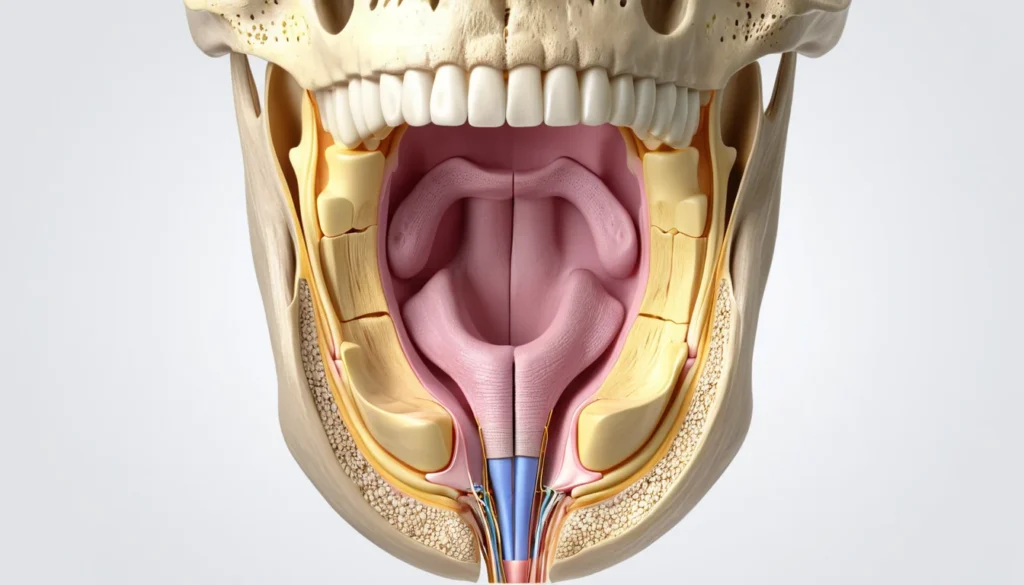
The temporomandibular joint (TMJ) connects your lower jaw (mandible) to the temporal bone on the side of your skull. You can feel this joint by placing your fingers just in front of your ears and opening your mouth.
When you open your mouth, rounded ends of the lower jaw — called condyles — glide along a curved surface in the temporal bone. A small disc sits between the two bones and acts as a cushion. This disc absorbs pressure and keeps movement smooth.
When something goes wrong with this joint, its surrounding muscles, or the disc itself, the result is a TMJ disorder. According to the Mayo Clinic, TMJ disorders are common and affect more women than men — roughly at a 2:1 ratio.
Types of TMJ Disorder
TMJ disorders generally fall into three main categories. Understanding the type you have helps guide the right treatment.
Muscle-Related TMJ Disorder
This is the most common type. It involves pain in the muscles that control jaw movement. Stress, teeth grinding, and poor posture can all trigger muscle-related TMJ disorder.
Joint Injury and Disc Problems
Injuries to the disc inside the joint can cause it to shift out of place. This can result in clicking, locking, or limited jaw movement. In severe cases, a dislocation or fracture of the condyle may occur.
Inflammatory and Degenerative Conditions
Conditions like arthritis can also affect the TMJ. These include infectious arthritis, rheumatoid arthritis, and degenerative joint disease. These types tend to worsen over time without proper treatment.
Common Causes of TMJ Disorder
Several factors can lead to a TMJ disorder. In many cases, more than one cause is involved at the same time.
Bruxism (Teeth Grinding)
Bruxism is the habit of grinding or clenching your teeth, often during sleep. It puts enormous pressure on the TMJ and surrounding muscles. Over time, this can seriously damage the joint.
If you grind your teeth at night, your dentist can fit you with a custom night guard. This small plastic device protects your teeth and reduces stress on the joint. Many dental offices across Canada offer this service, and some provincial dental plans may help cover the cost.
Physical Trauma
A strong blow to the chin or jaw — for example, during a sports injury or car accident — can damage the disc inside the joint. In serious cases, it can fracture the condyle. Therefore, wearing proper protective gear during contact sports is very important.
Uneven Bite (Malocclusion)
An uneven bite means your upper and lower teeth do not meet properly. This can happen for several reasons:
Missing teeth that were never replaced, causing nearby teeth to shift
Misaligned teeth that need orthodontic treatment
Poorly fitted dental restorations, such as crowns, fillings, or bridges
In addition, dental work that is slightly “too high” can throw off your bite and strain the TMJ. If a filling or crown feels off after a dental visit, ask your dentist to adjust it right away.
Stress and Anxiety
Stress can cause people to clench their jaw or tense their facial muscles without realising it. Over time, this muscle tension contributes to TMJ disorder. Managing stress through relaxation techniques, exercise, and sleep can make a real difference.
Symptoms of TMJ Disorder
The symptoms of TMJ disorder can range from mild to severe. Some people experience only occasional discomfort, while others deal with daily pain that affects their quality of life.
Primary Symptoms
The most common symptom is jaw pain or tenderness. This pain may appear when chewing, speaking, or simply opening your mouth wide. You might also notice:
A clicking, popping, or grating sound when you move your jaw
Difficulty or discomfort when chewing
Your jaw locking open or shut
A feeling that your bite has changed or feels “off”
Muscle fatigue around the jaw
Secondary Symptoms
TMJ disorder can also cause symptoms that seem unrelated to the jaw. These secondary symptoms are easy to overlook or misattribute to other conditions. They include:
Headaches, especially in the morning
Earaches or a feeling of fullness in the ear
Dizziness or a mild ringing in the ears (tinnitus)
Neck and shoulder tension
As a result, some people with TMJ disorder are treated for headaches or ear problems for months before the real cause is found. If you have ongoing jaw pain along with any of these symptoms, speak to your family doctor or dentist.
How Is TMJ Disorder Diagnosed?
There is no single test for TMJ disorder. Your dentist or doctor will usually begin with a physical exam. They will check your jaw for pain, clicking, and range of motion.
They may also ask about your dental history, stress levels, and sleeping habits. In some cases, imaging tests like X-rays, CT scans, or MRI scans are used to get a clearer picture of the joint. Healthline explains the diagnostic process for TMJ disorders in more detail if you want to learn what to expect.
Treatment Options for TMJ Disorder
TMJ disorder treatment depends on the cause and severity of your condition. In many cases, a combination of approaches works best. However, it is important to know that full recovery is not always possible, and the goal is often to manage symptoms and improve quality of life.
Non-Surgical Treatments
Most people with TMJ disorder improve with non-surgical methods. These are usually the first line of treatment and include:
Night guards or splints: Custom-fitted oral devices that prevent teeth grinding and reduce jaw strain during sleep
Physiotherapy: Exercises to stretch and strengthen jaw muscles and improve joint mobility
Medications: Anti-inflammatory drugs, muscle relaxants, or low-dose antidepressants may help manage pain and muscle tension
Heat and cold therapy: Applying a warm compress or ice pack to the jaw area can ease pain and reduce swelling
Stress management: Relaxation techniques, counselling, or cognitive behavioural therapy (CBT) can reduce jaw clenching caused by anxiety
Dental and Orthodontic Treatment
If an uneven bite is causing your TMJ disorder, correcting it may relieve your symptoms. This could involve adjusting existing dental work, replacing missing teeth, or starting orthodontic treatment. Furthermore, any poorly fitted dental restorations should be corrected promptly.
Surgical Treatment
Surgery is reserved for severe cases that do not respond to other treatments. It may be needed for joint fractures, disc perforations, or serious dislocations. Surgical options range from minimally invasive procedures to full joint replacement. Your specialist will help you understand the risks and benefits.
For a broader overview of jaw-related conditions, Health Canada provides resources on oral health and finding dental care in your province.
When to See a Doctor
You should see your family doctor or dentist if you have jaw pain that lasts more than a few days. Do not ignore clicking or locking in your jaw, especially if it is getting worse. Early treatment can prevent the condition from becoming more serious.
If you do not have a family doctor, a walk-in clinic is a good first step. A general practitioner can assess your symptoms and refer you to a dentist, oral surgeon, or physiotherapist as needed. Depending on your province, some TMJ treatments may be partially covered under your provincial health plan — ask your provider what is available to you.
Always consult a qualified healthcare professional before starting any treatment for TMJ disorder. Self-diagnosis can delay proper care.
Frequently Asked Questions About TMJ Disorder
What does TMJ disorder feel like?
TMJ disorder most often feels like a dull ache or sharp pain near the jaw, ear, or temple. Many people also notice a clicking or popping sound when they open or close their mouth. In some cases, the jaw may feel stiff or lock in place temporarily.
Can TMJ disorder go away on its own?
Mild TMJ disorder sometimes improves on its own with rest, soft foods, and stress reduction. However, many cases require professional treatment to fully manage the symptoms. If your jaw pain lasts more than a few weeks, see your family doctor or dentist.
Is TMJ disorder serious?
TMJ disorder can range from a minor inconvenience to a condition that seriously affects daily life. Without treatment, it can lead to chronic pain, difficulty eating, and long-term joint damage. Getting an early diagnosis gives you the best chance of managing it effectively.
What triggers TMJ disorder flare-ups?
Common triggers include stress, teeth grinding, chewing hard or chewy foods, and poor jaw posture. Cold weather and fatigue can also make TMJ disorder symptoms worse. Keeping a symptom journal can help you and your doctor identify your personal triggers.
Can a dentist treat TMJ disorder?
Yes, a dentist is often the first healthcare provider to diagnose and treat TMJ disorder. They can fit you with a night guard, adjust your bite, or refer you to a specialist. In more complex cases, you may also see a physiotherapist, oral surgeon, or rheumatologist.
Does TMJ disorder affect hearing?
TMJ disorder can cause earaches, a feeling of fullness in the ear, and in some cases mild tinnitus (ringing in the ears). This happens because the TMJ sits very close to the ear canal. These symptoms often improve once the TMJ disorder is properly treated.
Key Takeaways
TMJ disorder affects the jaw joint and surrounding muscles, causing pain, clicking, and limited movement.
It is more common in women than in men.
Common causes include teeth grinding (bruxism), jaw injuries, an uneven bite, and stress.
Symptoms can include jaw pain, headaches, earaches, and dizziness.
Most cases are treated without surgery, using night guards, physiotherapy, and medications.
See your family doctor, dentist, or visit a walk-in clinic if symptoms persist or worsen.
Some treatments may be covered under your provincial health plan — check with your provider.
Always speak to a healthcare professional for a proper diagnosis and personalised treatment plan.