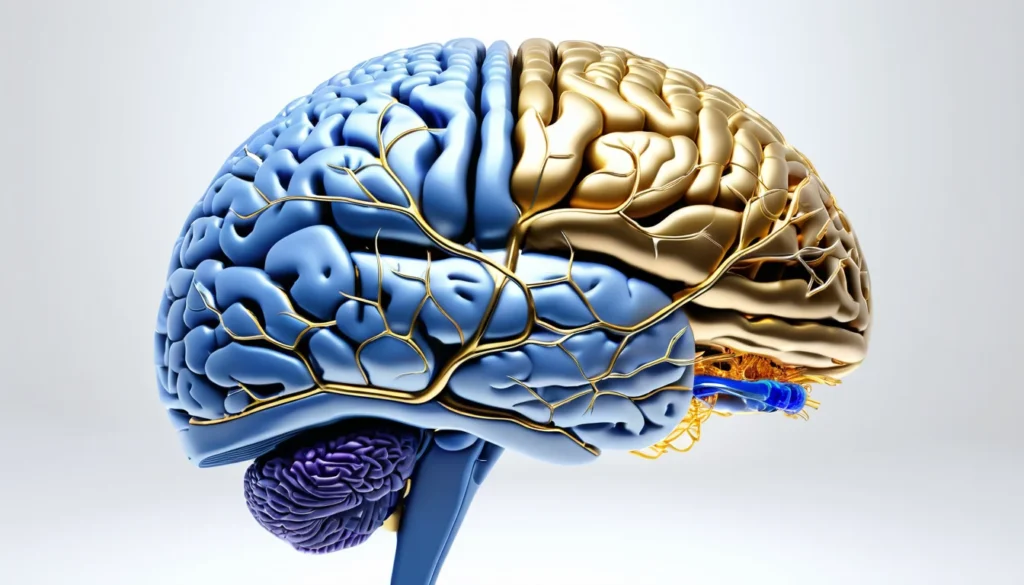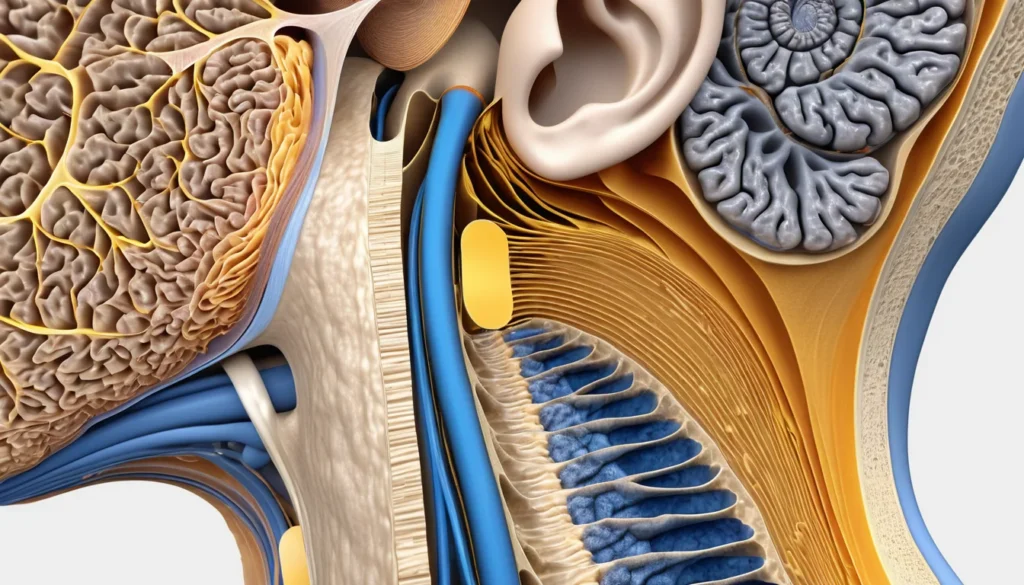
Tinnitus is the perception of sound in one or both ears when no external sound is present. You might hear ringing, buzzing, hissing, or whistling — sounds that only you can detect. Tinnitus is very common in Canada, affecting millions of people at some point in their lives. This article explains what causes tinnitus, what symptoms to watch for, and what treatment options are available to you.
What Is Tinnitus?
Tinnitus is not a disease on its own. Instead, it is a symptom — a signal that something else may be happening in your ear or auditory system. The sounds you hear can vary greatly from person to person.
Some people hear a high-pitched ringing. Others notice a low hum, a roar, or a clicking sound. These sounds can be constant or come and go. They can affect one ear, both ears, or seem to come from the centre of your head.
Doctors classify tinnitus in two main ways. Subjective tinnitus is the most common type — only you can hear the sound. Objective tinnitus is rarer, and a doctor can actually detect the sound during an examination, often using a stethoscope.
Common Causes of Tinnitus
Tinnitus can have many different causes. In most cases, it is linked to a problem somewhere in the ear or the hearing pathway. However, other health conditions and lifestyle factors can also play a role.
Understanding the cause of your tinnitus is the first step toward finding the right treatment. For more information on how the ear works and what can affect it, visit the Health Canada resource centre.
Ear-Related Causes
Many cases of tinnitus start with a problem in the outer, middle, or inner ear. These are some of the most frequent ear-related causes:
Earwax buildup: A blockage from excess earwax can press against your eardrum and trigger tinnitus.
Middle ear infections (otitis media): Acute infections can cause fluid buildup and lead to temporary tinnitus.
Otosclerosis: This condition causes abnormal bone growth in the middle ear, which can affect hearing and cause tinnitus.
Age-related hearing loss (presbycusis): As we age, the tiny hair cells in the inner ear naturally break down. This gradual hearing loss often comes with tinnitus.
Acoustic neuroma: A non-cancerous tumour on the auditory nerve can cause tinnitus, usually in one ear.
Noise-induced hearing loss: Repeated exposure to loud noise — at concerts, on construction sites, or through headphones — is a leading cause of tinnitus in younger Canadians.
Other Health-Related Causes
Sometimes tinnitus is linked to conditions elsewhere in the body. For example, high blood pressure, thyroid problems, and certain medications can all trigger or worsen tinnitus.
In some cases, the sound of tinnitus pulses in time with your heartbeat. Doctors call this pulsatile tinnitus. This type may have a vascular (blood vessel) origin and requires prompt medical attention.
Stress and anxiety can also make tinnitus feel louder or more noticeable. As a result, many people find that managing stress helps reduce their symptoms.
Symptoms and How Tinnitus Feels
The main symptom of tinnitus is hearing a sound that is not there. However, the way it feels can differ widely from one person to another.
Common sounds reported by people with tinnitus include:
Ringing
Buzzing or humming
Hissing or whistling
Clicking or tapping
Roaring
For many people, tinnitus is a mild annoyance. For others, it can be loud enough to interfere with sleep, concentration, and daily life. In severe cases, tinnitus can contribute to anxiety, depression, and social withdrawal.
According to the Mayo Clinic’s overview of tinnitus, about 15 to 20 percent of people experience tinnitus at some point. It is especially common in older adults and people who work in loud environments.
How Is Tinnitus Diagnosed?
There is no single test for tinnitus. Your doctor will start by asking about your symptoms and medical history. They will also examine your ears and may order a hearing test, called an audiogram.
In some cases, your family doctor may refer you to an audiologist (a hearing specialist) or an ear, nose, and throat (ENT) specialist. These professionals can run more detailed tests to pinpoint the cause of your tinnitus.
What to Expect at Your Appointment
Your doctor will likely ask questions such as:
When did the ringing start?
Is it in one ear or both?
Does the sound pulse with your heartbeat?
Are you exposed to loud noise regularly?
What medications are you currently taking?
Being prepared with this information will help your doctor find the right diagnosis faster. If you do not have a regular family doctor, most provincial health plans cover visits to walk-in clinics, where a doctor can begin the assessment process.
Tinnitus Treatment Options in Canada
Treating tinnitus can be challenging. Currently, no single treatment works for everyone. However, there are several approaches that can help manage symptoms and improve quality of life.
The right treatment depends on the underlying cause. Therefore, identifying what is driving your tinnitus is essential before starting any programme.
Treating the Underlying Cause
When a specific cause is identified, treating it can reduce or eliminate tinnitus. For example, removing a buildup of earwax, treating an ear infection, or adjusting a medication may bring relief.
If age-related hearing loss is involved, hearing aids may help. Hearing aids amplify external sounds, which can make internal tinnitus sounds less noticeable.
Sound Therapy and Masking
Sound therapy uses external noise to cover up or distract from the sounds of tinnitus. White noise machines, fans, or special tinnitus masker devices can all help. Many people also find soothing music or nature sounds helpful at bedtime.
Some audiologists offer customised sound therapy programmes that train your brain to pay less attention to the tinnitus signal over time.
Cognitive Behavioural Therapy (CBT)
CBT is a type of talk therapy that helps you change the way you think and feel about tinnitus. It does not eliminate the sound, but it can significantly reduce the distress caused by it.
In Canada, CBT is available through psychologists and therapists, and some provincial health plans may cover part of the cost. Ask your family doctor for a referral.
Tinnitus Retraining Therapy (TRT)
TRT combines sound therapy with counselling. The goal is to help your brain “retrain” itself to classify tinnitus as a neutral, non-threatening sound. Over time, many people stop noticing it as much.
This therapy is offered by some audiologists and ENT specialists across Canada. It typically takes 12 to 24 months to complete.
Medications
No medication has been proven to cure tinnitus directly. However, some medications may help manage related symptoms, such as anxiety, depression, or sleep problems.
Always speak with your doctor before starting or stopping any medication. Never self-medicate for tinnitus.
Protecting Your Hearing and Preventing Tinnitus
The best approach to tinnitus is prevention. Protecting your ears from loud noise is the single most effective step you can take.
Here are practical steps every Canadian can follow:
Wear ear protection at concerts, sporting events, and noisy workplaces.
Lower the volume when using headphones or earbuds. Follow the 60/60 rule — no more than 60% volume for no more than 60 minutes at a time.
Take listening breaks in quiet environments throughout your day.
Have your hearing checked regularly, especially after age 50 or if you work in a noisy setting.
Manage stress through exercise, mindfulness, or relaxation techniques.
Limit alcohol and caffeine, which can worsen tinnitus in some people.
Furthermore, the World Health Organization’s fact sheet on hearing loss estimates that over one billion young people worldwide are at risk of preventable hearing loss due to unsafe listening habits. Canada is actively working to raise awareness about this issue.
When to See a Doctor About Tinnitus
Many people with mild tinnitus never seek medical care. However, there are situations where you should see a doctor right away.
Visit your family doctor or a walk-in clinic if:
Tinnitus starts suddenly, especially after a head injury or sudden loud noise
The sound pulses in time with your heartbeat
You experience tinnitus in only one ear
Tinnitus is accompanied by dizziness, hearing loss, or ear pain
Your symptoms are affecting your sleep, work, or mental health
Tinnitus comes on after starting a new medication
In Canada, your family doctor is your best first point of contact. They can assess your symptoms, rule out serious causes, and refer you to a specialist if needed. If you do not have a family doctor, a walk-in clinic can start the process. Most provincial health plans cover diagnostic hearing tests when referred by a physician.
As always, please consult a qualified healthcare professional before making any decisions about your health. This article is for informational purposes only and is not a substitute for professional medical advice.
Frequently Asked Questions About Tinnitus
Can tinnitus go away on its own?
Yes, tinnitus sometimes goes away on its own, especially if it was caused by a temporary factor like a loud event or an ear infection. However, chronic tinnitus — lasting more than three months — is less likely to resolve without treatment. If your tinnitus persists, speak with your family doctor to explore your options.
Is tinnitus a sign of something serious?
In most cases, tinnitus is not a sign of a serious condition. However, tinnitus that pulses with your heartbeat, occurs in only one ear, or comes with sudden hearing loss or dizziness may indicate a condition that needs prompt medical attention. Always get a new or worsening case of tinnitus checked by a doctor.
What is the best treatment for tinnitus in Canada?
There is no single best treatment for tinnitus, as it depends on the underlying cause. Common approaches used by Canadian healthcare providers include sound therapy, cognitive behavioural therapy (CBT), and hearing aids for those with related hearing loss. Your family doctor or an audiologist can help you find the right treatment programme for your situation.
Does tinnitus get worse with age?
Tinnitus can worsen with age, largely because age-related hearing loss (presbycusis) is a major trigger. As the inner ear’s hair cells naturally decline over time, tinnitus symptoms may become more noticeable. Protecting your hearing throughout your life is the best way to reduce this risk.
Can stress make tinnitus worse?
Yes, stress and anxiety are known to make tinnitus feel louder or more intrusive. Many people notice their tinnitus more during periods of high stress. Managing stress through exercise, mindfulness, or talking to a mental health professional can help reduce its impact on your tinnitus symptoms.
Are there foods or drinks that trigger tinnitus?
Some people report that alcohol, caffeine, and high-sodium foods worsen their tinnitus, though the evidence varies from person to person. Keeping a symptom diary can help you identify personal triggers. Discuss any dietary changes with your healthcare provider to make sure they are safe and appropriate for you.
Key Takeaways
Tinnitus is the perception of sounds like ringing, buzzing, or hissing in your ears without an external source.
It can affect one or both ears, or seem to come from the centre of your head.
Common causes include earwax blockage, ear infections, noise-induced hearing loss, and age-related hearing decline.
Pulsatile tinnitus — sound that pulses with your heartbeat — may have a vascular cause and needs prompt evaluation.
No single treatment works for everyone, but sound therapy, CBT, and hearing aids can all help manage symptoms.
Protecting your hearing from loud noise is the most effective way to prevent tinnitus.
See your family doctor or visit a walk-in clinic if tinnitus is sudden, one-sided, or affecting your daily life.
Always speak with a qualified healthcare professional for a proper diagnosis and personalised treatment plan.