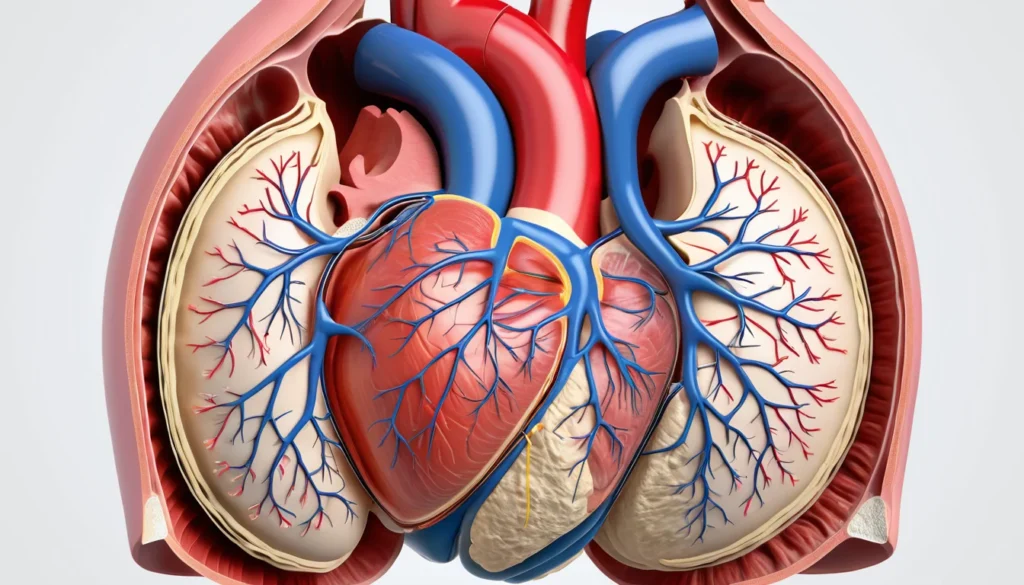
Tetralogy of Fallot is a rare but serious congenital heart defect that affects newborns from birth. It involves four structural problems in the heart that work together to reduce the amount of oxygen in the blood. As a result, babies with this condition often have a bluish tint to their skin. With early diagnosis and surgery, most children go on to live healthy, active lives.
What Is Tetralogy of Fallot?
Tetralogy of Fallot is a congenital condition, meaning it develops before birth. The word “tetralogy” refers to a group of four defects that occur together. These four problems change how blood flows through the heart and lungs.
Because of these defects, the body does not receive enough oxygen-rich blood. This is what causes the bluish colouration — called cyanosis — that many parents first notice in their newborn. In most cases, doctors diagnose this condition shortly after birth. However, some cases are not caught until the baby goes home.
For more background on congenital heart conditions, Health Canada provides general guidance on childhood health conditions.
The Four Heart Defects in Tetralogy of Fallot
Understanding the four defects helps explain why this condition affects the whole body. Each defect contributes to poor oxygen delivery.
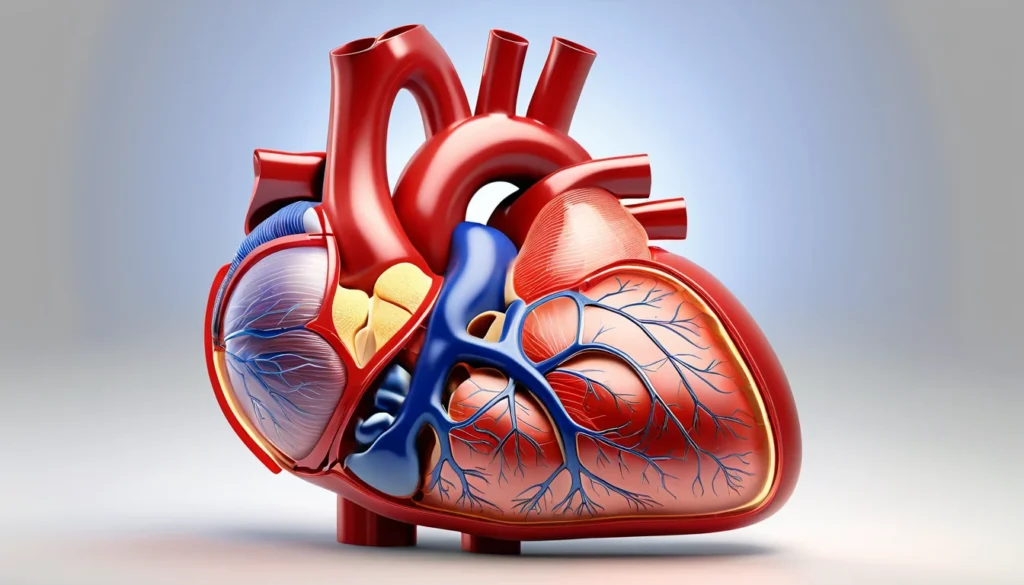
1. Pulmonary Valve Stenosis
The pulmonary valve sits between the right ventricle and the pulmonary artery. This artery carries blood to the lungs to pick up oxygen. In tetralogy of Fallot, this valve is narrowed, which restricts blood flow to the lungs. In some cases, the valve does not form at all — a condition called pulmonary valve atresia.
2. Ventricular Septal Defect
The ventricular septum is the wall that separates the left and right chambers of the heart. In tetralogy of Fallot, there is a hole in this wall. As a result, oxygen-poor blood from the right side mixes with oxygen-rich blood on the left side. This mixed blood is less effective at delivering oxygen to the body.
3. Overriding Aorta
Normally, the aorta — the body’s main artery — connects only to the left ventricle. In tetralogy of Fallot, the aorta shifts to the right. Therefore, it receives blood from both ventricles, including oxygen-poor blood from the right side.
4. Right Ventricular Hypertrophy
Because the right ventricle has to work much harder than normal, its muscular wall thickens over time. This thickening makes it harder for the heart to relax between beats. In severe cases, it can eventually lead to right-sided heart failure.
Signs and Symptoms to Watch For
The symptoms of tetralogy of Fallot can vary from baby to baby. They depend on how much blood flow is blocked and how severe the four defects are.
Common signs include:
Cyanosis — a bluish colour around the lips, mouth, or fingernails due to low oxygen levels
Rapid breathing — especially during feeding or physical activity
Poor weight gain — babies may struggle to feed and grow slowly
Fatigue and irritability — the baby tires easily and may seem fussy
Clubbing — the fingertips and toes become rounded and enlarged over time
Tet Spells: Sudden Episodes of Cyanosis
Some babies experience sudden, intense episodes of cyanosis. These are called “tet spells.” They can happen after crying, feeding, or any situation that upsets or excites the baby. During a tet spell, oxygen levels in the blood drop quickly.
Tet spells are most common in babies under four months old. If your baby has one, place them on their side and gently bring their knees up to their chest. This position can help increase blood flow to the lungs while you wait for emergency help to arrive.
What Causes Tetralogy of Fallot?
Tetralogy of Fallot develops during the early weeks of pregnancy, while the baby’s heart is forming. The exact cause is not fully understood. However, researchers have identified several risk factors that may increase the chances of a baby being born with this condition.
Risk factors related to the mother include:
Being over the age of 40 during pregnancy
Drinking alcohol during pregnancy
Poor nutrition during pregnancy, particularly low folate intake
Having a viral infection such as rubella (German measles) during pregnancy
Risk factors related to genetics include:
A family history of tetralogy of Fallot
Genetic syndromes in the baby, such as Down syndrome or DiGeorge syndrome
In addition, some children with tetralogy of Fallot may also have other heart defects, such as an atrial septal defect or abnormalities of the coronary arteries.
For a detailed overview of heart defect research, the Mayo Clinic offers in-depth information on tetralogy of Fallot causes and risk factors.
Possible Complications
Without treatment, tetralogy of Fallot leads to serious complications over time. The organs and tissues of the body do not receive enough oxygen. This can eventually cause multi-organ failure, disability, or death.
One of the more common complications before surgery is bacterial endocarditis. This is an infection of the inner lining of the heart’s chambers and valves. Doctors may prescribe preventive antibiotics to protect children until they can have surgery.
Long-Term Complications After Surgery
Most children do well right after surgery. However, some long-term complications can develop years later. It is important for parents and children to stay in close contact with a paediatric cardiologist.
Possible long-term complications include:
Pulmonary valve regurgitation — blood leaks backward through the pulmonary valve
Tricuspid valve regurgitation — leaking of blood through the tricuspid valve
Ventricular enlargement — the right or left ventricle becomes dilated
Arrhythmias — irregular heart rhythms that may require medication or further procedures
Aortic dilation or aneurysm — widening of the ascending aorta
Coronary artery disease — narrowing of the arteries that supply the heart
Regular follow-up appointments are essential. A paediatric cardiologist should monitor your child throughout childhood and into adulthood.
When to See a Doctor
Tetralogy of Fallot is often caught in the neonatal unit right after birth. However, some babies show no signs of cyanosis until they are home. If you notice any of the following, seek emergency care immediately by calling 911:
Bluish colour around the lips, mouth, or fingernails
Difficulty breathing or very fast breathing
Unexplained weakness or extreme tiredness
Fainting or seizures
These symptoms can point to tetralogy of Fallot or another serious heart condition that needs urgent attention. Do not wait to see if the symptoms improve on their own.
For concerns that are not an emergency — such as slow weight gain or mild irritability — start by speaking with your family doctor or visiting a walk-in clinic. Your doctor can refer you to a paediatric cardiologist through your provincial health plan if they feel further investigation is needed. In most provinces, this referral is covered under your provincial health insurance.
As always, speak with a qualified healthcare provider before drawing any conclusions about your child’s health. Only a doctor can provide a proper diagnosis.
Treatment Options
The main treatment for tetralogy of Fallot is open-heart surgery. Most children have surgery in the first year of life, often within the first few months. The goal of surgery is to repair all four defects and restore normal blood flow.
During surgery, the surgeon will:
Widen or replace the narrowed pulmonary valve
Patch the hole between the ventricles
Reposition or reconstruct the aorta as needed
After surgery, most children recover well and can participate in normal childhood activities. However, they will need lifelong monitoring by a cardiologist. Some may need additional procedures later in life, particularly to address pulmonary valve issues.
Furthermore, Healthline outlines what patients can expect from tetralogy of Fallot surgery and recovery.
Frequently Asked Questions About Tetralogy of Fallot
Is tetralogy of Fallot curable?
Tetralogy of Fallot is treated with open-heart surgery, which repairs the four defects and greatly improves quality of life. Most children who receive treatment go on to live full, active lives. However, lifelong follow-up care with a cardiologist is still necessary to monitor for long-term complications.
How common is tetralogy of Fallot in Canada?
Tetralogy of Fallot is the most common form of cyanotic congenital heart disease, affecting roughly 3 to 5 babies per 10,000 births. In Canada, this means several hundred children are born with this condition each year. Early detection through newborn screening programmes helps ensure prompt treatment.
Can tetralogy of Fallot be detected before birth?
Yes, tetralogy of Fallot can sometimes be detected during a prenatal ultrasound, particularly the detailed anatomy scan done around 18 to 20 weeks of pregnancy. If a defect is suspected, your doctor may refer you to a fetal cardiologist for a more detailed echocardiogram. Early detection allows parents and medical teams to plan care before the baby is born.
What is a tet spell and what should I do?
A tet spell is a sudden episode where a baby with tetralogy of Fallot turns very blue due to a rapid drop in blood oxygen levels. It can be triggered by crying, feeding, or excitement. If your baby has a tet spell, place them on their side, bring their knees to their chest, and call 911 immediately.
Do adults with repaired tetralogy of Fallot need ongoing care?
Yes, adults who had surgery for tetralogy of Fallot as children still need regular cardiac monitoring throughout their lives. Long-term complications such as arrhythmias, pulmonary valve regurgitation, or ventricular enlargement can develop years after surgery. A cardiologist with experience in adult congenital heart disease should be part of their ongoing care team.
Is tetralogy of Fallot hereditary?
Tetralogy of Fallot is not always hereditary, but having a family history of the condition does increase the risk. Certain genetic syndromes, such as Down syndrome and DiGeorge syndrome, are also linked to a higher chance of congenital heart defects including tetralogy of Fallot. If you have a family history of congenital heart disease, speak with your doctor or a genetic counsellor before or during pregnancy.
Key Takeaways
Tetralogy of Fallot is a rare congenital heart defect involving four structural problems in the heart.
The main sign is cyanosis — a bluish colour around the lips and mouth — caused by low oxygen in the blood.
Other symptoms include rapid breathing, poor weight gain, fatigue, and clubbing of the fingers.
Sudden episodes of severe cyanosis, called tet spells, require immediate emergency care — call 911.
The cause is not fully known, but risk factors include maternal age, alcohol use during pregnancy, and genetic syndromes.
Treatment is open-heart surgery, usually in the first year of life, and is covered through provincial health plans.
Children who receive surgery generally do well, but need lifelong cardiac monitoring.
Always speak with your family doctor, a walk-in clinic provider, or a specialist if you have concerns about your child’s heart health.