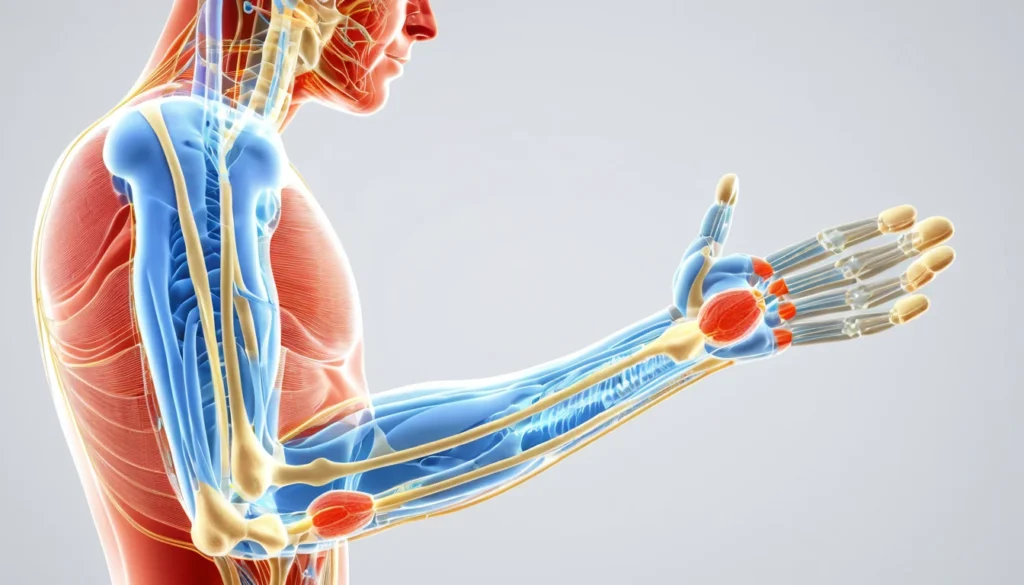
Tetany is a medical condition that causes sudden, involuntary muscle contractions. These episodes can be alarming, but understanding the causes, symptoms, and treatment options can help you manage the condition and know when to seek care. This article explains everything everyday Canadians need to know about tetany.
What Is Tetany?
Tetany refers to episodes of strong, prolonged muscle contractions. These contractions most often affect the hands, feet, and sometimes the face. The condition is not a disease on its own — it is a sign that something else is happening in the body.
Tetany can range from mild and manageable to severe and requiring emergency care. The good news is that, in most cases, it is treatable once the underlying cause is identified. Your family doctor is the best first point of contact if you think you may have tetany.
Types of Tetany: Two Main Forms
There are two main forms of tetany. Understanding which type you may have is important, because each has a different cause and treatment approach.
Hypocalcaemic Tetany
The first and less common form is caused by low levels of certain minerals in the blood. The most important of these is calcium — a condition called hypocalcaemia. Low magnesium (hypomagnesaemia) or low potassium (hypokalaemia) can also trigger this type of tetany.
Another cause is a condition called alkalosis. Alkalosis means there are too many alkaline substances in the body, which upsets its natural chemical balance. This can happen from hyperventilation — breathing too fast and too shallowly, often during anxiety or panic. In rare cases, a problem with the parathyroid glands (small glands in the neck that control calcium) can lead to hypocalcaemia and, as a result, tetany.
This form of tetany is the more serious of the two. In severe cases, it can cause a spasm of the larynx (voice box), which makes breathing difficult. This is a medical emergency and requires immediate attention.
Spasmophilia (Normocalcaemic Tetany)
The second and more common form is called spasmophilia, sometimes referred to as normocalcaemic tetany. In this form, blood calcium levels are normal. The exact cause is not fully understood. Possible contributing factors include mild magnesium or calcium deficiencies and psychological factors such as stress and anxiety.
It is worth noting that spasmophilia is not universally recognised as a distinct medical condition. Some doctors view it as closely linked to anxiety disorders. However, the symptoms are very real for the people who experience them.
Symptoms of Tetany
The symptoms of tetany fall into two categories: episodic crisis symptoms and ongoing (permanent) symptoms between episodes.
During a Tetany Episode
A tetany episode typically involves strong muscle contractions. The most common symptoms during a crisis include:
Cramping and stiffening of the hands, with fingers drawn together into a cone-like shape
A characteristic hand posture known as the Trousseau sign — the hand cramps and the fingers press together, resembling an obstetric hand position
Tingling or pins-and-needles sensations in the hands, feet, and around the mouth
Cramping in the feet, and rarely, cramping in the face
In severe cases (hypocalcaemic tetany only), difficulty breathing due to laryngeal spasm
Importantly, a person does not lose consciousness during a tetany episode. The episode eventually stops on its own. In spasmophilia, episodes tend to be milder — often just a general feeling of being unwell and some tingling. Furthermore, these episodes tend to become less frequent and less severe with age.
Ongoing Symptoms Between Episodes
Between episodes, some people with tetany experience persistent symptoms. These can include:
Muscle cramps
Tingling or numbness
Anxiety or a sense of unease
Insomnia or difficulty sleeping
Fatigue or low energy
These ongoing symptoms can significantly affect daily life and quality of life. If you are experiencing any of these symptoms regularly, it is important to speak with your family doctor or visit a walk-in clinic.
How Is Tetany Diagnosed?
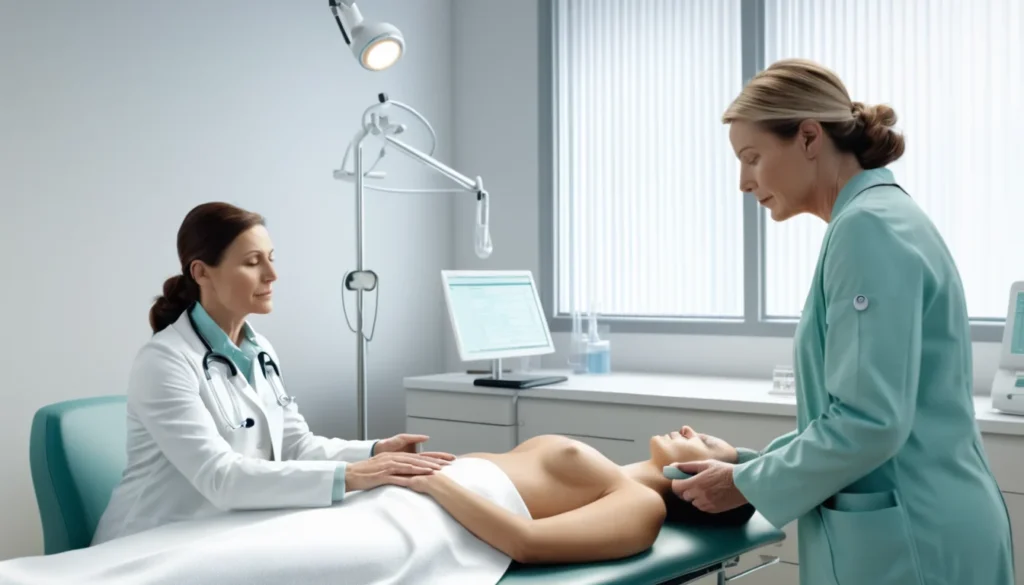
Diagnosing tetany involves a combination of physical examination and blood tests. Your doctor will look for specific clinical signs that point to this condition.
Physical Examination Tests
Two classic tests help doctors identify tetany in a clinical setting.
The first is Chvostek’s sign. A doctor taps on the facial nerve near the jaw angle. In a person with tetany, this causes a visible twitch or contraction of the lip muscles. The second is the Trousseau sign. A blood pressure cuff is placed on the arm and inflated for several minutes. If tetany is present, the hand will cramp into the characteristic position described above.
Blood Tests
Your doctor will order blood tests to measure calcium, magnesium, and potassium levels. If blood calcium is normal, spasmophilia is the more likely diagnosis. These results help guide the right treatment plan.
For more information on how blood tests work in assessing mineral deficiencies, you can visit Health Canada’s official health information portal.
Treatment Options for Tetany
Treatment for tetany depends entirely on the underlying cause and form of the condition. There is no single approach that fits every case.
Treating Hypocalcaemic Tetany
When tetany has a clear underlying cause, such as low blood calcium, treatment targets that cause directly. In urgent situations — for example, when breathing is affected — intravenous (IV) calcium is given in a hospital or emergency setting. This is a fast and effective intervention. If you or someone around you is having trouble breathing during a tetany episode, call 911 immediately.
Once the acute episode is under control, doctors will investigate and treat the root cause. For example, if a parathyroid problem is to blame, that condition will need ongoing management.
Treating Spasmophilia
Treatment for spasmophilia is less straightforward. Some doctors prescribe calcium, magnesium, or vitamin D supplements. However, it is important to know that there is currently limited scientific evidence that these supplements are consistently effective for this form of tetany. Always speak with your doctor before starting any supplement.
One commonly recommended technique during an episode is breathing into a paper bag (or a loosely cupped hands-over-mouth method). The idea is to reduce hyperventilation-related alkalosis by allowing you to re-breathe some carbon dioxide. This can sometimes help ease symptoms. However, this technique is not suitable for everyone — your doctor can advise whether it is appropriate for you.
In addition, psychotherapy can be very helpful, especially if anxiety or stress plays a role in triggering episodes. Anti-anxiety medications (anxiolytics) may also be considered in some cases, under close medical supervision. A referral to a mental health professional through your provincial health plan may be available depending on your province.
For a broader overview of muscle spasm conditions, the Mayo Clinic’s guide to muscle cramps and spasms offers helpful context.
Lifestyle and Self-Care Tips
While medical treatment is essential, some everyday habits can support your overall wellbeing and may reduce the frequency of tetany episodes.
Eat a balanced diet rich in calcium and magnesium. Good sources include dairy products, leafy greens, nuts, seeds, and whole grains with adequate fibre.
Manage stress through relaxation techniques such as deep breathing, yoga, or mindfulness. Stress is a known trigger for spasmophilia episodes.
Avoid hyperventilation by practising slow, controlled breathing, especially during anxious moments.
Limit caffeine and alcohol, which can affect mineral absorption and nervous system excitability.
Get enough sleep. Poor sleep can worsen anxiety and increase the likelihood of episodes.
These self-care measures work best as a complement to — not a replacement for — medical treatment. Always follow the guidance of your healthcare provider.
For more on the role of magnesium and calcium in the body, Healthline’s guide to magnesium deficiency is a reliable resource.
When to See a Doctor
If you experience recurring muscle spasms, persistent tingling, or episodes that worry you, do not wait. Speak with your family doctor as soon as possible. Most provincial health plans in Canada cover the assessment and management of conditions like tetany under your provincial health insurance.
If you do not have a family doctor, a walk-in clinic is a great starting point. A clinic doctor can order the necessary blood tests and refer you to a specialist if needed.
Seek emergency care immediately — call 911 or go to your nearest emergency department — if you or someone you know experiences:
Difficulty breathing or a feeling that the throat is closing
Severe, widespread muscle spasms
A tetany episode that does not stop on its own
Confusion or loss of consciousness
As always, this article is for general information only. Please consult your doctor or a qualified healthcare professional for advice specific to your health situation.
Frequently Asked Questions About Tetany
What is tetany and what causes it?
Tetany is a condition that causes sudden, involuntary muscle contractions or spasms. It is most commonly caused by low levels of calcium, magnesium, or potassium in the blood, or by an imbalance in the body’s acid-base balance known as alkalosis. In some cases, tetany (particularly spasmophilia) may be linked to stress, anxiety, and hyperventilation without any clear mineral deficiency.
Is tetany dangerous?
Tetany can range from mild and harmless to potentially serious, depending on the cause. The milder form, spasmophilia, is generally not dangerous — episodes stop on their own and do not cause loss of consciousness. However, tetany caused by low blood calcium (hypocalcaemia) can be serious, as it may cause laryngeal spasm and breathing difficulty, which requires emergency medical care.
How is tetany treated in Canada?
Treatment for tetany in Canada depends on the underlying cause. Severe cases involving low blood calcium are treated with intravenous calcium, often in a hospital setting covered by provincial health insurance. Milder forms, such as spasmophilia, may be managed with calcium or magnesium supplements, breathing techniques, psychotherapy, or anti-anxiety medications, all guided by your family doctor or a specialist.
What does a tetany episode feel like?
During a tetany episode, you may feel strong cramping or stiffening in your hands, with your fingers drawing together into a cone-like shape. You may also experience tingling or pins-and-needles sensations in your hands, feet, and around your mouth. In milder forms of tetany, an episode may feel like general discomfort or unease accompanied by slight numbness.
Can anxiety cause tetany?
Yes, anxiety can contribute to tetany, particularly the form known as spasmophilia. When a person is anxious, they may hyperventilate — breathing too fast — which lowers carbon dioxide levels in the blood and triggers alkalosis, a chemical imbalance that can cause muscle spasms. Managing stress and anxiety through therapy and relaxation techniques can help reduce the frequency of tetany episodes.
What is the difference between tetany and a seizure?
Tetany and seizures can look similar, but they are different conditions. During a tetany episode, the person remains fully conscious and aware, and the episode resolves on its own without lasting neurological effects. A seizure, on the other hand, often involves loss of consciousness or awareness. If you are unsure whether you experienced tetany or a seizure, it is important to see your doctor promptly for a proper assessment.
Key Takeaways
Tetany causes sudden, involuntary muscle spasms, most often in the hands and feet.
There are two main forms: hypocalcaemic tetany (caused by low calcium or other mineral imbalances) and spasmophilia (linked to anxiety, stress, and hyperventilation).
Key symptoms include hand cramping, the Trousseau sign, and tingling around the mouth and extremities.
Diagnosis uses physical tests (Chvostek’s sign, Trousseau sign) and blood tests to measure mineral levels.
Treatment varies: severe cases may need IV calcium in an emergency; milder cases may respond to supplements, breathing techniques, or psychotherapy.
See your family doctor or walk-in clinic if you experience recurring muscle spasms or tingling. Call 911 if breathing is affected.
This article is for general information only — always consult a qualified healthcare professional for advice tailored to your needs.