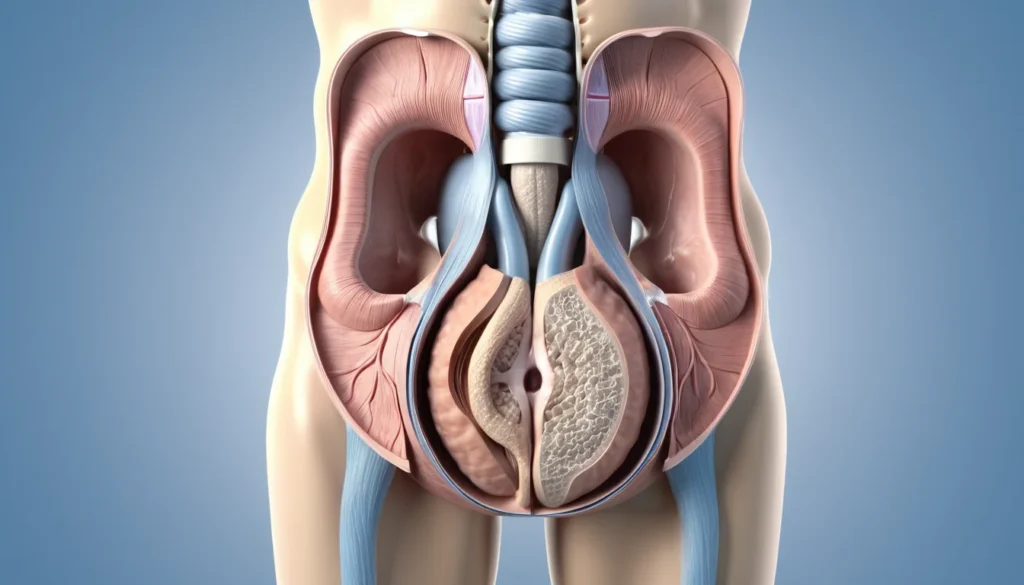
Testicular torsion is a serious medical emergency that requires immediate attention. It happens when a testicle twists around the spermatic cord, cutting off its blood supply. Without fast treatment — ideally within hours — the testicle can be permanently damaged or lost. If you or someone you know suddenly feels severe pain in the groin or scrotum, call 911 or go to your nearest emergency room right away.
What Is Testicular Torsion?
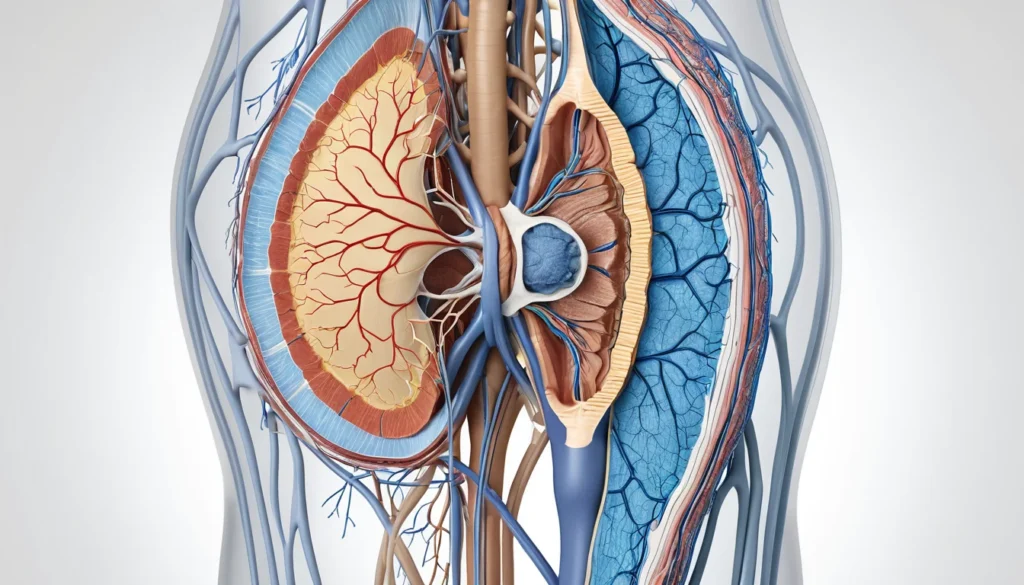
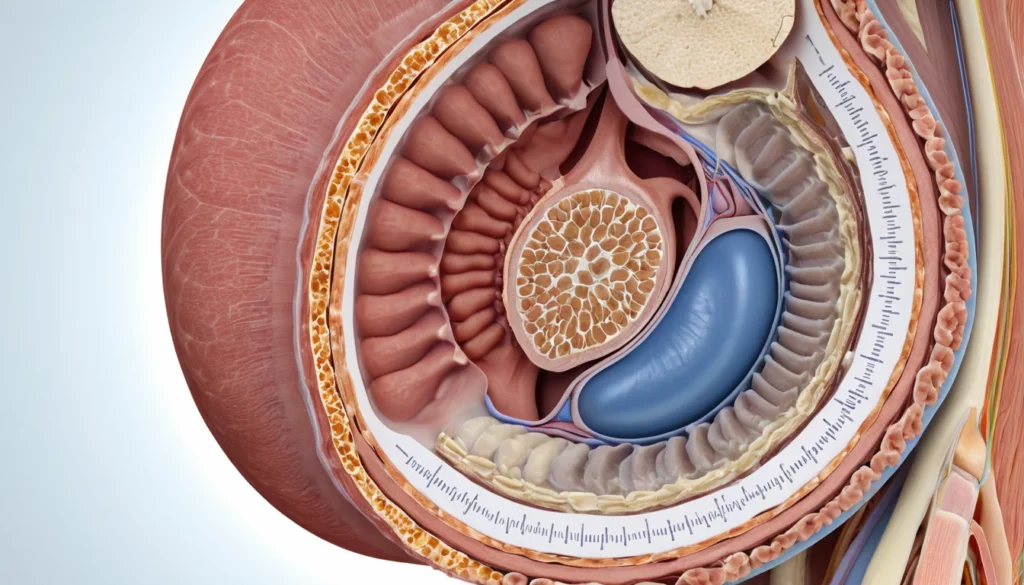
The spermatic cord is a tube that carries blood to and from the testicle. When testicular torsion occurs, the testicle rotates around this cord. As a result, blood flow is blocked. This causes sudden, severe pain and swelling.
If the blood supply is cut off for too long, the tissue begins to die. Doctors call this necrosis. In serious cases, the affected testicle must be surgically removed.
This condition most commonly affects males between the ages of 10 and 25. However, it can happen at any age. About 65% of all cases occur in adolescents between 12 and 18 years old. According to the Mayo Clinic’s overview of testicular torsion, it is one of the most time-sensitive urological emergencies in young males.
Causes of Testicular Torsion
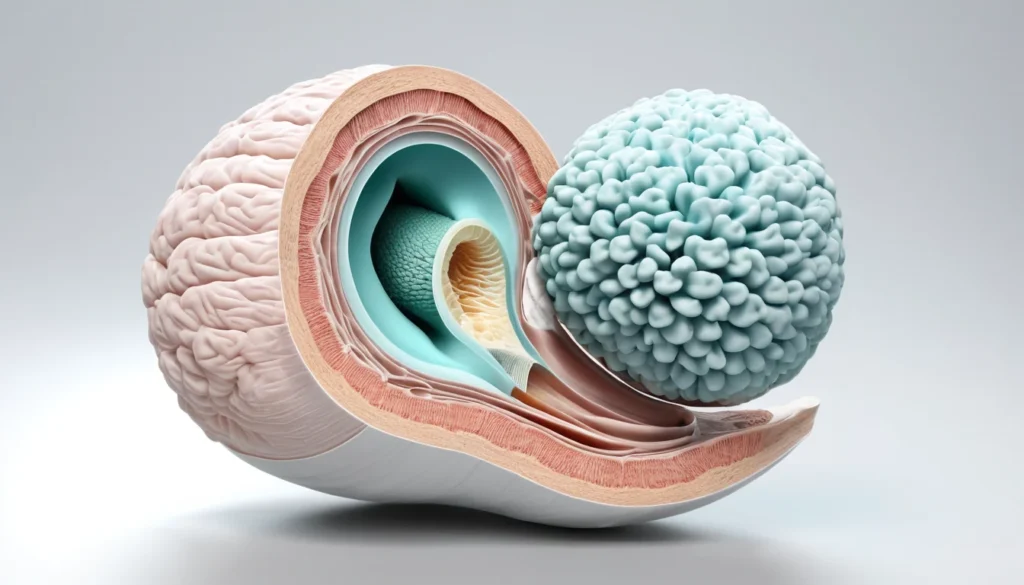
Most cases of testicular torsion are linked to an anatomical difference called the “bell clapper deformity.” In this condition, the testicle is attached only to the spermatic cord — much like a clapper inside a bell. This allows the testicle to swing and rotate more freely.
About 12% of males have this structural difference. Importantly, there is no way to detect it without surgery or a medical examination. In roughly 40% of diagnosed cases, the deformity is present in both testicles.
Torsion can happen spontaneously — even during sleep. In other cases, it follows physical trauma to the groin area. However, you do not need to experience an injury for torsion to occur.
The Role of Temperature
Interestingly, testicular torsion is sometimes called “winter syndrome.” Cold temperatures cause the scrotum to contract suddenly. If the spermatic cord is already prone to twisting, this rapid contraction can trigger torsion. Canadian winters may therefore play a small role in seasonal patterns of this condition.
Symptoms of Testicular Torsion
The most important symptom to recognise is sudden, severe pain on one side of the scrotum. This pain can come on without warning, even during rest or sleep. It does not go away on its own.
Other common symptoms include:
Swelling on one side of the scrotum
Nausea and vomiting
Abdominal pain
One testicle appearing larger or sitting higher than the other
In some cases, the cord twists and then untwists on its own. This is called intermittent torsion and detorsion. Even if the pain fades, this is still a warning sign. It increases the risk of full torsion happening again in the future.
Torsion in Children
If a child suddenly complains of groin or scrotal pain, treat it as an emergency. Do not wait to see if the pain passes. Importantly, do not let the child eat or drink anything before seeking care — surgery may be needed right away.
How Doctors Diagnose Testicular Torsion
At the emergency room, a doctor will examine the scrotum, testicles, abdomen, and groin. They will also test a reflex called the cremasteric reflex. This involves lightly stroking or pinching the inner thigh. Normally, this causes the testicle to rise. In testicular torsion, this reflex is often absent.
Additional tests may be needed to confirm the diagnosis. These can include:
Doppler ultrasound: This imaging test uses high-frequency sound waves to check blood flow to the testicle. It can confirm whether the spermatic cord is twisted.
Urine and blood tests: These help rule out infection as the cause of symptoms.
However, if the physical exam strongly suggests torsion, a doctor may skip additional testing and proceed directly to emergency surgery. Every minute counts. The Healthline guide on testicular torsion confirms that speed of diagnosis is directly linked to outcomes.
Time and Survival Rates for the Testicle
How long blood flow is blocked matters enormously. Here is a general guide doctors use:
Within 6 hours: About 90% chance the testicle can be saved
Within 12 hours: Chance drops to around 50%
After 24 hours: Only about 10% chance of saving the testicle
This is why testicular torsion is always treated as a surgical emergency. There is no time to wait and see.
Risk Factors for Testicular Torsion
Understanding your risk can help you act quickly if symptoms appear. The main risk factors include:
Age: Males between 10 and 25 are most commonly affected. It is rare but possible in newborns and older men.
Bell clapper deformity: This anatomical difference is the most significant risk factor. It is often present in both testicles.
Previous torsion: If the cord twisted and resolved without surgery, it can happen again. Surgical correction of the underlying problem is strongly recommended.
Cold weather exposure: Sudden changes from warm to cold temperatures can cause scrotal contraction, which may trigger torsion in at-risk individuals.
Family history: Some studies suggest a genetic link, meaning close relatives with torsion may indicate higher personal risk.
According to Health Canada, educating young Canadians and their parents about urgent urological symptoms is an important part of preventive men’s health care.
Treatment for Testicular Torsion
Testicular torsion almost always requires surgery. In rare cases, a doctor may be able to manually untwist the spermatic cord by carefully moving the testicle from outside the scrotum. However, surgery is still needed afterward to secure the testicle and prevent future torsion.
What Happens During Surgery
The operation is typically done on an outpatient basis. The patient receives general anaesthesia. The surgeon makes a small cut in the scrotum, untwists the spermatic cord, and then stitches both testicles to the inside of the scrotum. This prevents them from rotating again in the future.
After the procedure, the patient rests in a recovery area for one to two hours. Most patients go home the same day. Full recovery usually takes a few weeks, and strenuous physical activity should be avoided during that time.
If the Testicle Cannot Be Saved
When blood flow has been cut off for too long, the testicle may be too damaged to save. In this case, the surgeon must remove it. This procedure is called an orchiectomy. Losing one testicle does not necessarily affect fertility or hormone levels if the other testicle is healthy.
When to See a Doctor
If you or your child experiences sudden, severe pain or swelling in the scrotum, do not wait. Go directly to the nearest hospital emergency department. This is not a situation for a walk-in clinic or a scheduled appointment with your family doctor.
Time is the most critical factor in testicular torsion. Delays — even of a few hours — can mean the difference between saving and losing a testicle. Provincial health plans across Canada cover emergency surgical care, so cost should never be a reason to delay treatment.
If you have had a previous episode of scrotal pain that resolved on its own, talk to your family doctor or a urologist as soon as possible. They can assess your risk and discuss whether preventive surgery is the right choice for you.
Frequently Asked Questions About Testicular Torsion
What does testicular torsion feel like?
Testicular torsion typically causes sudden, severe pain on one side of the scrotum. The pain often comes on without warning and does not ease on its own. You may also feel nausea, abdominal pain, and notice swelling in the affected area.
Can testicular torsion go away on its own?
In rare cases, the spermatic cord can twist and then untwist without treatment — a situation called intermittent torsion. However, testicular torsion does not reliably resolve on its own and requires emergency medical care. Even if pain fades temporarily, surgery is still recommended to prevent it from happening again.
How quickly does testicular torsion need to be treated?
Testicular torsion must be treated as fast as possible — ideally within six hours of symptoms starting. Within this window, there is roughly a 90% chance of saving the testicle. After 24 hours, the chance drops to about 10%, making speed absolutely critical.
Does testicular torsion affect fertility?
Testicular torsion can affect fertility, especially if the testicle is severely damaged or removed. If only one testicle is affected and the other remains healthy, fertility is often preserved. However, prompt treatment greatly improves the chances of protecting reproductive health long-term.
Who is most at risk for testicular torsion?
Testicular torsion most commonly affects males between the ages of 10 and 25, with the highest rates seen in adolescents aged 12 to 18. Males with a bell clapper deformity or a previous episode of torsion face the highest risk. Cold weather exposure may also be a contributing factor.
Is testicular torsion surgery covered in Canada?
Yes, emergency surgery for testicular torsion is covered under provincial and territorial health plans across Canada. You will not need to pay out-of-pocket for the emergency procedure itself. Always go to a hospital emergency department immediately — do not let concerns about cost delay your care.
Key Takeaways
Testicular torsion is a medical emergency. Go to the emergency room immediately if you experience sudden scrotal pain.
Time is everything. Treatment within six hours gives a 90% chance of saving the testicle. After 24 hours, that chance falls to 10%.
It most often affects males aged 10–25, but can occur at any age, including newborns.
The main cause is bell clapper deformity, an anatomical difference that allows the testicle to rotate freely.
Surgery is almost always required to untwist the cord and secure the testicles in place.
Canadian provincial health plans cover emergency care, so seek help without delay.
Talk to your family doctor if you have had unexplained scrotal pain in the past — preventive options are available.
This article is for informational purposes only and is not a substitute for professional medical advice. Always consult your family doctor, a walk-in clinic, or visit an emergency department for any health concerns.