A testicular self-exam is one of the simplest things a man can do to protect his health. Testicular cancer is the most common cancer in Canadian men aged 15 to 44. The good news is that when it is caught early, it is curable in more than 95% of cases. This article explains what testicular cancer is, what symptoms to watch for, and exactly how to perform a self-exam at home.
What Is Testicular Cancer?
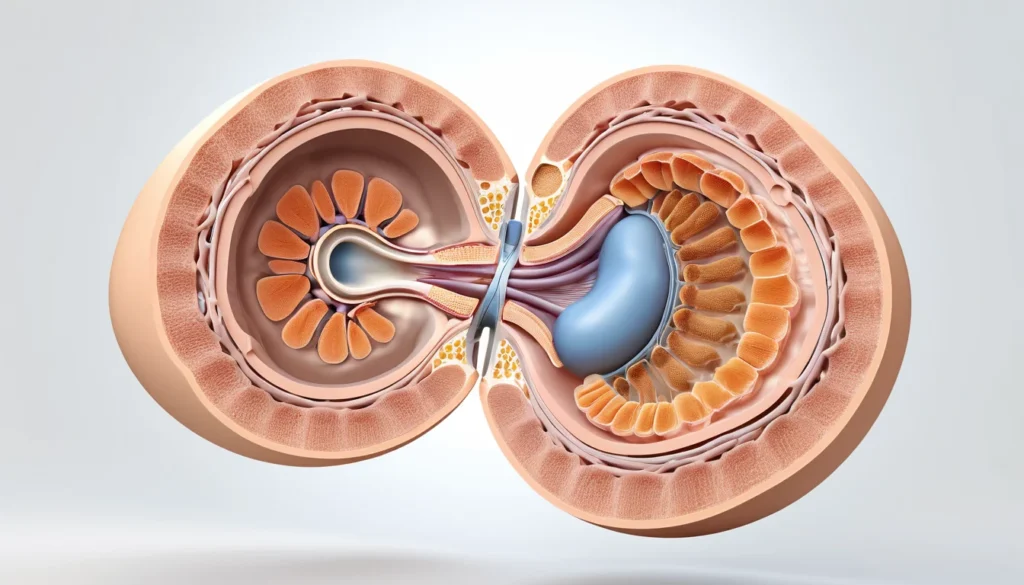
Testicular cancer happens when cells in one or both testicles grow out of control and become cancerous. The testicles are two small glands located below the penis, inside the scrotum. They have two main jobs: producing sperm and making testosterone, the hormone responsible for male physical development.
Doctors generally divide testicular cancer into two main types. The first type is called a seminoma, which tends to grow more slowly. The second type is called a non-seminoma, which can grow more quickly. Non-seminomas include several subtypes, such as embryonal carcinoma, teratoma, choriocarcinoma, and yolk sac tumours. Your doctor will determine which type is present and recommend the best treatment plan.
According to Health Canada, cancer rates and outcomes are tracked closely across the country. Thanks to major advances in treatment over the past 40 years, deaths from testicular cancer have dropped by about 80%. That is a remarkable achievement in modern medicine.
Who Is Most at Risk?
Testicular cancer accounts for only about 1% of all cancers in men. However, it is by far the most common cancer among males between the ages of 15 and 44. Any man in this age group should make a testicular self-exam a regular monthly habit.
Certain factors can raise a man’s risk. These include:
Undescended testicle (cryptorchidism): A testicle that did not move into the scrotum before birth.
Family history: Having a father or brother who had testicular cancer.
Personal history: Having had testicular cancer in the other testicle before.
Abnormal testicle development: Certain conditions that affect how the testicles form.
Even if none of these risk factors apply to you, it is still wise to perform regular self-exams. Most men who develop testicular cancer have no known risk factors at all.
Testicular Cancer Symptoms to Know
Some forms of testicular cancer grow slowly, while others develop very quickly. For this reason, knowing the warning signs early is extremely important. Do not wait for symptoms to become severe before acting.
Common symptoms include:
A painless lump or swelling on either testicle
Pain, aching, or tenderness in a testicle or the scrotum
A feeling of heaviness or pressure in the scrotum
A dull ache in the lower abdomen or groin area
A build-up of fluid inside the scrotum
One testicle becoming noticeably larger or changing shape
Breast tenderness or growth (caused by hormones produced by some tumours)
Unexplained fatigue, fever, or night sweats
It is worth noting that not every lump means cancer. Many lumps are caused by benign (non-cancerous) conditions, such as a cyst or a varicocele. However, only a doctor can tell the difference. Therefore, any new or unusual change should be checked promptly.
For a comprehensive overview of symptoms, the Mayo Clinic’s guide to testicular cancer symptoms is a reliable resource.
How to Do a Testicular Self-Exam
A testicular self-exam takes only a few minutes and costs nothing. Experts recommend doing it once a month. The best time is right after a warm shower or bath. The warmth relaxes the skin of the scrotum, making it easier to feel what is underneath.
Step-by-Step Instructions
Follow these steps for an accurate self-exam:
Step 1 – Stand in front of a mirror. Look for any swelling on the skin of the scrotum.
Step 2 – Use both hands. Place your index and middle fingers under one testicle, with your thumbs on top.
Step 3 – Roll gently. Gently roll the testicle between your thumbs and fingers. Feel for any hard lumps, smooth rounded bumps, or changes in size and shape.
Step 4 – Find the epididymis. This is a soft, rope-like structure at the back of each testicle. This is normal. Do not mistake it for a lump.
Step 5 – Repeat on the other side. Examine the second testicle in the same way.
Step 6 – Compare both sides. It is normal for one testicle to be slightly larger than the other. What you are looking for is a new change, not a pre-existing difference.
What a Normal Testicle Feels Like
A healthy testicle feels smooth and firm, similar to a hard-boiled egg without the shell. There should be no lumps on the surface itself. The testicle should not be tender or painful when gently pressed.
If you notice anything unusual during your testicular self-exam, do not panic. Write down what you noticed and when. Then book an appointment with your doctor as soon as possible.
What Happens If a Lump Is Found?
Finding a lump does not automatically mean you have cancer. In fact, many lumps turn out to be harmless. However, every new lump deserves a proper medical evaluation. Only a healthcare professional can make an accurate diagnosis.
If your doctor suspects something may be wrong, they will likely order further tests. These may include:
Ultrasound: A painless imaging test that creates a picture of the inside of the scrotum.
Blood tests: These check for tumour markers, which are substances that some cancers release into the bloodstream.
Biopsy or surgery: In some cases, the testicle may need to be surgically removed and examined to confirm a diagnosis.
Early detection makes treatment far more straightforward. Healthline’s overview of testicular cancer outlines how treatment options vary depending on the stage and type of the cancer.
When to See a Doctor
You should see a doctor promptly if you notice any of the following after a testicular self-exam:
A new lump or swelling on either testicle
Any change in the size, shape, or feel of a testicle
Persistent pain or a dull ache in the scrotum or groin
Discharge or blood that is unusual
Breast tenderness or swelling in a male
Do not wait to see if the symptom goes away on its own. Start by contacting your family doctor. If you do not have a family doctor, a walk-in clinic is a good first step. Most provincial health plans in Canada cover the cost of a basic examination and follow-up referrals. Your doctor can refer you to a urologist or oncologist if needed.
Remember, early-stage testicular cancer is highly treatable. Acting quickly gives you the best possible outcome. As always, speak with your healthcare provider before drawing any conclusions from a self-exam. This article is for informational purposes and is not a substitute for professional medical advice.
Frequently Asked Questions
How often should I do a testicular self-exam?
Most health experts recommend performing a testicular self-exam once a month. Doing it regularly helps you learn what is normal for your body, making it easier to notice any new changes quickly.
What age should men start doing testicular self-exams?
Men should start doing regular testicular self-exams in their mid-teens, around age 15. Testicular cancer is most common in men between the ages of 15 and 44, so starting early is a smart habit.
Can a testicular lump be something other than cancer?
Yes, most testicular lumps are not cancerous. Common benign causes include cysts, varicoceles (enlarged veins), and epididymitis (inflammation). However, any new lump should be evaluated by a doctor to rule out testicular cancer.
Is testicular cancer curable?
Testicular cancer has one of the highest cure rates of any cancer. When detected early, it is curable in more than 95% of cases. Even in more advanced stages, treatment is often very effective.
Does a testicular self-exam hurt?
A proper testicular self-exam should not be painful. You should apply only gentle pressure when rolling each testicle between your fingers. If you feel pain during a self-exam, that itself is a reason to see your doctor.
Where can I go in Canada if I find a lump?
Start by visiting your family doctor or a local walk-in clinic. Most provincial health plans cover the initial examination at no direct cost to you. Your doctor can then arrange any necessary referrals or imaging tests.
Key Takeaways
Testicular cancer is the most common cancer in Canadian men aged 15 to 44.
A monthly testicular self-exam is the easiest way to detect changes early.
The best time to self-examine is after a warm shower or bath.
Look and feel for lumps, swelling, changes in shape, or unusual tenderness.
Not every lump is cancer, but every new lump deserves a doctor’s assessment.
When caught early, testicular cancer is curable in over 95% of cases.
If you find something concerning, contact your family doctor or visit a walk-in clinic. Most provincial health plans will cover your initial visit.
This information is educational only. Always consult a qualified healthcare provider for personal medical advice.