Testicular cancer occurs when abnormal cells grow uncontrollably in one or both testicles. It is one of the most common cancers in Canadian men between the ages of 20 and 34. The good news is that testicular cancer is also one of the most treatable forms of cancer, especially when caught early. This article covers the symptoms, risk factors, and treatment options you should know about.
What Is Testicular Cancer?
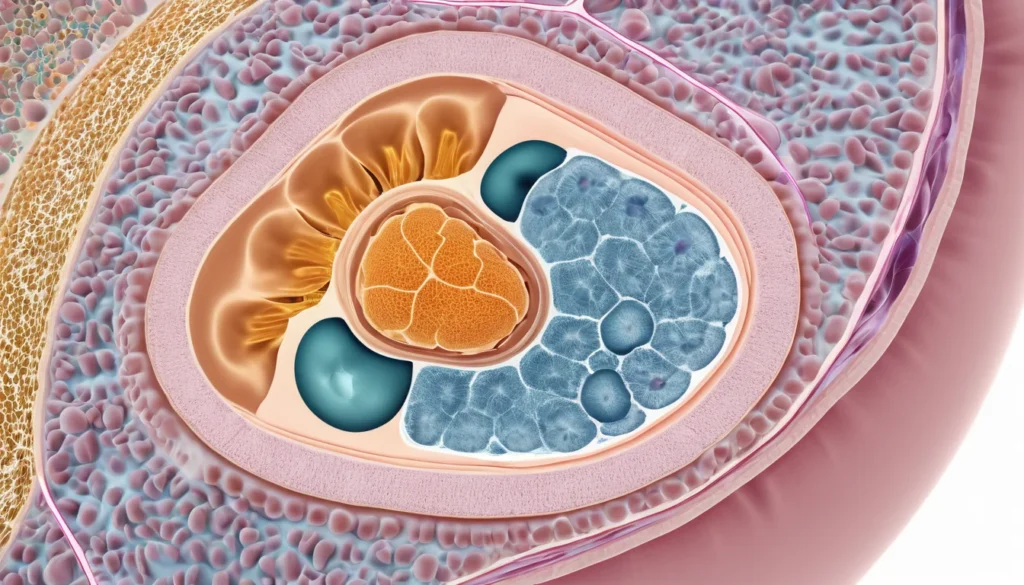
The testicles are two small, oval-shaped glands located in the scrotum, the pouch of skin below the penis. They have two main jobs: producing sperm and making testosterone, the primary male sex hormone.
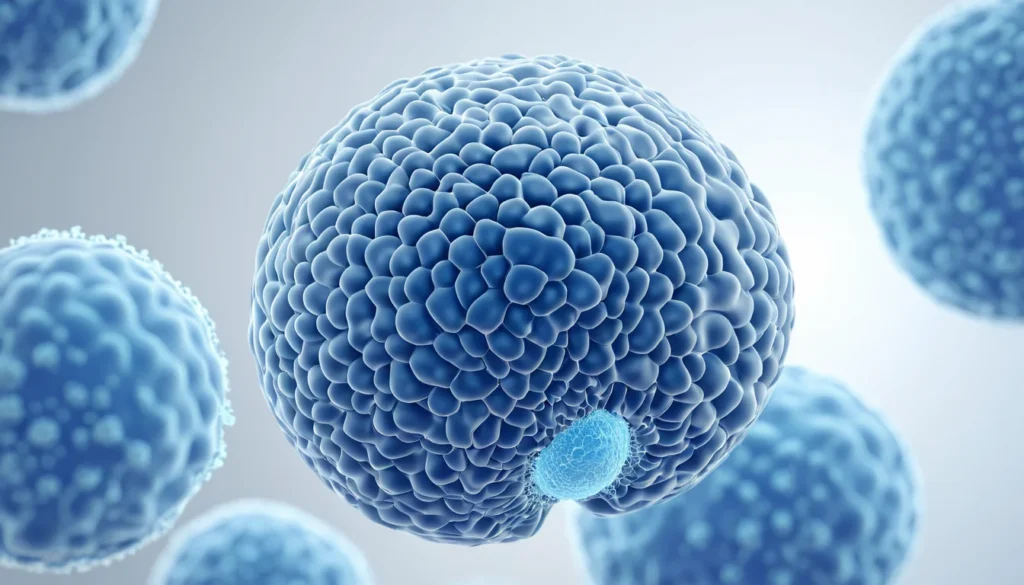
Testicular cancer develops when cells inside the testicles begin to divide and grow out of control. In most cases, a change in the size or shape of one testicle is the first sign something is wrong. However, many men mistake these early changes for minor injuries or infections, which can delay diagnosis.
According to Health Canada, testicular cancer is considered rare overall, but it is disproportionately common in younger men. It occurs more frequently in white men and is less common in men of African or Asian descent.
Testicular Cancer Symptoms to Watch For
Knowing the warning signs of testicular cancer can make a real difference. Many symptoms are easy to notice during a routine self-check. However, some symptoms are painless, which means they can be overlooked.
Common Early Symptoms
A lump, swelling, or change in size of one or both testicles
A feeling of heaviness in the scrotum
A dull ache or discomfort in the lower abdomen or groin
Scrotal or testicular pain that comes and goes
It is important to note that these symptoms do not always mean cancer. Several other conditions can cause similar changes. For example, a hydrocele is a painless build-up of fluid around a testicle that causes swelling. A varicocele is an enlarged vein in the scrotum, often described as feeling like a “bag of worms.” A spermatocele is a small, firm cyst near the testicle that is usually harmless.
Other conditions like orchitis (inflammation of the testicle, often caused by a virus or bacteria) or epididymitis (inflammation of the tube behind the testicle) can also cause pain and swelling. Therefore, always get any new lump or change checked by a healthcare provider.
Symptoms of Advanced Testicular Cancer
If testicular cancer spreads beyond the testicle to other parts of the body, it can cause additional symptoms. These may include:
Persistent lower back or abdominal pain
Unexplained fatigue, night sweats, or a general feeling of illness
Shortness of breath, cough, or chest pain
Headaches or confusion (in rare cases where cancer spreads to the brain)
These symptoms may indicate that testicular cancer has metastasized, meaning it has spread to lymph nodes or other organs. Furthermore, catching the disease before this stage significantly improves treatment outcomes.
Causes and Risk Factors for Testicular Cancer
Doctors do not yet know the exact cause of testicular cancer. However, research has identified several factors that may raise a man’s risk. Having one or more of these risk factors does not mean you will develop cancer, but it does mean you should be more vigilant.
Known Risk Factors
Undescended testicle (cryptorchidism): Normally, the testicles descend from the abdomen into the scrotum before birth or within the first three months of life. When this does not happen, the risk of testicular cancer increases. Importantly, surgical correction of this condition does not eliminate the elevated risk.
Infertility: Men who have difficulty fathering children may have a slightly higher risk.
Klinefelter syndrome: This is a genetic condition where a man is born with one or more extra X chromosomes. It affects hormone levels and can raise the risk of testicular cancer.
Family history: Having a father or brother with testicular cancer increases your personal risk.
Personal history: Men who have had cancer in one testicle have a higher chance of developing it in the other.
In addition, it is worth knowing that most men diagnosed with testicular cancer have none of these risk factors. As a result, awareness and self-examination remain important for all men, not just those at higher risk.
How Is Testicular Cancer Diagnosed and Treated?
If your doctor suspects testicular cancer, they will likely start with a physical examination and an ultrasound of the scrotum. Blood tests may also be ordered to look for tumour markers, which are substances that certain cancers release into the bloodstream.
Surgical Treatment: Orchiectomy
The standard first step in treating testicular cancer is a procedure called a radical inguinal orchiectomy. This surgery removes the affected testicle through a small incision in the groin area. Removing the testicle serves two purposes: it treats the cancer and allows pathologists to identify the exact type of cancer cells involved.
Most men are concerned about what losing a testicle means for their body. In most cases, one healthy testicle produces enough testosterone and sperm for normal function. A prosthetic testicle is also available for cosmetic purposes if desired.
Additional Treatment Options
After surgery, the treatment plan depends on the type and stage of the cancer. Options may include:
Active surveillance: Regular check-ups and monitoring, with no immediate further treatment. This approach is often used for early-stage cancers.
Radiation therapy: High-energy rays are used to destroy remaining cancer cells, particularly in the lymph nodes.
Chemotherapy: Drugs are used to kill cancer cells throughout the body. This is more common in advanced cases.
Retroperitoneal lymph node dissection (RPLND): Surgery to remove lymph nodes in the abdomen if cancer has spread there.
According to the Mayo Clinic’s guide to testicular cancer, the overall cure rate for this disease is very high, particularly for early-stage cases. Therefore, early detection truly saves lives.
Testicular Self-Examination: Should You Do It?
Some health professionals recommend that men between the ages of 15 and 40 perform a monthly testicular self-exam. The idea is to become familiar with the normal look and feel of your testicles so that any changes stand out quickly.
However, not all medical guidelines agree on whether routine self-exams are necessary for men at average risk. The current Canadian approach is that men with known risk factors — such as a history of cryptorchidism or a family history of testicular cancer — should be more attentive and may benefit from regular self-checks and professional examinations.
How to Perform a Self-Exam
Perform the exam after a warm shower or bath, when the scrotal skin is relaxed.
Use both hands to gently roll each testicle between your thumb and fingers.
Feel for any hard lumps, smooth rounded bumps, or changes in size, shape, or consistency.
Do not confuse the epididymis — the soft, rope-like structure at the back of each testicle — with a lump.
If you notice anything unusual, do not wait to see if it goes away on its own. Get it checked promptly.
When to See a Doctor
You should contact your family doctor as soon as possible if you notice any lump, swelling, or unexplained change in your testicles. Do not delay because the symptom is painless — pain is often absent in early testicular cancer.
If you do not have a family doctor, a walk-in clinic is a perfectly appropriate first step. A doctor there can examine you and refer you to a urologist or specialist through your provincial health plan if needed. Most provincial health plans in Canada cover diagnostic tests like ultrasounds and blood work when a physician orders them.
You can also learn more about cancer screening and men’s health through Healthline’s overview of testicular cancer for additional context.
Remember, early diagnosis gives you the best possible chance of a full recovery. As always, speak with a qualified healthcare provider for advice tailored to your personal health situation.
Frequently Asked Questions About Testicular Cancer
What are the first signs of testicular cancer?
The most common first sign of testicular cancer is a painless lump or swelling on one of the testicles. Some men also notice a feeling of heaviness in the scrotum or a dull ache in the lower abdomen or groin. Because the lump is often painless, it can be easy to ignore — so any new change should be checked by a doctor promptly.
Is testicular cancer curable?
Yes, testicular cancer is considered one of the most curable forms of cancer, especially when detected early. Even in cases where the cancer has spread, treatment with chemotherapy and surgery can still be highly effective. The key is seeking medical attention as soon as you notice any symptoms.
What age does testicular cancer usually occur?
Testicular cancer most commonly affects men between the ages of 20 and 34, making it one of the most common cancers in younger Canadian men. However, it can develop at any age, including in adolescents and older men. Regular awareness and self-examination are important for all men in this age range.
Can you still have children after testicular cancer treatment?
Many men are still able to father children after treatment for testicular cancer, particularly if only one testicle is removed. However, chemotherapy and radiation therapy can affect fertility. Doctors often recommend sperm banking before starting treatment so that men have options for the future.
Does a lump on the testicle always mean cancer?
No, not every testicular lump is cancer. Conditions like hydroceles, varicoceles, spermatoceles, and epididymitis can all cause lumps or swelling that are not cancerous. However, because testicular cancer can be painless, any new or unusual lump should be evaluated by a doctor to rule out testicular cancer and get the right diagnosis.
How is testicular cancer treated in Canada?
In Canada, testicular cancer is typically treated first with surgery to remove the affected testicle, a procedure called a radical inguinal orchiectomy. Depending on the type and stage of the cancer, this may be followed by active surveillance, radiation therapy, or chemotherapy, all of which are covered under provincial health plans. Your family doctor or a urologist will help guide you through the appropriate treatment path.
Key Takeaways
Testicular cancer is most common in men aged 20 to 34 but can affect men of any age.
The most frequent first symptom is a painless lump or swelling on a testicle.
Risk factors include an undescended testicle, Klinefelter syndrome, infertility, and a family history of the disease.
Treatment usually begins with surgical removal of the testicle, followed by surveillance, radiation, or chemotherapy as needed.
Testicular cancer has one of the highest cure rates of any cancer, especially when found early.
If you notice any change in your testicles, see your family doctor or visit a walk-in clinic as soon as possible.
Always consult a qualified healthcare professional for personal medical advice — this article is for informational purposes only.