Testicular cancer screening means checking for early signs of cancer before any symptoms appear. Testicular cancer is the most common cancer in Canadian men between the ages of 20 and 34. The good news is that survival rates have improved dramatically since the 1960s, thanks to better treatments. This guide explains the screening process, who is at risk, and what steps you can take to protect your health.
What Is Testicular Cancer Screening?
Cancer screening means examining a person for early signs of cancer, even when they feel perfectly healthy. Researchers study cancer patterns in the general population to understand who is most likely to develop certain types of tumours. They also look at lifestyle and environmental factors that may play a role.
This information helps doctors decide who should be tested, which tests to use, and how often those tests should happen. However, not all screening tests are helpful. Some carry risks, such as bleeding, infection, or discomfort from a biopsy. For this reason, screening methods are always being studied and reviewed.
If your family doctor recommends a screening test, that does not mean you have cancer. Screening tests are done before symptoms appear. It is always a good idea to talk with your doctor about the benefits and risks of any test, and whether it has been shown to reduce the chance of dying from cancer.
Understanding the Testicles
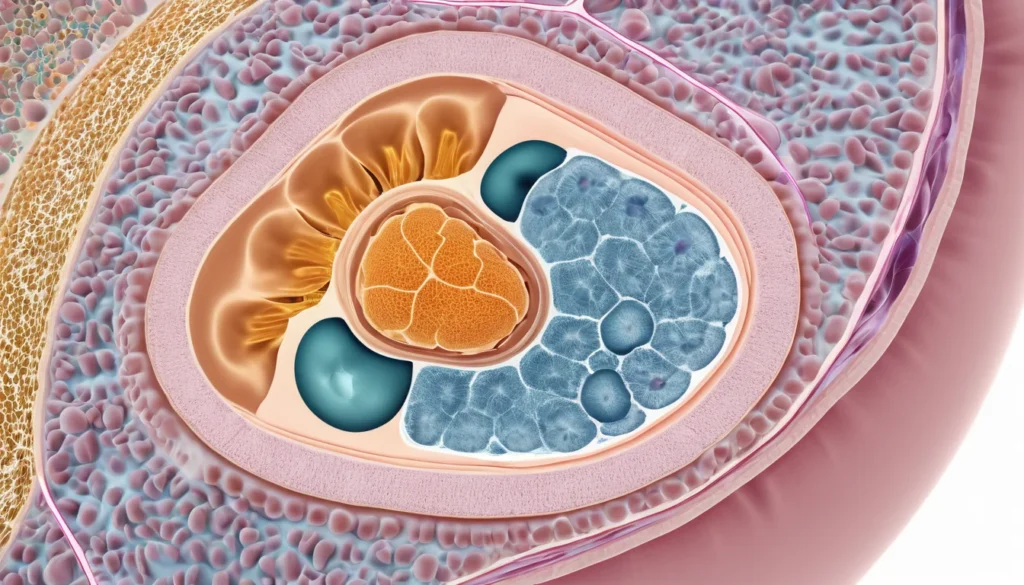
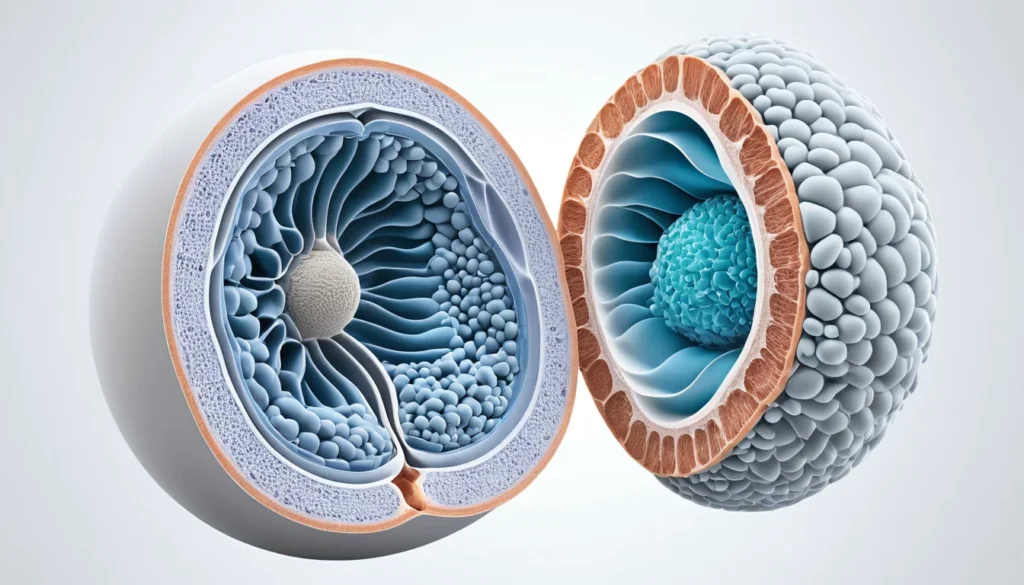
The testicles are the male reproductive organs responsible for producing sperm. They sit just behind and below the penis, inside a pouch of skin called the scrotum. The testicles are also the body’s main source of testosterone, the hormone that drives male development and sexual function.
When abnormal cells grow uncontrolled inside one or both testicles, the result is testicular cancer. Most cases begin in the germ cells, which are the cells that produce sperm. These are called germ cell tumours, and they account for the vast majority of testicular cancer cases.
Risk Factors for Testicular Cancer
Testicular cancer is relatively rare. However, understanding the risk factors helps you and your doctor make informed decisions about testicular cancer screening. A risk factor is anything that raises a person’s chance of developing a disease.
The main risk factors for testicular cancer include the following:
Age: Younger men face a higher risk. Testicular cancer is the most common cancer in men aged 20 to 34. It is the second most common in men aged 35 to 39, and the third most common in those aged 15 to 19.
Family history: Men with a father or brother who had testicular cancer have a greater risk of developing it themselves.
Genetic conditions: Men born with certain conditions, such as Klinefelter syndrome or gonadal dysgenesis, face a higher risk.
Undescended testicle (cryptorchidism): Men born with a testicle that did not descend into the scrotum have an above-average risk, even if the problem was corrected with surgery.
Personal history: Men who have already had testicular cancer in one testicle have an increased risk of developing it in the other.
Race and ethnicity: Testicular cancer is more common in white men than in Black men, though all men can be affected.
In addition, some researchers are studying whether certain occupational exposures and lifestyle factors may also play a role. Talk with your family doctor if any of these risk factors apply to you.
Testicular Cancer Screening Methods
Most testicular cancers are first discovered by the man himself, either by chance or through a deliberate self-examination. Others are found during a routine physical exam with a doctor. Understanding the two main approaches to testicular cancer screening can help you take an active role in your health.
Testicular Self-Examination (TSE)
A testicular self-examination involves checking your own testicles for any unusual lumps, swelling, or changes. Many health professionals suggest doing this once a month, ideally after a warm shower or bath, when the scrotal skin is relaxed. However, it is important to note that no large clinical study has yet proven that regular self-exams reduce the number of deaths from testicular cancer.
To perform a self-exam, gently roll each testicle between your thumb and fingers. Feel for any hard lumps, smooth rounded bumps, or changes in size, shape, or consistency. It is normal for one testicle to be slightly larger than the other. What you are looking for is a change from what is normal for you.
Furthermore, it helps to become familiar with the epididymis, a soft, rope-like structure at the back of each testicle. Men sometimes mistake this for an abnormal lump. If you notice anything unusual, contact your family doctor or visit a walk-in clinic as soon as possible.
Clinical Physical Examination
During a routine physical exam, your doctor will examine your testicles for any signs of abnormality. This is a quick and painless part of a standard check-up. If anything looks or feels unusual, your doctor may refer you to a urologist for further investigation.
At this stage, your doctor may order additional tests. These are no longer screening tests — they become diagnostic tests, meant to find out whether or not cancer is present. Common diagnostic tools include ultrasound, blood tests for tumour markers, and in some cases, biopsy.
Are Screening Tests Proven to Save Lives?
This is an important question. As of now, no large-scale randomized study has confirmed that routine testicular self-exams or clinical exams reduce mortality from testicular cancer. Therefore, major health organizations, including Health Canada, do not currently recommend universal screening for all men.
However, men with known risk factors are often encouraged to be more vigilant. Early detection still plays a meaningful role in treatment outcomes. When caught early, testicular cancer has one of the highest cure rates of any cancer.
Signs and Symptoms to Watch For
Even without a formal screening programme, every man should know the warning signs of testicular cancer. Catching changes early gives you the best chance of successful treatment.
Common signs include:
A painless lump or swelling in one testicle
A feeling of heaviness in the scrotum
A dull ache in the lower abdomen, back, or groin
A sudden collection of fluid in the scrotum
Tenderness or changes in the breast tissue (caused by hormones produced by some tumours)
It is worth noting that many of these symptoms can be caused by conditions other than cancer, such as infections or cysts. Nevertheless, any new or unexplained change should always be checked by a healthcare provider. Do not wait to see if it goes away on its own.
For more detailed information on symptoms and diagnosis, the Mayo Clinic’s guide to testicular cancer is a reliable resource.
Treatment and Outlook
Testicular cancer is one of the most treatable forms of cancer. Even in cases where it has spread to other parts of the body, treatment is often highly effective. The three main treatments are surgery, radiation therapy, and chemotherapy. Often, a combination of these approaches is used.
Surgery to remove the affected testicle, called an orchiectomy, is usually the first step. This procedure does not typically affect fertility or sexual function in the long term, especially if only one testicle is removed. Your specialist will discuss your options with you in detail.
As a result of improved treatments developed since the 1960s, death rates from testicular cancer in Canada have dropped significantly. According to the World Health Organization’s cancer overview, early-stage detection and modern therapies are key factors in improving survival across all cancer types.
When to See a Doctor
You should see a doctor promptly if you notice any lump, swelling, or change in one or both testicles. Do not wait for it to become painful — most testicular cancers are painless in the early stages. Early action makes a real difference.
You have several convenient options in Canada. Your family doctor is always your first point of contact for any new health concern. If you do not have a family doctor, or if you cannot get a timely appointment, visit a walk-in clinic in your area. Most provincial health plans cover these visits at no direct cost to you.
Men with identified risk factors — such as an undescended testicle, a family history of testicular cancer, or a previous diagnosis — should speak with their doctor about a regular monitoring plan. Your doctor can help you decide how often you should be examined and whether any further tests make sense for your situation.
Always consult a qualified healthcare professional before making any decisions about your health. The information in this article is for educational purposes and is not a substitute for medical advice.
Frequently Asked Questions
What age should men start testicular cancer screening?
Testicular cancer screening and awareness are most important for men between the ages of 15 and 40, as this is when the disease is most common. There is no universal age guideline for formal screening in Canada, but young men should learn how to perform a monthly self-examination. Talk with your family doctor about your personal risk factors.
How do I perform a testicular self-exam?
To perform a testicular self-exam, gently roll each testicle between your thumb and fingers after a warm shower, when the skin is relaxed. Feel for any hard lumps, changes in size, or unusual firmness. If you notice anything different from normal, contact your family doctor or a walk-in clinic right away.
Is testicular cancer screening covered by provincial health plans in Canada?
A routine physical exam that includes a clinical testicular examination is generally covered by provincial health plans across Canada. If your doctor refers you for further diagnostic tests, such as an ultrasound, those are typically covered as well. Check with your provincial health authority for details specific to your province.
What are the early signs of testicular cancer?
The most common early sign is a painless lump or swelling on one testicle. Other signs include a feeling of heaviness in the scrotum, a dull ache in the groin or lower back, and fluid build-up in the scrotum. Because many of these symptoms can have other causes, a doctor should always assess them promptly.
Can testicular cancer be cured?
Yes, testicular cancer has one of the highest cure rates of any cancer, especially when caught early. Even cases that have spread to other parts of the body often respond very well to treatment with surgery, chemotherapy, or radiation. Testicular cancer screening and early detection are key to the best possible outcomes.
Who is most at risk of developing testicular cancer?
Men most at risk include those with an undescended testicle, a family history of the disease, or a previous diagnosis of testicular cancer in the other testicle. Young men between 20 and 34 are the most commonly affected age group. If you have any of these risk factors, speak with your doctor about a testicular cancer screening plan.
Key Takeaways
Testicular cancer screening involves checking for early signs of cancer before symptoms appear, through self-examination or a clinical exam.
Testicular cancer is most common in men aged 20 to 34, but it can affect males of all ages.
Key risk factors include an undescended testicle, family history, certain genetic conditions, and a previous testicular cancer diagnosis.
Most cases are first discovered through self-examination. Learning how to check yourself monthly is a simple and valuable habit.
No formal universal screening programme is recommended in Canada, but men with risk factors should speak with their doctor.
Testicular cancer is highly treatable, especially when found early. Death rates have dropped dramatically since the 1960s.
If you notice any lump, swelling, or change in your testicles, see your family doctor or visit a walk-in clinic promptly. Your provincial health plan covers these visits.
Always speak with a qualified healthcare provider for personal medical advice.