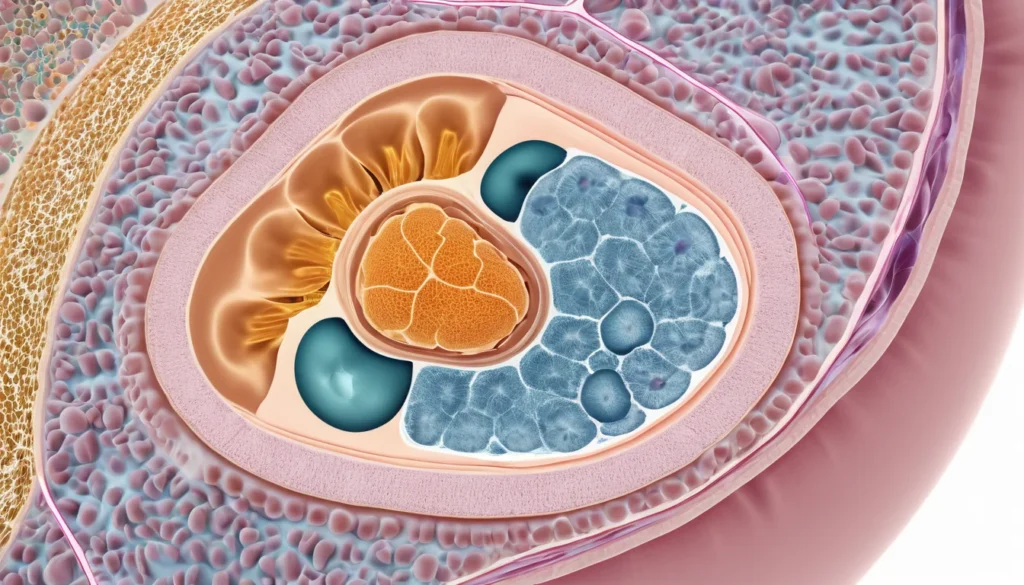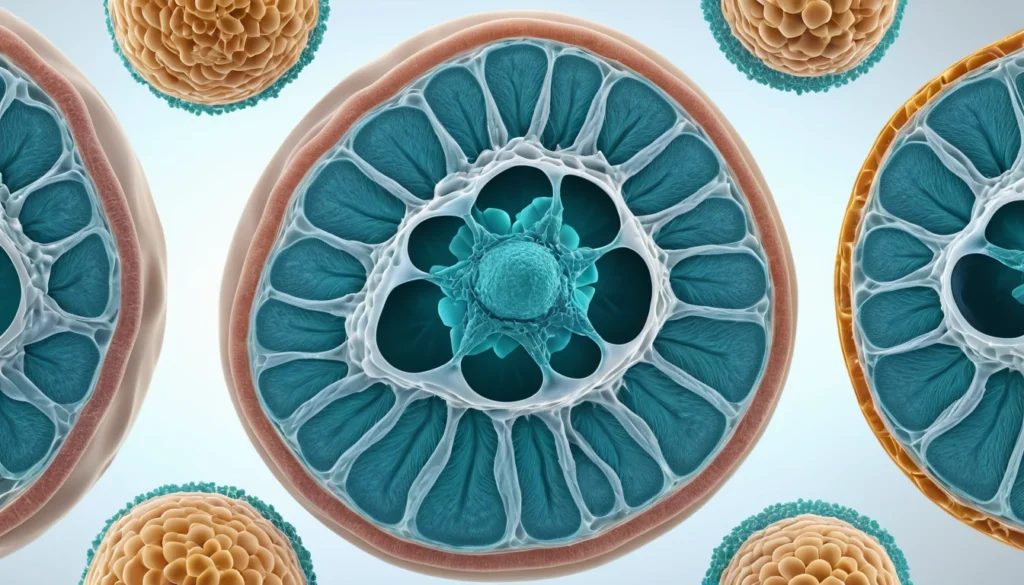
A teratoma is a rare type of tumour that can contain different kinds of tissue — including hair, teeth, bone, or muscle. It grows from germ cells, which are the reproductive cells in the body. A teratoma can be benign (non-cancerous) or malignant (cancerous), and it can affect people of any age. In this article, you will learn about the different types of teratoma, their symptoms, how they are diagnosed, and what treatment options are available.
What Is a Teratoma?
A teratoma is a germ cell tumour, meaning it starts in the cells that the body uses for reproduction. Germ cells are unique because they have the ability to develop into many different types of tissue. When something disrupts this process, a teratoma can form.
These tumours can contain surprisingly varied tissue. For example, a teratoma might include hair follicles, teeth, or even muscle fibres. This unusual makeup is what sets teratomas apart from other types of tumours.
Teratomas most commonly form in the ovaries, testicles, and the tailbone area (called the sacrococcygeal region). However, they can appear in other parts of the body as well. Some teratomas are even detected before birth during routine prenatal imaging.
According to Mayo Clinic, germ cell tumours like teratomas are generally rare, but their frequency depends on where in the body they develop.
Types of Teratoma by Location
There are several types of teratoma, and doctors classify them largely by where they appear in the body. Each type has its own characteristics and affects different groups of people.
Sacrococcygeal Teratoma
A sacrococcygeal teratoma forms at the base of the spine, near the tailbone. It is the most common tumour found in newborns, affecting approximately 1 in every 20,000 to 40,000 births. This type appears more often in female newborns than in male newborns.
In many cases, this teratoma is detected before birth through ultrasound imaging. Early detection allows medical teams to plan for a safe delivery and prompt treatment after birth.
Ovarian Teratoma
An ovarian teratoma forms in one or both ovaries. It is the most common germ cell tumour in women under the age of 45. In fact, ovarian teratomas make up 10% to 20% of all ovarian tumours.
Most ovarian teratomas are benign. However, some can become malignant, so regular monitoring by your family doctor or gynaecologist is important.
Testicular Teratoma
A testicular teratoma develops inside the testicle. It is the second most common testicular tumour in men between the ages of 20 and 35. Testicular teratomas account for roughly 4% to 9% of all testicular tumours.
Men in this age group are encouraged to perform regular self-examinations. Any unusual lump or swelling should be assessed promptly by a healthcare provider.
Fetus-in-Fetu Teratoma
This is an extremely rare form of teratoma, occurring in approximately 1 in every 500,000 newborns. A fetus-in-fetu teratoma contains living tissue that resembles a malformed foetus. In 90% of cases, it is discovered within the first 18 months of life.
Because there is no placenta or amniotic sac, the foetal tissue cannot develop further. There are two main theories about how this type of teratoma forms. The first suggests it is the remnant of a twin that could not develop in the womb. The second theory proposes it is a highly developed dermoid cyst — a non-cancerous growth present from birth.
Types of Teratoma by Maturity
In addition to location, doctors also classify teratomas by how mature the tissue inside them is. This classification helps determine how the tumour might behave and what treatment is needed.
Mature Teratoma
A mature teratoma is usually benign. However, it is more likely to come back after surgical removal than other types. Doctors will typically recommend follow-up imaging to monitor for any recurrence.
Immature Teratoma
An immature teratoma is more likely to become malignant. It can contain elements of other cancers, such as sarcoma, carcinoma, or leukaemia — cancers that do not involve germ cells. As a result, immature teratomas require more aggressive treatment and closer monitoring.
Signs and Symptoms of a Teratoma
Many people with a teratoma have no symptoms at first. When symptoms do appear, they vary depending on where the tumour is located. It is important to pay attention to changes in your body and speak with your family doctor if something feels wrong.
General symptoms that may appear with any type of teratoma include:
Local pain near the tumour
Bleeding
Swelling or signs of inflammation
Slightly elevated levels of hCG (human chorionic gonadotropin), a hormone sometimes used as a tumour marker
Slightly elevated levels of alpha-fetoprotein (AFP), another tumour marker
Sacrococcygeal Teratoma Symptoms
This teratoma can form on the inner or outer side of the tailbone. Symptoms may include:
A visible mass in the tailbone area
Abdominal pain
Constipation
Painful urination (called dysuria)
Swelling in the pubic area
Weakness in the legs
Ovarian Teratoma Symptoms
The most notable symptom of an ovarian teratoma is intense abdominal or pelvic pain. This pain happens because the tumour puts pressure on the ovary. In some cases, the tumour can cause the ovary to twist — a condition called ovarian torsion — which is a medical emergency.
Testicular Teratoma Symptoms
The main symptom of a testicular teratoma is swelling of the testicle, or a firm lump that can be felt. In some cases, however, men with this type of teratoma have no symptoms at all. This is why regular self-exams are so valuable.
Causes and Risk Factors
The exact cause of a teratoma is not yet fully understood. Researchers believe teratomas form when germ cells — which are normally undifferentiated, meaning they have not yet become a specific type of cell — undergo a disruption in their development process.
There are no clearly identified lifestyle risk factors for teratoma at this time. According to Healthline, teratomas are generally considered congenital, meaning they begin to develop before birth.
Because the cause is not well understood, there is currently no known way to prevent a teratoma from forming. Ongoing research continues to explore the genetic and developmental factors involved.
How Is a Teratoma Diagnosed?
If your doctor suspects a teratoma, they will start with a physical examination and a full discussion of your symptoms and medical history. This is a standard part of care whether you visit your family doctor or a specialist through a referral under your provincial health plan.
The following tests are commonly used to diagnose a teratoma:
Imaging tests: X-rays, CT scans, MRI scans, and ultrasounds can confirm the presence of a tumour and show its size, shape, and exact location.
Blood tests: These measure hormone levels and tumour markers such as AFP and hCG.
Biopsy: A small sample of tissue is taken from the tumour and examined in a lab to determine whether it is malignant or benign.
Thanks to advances in prenatal imaging, doctors can now detect a teratoma in an unborn baby during routine pregnancy ultrasounds. This allows for early planning and intervention.
Treatment Options for Teratoma
The first step in treating a teratoma is determining whether it is malignant or benign. However, this does not change the core approach. Nearly all teratomas — even benign ones — require surgical removal. Left untreated, they can grow, rupture, or cause other complications.
If the teratoma is malignant, your doctor may recommend one or more of the following in addition to surgery:
Chemotherapy: Medication that targets and destroys cancer cells, given before or after surgery.
Radiation therapy: High-energy rays used to kill remaining cancer cells, also given before or after surgery.
The goal of combining chemotherapy or radiation with surgery is to make sure all malignant cells are destroyed. Your oncologist and surgical team will work together to create the best plan for your situation. In Canada, cancer treatment is coordinated through provincial cancer programmes such as Cancer Care Ontario or BC Cancer.
For teratomas detected before birth, a team of specialists — including a maternal-fetal medicine doctor and a paediatric surgeon — will typically manage the pregnancy and plan for surgery shortly after delivery. The Health Canada website provides additional information on accessing specialist care through your provincial health system.
When to See a Doctor
You should speak with your family doctor if you notice any unexplained lump, swelling, or persistent pain — especially in the abdominal, pelvic, or testicular area. Do not wait to see if the symptom goes away on its own.
If you do not have a family doctor, a walk-in clinic is a good first step. The doctor there can assess your symptoms, order initial tests, and refer you to the appropriate specialist through your provincial health plan if needed.
For pregnant individuals, discuss any unusual findings from your prenatal ultrasound with your obstetrician or midwife right away. Early detection of a teratoma in a foetus greatly improves outcomes.
Always consult a qualified healthcare provider for any health concerns. The information in this article is for educational purposes only and is not a substitute for professional medical advice.
Frequently Asked Questions About Teratoma
What is a teratoma made of?
A teratoma is a type of germ cell tumour that can contain many different kinds of tissue, including hair, teeth, bone, muscle, and skin. This unusual mix of tissue is what makes a teratoma unique compared to other tumours. The tissue can be either mature (well-formed) or immature (underdeveloped).
Is a teratoma always cancerous?
No, a teratoma is not always cancerous. Many teratomas are benign (non-cancerous), especially mature ovarian teratomas. However, immature teratomas have a higher risk of becoming malignant, so all teratomas should be evaluated and treated by a doctor.
Can a teratoma be detected before birth?
Yes, a teratoma can often be detected before birth through routine prenatal ultrasound imaging. Sacrococcygeal teratomas, in particular, are frequently identified during pregnancy. Early detection allows doctors to plan for a safe delivery and schedule surgery soon after birth.
How is a teratoma treated?
Most teratomas are treated with surgical removal, even if they are benign. If the teratoma is malignant, chemotherapy or radiation therapy may also be recommended alongside surgery. In Canada, cancer treatment is managed through your provincial cancer programme and a team of specialists.
Can a teratoma come back after surgery?
Yes, a teratoma — particularly a mature teratoma — can recur after surgical removal. This is why regular follow-up appointments and imaging are important after treatment. Your healthcare team will create a monitoring plan suited to your specific situation.
Who is most at risk of developing a teratoma?
Teratomas can affect people of any age, including newborns and adults. Ovarian teratomas are most common in women under 45, while testicular teratomas most often affect men between ages 20 and 35. The exact cause is not known, and no specific lifestyle risk factors have been identified.
Key Takeaways
A teratoma is a rare germ cell tumour that can contain tissue such as hair, teeth, or bone.
The most common locations are the ovaries, testicles, and tailbone (sacrococcygeal region).
Teratomas can be benign or malignant, and are further classified as mature or immature.
Symptoms vary by location but may include pain, swelling, or a noticeable lump.
Diagnosis involves imaging tests, blood work, and sometimes a biopsy.
Almost all teratomas require surgical removal, with chemotherapy or radiation added for malignant cases.
If you notice unusual lumps or pain, speak with your family doctor or visit a walk-in clinic.
Always consult a healthcare professional for personal medical advice.