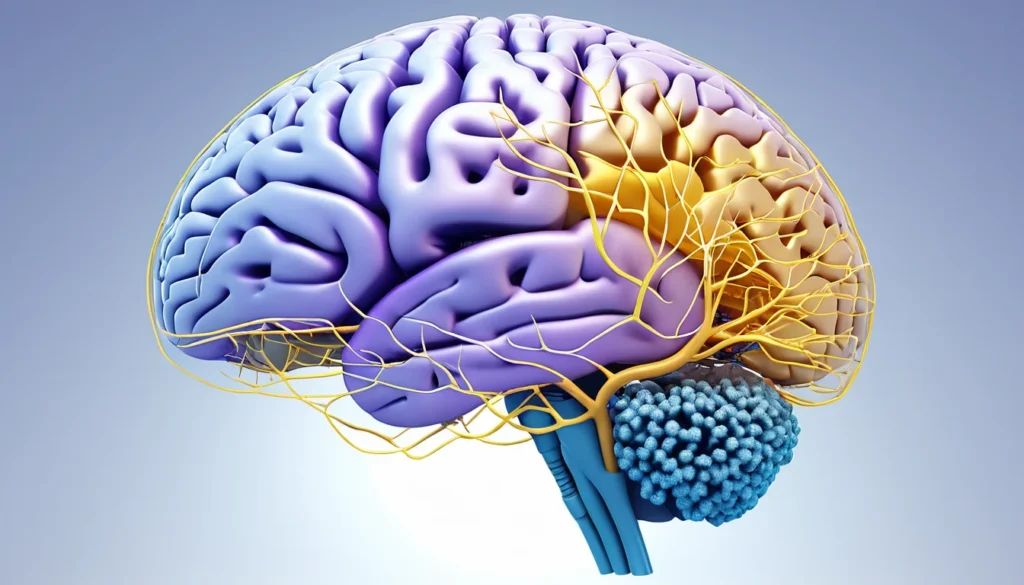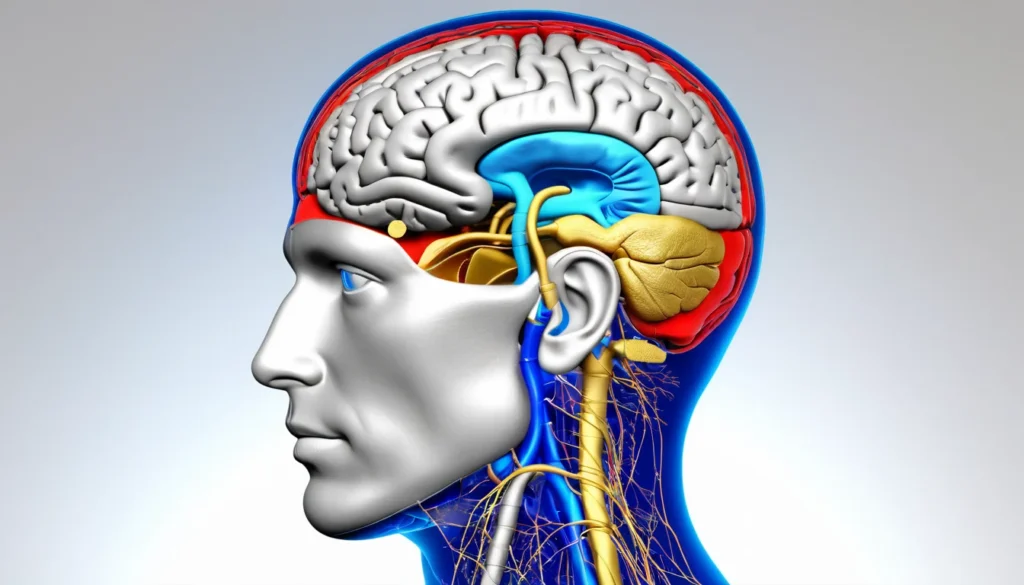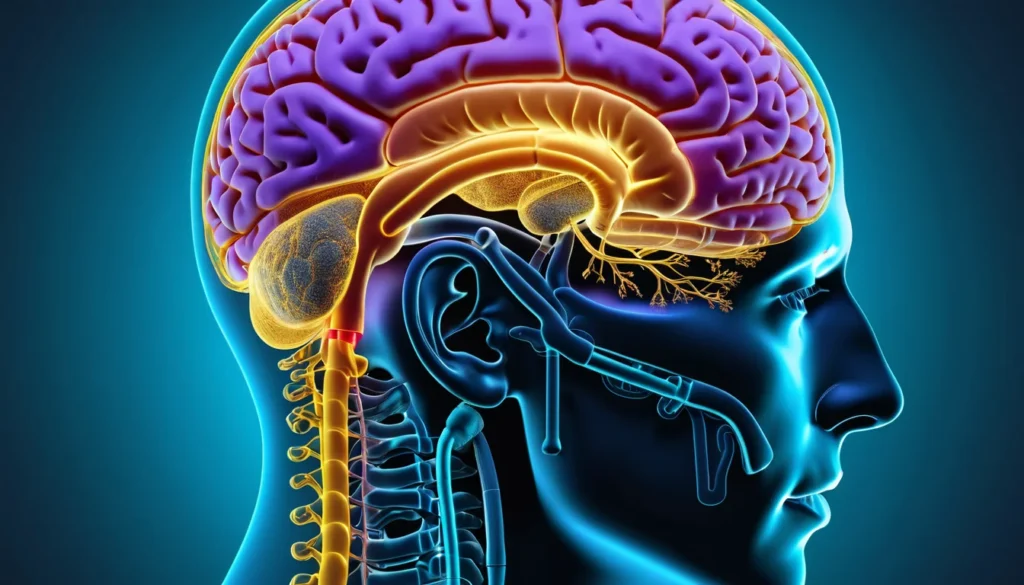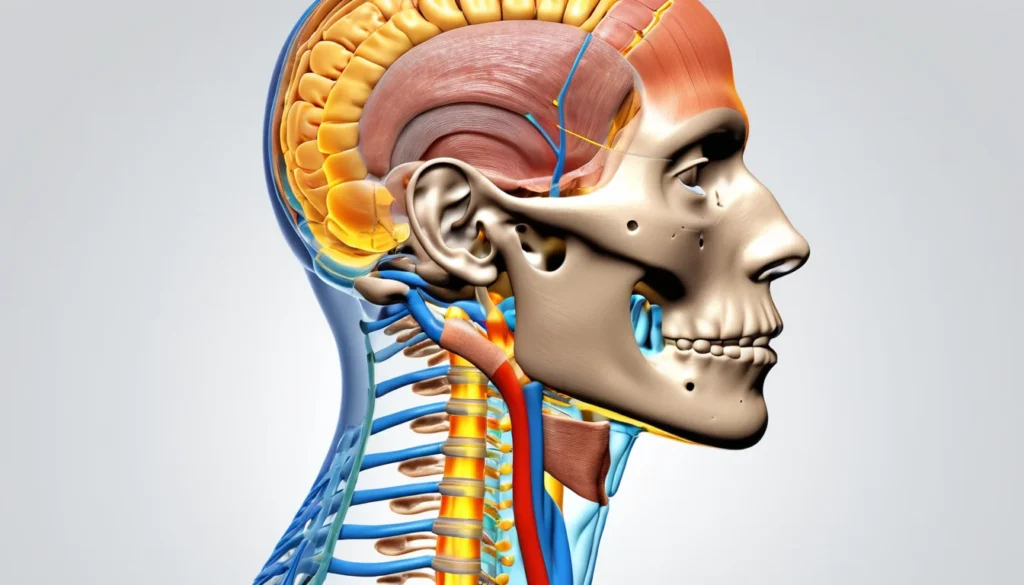
Tension headaches are the most common type of headache in Canada. They cause a dull, pressing pain around the forehead, temples, or the back of the head and neck. Most people will experience a tension headache at some point in their lives. In this article, you will learn what causes them, how to recognize the symptoms, and when to seek help from your family doctor or a walk-in clinic.
What Are Tension Headaches?
A tension headache feels like a steady pressure or tightening sensation. Unlike migraines, the pain does not usually throb or pulse. Most tension headaches are mild to moderate in intensity and do not stop you from going about your day.
However, some people experience severe or long-lasting episodes. The pain can last anywhere from 30 minutes to several days. Tension headaches tend to come back, especially during stressful periods in your life.
There are two main types: episodic and chronic. Episodic tension headaches happen fewer than 15 days per month. Chronic tension headaches occur 15 or more days per month for at least six months.
What Causes Tension Headaches?
The exact cause of tension headaches is not fully understood. Researchers believe several factors work together to trigger them. In the past, doctors thought muscle tension in the neck, face, jaw, and scalp was the main cause.
Today, experts also believe that changes in brain chemistry play an important role. The pain seems to involve two separate pathways. One pathway is linked to the muscles and nerves around the head and neck. The other involves deeper changes in the central nervous system, similar to what happens in migraines.
Common Triggers
Many everyday factors can bring on a tension headache. Knowing your triggers can help you prevent them. Common triggers include:
Stress, anxiety, or depression
Poor posture, such as sitting at a desk for long periods
Fatigue or lack of sleep
Skipping meals or not drinking enough water
Eye strain from screens or uncorrected vision problems
Muscle tension in the neck or shoulders
Anger or emotional upset
In addition, prolonged sitting in an uncomfortable position can strain the muscles that support your head. Even minor changes in your daily routine can be enough to trigger an episode.
Recognizing the Symptoms
Tension headaches have a distinct set of symptoms that set them apart from other headache types. Learning to recognize these signs can help you manage them more effectively. The Mayo Clinic describes tension headaches as one of the most recognizable yet most misunderstood conditions.
Main Symptoms
A steady, non-throbbing pain on both sides of the head
A feeling of pressure or tightness across the forehead
Aching pain at the temples or back of the head and neck
Pain that is spread out rather than focused in one spot
Unlike migraines, tension headaches do not usually come with nausea, vomiting, or sensitivity to light and sound. They are also less likely to stop you from completing your daily activities. However, in some chronic cases, mild nausea or light sensitivity can occur.
When Does It Become Chronic?
A tension headache becomes chronic when it occurs on 15 or more days per month. Chronic tension headaches are often linked to anxiety and depression. Unfortunately, these conditions can create a cycle: headaches cause stress, and stress causes more headaches.
Furthermore, people with chronic tension headaches may start to rely heavily on over-the-counter pain relievers. Overusing these medications can actually make headaches worse over time. This is called a medication overuse headache, or rebound headache.
Risk Factors: Who Gets Tension Headaches?
Tension headaches affect people of all ages, including children. However, they are most common in adults between the ages of 30 and 39. As people age beyond this range, the frequency of tension headaches tends to decrease.
About 2% of Canadians experience frequent tension headaches. Symptoms can begin in childhood but become more common during adulthood, often tied to stressful life events such as work pressures, family demands, or financial worries.
Women tend to experience tension headaches slightly more often than men. A stressful lifestyle, poor sleep habits, and a sedentary job are all factors that raise your risk. Healthline outlines additional risk factors for tension headaches that are worth reviewing.
Treatment and Relief Options
The good news is that most tension headaches respond well to simple treatments. Many Canadians manage their headaches without ever needing a prescription. Your approach will depend on how often the headaches occur and how much they affect your life.
Over-the-Counter Medications
For occasional tension headaches, over-the-counter pain relievers are often effective. Common options available at Canadian pharmacies include:
Acetaminophen (Tylenol)
Ibuprofen (Advil, Motrin)
Aspirin
These medications work best when taken at the first sign of a headache. However, you should not take them more than two or three days per week on a regular basis. Overuse can lead to rebound headaches, which are harder to treat.
Non-Medication Approaches
Many people find that lifestyle changes and relaxation techniques reduce the frequency of tension headaches. These approaches are safe, low-cost, and easy to try at home. Helpful strategies include:
Resting in a quiet, dimly lit room
Applying a warm or cool compress to your head or neck
Practising deep breathing or meditation
Gentle stretching or yoga to relieve neck and shoulder tension
Improving your posture at your workstation
Staying well hydrated throughout the day
Maintaining a regular sleep schedule
Therapy, including cognitive behavioural therapy (CBT), can also help. It teaches you to manage stress and break the cycle between anxiety and tension headaches. Ask your family doctor for a referral if you feel this could help you.
Treatment for Chronic Tension Headaches
If you have more than 15 headache days per month for six months or more, your doctor may recommend a preventive treatment plan. This could include prescription medications such as certain antidepressants, which are known to reduce headache frequency. Your doctor will assess your overall health and recommend the best option for you.
When to See a Doctor
Most tension headaches can be managed at home. However, some headache symptoms require prompt medical attention. If you are unsure, your family doctor or a local walk-in clinic is always a good first step. Health Canada recommends seeking care whenever a new or unusual headache concerns you.
Go to an Emergency Room Immediately If You Have:
A sudden, severe headache that comes on like a “thunderclap” — the worst headache of your life
A headache with sudden numbness, weakness, or paralysis on one side of your body
Sudden trouble speaking, understanding speech, or confusion
Sudden vision changes or dizziness
Difficulty walking or loss of balance
A headache with a high fever and stiff neck
A headache with nausea and vomiting that does not go away within 24 hours
These symptoms may signal a stroke, meningitis, or another serious condition. Call 911 or go to your nearest emergency department right away.
See Your Family Doctor or Walk-In Clinic If:
Your headaches are not getting better after one to two days of home treatment
Your headaches are waking you up from sleep
Your headaches are becoming more frequent or more severe over time
You are over 50 and headaches are a new or growing problem
Your headaches start after physical activity, coughing, sneezing, or sexual activity
Your headaches are causing you to miss work or school regularly
You are having trouble with any medications you are taking
Your provincial health plan covers visits to your family doctor for concerns like these. If you do not have a family doctor, most walk-in clinics across Canada can assess and treat tension headaches. Always speak with a healthcare professional before starting any new medication or treatment programme.
Frequently Asked Questions
What does a tension headache feel like?
A tension headache feels like a steady, dull pressure or tightening around your forehead, temples, or the back of your head and neck. The pain is usually on both sides of the head and does not throb or pulse. Unlike migraines, tension headaches rarely cause nausea or sensitivity to light.
How long do tension headaches last?
Tension headaches can last anywhere from 30 minutes to several days. Most episodic tension headaches resolve within a few hours with rest or over-the-counter pain relief. Chronic tension headaches, however, may persist and require a more structured treatment plan from your doctor.
What is the best way to get rid of a tension headache fast?
For quick relief, try taking an over-the-counter pain reliever like acetaminophen or ibuprofen at the first sign of a tension headache. Resting in a quiet room, applying a warm compress to your neck, and practising deep breathing can also help. Staying hydrated and reducing stress are key steps as well.
Can stress cause tension headaches every day?
Yes, ongoing stress is one of the most common triggers for frequent tension headaches. When stress becomes chronic, it can lead to daily or near-daily headaches, which may develop into chronic tension headaches. Managing stress through therapy, exercise, and relaxation techniques can significantly reduce how often they occur.
Are tension headaches dangerous?
In most cases, tension headaches are not dangerous and do not signal a serious underlying condition. However, a sudden severe headache, or one that comes with neurological symptoms like weakness, vision changes, or confusion, should be treated as a medical emergency. When in doubt, see your family doctor or visit a walk-in clinic.
How are tension headaches different from migraines?
Tension headaches cause a steady, pressing pain on both sides of the head, while migraines usually cause a throbbing pain on one side. Migraines are also commonly accompanied by nausea, vomiting, and strong sensitivity to light and sound — symptoms that are not typical of tension headaches. If you are unsure which type you have, your family doctor can help you find out.
Key Takeaways
Tension headaches are the most common headache type and cause a steady, pressing pain around the head and neck.
Common triggers include stress, poor posture, fatigue, dehydration, and eye strain.
Most tension headaches respond well to over-the-counter medications and simple lifestyle changes.
A tension headache becomes chronic when it occurs 15 or more days per month for six months or longer.
Seek emergency care immediately if your headache is sudden and severe, or comes with stroke-like symptoms.
Your family doctor or a walk-in clinic can help if headaches are frequent, worsening, or affecting your daily life.
Always speak with a healthcare professional before starting a new treatment programme for recurring headaches.