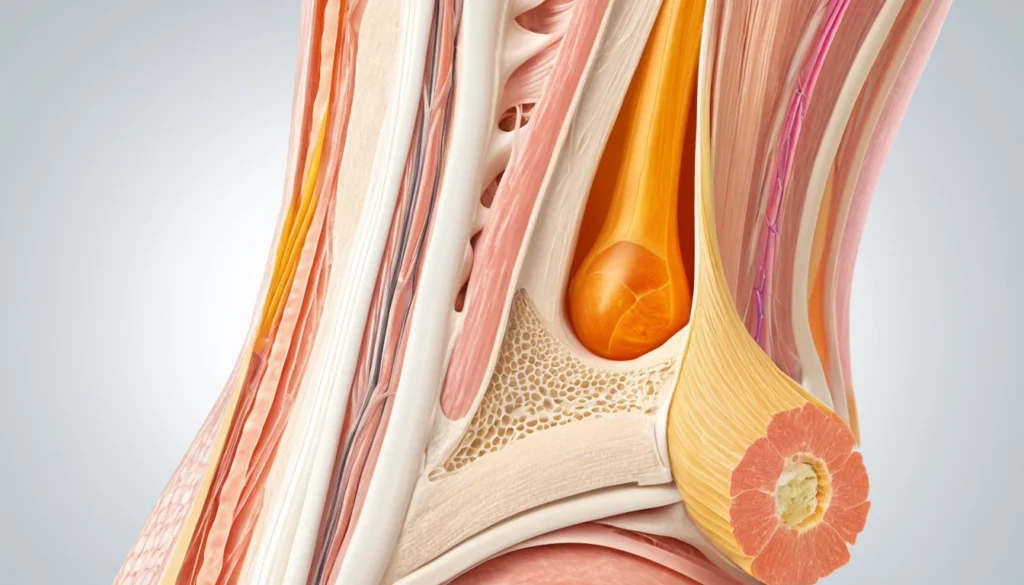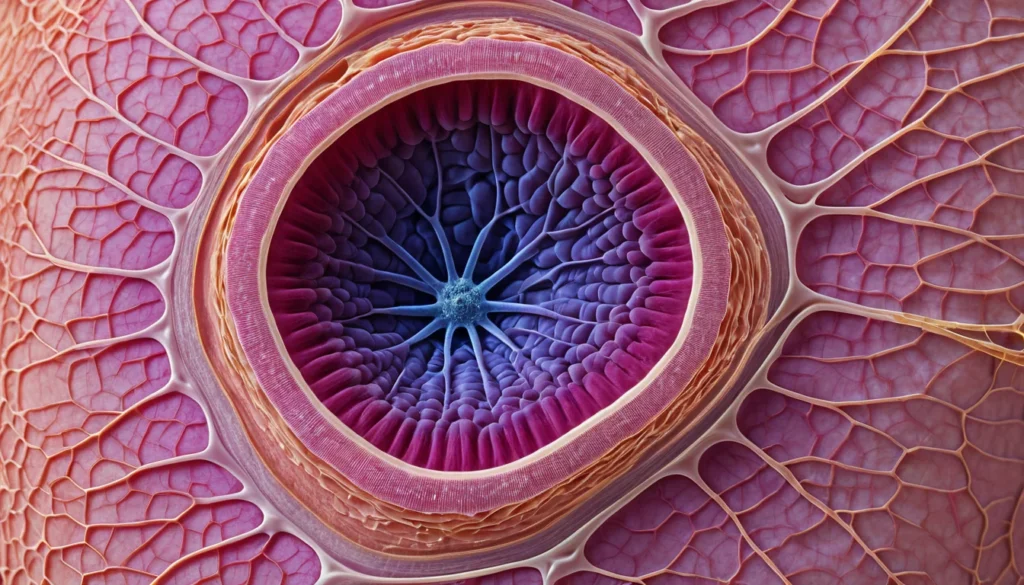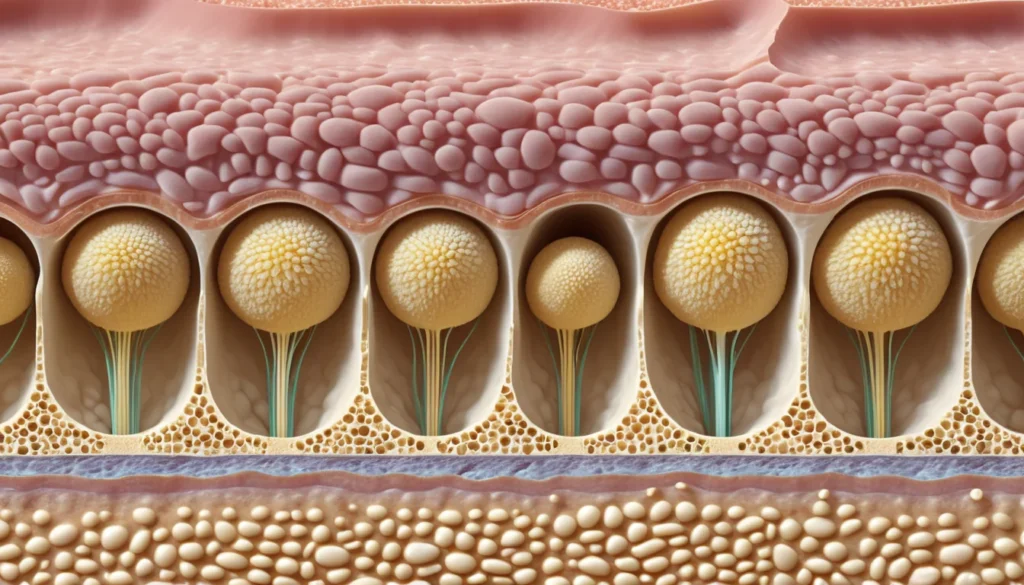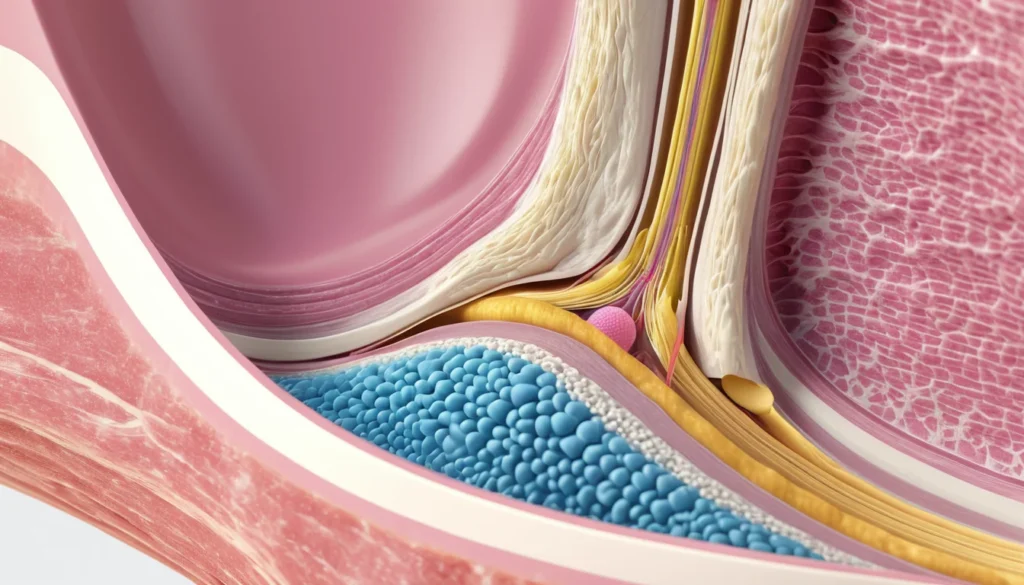
A tendon is a tough, fibrous cord of tissue that connects muscle to bone. Tendons play a key role in every movement your body makes — from walking and gripping to lifting and turning. When a tendon is healthy, you barely notice it. However, when something goes wrong, the pain and limited movement can affect your daily life significantly. This article explains what tendons are, how they work, what can go wrong, and when to seek help from your family doctor or a walk-in clinic.
What Is a Tendon?
A tendon is made up of tightly packed collagen fibres. Collagen is a strong protein that gives tendons their impressive durability. Despite being flexible, tendons have very little stretch on their own — that elasticity comes from the muscle itself.
Tendons are found throughout the entire body. They connect every skeletal muscle to at least one bone. Without tendons, your muscles would have nothing to pull against, and movement would be impossible.
Tendons receive nutrients through very small blood vessels. Because blood flow to tendons is relatively limited compared to muscles, healing after injury can take longer. This is an important reason why tendon injuries require proper care and patience.
The Role of Collagen Fibres in Tendon Strength
Collagen fibres in tendons are arranged in parallel bundles. This structure makes tendons extremely strong in one direction — along the line of pull. As a result, tendons can handle tremendous force without tearing under normal conditions.
However, sudden or unexpected forces — especially at unusual angles — can overwhelm even a healthy tendon. In addition, tendons that are weakened by chronic inflammation or poor nutrition are far more vulnerable to injury.
Tendons and the Synovial Sheath
Not all tendons are the same. Some tendons — particularly those in your hands, wrists, and feet — have an extra protective layer called a synovial sheath. This thin membrane wraps around certain tendons like a sleeve.
The synovial sheath produces a small amount of lubricating fluid. This fluid allows the tendon to glide smoothly through tight spaces, such as the narrow tunnels in your wrist or fingers. Without this lubrication, friction would quickly damage the tendon.
Furthermore, the synovial sheath is very similar in structure to the lining found inside your joints. This means it can also become inflamed — a condition known as tenosynovitis, which we will discuss later in this article.
Which Tendons Have a Synovial Sheath?
Tendons that pass through tight anatomical spaces are the ones most likely to have a synovial sheath. These include the tendons of the fingers and thumb, the tendons crossing the wrist, and several tendons in the foot and ankle. Therefore, these areas are also the most common sites for synovial sheath inflammation.
Common Tendon Conditions
Tendon problems are among the most common musculoskeletal complaints seen in Canadian walk-in clinics and family doctor offices. They range from mild irritation to complete rupture. Understanding the main types of tendon conditions can help you recognize symptoms early and get appropriate treatment.
Tendonitis: Inflammation of the Tendon
Tendonitis (sometimes spelled tendinitis) is inflammation of a tendon. It can develop from a sports injury, repetitive movement at work, or as part of a rheumatic condition such as rheumatoid arthritis. The most common symptom is pain along the tendon, especially with movement.
Tendonitis often develops gradually. For example, someone who suddenly increases their running distance or starts a new job involving repetitive hand movements may develop tendonitis over days or weeks. In addition, age plays a role — tendons become less flexible and more prone to inflammation as we get older.
Common sites for tendonitis include the shoulder (rotator cuff), the elbow (tennis elbow or golfer’s elbow), the wrist, the knee (patellar tendonitis), and the heel (Achilles tendonitis). Each of these areas experiences significant repetitive stress during everyday activities and sports.
According to the Mayo Clinic’s guide to tendinitis, most cases improve with rest, ice, and over-the-counter pain relievers. However, persistent cases may need physiotherapy or other treatments.
Tenosynovitis: Inflammation of the Synovial Sheath
Tenosynovitis is inflammation of the synovial sheath — the protective sleeve surrounding certain tendons. It most commonly affects the tendons of the hands, wrists, and feet. Symptoms include pain, swelling, and sometimes a creaking sensation when moving the affected area.
Tenosynovitis can result from repetitive strain, infection, or inflammatory diseases. One well-known form is De Quervain’s tenosynovitis, which affects the tendons on the thumb side of the wrist. It is especially common in new parents who repeatedly lift their babies with outstretched thumbs.
Treatment depends on the cause. Rest, splinting, anti-inflammatory medications, and physiotherapy are commonly used. In some cases, a corticosteroid injection may be recommended by your doctor.
Tendon Rupture: Partial and Complete Tears
A tendon rupture means the tendon has torn — either partially or completely. This is a more serious injury that often requires medical attention right away. The most well-known example is a rupture of the Achilles tendon, the large tendon at the back of the ankle.
Tendon ruptures can happen in two main ways. First, a sudden violent force — such as jumping, sprinting, or an awkward landing — can tear a healthy tendon, especially without proper warm-up. Second, a tendon already weakened by chronic tendonitis may rupture with far less force.
A deep cut (laceration) to the skin can also sever a tendon, particularly in the hand or wrist. This type of injury often requires surgical repair. Furthermore, certain medications — especially long-term use of fluoroquinolone antibiotics or corticosteroids — are known to weaken tendons and increase rupture risk.
For more information on how tendons heal after injury, visit Healthline’s overview of tendons and ligaments.
Risk Factors for Tendon Injury
Anyone can injure a tendon, but some people face a higher risk than others. Knowing your risk factors can help you take steps to protect your tendons before a problem develops.
Age: Tendons naturally weaken and become less flexible with age. People over 40 are more prone to tendon injuries.
Physical activity: Athletes and people who do repetitive physical work face higher risk, especially without proper conditioning or warm-up.
Sedentary lifestyle: Surprisingly, people who are inactive and then suddenly engage in intense activity are also at high risk.
Certain medications: Fluoroquinolone antibiotics (such as ciprofloxacin) and long-term corticosteroid use can weaken tendon tissue.
Chronic conditions: Rheumatoid arthritis, diabetes, and gout can all affect tendon health.
Obesity: Extra body weight increases the mechanical load on tendons, especially in the lower body.
Poor technique: Improper form during exercise or repetitive work tasks increases stress on tendons.
In addition, not warming up properly before exercise is one of the most common — and most preventable — risk factors for tendon injury in Canada.
How to Keep Your Tendons Healthy
Healthy habits go a long way toward protecting your tendons throughout your life. Prevention is always easier than recovery, especially given how slowly tendons heal.
Warm Up Before Exercise
Always warm up before physical activity. A proper warm-up increases blood flow to muscles and tendons, making them more flexible and less prone to injury. Five to ten minutes of light cardio followed by dynamic stretching is a good approach.
Static stretching — holding a stretch for 30 seconds or more — is better saved for after your workout. However, gentle range-of-motion movements before exercise help prepare tendons for the load to come.
Strengthen Gradually
Increase the intensity of your exercise or physical workload gradually. Tendons adapt to load more slowly than muscles do. Therefore, your muscles may feel ready for more before your tendons are. A general rule is to increase activity by no more than 10% per week.
Eccentric exercises — where you slowly lengthen a muscle under load — are especially effective at strengthening tendons. Physiotherapists in Canada frequently use eccentric training as part of tendon rehabilitation programmes.
Maintain a Healthy Weight and Diet
Staying at a healthy weight reduces the mechanical load on your tendons, especially in the knees, ankles, and hips. Furthermore, eating enough protein and vitamin C supports collagen production, which helps keep tendons strong.
Staying hydrated also matters. Tendons, like all connective tissues, need adequate hydration to maintain their structure and function. Aim for the recommended daily fluid intake based on your age, size, and activity level.
Health Canada provides helpful guidance on balanced nutrition through Canada’s Food Guide, which supports overall musculoskeletal health including tendon care.
When to See a Doctor
Many minor tendon irritations improve with rest, ice, and over-the-counter anti-inflammatory medications such as ibuprofen. However, some situations require professional medical attention. Do not ignore tendon symptoms that persist or worsen.
See your family doctor or visit a walk-in clinic if you experience any of the following:
Pain along a tendon that does not improve after one to two weeks of rest
Sudden, severe pain after physical activity — especially in the Achilles tendon or shoulder
Visible swelling, redness, or warmth over a tendon
A snapping, popping, or tearing sensation at the time of injury
Inability to move a joint or bear weight normally
Tendon pain that follows a deep cut or wound
Symptoms that return repeatedly after short periods of activity
Complete tendon ruptures almost always require urgent medical care. In some cases, surgery is needed to repair the tendon. Your provincial health plan covers most medically necessary tendon treatments, including physiotherapy referrals through your family doctor.
If you are unsure whether your symptoms are serious, a walk-in clinic is a convenient first step. The physician there can assess your injury, order imaging if needed, and refer you to a specialist or physiotherapist as appropriate.
Frequently Asked Questions About Tendons
What is the difference between a tendon and a ligament?
A tendon connects muscle to bone, while a ligament connects bone to bone. Both are made of collagen fibres, but they serve different roles in the body. Tendons transmit the force of muscle contractions to create movement, whereas ligaments stabilize joints.
How long does a tendon injury take to heal?
Tendon healing is generally slower than muscle healing because tendons have a limited blood supply. Minor tendon irritation may improve in a few weeks, but more significant tendon injuries can take several months to heal fully. A physiotherapist can design a rehabilitation programme to support safe recovery.
Can a torn tendon heal without surgery?
Some partial tendon tears can heal with conservative treatment, including rest, immobilization, physiotherapy, and gradual reloading. However, complete tendon ruptures — such as a fully torn Achilles tendon — often require surgical repair, especially in active individuals. Your doctor will assess the severity and recommend the best approach for your situation.
What does tendonitis feel like?
Tendonitis typically causes pain along a tendon that gets worse with movement and better with rest. You may also notice mild swelling or a dull ache near a joint, such as the shoulder, elbow, wrist, or heel. In some cases, the area may feel tender to the touch along the tendon.
Are tendons covered under provincial health plans in Canada?
Yes, medically necessary tendon treatments — including doctor visits, imaging such as ultrasound or MRI, and surgical repair — are generally covered under provincial and territorial health plans across Canada. Physiotherapy coverage varies by province, so check with your provincial health authority or supplemental insurance plan for details.
What foods help strengthen tendons?
Foods rich in protein, vitamin C, and collagen support tendon health. Good choices include lean meats, fish, eggs, legumes, citrus fruits, berries, and leafy greens. Staying hydrated and following a balanced diet — as recommended in Canada’s Food Guide — also helps maintain healthy tendons over time.
Key Takeaways
A tendon is a strong fibrous cord made of collagen that connects muscle to bone. Tendons in the hands, wrists, and feet have a synovial sheath that produces lubricating fluid for smooth movement. The three main tendon conditions are tendonitis (tendon inflammation), tenosynovitis (sheath inflammation), and tendon rupture (partial or complete tear). Risk factors include age, sudden increases in activity, certain medications, and chronic health conditions. Warming up properly, building strength gradually, and maintaining a healthy weight all help protect your tendons. See your family doctor or a walk-in clinic if tendon pain is severe, sudden, or does not improve within one to two weeks. Most tendon treatments are covered under Canadian provincial