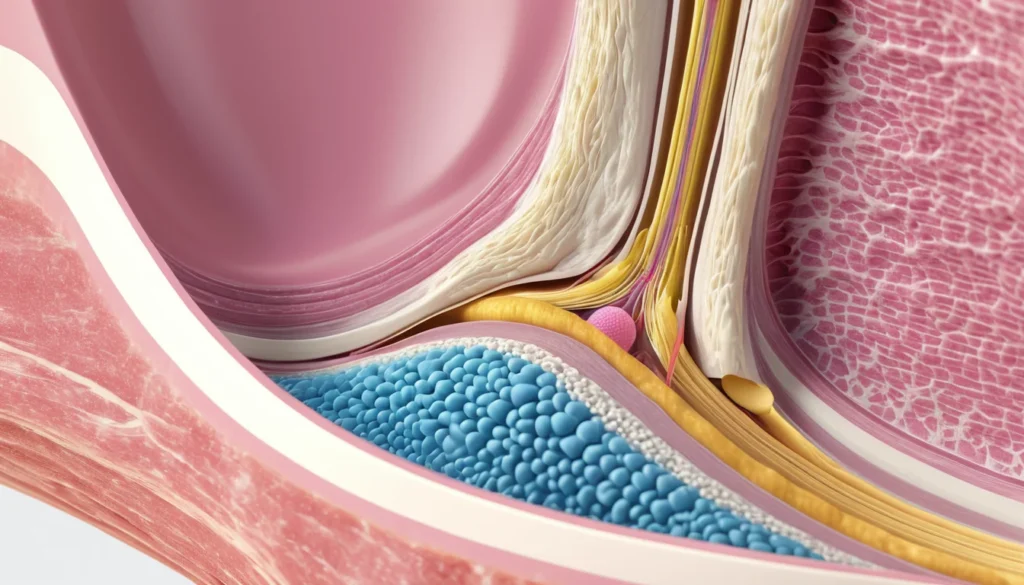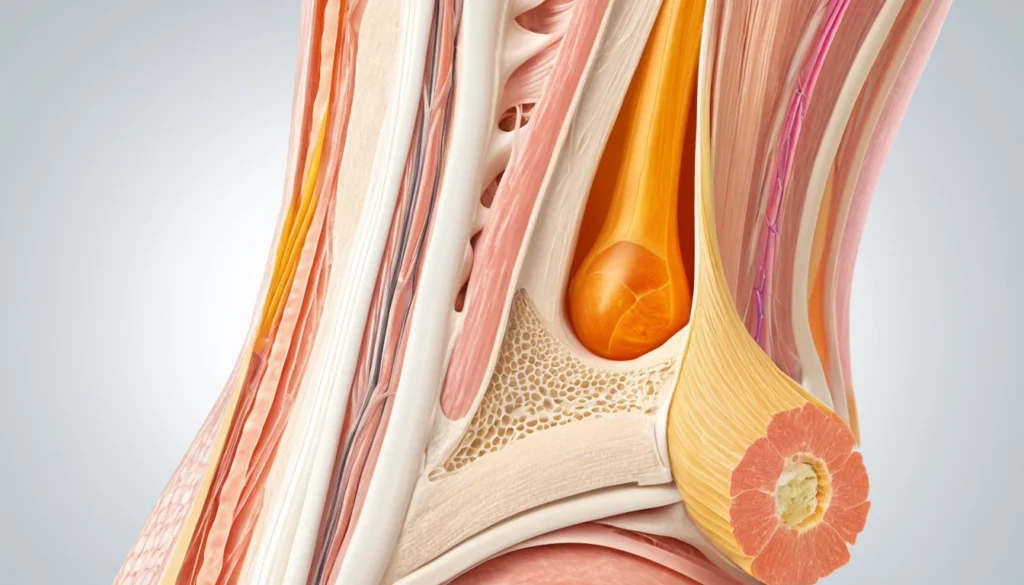
Tendinitis is a condition where a tendon becomes inflamed and painful. A tendon is the tough, fibrous tissue that connects a muscle to a bone. Tendinitis can affect people of all ages and activity levels across Canada. In this article, we explain what causes tendinitis, what symptoms to watch for, and how it is treated.
What Is Tendinitis?
Tendinitis is the inflammation of a tendon. It can develop at the point where a tendon meets a muscle, where it attaches to a bone, or along the middle section of the tendon itself.
Tendons are made up of strong collagen fibres. When these fibres become irritated or damaged, they swell and cause pain. This pain can range from mild discomfort to severe tenderness that limits daily movement.
Tendinitis is a very common condition. According to Mayo Clinic’s overview of tendinitis, it most often affects the shoulder, elbow, wrist, knee, and heel. However, it can occur in almost any part of the body that has a tendon.
Common Causes of Tendinitis
Tendinitis rarely has a single cause. In most cases, several factors work together to irritate the tendon over time.
Repetitive Movements and Overuse
The most common cause of tendinitis is repeated stress on a tendon. This often happens during work or sport. For example, tennis players frequently develop lateral epicondylitis, which many people call “tennis elbow.” Dancers and soccer players may develop tendinitis in the tendons of the inner thigh or hip.
Office workers who perform the same hand or wrist motions all day are also at risk. Therefore, both physical labour and desk work can lead to tendinitis if the body does not get enough rest and recovery time.
Age-Related Wear and Tear
As we age, our tendons naturally lose some of their flexibility and strength. The collagen fibres that make up tendons begin to wear down over time. This degeneration can make tendons more prone to inflammation and even tearing.
Conditions like shoulder tendinitis, sometimes called rotator cuff tendinitis, are especially common in older adults. Furthermore, even low-impact activities can trigger symptoms in tendons that have already been weakened by age.
Underlying Health Conditions
In some cases, tendinitis is linked to a broader inflammatory disease. Conditions such as rheumatoid arthritis and ankylosing spondylitis can cause tendon inflammation throughout the body. For example, ankylosing spondylitis often affects the Achilles tendon, which runs along the back of the heel.
If you have been diagnosed with an inflammatory arthritis condition, your risk of tendinitis is higher. As a result, managing your underlying condition is an important part of protecting your tendons.
Recognising the Symptoms of Tendinitis
Knowing the signs of tendinitis helps you catch it early and seek the right care. The symptoms can vary depending on which tendon is affected and how severe the inflammation is.
Pain
Pain is the main symptom of tendinitis. It is often present even at rest and gets worse when you move the nearby joint. Pressing on the affected area usually makes the pain sharper.
The pain may feel like a dull ache, a burning sensation, or a sharp sting. In addition, the pain often worsens in the morning or after long periods of inactivity.
Swelling and Tenderness
The area around the inflamed tendon may look slightly swollen or feel warm to the touch. Tenderness when pressing on the tendon is a classic sign. You may also notice some stiffness in the joint near the affected tendon.
Reduced Range of Motion
Tendinitis can make it harder to move the affected body part freely. For example, shoulder tendinitis may make it painful to lift your arm above your head. Simple daily tasks like getting dressed or reaching for objects can become difficult.
If you notice that your range of motion is getting worse over time, this is an important sign that the tendinitis needs proper treatment. According to Healthline’s guide on tendinitis symptoms and treatment, untreated tendinitis can progress to chronic pain and tendon rupture.
How Is Tendinitis Diagnosed?
A healthcare provider can usually diagnose tendinitis based on your symptoms and a physical examination. They will ask about your daily activities, work, and any sports you play. They will also press on the area to find the exact location of the pain.
In some cases, your doctor may order imaging tests. An ultrasound or MRI scan can show inflammation, damage to the collagen fibres, or a partial tear in the tendon. These tests help rule out other conditions like a full tendon rupture or a joint problem.
In Canada, your family doctor is usually your first point of contact for a tendinitis diagnosis. If needed, they can refer you to a physiotherapist, sports medicine doctor, or orthopaedic specialist covered under your provincial health plan.
Treatment Options for Tendinitis
Most cases of tendinitis respond well to conservative treatment. The goal is to reduce inflammation, relieve pain, and allow the tendon to heal properly.
Rest and Activity Modification
The first step in treating tendinitis is to rest the affected area. This does not mean you must stop all movement. However, you should avoid the specific activity that caused the problem. Continuing to stress an inflamed tendon will make it worse and slow healing.
Modifying how you perform certain tasks can also help. For example, using proper technique during sport or adjusting your workstation ergonomics can take pressure off the affected tendon.
Anti-Inflammatory Medications
Non-steroidal anti-inflammatory drugs, or NSAIDs, are commonly used to reduce pain and swelling. These include medications like ibuprofen and naproxen, which are available over the counter at Canadian pharmacies.
Anti-inflammatory gels and creams applied directly to the skin can also be effective for mild to moderate tendinitis. In more stubborn cases, a doctor may recommend a corticosteroid injection directly into the area around the tendon to calm the inflammation quickly.
Physiotherapy
Physiotherapy plays a very important role in tendinitis recovery. A registered physiotherapist can design a programme of exercises to stretch and strengthen the muscles around the affected tendon. This helps reduce stress on the tendon and prevents the problem from coming back.
Treatment may also include ultrasound therapy or other techniques to promote healing in the tendon tissue. Many provincial health plans in Canada offer some coverage for physiotherapy. Check with your insurer or provincial plan to find out what is available to you.
Surgery
Surgery is rarely needed for tendinitis. However, it may be considered if the tendon has not improved after several months of conservative treatment. Surgery is also sometimes necessary when a tendon has completely torn.
Recovery from tendon surgery can take several months, followed by a structured rehabilitation programme. Your surgeon and physiotherapist will work together to guide your recovery.
When to See a Doctor
You should see your family doctor if your tendon pain lasts more than a few days and does not improve with rest. You should also seek care if the pain is severe, is getting worse, or is affecting your ability to carry out daily activities.
If you do not have a family doctor or cannot get a timely appointment, a walk-in clinic is a good option. Walk-in clinics across Canada can assess tendinitis, recommend treatment, and provide referrals to specialists if needed.
Seek immediate medical attention if you hear or feel a sudden “pop” in a tendon. This may indicate a complete rupture, which requires urgent care. As noted by Health Canada, getting prompt care for musculoskeletal injuries leads to better long-term outcomes.
Always consult your healthcare provider before starting any new treatment for tendinitis. What works for one person may not be appropriate for another.
Frequently Asked Questions About Tendinitis
How long does tendinitis take to heal?
Most mild cases of tendinitis improve within a few weeks with proper rest and treatment. However, chronic or severe tendinitis can take several months to fully heal. Following your physiotherapy programme consistently gives you the best chance of a complete recovery.
Can tendinitis go away on its own?
Mild tendinitis may improve with rest and over-the-counter anti-inflammatory medication. However, ignoring tendinitis and continuing the activity that caused it often makes the condition worse. Untreated tendinitis can become chronic and increase the risk of a tendon tear.
What is the difference between tendinitis and tendinosis?
Tendinitis refers to acute inflammation of a tendon, usually caused by a sudden injury or overuse. Tendinosis is a longer-term condition where the tendon tissue breaks down without significant inflammation. Both conditions cause tendon pain, but they may require different treatment approaches.
Is it safe to exercise with tendinitis?
Light, low-impact movement is often encouraged during tendinitis recovery, but you should avoid any activity that causes pain. A physiotherapist can guide you through safe exercises that support healing without further stressing the tendon. Always check with your healthcare provider before returning to sport or intense physical activity.
What foods help with tendinitis?
A diet rich in anti-inflammatory foods may support tendon healing. Foods high in vitamin C, omega-3 fatty acids, and protein all contribute to healthy collagen fibre production. However, diet alone cannot treat tendinitis and should be combined with proper medical care.
Can tendinitis come back after treatment?
Yes, tendinitis can recur if the underlying cause is not addressed. Returning too quickly to the activity that caused the problem is a common reason for relapse. Completing your full physiotherapy programme and making lasting changes to technique or workload greatly reduces the chance of tendinitis returning.
Key Takeaways
Tendinitis is inflammation of a tendon, the fibrous tissue connecting muscle to bone.
It is most often caused by repetitive movements, overuse, age-related degeneration, or an underlying inflammatory disease.
The main symptom is pain, which is often worse with movement and at the site of the tendon.
Untreated tendinitis can lead to chronic pain or a tendon rupture.
Treatment includes rest, anti-inflammatory medication, physiotherapy, and in rare cases, surgery.
Your family doctor or walk-in clinic is the right first step for diagnosis and care in Canada.
Always speak with a healthcare provider before starting any treatment programme for tendinitis.