Have you noticed small red, purple, or blue lines on your skin that look like tiny webs or stars? These markings are often called telangiectasia. They form when small blood vessels near the surface of your skin permanently widen. They are very common, usually harmless, and can appear on the face, legs, or other parts of the body. This article explains what telangiectasia is, what causes it, and what your options are if you want to treat it.
What Is Telangiectasia?
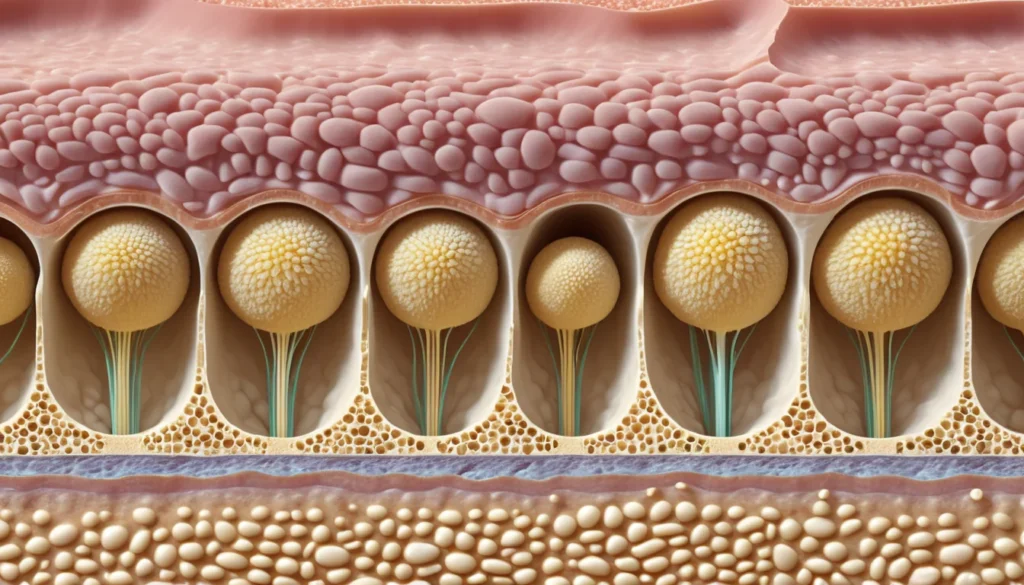
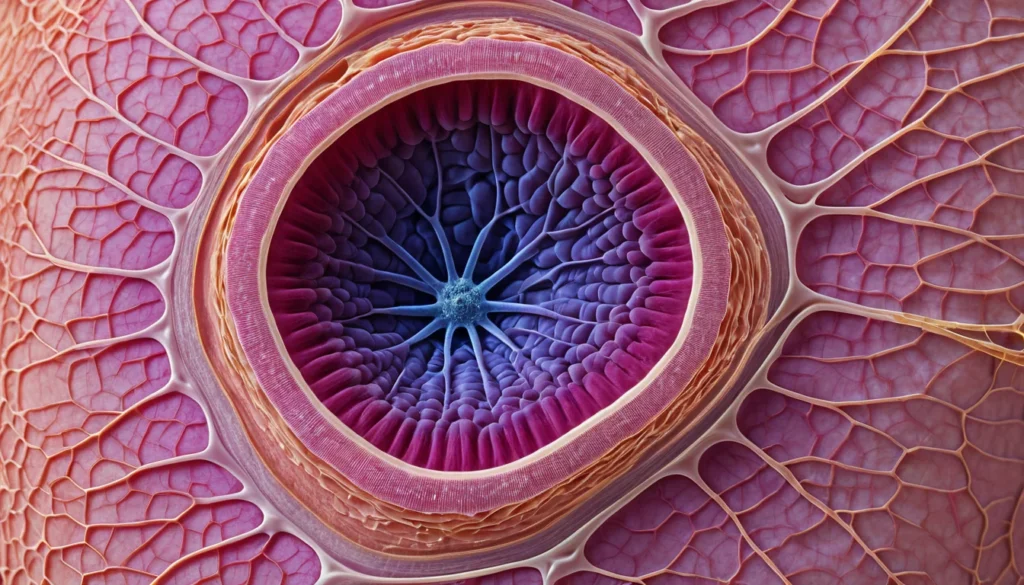
Telangiectasia refers to the permanent widening of small blood vessels in the skin. These vessels include tiny arteries called arterioles, capillaries, and small veins called venules. When they dilate and stay that way, they become visible through the skin.
The result is a pattern of fine red or purple lines. These lines can be straight or wavy, and they range from a few millimetres to a few centimetres in length. Sometimes they form a web-like network. Other times they spread out from a central point, creating a shape that looks like a small star. This star-shaped form is often called a spider angioma.
Telangiectasia is not a disease on its own. Instead, it is a visible sign that can point to different underlying conditions. In many cases, however, it appears without any known cause at all.
Types of Telangiectasia: Acquired vs. Congenital
There are two broad categories of telangiectasia. The first is acquired telangiectasia, which develops during your lifetime. The second is congenital telangiectasia, which you are born with or that appears due to a genetic condition. By far, the acquired form is much more common.
Acquired Telangiectasia
Acquired telangiectasia can develop for many reasons. Some cases have a straightforward local cause. For example, a skin injury, long-term use of topical corticosteroid creams, or radiation therapy can all damage small blood vessels and lead to telangiectasia.
In other cases, telangiectasia develops as a result of an underlying health condition. These conditions can be widespread throughout the body, such as sarcoidosis, scleroderma, or lupus erythematosus. They can also be more localised, such as rosacea, chronic venous insufficiency in the legs, or spider angiomas that appear during pregnancy or liver disease.
Furthermore, many people develop telangiectasia with no identifiable cause whatsoever. In these situations, the visible vessels appear on their own, most often on the nose, cheeks, or legs. This is especially common in people who spend a lot of time in the sun or who have fair skin.
Congenital Telangiectasia
Congenital forms of telangiectasia are much rarer. They are usually a symptom of a complex inherited disorder. Two well-known examples are hereditary haemorrhagic telangiectasia (also called Rendu-Osler-Weber syndrome) and ataxia-telangiectasia.
Hereditary haemorrhagic telangiectasia causes telangiectasia to form in the skin, mucous membranes, and internal organs. This can lead to serious bleeding episodes. Ataxia-telangiectasia is a neurological condition that also affects the immune system. Both conditions require ongoing medical management.
Common Causes and Risk Factors
Understanding the causes of telangiectasia can help you identify why you may be developing it. Several factors are well-established as contributors to this condition.
Sun exposure is one of the most common causes. Ultraviolet rays weaken the walls of small blood vessels over time. As a result, they can dilate and remain visible beneath the skin. This is a major reason why telangiectasia often appears on the face, especially the nose and cheeks, in people who spend time outdoors.
Age also plays a significant role. As skin becomes thinner and less elastic with age, blood vessels become more visible. Hormonal changes, particularly during pregnancy or with the use of oral contraceptives, can also trigger the development of spider veins and telangiectasia.
In addition, the following factors are known to raise your risk:
Long-term use of topical steroid creams — these can thin the skin and damage blood vessel walls
Rosacea — a chronic skin condition that frequently causes facial telangiectasia
Chronic venous insufficiency — poor circulation in the legs leads to increased pressure in leg veins
Radiation therapy — can permanently damage small vessels in the treated area
Liver disease — impairs the breakdown of hormones that affect blood vessels
Family history — genetics can make some people more prone to developing visible vessels
Prolonged standing — people who stand for long periods at work may develop leg telangiectasia over time
It is worth noting that telangiectasia can affect anyone. However, women are more commonly affected than men, particularly on the legs. According to Mayo Clinic’s vascular health resources, spider veins affect up to 41% of women over age 50.
What Does Telangiectasia Look Like?
Telangiectasia appears as thin, thread-like lines on the skin. The colour can range from bright red to deep purple or blue, depending on whether arterioles, capillaries, or venules are involved. Red vessels tend to be arterial, while blue or purple ones are usually venous.
On the face, telangiectasia most often appears on the nose, cheeks, and chin. On the legs, it tends to cluster around the thighs, calves, and ankles. Spider angiomas — the star-shaped form — are particularly common on the face, chest, and upper arms.
The markings do not usually cause pain. However, some people report mild burning, itching, or a feeling of warmth over affected areas, particularly on the legs. In most cases, telangiectasia is entirely a cosmetic concern.
If telangiectasia appears alongside other symptoms — such as frequent nosebleeds, bleeding from the gums, or digestive bleeding — this may point to a more serious underlying condition. In that case, prompt medical attention is important. You can learn more from Healthline’s overview of telangiectasia and related conditions.
Diagnosis: How Is Telangiectasia Identified?
A doctor can usually identify telangiectasia through a simple visual examination of the skin. No special tests are typically needed to diagnose the markings themselves. However, your doctor may want to investigate the underlying cause.
Your family doctor or a dermatologist may ask about your medical history, your medications, any skin conditions you have, and whether telangiectasia runs in your family. They may also ask about symptoms like unusual bleeding, fatigue, or joint pain, which could suggest a systemic condition.
If a genetic or systemic disorder is suspected, blood tests or imaging may be ordered. For example, liver function tests can help rule out liver disease. If hereditary haemorrhagic telangiectasia is a concern, genetic testing may be recommended.
In Canada, your first step should be to speak with your family doctor. If you do not have a family doctor, a walk-in clinic can be a good starting point for an initial assessment.
Treatment Options for Telangiectasia
Treatment for telangiectasia is generally only recommended when the markings cause cosmetic concern or discomfort. In most cases, the vessels do not pose a health risk on their own. However, several effective treatment options are available.
Laser Therapy
Laser treatment is one of the most common and effective options for telangiectasia. A focused beam of light targets the pigment in the blood vessel. The heat causes the vessel to collapse and eventually fade. This method works well for facial telangiectasia and spider veins on the legs.
Multiple sessions may be needed depending on the number and size of the vessels. The procedure is typically done at a dermatology clinic or medical spa. It is usually not covered under provincial health plans in Canada unless there is a medical reason, so check with your provincial insurer before booking.
Electrocoagulation
Electrocoagulation uses a small electric current to heat and destroy the affected blood vessel. A fine needle is applied directly to the vessel. This causes the vessel to coagulate and eventually disappear. Like laser therapy, it is most effective for smaller, superficial vessels.
Sclerotherapy
Sclerotherapy involves injecting a chemical solution directly into the affected vessel. The solution irritates the vessel walls, causing them to stick together and close off. Over several weeks, the vessel fades. This technique is particularly effective for telangiectasia on the legs.
Sclerotherapy is widely available at dermatology and vascular clinics across Canada. It is a well-established procedure with a strong track record of safety and effectiveness.
Lifestyle Measures
While lifestyle changes cannot reverse existing telangiectasia, they may help slow its progression. Wearing sunscreen daily protects blood vessels from UV damage. Avoiding prolonged standing or sitting helps reduce pressure on leg veins. Wearing compression stockings may also help manage leg telangiectasia, particularly if chronic venous insufficiency is involved.
According to Health Canada’s skin health guidance, protecting your skin from sun damage is one of the most important steps you can take to maintain healthy skin and blood vessels over time.
When to See a Doctor
Most telangiectasia is harmless and does not need urgent medical attention. However, there are situations where you should speak to a healthcare provider promptly.
You should see your family doctor or visit a walk-in clinic if:
You notice telangiectasia appearing suddenly or spreading rapidly
You experience frequent or unexplained nosebleeds
You notice bleeding from your gums, digestive tract, or other areas
You have a family history of hereditary haemorrhagic telangiectasia
The affected area becomes painful, swollen, or warm to the touch
You are concerned about the cosmetic appearance and want to discuss treatment
Your family doctor can help determine whether the telangiectasia is simply cosmetic or whether it points to an underlying condition that needs further investigation. If you do not have a family doctor, walk-in clinics are available across Canada and can provide an initial assessment and referral if needed.
Always consult a qualified healthcare provider before starting any treatment for telangiectasia. A doctor can help you understand the safest and most appropriate option for your specific situation.
Frequently Asked Questions About Telangiectasia
Is telangiectasia dangerous?
In most cases, telangiectasia is not dangerous. It is usually a cosmetic concern involving permanently widened small blood vessels near the skin surface. However, telangiectasia can sometimes indicate an underlying condition, so it is always worth checking with your doctor if you are unsure.
Can telangiectasia go away on its own?
Telangiectasia does not typically go away on its own once it has formed. The widened blood vessels tend to remain visible without treatment. However, treatments like laser therapy and sclerotherapy can effectively reduce or eliminate the appearance of telangiectasia.
What is the difference between telangiectasia and varicose veins?
Telangiectasia involves very small, superficial blood vessels that appear as thin red or purple lines close to the skin surface. Varicose veins are larger, deeper veins that bulge visibly under the skin and are often more painful. Both conditions involve abnormal blood vessels, but they differ in size, depth, and severity.
Is telangiectasia covered by provincial health insurance in Canada?
In most Canadian provinces, treatment for telangiectasia is not covered by provincial health plans when the reason is cosmetic. Coverage may be available if the telangiectasia is linked to a diagnosed medical condition. It is best to check directly with your provincial health insurer or speak to your family doctor about your options.
What causes telangiectasia on the face?
Facial telangiectasia is most commonly caused by long-term sun exposure, rosacea, aging, or the prolonged use of topical steroid creams. The nose and cheeks are the most frequently affected areas. Protecting your skin with a broad-spectrum sunscreen every day can help reduce the risk of developing more facial telangiectasia over time.
Can telangiectasia be prevented?
You cannot always prevent telangiectasia, especially if genetics or an underlying condition is involved. However, you can lower your risk by wearing daily sunscreen, avoiding excessive sun exposure, using steroid creams only as directed by a doctor, and maintaining healthy circulation through regular movement. Managing conditions like rosacea or venous insufficiency early can also help reduce the likelihood of telangiectasia developing further.
Key Takeaways
Telangiectasia is the permanent widening of small blood vessels near the skin surface, creating visible red, purple, or blue lines. It can be acquired (due to sun exposure, skin conditions, medications, or underlying illness) or congenital (linked to inherited conditions like hereditary haemorrhagic telangiectasia). Most cases are cosmetic and harmless, but some may signal an underlying health condition that needs attention. Effective treatments include laser therapy, electrocoagulation, and sclerotherapy. These are usually available at dermatology clinics across Canada. Cosmetic treatments are generally not covered by provincial health plans, so check with your insurer. See your family doctor or walk-in clinic if