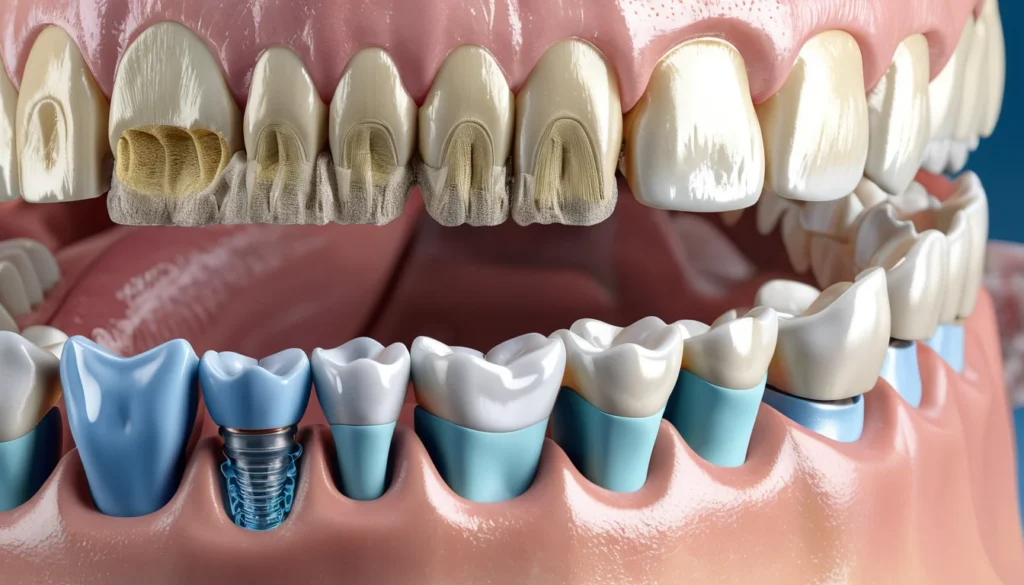
Teeth grinding, known medically as bruxism, is a common habit that can cause serious damage to your mouth and jaw. Most people clench or grind their teeth occasionally, and that is usually harmless. However, when it happens regularly — especially during sleep — it can wear down your enamel, cause jaw pain, and even lead to tooth loss. This article explains what teeth grinding is, what causes it, and what you can do about it.
What Is Teeth Grinding (Bruxism)?
Bruxism is the medical term for grinding, clenching, or gnashing your teeth. It can happen while you are awake or while you sleep. According to the Mayo Clinic, sleep bruxism is considered a sleep-related movement disorder and is often linked to other sleep problems like snoring or sleep apnea.
Many people do not even know they grind their teeth. Because it often happens at night, a sleeping partner is sometimes the first to notice the sound. Left untreated, bruxism can cause lasting damage to your teeth, gums, and jaw joints.
Common Signs and Symptoms of Teeth Grinding
Because teeth grinding often happens during sleep, many people miss the early warning signs. However, your body gives you clues. Knowing what to look for can help you act before serious damage occurs.
Physical Signs in Your Mouth
One of the clearest signs of bruxism is worn-down teeth. Your teeth may look flattened, chipped, or shorter than they used to be. You may also notice increased tooth sensitivity, especially to hot or cold foods and drinks. This happens because grinding wears away the hard outer layer of your teeth, called enamel.
In more serious cases, teeth can become fractured or loosened. Some people develop small indentations on the inside of their cheeks from biting. Your gums may also be affected over time.
Pain and Discomfort
Waking up with a sore jaw or a dull headache is a very common sign of nighttime teeth grinding. You may feel pain or stiffness in your jaw muscles, especially in the morning. Some people experience pain in the temporomandibular joint (TMJ) — the hinge that connects your jaw to your skull. This can make it uncomfortable to chew, speak, or even open your mouth wide.
Earaches are another symptom, even though there is nothing wrong with the ear itself. The jaw tension from grinding spreads to nearby muscles and nerves.
What Causes Teeth Grinding?
Doctors do not fully understand all the causes of bruxism. Most experts believe it involves a combination of physical, psychological, and genetic factors. Healthline notes that the causes can also differ depending on whether the grinding happens during the day or at night.
Stress and Anxiety
Stress and anxiety are among the most well-known triggers for daytime teeth grinding. Feelings of frustration, anger, or tension can cause you to clench your jaw without realising it. Many people do this while concentrating deeply — at work, while driving, or during a difficult conversation.
In children, bruxism is often linked to school pressure, family changes, or emotional stress. The good news is that children commonly outgrow this habit as they get older.
Sleep Disorders
Nighttime teeth grinding is strongly associated with sleep disorders, particularly sleep apnea. Sleep apnea causes your breathing to stop and start during sleep, which disrupts your rest and can trigger grinding. Snoring and restless leg syndrome are also linked to bruxism.
Lifestyle and Medication Factors
Certain lifestyle habits increase your risk. Smoking, drinking caffeinated beverages, and using alcohol or recreational drugs have all been linked to teeth grinding. Some prescription medications — especially certain antidepressants — can also list bruxism as a side effect. If you recently started a new medication and notice jaw soreness, speak with your doctor.
Personality Type and Age
People who are naturally aggressive, competitive, or highly active may be more prone to bruxism. Age also plays a role — teeth grinding is more common in children and often fades by adulthood. However, adults are certainly not immune, and many carry the habit well into their later years.
Health Conditions
Certain medical conditions are associated with bruxism. These include Parkinson’s disease, dementia, gastroesophageal reflux disease (GERD), epilepsy, and attention deficit hyperactivity disorder (ADHD). If you have any of these conditions and suspect you grind your teeth, let your doctor know.
How Teeth Grinding Affects Your Health
When teeth grinding is chronic and untreated, the effects go beyond sore teeth. The damage can be wide-ranging and, in some cases, permanent.
Damage to Your Teeth and Mouth
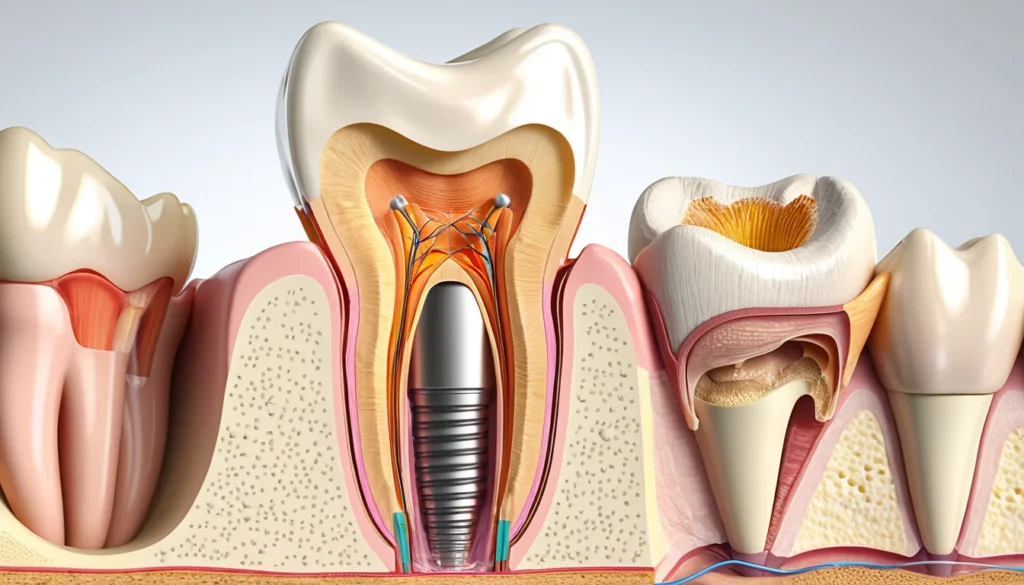
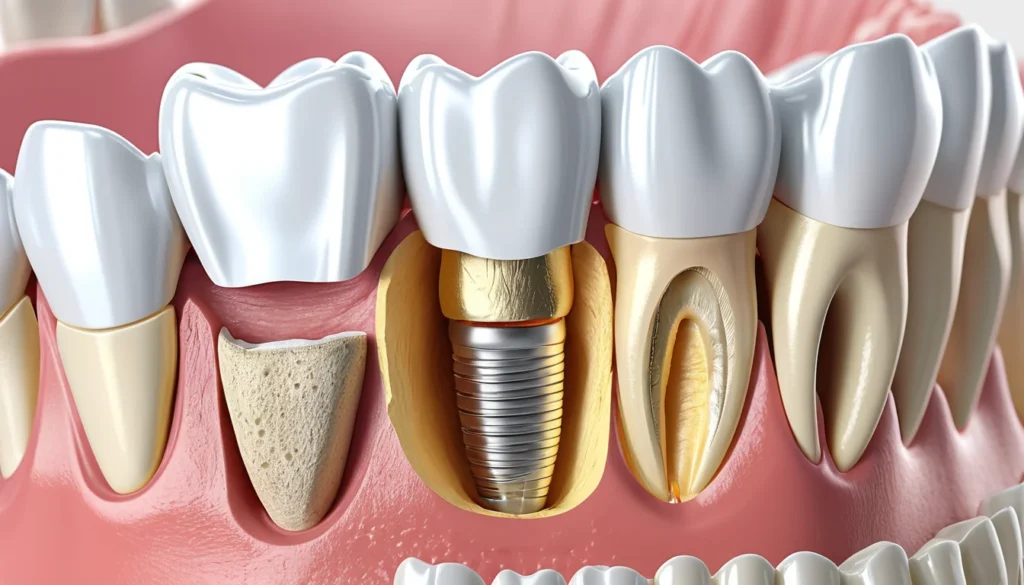
Repeated grinding gradually destroys your dental enamel — the hard, protective coating on your teeth. Once enamel is gone, it does not grow back. As a result, your teeth become more sensitive, more vulnerable to cavities, and more likely to crack. In severe cases, teeth may need to be repaired with crowns, bridges, or implants. Some people lose teeth entirely.
Grinding can also damage the soft tissues inside your mouth, including your gums and the inner lining of your cheeks. Over time, these injuries can become chronic and painful.
Jaw and Facial Effects
The jaw muscles work overtime during teeth grinding. This constant strain can lead to chronic jaw pain, headaches, and TMJ disorders. In severe cases, bruxism can actually change the shape of your face. Overdeveloped jaw muscles may make your face look wider or more square along the jawline.
Treatment Options for Teeth Grinding
The good news is that many people — especially children — do not need formal treatment. Mild bruxism often resolves on its own. However, if your grinding is causing pain or damage, there are several effective options to explore with your dentist or doctor.
Mouth Guards and Night Guards
A mouth guard (also called a night guard or occlusal splint) is one of the most common treatments for bruxism. Your dentist custom-fits a plastic guard that you wear over your teeth while sleeping. It does not stop you from grinding, but it does protect your teeth from the damage caused by it.
Custom-fitted mouth guards from your dentist are more effective than the standard over-the-counter versions you find at a pharmacy. They fit better, last longer, and are more comfortable to wear. You simply put the guard in before bed, after brushing your teeth, and rinse it in the morning.
Managing Stress and Anxiety
If stress or anxiety is driving your teeth grinding, addressing the root cause can make a big difference. Regular exercise, meditation, and deep breathing exercises are all helpful. Many Canadians also benefit from speaking with a registered therapist or psychologist, which may be covered under your provincial health plan or workplace benefits programme.
Reducing caffeine and alcohol intake — especially in the evenings — can also help calm the nervous system and reduce nighttime grinding.
Dental Corrections
In some cases, misaligned teeth or an uneven bite contributes to bruxism. Your dentist may recommend orthodontic treatment or other adjustments to help your teeth fit together properly. This can reduce the physical triggers that cause grinding.
Medication
In certain situations, a doctor may prescribe muscle relaxants or other medications to help manage bruxism. If a current medication is causing the problem, your doctor may adjust your dosage or switch you to a different one. Never stop or change a prescription medication without speaking to your doctor first.
When to See a Doctor or Dentist
If you suspect you are grinding your teeth, it is a good idea to bring it up at your next dental appointment. Your dentist can examine your teeth, jaw, and TMJ for signs of wear or damage. They can also recommend the most appropriate treatment for your situation.
You should see a dentist or your family doctor sooner if you experience any of the following:
Persistent jaw pain or stiffness in the morning
Frequent headaches that start near your temples
Visible wear, chipping, or flattening of your teeth
Increased tooth sensitivity
A sleeping partner who reports grinding sounds at night
If you do not have a family doctor, a walk-in clinic can provide an initial assessment and refer you to a dentist or specialist if needed. Many provinces also offer dental coverage for children through provincial health programmes — check with your provincial health authority for details. Health Canada provides information on dental care support programmes that may be available to eligible Canadians.
As always, this article is for general information only. Please speak with your family doctor or dentist for advice tailored to your personal health needs.
Frequently Asked Questions About Teeth Grinding
What does teeth grinding feel like?
Many people who grind their teeth are not aware of it during sleep. However, you may wake up with a sore jaw, dull headache, or tooth sensitivity. Over time, teeth grinding can cause your teeth to feel loose or painful when you bite down.
Can stress cause teeth grinding?
Yes, stress and anxiety are among the most common triggers for bruxism. When you are under pressure, you may clench your jaw or grind your teeth without realising it. Managing stress through exercise, meditation, or therapy can help reduce teeth grinding significantly.
Is teeth grinding harmful if it only happens occasionally?
Occasional teeth grinding is generally not a cause for concern and does not cause lasting harm. The problem arises when grinding becomes a regular habit, especially during sleep. Chronic bruxism can damage your enamel, cause jaw pain, and lead to more serious dental problems over time.
How is teeth grinding diagnosed?
A dentist can usually diagnose bruxism by examining your teeth and jaw for signs of wear, cracking, or muscle tenderness. They may also ask about your symptoms and sleep habits. In some cases, a referral to a sleep specialist may be recommended if a sleep disorder like sleep apnea is suspected.
Does a mouth guard stop teeth grinding?
A mouth guard does not stop you from grinding your teeth, but it does protect them from damage. It acts as a cushion between your upper and lower teeth during sleep. Custom-fitted mouth guards from your dentist are generally more effective than store-bought versions for managing teeth grinding.
Can children outgrow teeth grinding?
Yes, bruxism is very common in children, but most outgrow it without any treatment as they get older. If your child grinds their teeth, mention it to your dentist at their next checkup. Treatment is usually only needed if the teeth grinding is causing pain or visible damage.
Key Takeaways
Teeth grinding (bruxism) is a common condition that can cause serious damage when left untreated.
It is often linked to stress, anxiety, sleep apnea, certain medications, and lifestyle habits like smoking and caffeine use.
Common signs include worn or chipped teeth, jaw pain, morning headaches, and increased tooth sensitivity.
A custom-fitted mouth guard from your dentist is one of the most effective ways to protect your teeth at night.
Managing stress through relaxation techniques or therapy can reduce or even eliminate daytime grinding.
See your dentist or visit a walk-in clinic if you notice signs of bruxism — catching it early prevents more serious damage.
Always consult your family doctor or dentist before starting any treatment programme for teeth grinding.