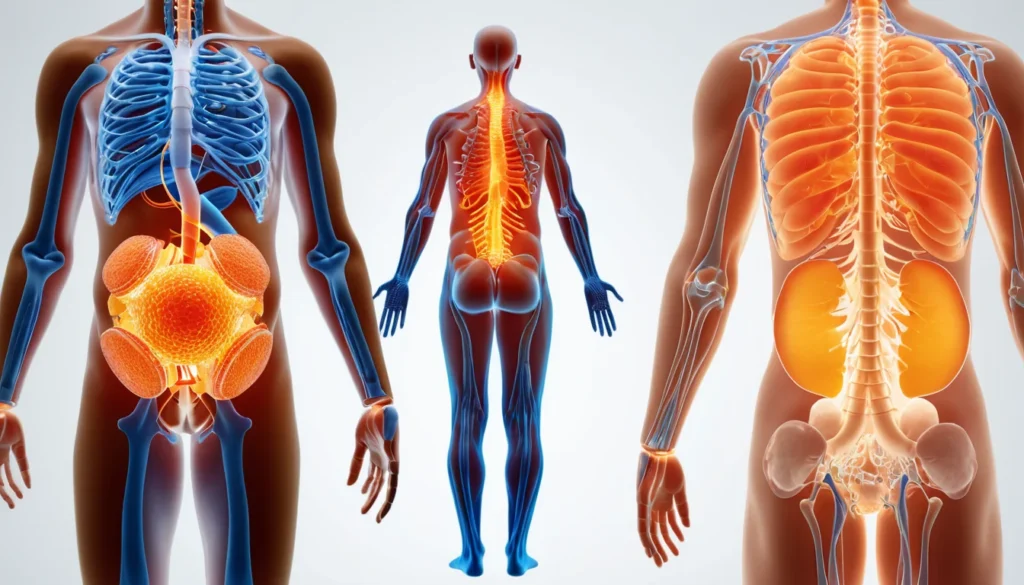
Systemic disease is a term used to describe conditions that affect the entire body rather than just one organ or area. These diseases typically involve inflammation and immune system dysfunction in the connective tissue — the material that holds your body’s structures together. Understanding systemic disease can help you recognize warning signs early and get the right care through your family doctor or provincial health plan.
What Is Systemic Disease?
A systemic disease is any condition that causes widespread inflammation and immune-related damage throughout the body. Because connective tissue exists in nearly every part of the body, these diseases can affect many organs at the same time.
Connective tissue acts like the body’s scaffolding. It supports your skin, joints, organs, and blood vessels. When this tissue becomes inflamed due to a faulty immune response, the effects can show up almost anywhere in the body.
These conditions are also known as connective tissue diseases, collagen diseases, or systemic disorders. Doctors today prefer the term “systemic disease” because it best describes how widespread the damage can be.
For more background, Health Canada provides resources on chronic and immune-related conditions that may help you understand how these diseases are managed within Canada’s healthcare system.
Common Types of Systemic Disease
There are several well-known forms of systemic disease. Each one affects the body differently, but they all share the common feature of widespread connective tissue involvement.
Rheumatoid Arthritis
Rheumatoid arthritis is one of the most common systemic diseases in Canada. It causes painful joint inflammation, but it can also affect the heart, lungs, and eyes. It is not the same as the more common osteoarthritis, which is simply wear-and-tear on the joints.
Lupus (Systemic Lupus Erythematosus)
Lupus is a complex autoimmune disease where the immune system attacks healthy tissue. It can affect the skin, kidneys, brain, heart, and lungs. Many people with lupus experience flares — periods when symptoms suddenly worsen — followed by periods of remission.
Scleroderma
Scleroderma causes the skin and connective tissues to harden and tighten. In some cases, it can also affect internal organs like the lungs, kidneys, and digestive tract. It is a rare condition, but it can be serious when organs are involved.
Mixed Connective Tissue Disease
Mixed connective tissue disease is a term used when a person shows features of more than one systemic disease at the same time. For example, someone might have signs of both lupus and scleroderma together. This condition is sometimes called Sharp’s syndrome.
Dermatomyositis and Polymyositis
These are inflammatory diseases that primarily affect the muscles. Dermatomyositis also causes a distinctive skin rash. Both conditions can make everyday activities — like climbing stairs or lifting objects — very difficult.
Polyarteritis Nodosa
This is a serious systemic disease that involves inflammation of the blood vessel walls. It can damage organs by reducing blood flow to them. The kidneys, skin, and nerves are most commonly affected.
Causes of Systemic Disease
The exact causes of most systemic diseases are still not fully understood. However, researchers believe a combination of genetic and environmental factors plays a role.
In many cases, the immune system mistakenly targets the body’s own healthy tissue. This is called an autoimmune response. Instead of fighting infections, the immune system begins attacking connective tissue throughout the body.
Genetic factors may increase a person’s risk. If a close family member has a connective tissue or autoimmune disease, your own risk may be higher. However, having a genetic predisposition does not mean you will definitely develop the condition.
Environmental triggers — such as infections, prolonged sun exposure, certain medications, or hormonal changes — may activate or worsen a systemic disease in people who are already vulnerable. In addition, stress and physical trauma have been linked to triggering flares in people who already have a diagnosis.
According to the World Health Organization’s information on autoimmune and chronic diseases, these conditions are becoming more widely recognized globally, and research into their causes is ongoing.
Symptoms of Systemic Disease
Because systemic disease affects many parts of the body, the symptoms can vary greatly from person to person. This can make these conditions difficult to diagnose at first.
General Symptoms
Many people with a systemic disease first experience general, non-specific symptoms. These include fatigue, unexplained fever, weight loss, and a general feeling of being unwell. These early signs are easy to overlook or attribute to other causes.
Joint and Muscle Symptoms
Joint pain, stiffness, and swelling are very common in systemic disease. Some people also experience muscle weakness or pain. These symptoms often come and go, making them harder to track.
Skin Changes
Skin involvement is common in many systemic diseases. You may notice rashes, unusual skin thickening, colour changes, or sensitivity to sunlight. A well-known example is the butterfly-shaped rash across the cheeks and nose in lupus.
Organ-Related Symptoms
When systemic disease affects internal organs, the symptoms become more serious. These can include shortness of breath (lungs), chest pain (heart), swelling in the legs (kidneys), difficulty swallowing (digestive system), or headaches and memory problems (nervous system).
Furthermore, blood vessel involvement can lead to poor circulation, numbness, or colour changes in the fingers and toes — a condition called Raynaud’s phenomenon. This is often one of the first signs that something systemic may be going on.
Flares and Remissions
Most systemic diseases follow a pattern of flares and remissions. A flare is a period when symptoms become worse, often triggered by stress, infection, or sun exposure. Remission is a period when symptoms are mild or absent. However, remission does not mean the disease is cured.
How Is Systemic Disease Diagnosed?
Diagnosing a systemic disease can take time. There is no single test that confirms most of these conditions. Instead, doctors use a combination of blood tests, imaging, physical exams, and your symptom history.
Common blood tests include checks for inflammation markers (like CRP and ESR), antinuclear antibodies (ANA), and specific antibodies linked to particular diseases. Abnormal results can point your doctor toward a diagnosis, but they must always be considered alongside your symptoms.
Your family doctor may refer you to a specialist — such as a rheumatologist, dermatologist, or nephrologist — depending on which organs appear to be affected. In Canada, referrals are typically made through your family doctor or a walk-in clinic as a first step.
The Mayo Clinic’s overview of autoimmune and connective tissue diseases provides detailed information on the diagnostic approaches used by specialists worldwide.
Treatment Options for Systemic Disease
There is currently no cure for most systemic diseases. However, treatment can control symptoms, reduce inflammation, and protect organs from further damage. The right treatment plan depends on which disease you have and how severe it is.
Corticosteroids
Corticosteroids — commonly known as steroids — are often the first line of treatment during a flare. They work quickly to reduce inflammation throughout the body. However, long-term use carries risks, including bone loss, weight gain, and increased susceptibility to infection.
Immunosuppressant Medications
Immunosuppressants are drugs that calm down an overactive immune system. They are taken orally or by injection. While effective, they can increase the risk of infections and require regular monitoring through blood tests.
Intravenous Immunoglobulin (IVIG) and Plasmapheresis
In more serious cases, doctors may recommend intravenous immunoglobulin therapy or plasmapheresis — a process that filters harmful antibodies from the blood. These treatments are typically given in a hospital or specialized clinic setting. They are usually reserved for cases where other treatments have not worked well enough.
Supportive and Lifestyle Measures
In addition to medication, lifestyle changes can make a real difference. Regular gentle exercise, a balanced diet rich in fibre and anti-inflammatory foods, stress management, and adequate sleep all support overall health. Protecting your skin from sun exposure is especially important if you have lupus or a related condition.
Physiotherapy and occupational therapy — both often covered under provincial health plans — can help manage joint pain and maintain mobility. Ask your family doctor about referrals available in your province.
When to See a Doctor
You should speak with your family doctor if you experience persistent joint pain, unexplained fatigue, skin rashes, or symptoms affecting multiple parts of your body at the same time. These are important warning signs that should not be ignored.
If you do not have a family doctor, a walk-in clinic can be a good first step. The clinic doctor can order basic blood tests and refer you to a specialist if needed. Many provinces also have nurse practitioner-led clinics that can help with initial assessment.
Seek emergency care right away if you experience sudden chest pain, severe shortness of breath, or signs of a stroke — as these can sometimes be complications of untreated systemic disease.
Early diagnosis and treatment give you the best chance of protecting your organs and maintaining a good quality of life. Always consult a qualified healthcare provider before starting or changing any treatment plan.
Frequently Asked Questions About Systemic Disease
What is the difference between a systemic disease and a regular disease?
A systemic disease affects the entire body rather than just one organ or region. For example, a broken bone affects only one area, but lupus — a systemic disease — can affect the skin, kidneys, heart, and nervous system all at once. This widespread involvement is what makes systemic diseases more complex to diagnose and treat.
Is systemic disease the same as autoimmune disease?
Most systemic diseases are autoimmune in nature, meaning the immune system mistakenly attacks healthy tissue. However, not all systemic diseases are autoimmune — some may be caused by infections or other widespread conditions. Your doctor can help determine the exact type and cause of your systemic disease through testing.
Can systemic disease be cured?
Currently, most systemic diseases cannot be fully cured. However, with proper treatment, many people manage their condition well and live active lives. Treatment focuses on controlling inflammation, protecting organs, and reducing the frequency of flares.
Is systemic disease hereditary?
There does appear to be a genetic component to many systemic diseases, meaning they can sometimes run in families. However, having a family member with a connective tissue disease does not guarantee you will develop one. Environmental and lifestyle factors also play a significant role in whether the disease actually develops.
How is systemic disease treated in Canada?
In Canada, systemic disease is typically managed through a team of specialists, starting with a referral from your family doctor or walk-in clinic. Treatment often includes corticosteroids, immunosuppressant medications, and lifestyle support. Many of these treatments are covered under provincial health plans, though coverage varies by province.
What are the early warning signs of a systemic disease?
Early signs of systemic disease can include unexplained fatigue, joint pain or swelling, skin rashes, and recurring fevers. Because these symptoms overlap with many other conditions, it is important to see your family doctor for proper evaluation. Catching a systemic disease early gives you the best chance of preventing serious organ damage.
Key Takeaways
Systemic disease affects the whole body, not just one organ, through widespread inflammation and immune dysfunction.
Common examples include rheumatoid arthritis, lupus, scleroderma, and mixed connective tissue disease.
Causes are not fully understood, but genetics, immune system dysfunction, and environmental triggers all play a role.
Symptoms vary widely and can include joint pain, skin changes, fatigue, and organ-related problems.
Diagnosis involves blood tests, imaging, and specialist assessment — usually accessed through a referral from your family doctor.
Treatment includes corticosteroids, immunosuppressants, and supportive care — many of which are covered under provincial health plans.
There is no cure for most systemic diseases, but early treatment significantly improves quality of life and protects vital organs.
Always speak with a qualified healthcare provider for advice tailored to your specific situation and health history.