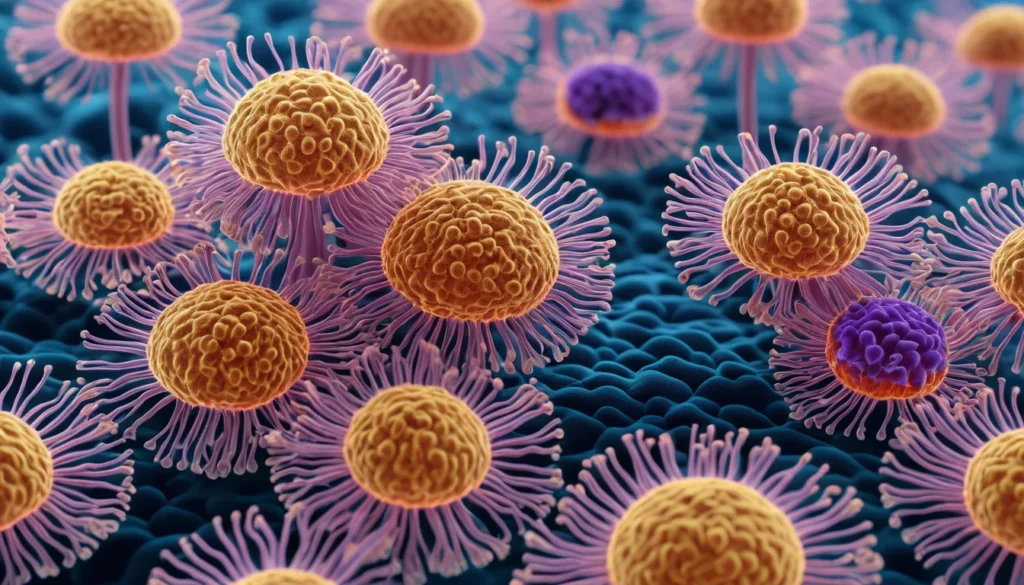
A systemic candida infection is a serious condition where a common fungus spreads beyond its usual home in your body and invades your organs. While most healthy people never experience this, it can become life-threatening for those with weakened immune systems. This article explains what systemic candida infection is, what causes it, how it is diagnosed, and what treatment options are available to Canadians.
What Is a Systemic Candida Infection?
Candida is a type of yeast that lives naturally on your skin, in your mouth, vagina, and digestive tract. In small amounts, it causes no harm. However, when your immune system is weakened, candida can multiply out of control and spread throughout your body.
This widespread form is called systemic candida infection, also known as invasive candidiasis or disseminated candidiasis. It is rare in healthy people, but its occurrence has been rising in recent years. When it reaches vital organs like the brain, heart, or kidneys, it can be fatal.
According to Health Canada, fungal infections are a growing public health concern, particularly among people who are immunocompromised or hospitalized.
What Causes a Candida Infection?
Candida overgrowth happens when something disrupts the natural balance in your body. Your immune system normally keeps candida levels in check. When that defence is lowered, the fungus takes advantage.
Several factors can trigger or worsen a candida infection. These include:
Diabetes — high blood sugar feeds yeast growth
Obesity — skin folds create warm, moist environments where candida thrives
Pregnancy — hormonal changes alter the body’s natural balance
Nutritional deficiencies — low iron, folic acid, vitamin B12, or zinc can weaken immunity
Antibiotic use — antibiotics kill helpful bacteria, allowing candida to overgrow
Immunosuppressive medications — used after organ transplants or for autoimmune conditions
Chemotherapy — cancer treatment suppresses the immune system
Chronic stress and depression — both can reduce immune function over time
HIV/AIDS — severely compromises the body’s ability to fight infections
In short, anything that weakens your body’s defences creates an opening for candida to spread.
Types of Candida Infections and Their Symptoms
Candida can affect different parts of the body. Each type has its own set of symptoms. Recognizing these early can help you get treatment faster through your family doctor or a walk-in clinic.
Vaginal Yeast Infection
This is one of the most common forms of candidiasis. It affects the vulva and vagina. Symptoms include a thick, white, cottage cheese-like discharge, itching, burning, and inflammation.
In more severe cases, urination or sexual intercourse can become painful. Many Canadian women experience at least one vaginal yeast infection in their lifetime. However, frequent recurrence may signal an underlying health concern worth discussing with your doctor.
Oral Thrush
Oral thrush is a candida infection of the mouth and throat. It often causes no obvious symptoms at first. When symptoms do appear, they include discomfort in the mouth, a burning sensation, and an altered sense of taste.
You may notice white patches on your tongue or the inside of your cheeks. Oral thrush is more common in infants, older adults, and people using inhaled corticosteroids for conditions like asthma.
Esophageal Candidiasis
Esophageal candidiasis is a more serious form of the infection. It affects the esophagus — the tube connecting your mouth to your stomach. This condition is considered an AIDS-defining illness, meaning it commonly occurs when HIV has severely damaged the immune system.
Symptoms include chest pain, nausea, and painful swallowing. White, tissue-like deposits can partially block the esophagus. In rare cases, the infection can cause ulcers that damage the esophagus further. Because swallowing becomes so painful, people with this condition often cannot eat enough and may lose weight rapidly if not treated promptly.
Skin Candida Infection
Candida can infect the skin in warm, moist areas of the body. Common sites include the armpits, groin, and the skin beneath the breasts. This is called cutaneous candidiasis.
The infection produces a bright red, uneven rash in the skin folds. It may be covered with white deposits and cause mild burning or itching. Candida can also infect the fingernails and toenails, or develop around wounds, cuts, or catheter insertion sites.
Systemic (Whole-Body) Candida Infection
When candida spreads to the bloodstream and internal organs, it becomes a systemic candida infection. This is the most dangerous form. It can affect the brain, heart, kidneys, eyes, liver, reproductive organs, and joints.
This type most commonly affects people with very low white blood cell counts, a condition called neutropenia. It also occurs in people who are critically ill in hospital settings. According to the Mayo Clinic, invasive candidiasis carries a significant mortality risk if not diagnosed and treated quickly.
How Is a Systemic Candida Infection Diagnosed?
Diagnosing a candida infection depends on where it is located in the body. Mild infections of the mouth, vagina, or skin are often identified through a physical exam and symptom review alone.
Laboratory tests are ordered when the infection does not clear up after initial treatment. If you have trouble swallowing and chest pain alongside a known candida infection, your doctor may suspect esophageal involvement. In that case, an endoscopy may be needed. This procedure uses a small camera to look inside the esophagus and stomach.
Systemic candida infection is particularly difficult to diagnose. Candida in the bloodstream can come from a localized infection — such as around a catheter — or from infected internal organs. Because the fungus may only appear in the blood for short periods, blood tests do not always give a clear result. Doctors often use a combination of blood cultures, imaging tests, and clinical signs to reach a diagnosis.
Treatment Options for Candida Infections
Treatment for candida infections falls into two main categories: topical (local) and systemic (whole-body) treatments. The right choice depends on how severe the infection is and which part of the body is affected.
Topical Treatments
Topical treatments are usually the first choice for mild to moderate infections of the mouth, vagina, or skin. They come in many forms, including:
Medicated mouthwash or lozenges for oral thrush
Vaginal suppositories, ovules, or creams for vaginal yeast infections
Antifungal creams for skin infections
Common antifungal medicines used topically include clotrimazole, miconazole, nystatin, and ketoconazole. Many of these are available over the counter at Canadian pharmacies without a prescription.
Systemic Treatments
When topical treatments do not work, or when infections keep coming back, systemic antifungal medicines are prescribed. These are also the standard treatment for esophageal candidiasis and disseminated candidiasis.
Commonly prescribed systemic antifungals include fluconazole, itraconazole, voriconazole, caspofungin, and amphotericin B. These are prescription-only medications available through your provincial health plan when medically necessary. In severe cases, hospitalization is required to deliver antifungal therapy intravenously.
Natural Approaches to Support Prevention
There is no single diet or natural remedy that can cure a systemic candida infection. However, certain lifestyle habits may help reduce your risk of recurrent yeast infections and support your immune system.
Most health professionals recommend reducing or avoiding the following, as they can encourage candida growth:
Refined sugar and processed foods
Alcohol
Caffeine in large amounts
Tobacco and nicotine products
In addition, some nutritionists suggest that garlic may have natural antifungal properties, though scientific evidence remains limited. Furthermore, adding Lactobacillus acidophilus to your diet — found in yogurt and kefir — may help restore healthy bacteria, especially after a course of antibiotics.
Some small studies also suggest that gargling with baking soda dissolved in water may help manage oral thrush. If you try this, gargle after meals and before bed. However, always discuss natural approaches with your healthcare provider before relying on them. They work best as a complement to — not a replacement for — medical treatment.
For more information on maintaining a healthy immune system, visit Healthline’s guide to immune health.
When to See a Doctor
You should speak with your family doctor if you notice symptoms of a candida infection that do not improve within a few days. This is especially important if you have a weakened immune system, are undergoing chemotherapy, or take immunosuppressive medications.
If you experience chest pain, painful swallowing, unexplained weight loss, or fever alongside other candida symptoms, seek care promptly. A walk-in clinic is a good option if your regular doctor is not available. Do not wait — esophageal and systemic candida infections can worsen quickly without treatment.
If you are covered under your provincial health plan, diagnostic tests and prescription antifungal treatments are generally covered when medically necessary. Check with your province’s health authority for specific details on coverage.
Always consult a qualified healthcare provider before starting any treatment for a fungal infection. This article is for informational purposes only and does not replace professional medical advice.
Frequently Asked Questions About Systemic Candida Infection
What is a systemic candida infection?
A systemic candida infection occurs when the candida fungus spreads from a local site — such as the mouth or skin — into the bloodstream and internal organs. It is the most serious form of candidiasis and can affect the brain, heart, kidneys, and liver. It is most common in people with severely weakened immune systems.
What are the warning signs of a systemic candida infection?
Warning signs of a systemic candida infection include fever that does not respond to antibiotics, chills, low blood pressure, and organ-specific symptoms like chest pain or vision changes. If you have a known risk factor — such as HIV, cancer, or recent surgery — and develop these symptoms, seek medical attention right away. Early treatment significantly improves outcomes.
Can a candida infection spread to the whole body?
Yes, in rare cases, candida can spread to the whole body through the bloodstream, causing a systemic candida infection. This is more likely to happen in people who are hospitalized, immunocompromised, or have indwelling medical devices like catheters. Healthy individuals with intact immune systems are at very low risk.
How is a systemic candida infection treated in Canada?
In Canada, systemic candida infections are treated with prescription antifungal medications such as fluconazole, voriconazole, caspofungin, or amphotericin B. Severe cases require hospitalization and intravenous treatment. These medications are generally covered under provincial health plans when prescribed for a confirmed infection.
What foods should I avoid if I have a candida infection?
If you have a candida infection, many health professionals suggest reducing your intake of refined sugar, alcohol, and processed foods, as these can encourage yeast growth. Eating probiotic-rich foods like yogurt and kefir may also help restore healthy gut bacteria. However, dietary changes alone cannot treat a systemic candida infection — always follow your doctor’s recommended treatment plan.
Is a candida infection contagious?
Candida infections are generally not considered contagious in the way that colds or flu are. However, candida can be passed between sexual partners in some cases. The fungus is already present on most people’s bodies, so infections usually result from internal imbalances rather than being caught from someone else. Talk to your family doctor if you have concerns about recurring infections.
Key Takeaways
Systemic candida infection is a serious, potentially life-threatening condition caused by candida fungus spreading throughout the body.
It most often affects people with weakened immune systems, including those with HIV/AIDS, cancer, or diabetes.
Candida can infect the vagina, mouth, esophagus, skin, and internal organs — each with different symptoms.
Mild infections are often treated with topical antifungal creams or lozenges available at Canadian pharmacies.
Severe or widespread infections require prescription systemic antifungals and sometimes hospitalization.
Reducing sugar, alcohol, and processed foods, and eating probiotic-rich foods, may help support prevention.
See your family doctor or a walk-in clinic if symptoms do not improve or if you have risk factors for a serious infection.