Swollen lymph nodes — also called lymphadenitis or adenitis — happen when your body’s immune system is fighting an infection or illness. This article explains what causes swollen lymph nodes, where they appear, what symptoms to watch for, and how they are treated. You will also learn when it is time to call your family doctor or visit a walk-in clinic.
What Are Swollen Lymph Nodes?
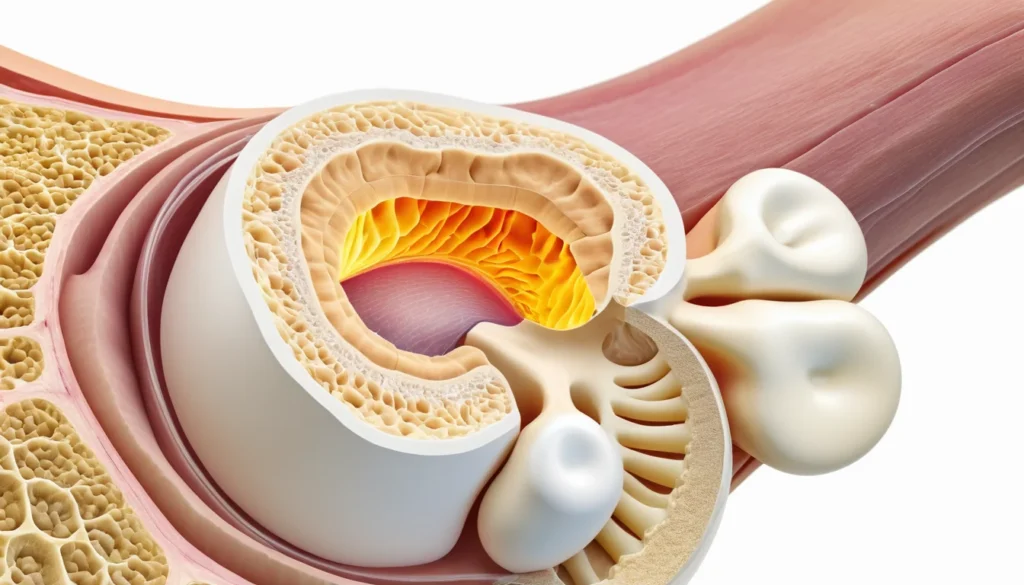
Your body has hundreds of small, bean-shaped structures called lymph nodes. They are part of your lymphatic system, which helps fight infection and disease. When your body detects a threat — like a virus or bacteria — nearby lymph nodes can swell and become tender.
This swelling is called lymphadenitis, or adenitis. It is your immune system doing its job. In most cases, the swelling goes away once the infection clears up. However, some cases need medical attention.
Lymph nodes are found throughout your body. You have clusters of them in your neck, armpits, and groin. Some are located deeper inside your body, near your chest or abdomen. Learn more about the lymphatic system from the Mayo Clinic.
Common Causes of Swollen Lymph Nodes
There are many reasons why swollen lymph nodes develop. The most common cause is infection. Understanding the type of infection can help guide treatment.
Viral Infections
Viruses are one of the most frequent causes of swollen lymph nodes. The common cold, flu, and infectious mononucleosis (also called “mono” or the “kissing disease”) all commonly trigger lymph node swelling. Mononucleosis, in particular, often causes noticeable swelling in the neck.
Most viral infections resolve on their own. Your immune system clears the virus, and the lymph nodes return to their normal size. This process can take days or even a few weeks.
Bacterial Infections
Bacterial infections can cause more severe swelling. In some cases, the lymph node itself becomes infected and fills with pus. This is called a suppurative or pyogenic lymphadenitis. It may require antibiotics or even minor drainage by a doctor.
Strep throat is a common bacterial infection that causes swollen lymph nodes in the neck. Skin infections and dental abscesses can also trigger swelling in nearby nodes.
Parasitic Infections
Toxoplasmosis is a parasitic infection that can cause swollen lymph nodes, usually in the neck. Many people pick it up from undercooked meat or contact with cat litter. Most healthy adults experience mild or no symptoms. However, it can be more serious for people who are pregnant or immunocompromised.
Tuberculosis (TB)
The bacteria that causes tuberculosis (TB) can infect lymph nodes directly. This is called tuberculous lymphadenitis. It is one of the most common forms of TB outside the lungs. In Canada, TB remains a concern in certain communities, including some Indigenous and newcomer populations. Health Canada provides resources and guidance on tuberculosis prevention.
Where Do Swollen Lymph Nodes Appear?
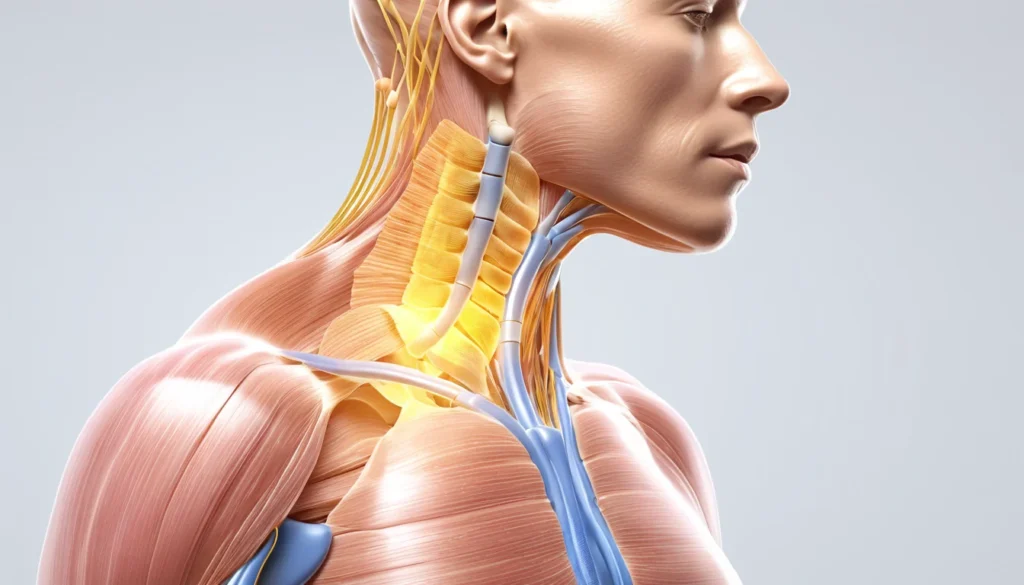
Swollen lymph nodes most commonly appear in areas you can feel with your hand. These include the sides of the neck, the armpits, and the groin area. Each location often points to a nearby infection.
For example, swollen nodes in your neck often relate to a throat or ear infection. Swollen nodes in your armpit may signal a skin infection on your arm or hand. Swollen nodes in the groin area can relate to a leg or foot infection.
Deep or Internal Lymph Node Swelling
Some lymph nodes sit deep inside the body. These include mediastinal nodes (in the chest) and abdominal nodes (in the belly). You cannot feel these from the outside. However, when they swell, they can press on nearby organs and cause discomfort.
Deep lymph node swelling sometimes shows up on imaging tests, like an ultrasound or CT scan. A doctor may order these tests if they suspect internal swelling.
Symptoms of Swollen Lymph Nodes
Many people with swollen lymph nodes have no symptoms at all. The swelling is often found during a routine check-up. However, some people do experience clear signs that something is wrong.
Common Symptoms to Watch For
A lump or bump under the skin in the neck, armpit, or groin
Tenderness or pain when you press on the lump
Fever and chills
Night sweats
Fatigue or feeling run down
Abdominal pain or cramping
Redness or warmth around the swollen area
Mesenteric Lymphadenitis in Children
One important condition is called mesenteric lymphadenitis. This affects lymph nodes inside the abdomen. It is most common in children and teenagers. It often follows a viral illness.
The symptoms can closely mimic appendicitis, including sharp abdominal pain and fever. As a result, it sometimes leads to a trip to the emergency room. A doctor will use an ultrasound or other tests to tell the two conditions apart. In most cases, mesenteric lymphadenitis gets better on its own with rest and pain relief.
How Are Swollen Lymph Nodes Diagnosed?
Your family doctor will start by asking about your symptoms and recent illnesses. They will feel the swollen area and check for tenderness, size, and firmness. This physical exam gives important clues about the cause.
In addition, your doctor may order blood tests to look for signs of infection or inflammation. If the cause is unclear, imaging tests like an ultrasound may help. In rare cases where a more serious condition is suspected, a biopsy of the lymph node may be needed. This means removing a small tissue sample to examine it under a microscope.
When Blood Tests Help
A complete blood count (CBC) is a common blood test. It measures different types of cells in your blood. An elevated white blood cell count, for example, often points to an active infection. Other blood tests can check for specific viruses, bacteria, or parasites.
Furthermore, doctors may test for the Epstein-Barr virus, which causes mononucleosis, or for toxoplasma antibodies if a parasitic cause is suspected.
Treatment for Swollen Lymph Nodes
Treatment for swollen lymph nodes depends entirely on what is causing them. In many cases, no specific treatment is needed beyond rest and time. Your body’s immune system handles the infection on its own.
Managing Pain and Fever
Over-the-counter pain relievers like acetaminophen (Tylenol) or ibuprofen (Advil) can ease tenderness and reduce fever. Always follow the dosage instructions on the package. These medications treat the symptoms, not the underlying cause.
A warm compress applied gently to the swollen area can also help relieve discomfort. Make sure the compress is warm, not hot, to avoid burns.
Antibiotics for Bacterial Infections
If a bacterial infection is causing the swollen lymph nodes, your doctor will prescribe antibiotics. It is important to finish the full course of antibiotics, even if you start feeling better sooner. Stopping early can allow the infection to return or become resistant to treatment.
In cases where a lymph node has filled with pus (an abscess), a doctor may need to drain it. This is usually a minor procedure done under local anaesthetic.
Treating the Underlying Cause
For viral infections, antiviral medications are sometimes used. For parasitic infections like toxoplasmosis, antiparasitic drugs may be prescribed, especially in at-risk individuals. For tuberculosis-related lymphadenitis, a long course of TB medications is required. Healthline offers a detailed overview of lymphadenitis treatment options.
When to See a Doctor
Most swollen lymph nodes are not a cause for alarm. However, some situations call for prompt medical care. Do not wait if you notice any of the following warning signs.
Visit your family doctor or a walk-in clinic if:
The swelling does not go away after two to four weeks
The lymph nodes continue to grow larger over time
You have a high fever that does not improve
The skin over the lymph node turns red or feels very warm
You lose weight without trying
You have night sweats that soak your clothing or bedding
The swollen node feels hard or does not move when you press it
You have difficulty breathing or swallowing
These symptoms can sometimes point to a more serious condition, such as lymphoma or another illness that needs prompt evaluation. Your family doctor can refer you to a specialist if needed. Most provincial health plans in Canada cover these types of referrals. If you do not have a family doctor, a walk-in clinic is a good first step for assessment.
Always speak with a qualified healthcare provider before making any decisions about your health. This article is for general information only and does not replace professional medical advice.
Frequently Asked Questions About Swollen Lymph Nodes
How long do swollen lymph nodes last?
Swollen lymph nodes caused by a minor infection usually shrink back to normal within two to four weeks. If swollen lymph nodes persist longer than a month, it is a good idea to see your family doctor. Ongoing swelling may need further investigation to rule out other causes.
Can swollen lymph nodes be a sign of cancer?
In rare cases, swollen lymph nodes can be a sign of lymphoma or another type of cancer. However, the vast majority of cases are caused by common infections. See your doctor if the swelling is painless, hard, and does not go away — these features warrant further testing.
Are swollen lymph nodes painful?
Swollen lymph nodes caused by infection are often tender or sore to the touch. However, swollen lymph nodes that are not painful can sometimes be more concerning, as painless lumps are more often associated with non-infectious causes. Always check with a healthcare provider if you are unsure.
What is the difference between swollen lymph nodes and lymphadenitis?
Lymphadenitis is the medical term for inflamed or infected lymph nodes. Swollen lymph nodes is the everyday term most people use to describe the same thing. Lymphadenitis typically implies that the swelling is caused by an active infection, whereas lymph nodes can sometimes swell for other reasons, including immune reactions.
Can children get swollen lymph nodes?
Yes, swollen lymph nodes are very common in children, often because kids encounter many viruses as their immune systems develop. Mesenteric lymphadenitis — swelling of nodes in the abdomen — is especially common in children and can cause stomach pain similar to appendicitis. A doctor can help tell the two conditions apart.
Do I need antibiotics for swollen lymph nodes?
Not always. Antibiotics only work against bacterial infections, and many cases of swollen lymph nodes are caused by viruses, which antibiotics cannot treat. Your doctor will assess the cause before deciding on treatment. Taking antibiotics unnecessarily can contribute to antibiotic resistance, which is a growing public health concern in Canada.
Key Takeaways
Swollen lymph nodes are a sign that your immune system is responding to an infection or illness.
The most common causes are viral infections, bacterial infections, parasites, and, less commonly, tuberculosis.
Common locations include the neck, armpits, and groin. Deeper swelling in the chest or abdomen can press on nearby organs.
Most cases cause no symptoms and resolve on their own within a few weeks.
Treatment depends on the cause — it may include pain relievers, antibiotics, or treatment for the underlying infection.
Mesenteric lymphadenitis is common in children and can mimic appendicitis.
See your family doctor or a walk-in clinic if swelling lasts more than four weeks, grows larger, or comes with unexplained weight loss, night sweats, or a hard, immovable lump.
This information is for general education only. Always consult a qualified healthcare provider for personal medical advice.