Sweating is something every Canadian deals with — whether you’re shovelling snow in January or hiking a trail in July. It is your body’s built-in cooling system, and it works around the clock. However, sweating can sometimes feel embarrassing, uncomfortable, or even signal an underlying health issue. This guide explains how sweating works, what is considered normal, and when you should talk to a doctor or visit a walk-in clinic.
What Is Sweating and Why Does It Happen?
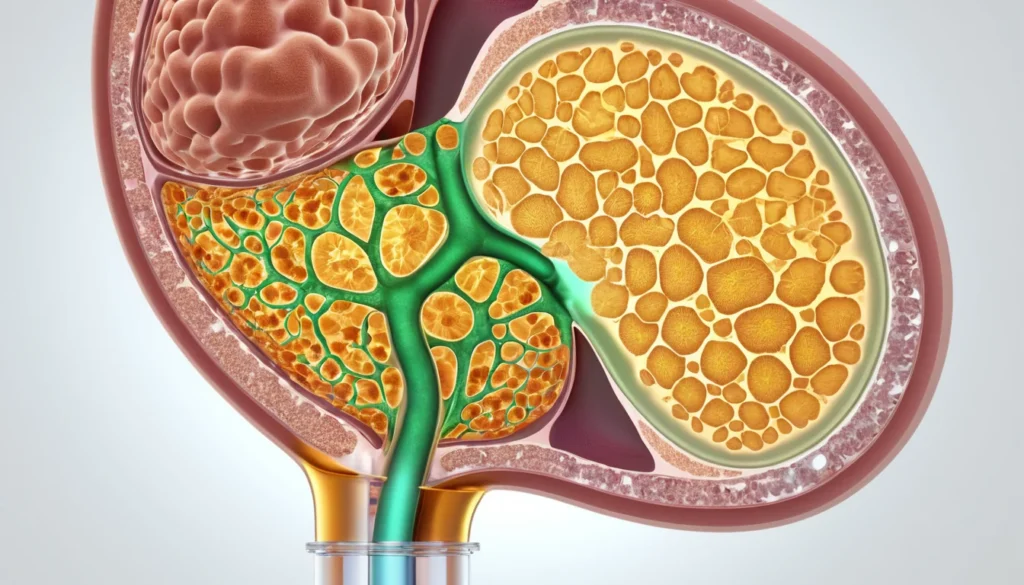
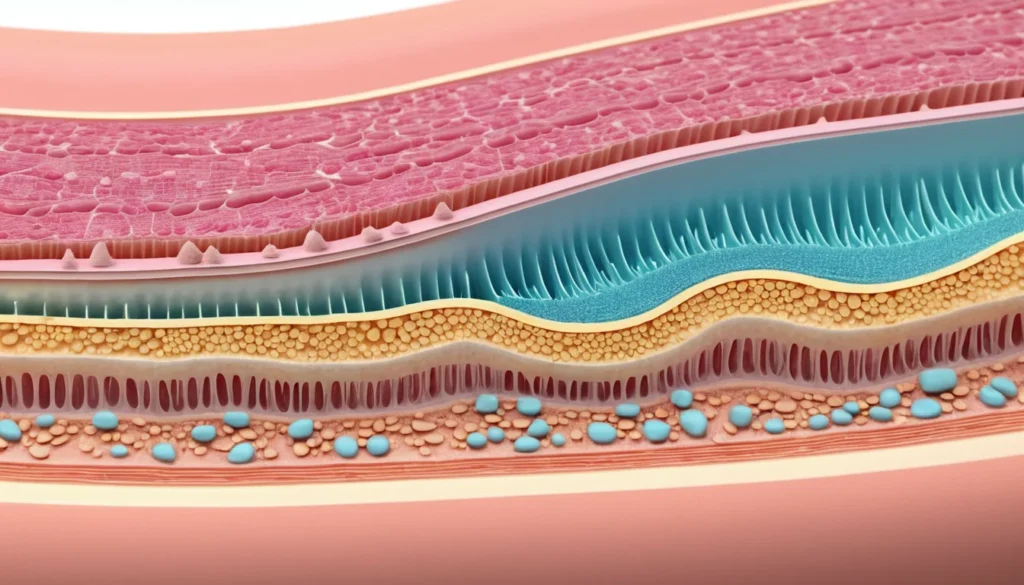
Sweating is the release of fluid through tiny openings in your skin called pores. This fluid — called sweat — comes from glands found all over your body. Most people have between two and four million sweat glands working at any given time.
Your body produces sweat for one main reason: to keep your internal temperature stable. When your core temperature rises, sweat is released onto the skin. As it evaporates, it cools you down. This process is essential to your survival.
However, temperature is not the only trigger. Your nervous system also activates sweat glands in response to stress, anxiety, and strong emotions. That is why your palms get clammy before a job interview or your underarms feel damp when you are nervous.
The Two Main Types of Sweat Glands
Your body has two types of sweat glands, and they serve different purposes. Understanding the difference helps explain why sweat behaves differently depending on where it appears on your body.
Eccrine glands are the most common. They are found almost everywhere on your skin — especially on your palms, feet, and forehead. These glands produce a clear, odourless fluid made mostly of water and salt. They activate mainly in response to heat and physical effort.
Apocrine glands are larger and found in areas with more hair follicles, such as your armpits and groin. These glands are triggered primarily by emotional stress. Their secretions contain proteins and fats, which bacteria on the skin break down — and that is what creates body odour.
The Main Causes of Sweating
Sweating happens for many reasons, and most of them are completely normal. Knowing the common causes can help you understand your own body better.
Physical Activity and Heat
Exercise and warm weather are the most obvious triggers. When your muscles work hard, they generate heat. Your body responds by releasing sweat to bring your temperature back down. This is healthy and necessary — it protects your organs from overheating.
The same happens when you are outside in hot weather or sitting in a warm room. Your body is always working to maintain a core temperature of around 37°C. Sweating is simply the tool it uses to do that job.
Stress, Anxiety, and Emotions
Emotional sweating is driven by your nervous system, not your body temperature. When you feel anxious, excited, or frightened, your brain sends signals that activate sweat glands — especially on your palms, feet, and underarms.
This type of sweating is often called the “fight-or-flight” response. It is the same mechanism that causes your heart to race and your breathing to quicken. In other words, your body is preparing to react to a perceived threat, and sweating is part of that preparation.
Food and Drink
Certain foods and beverages also trigger sweating. Spicy foods, caffeine, and alcohol are among the most common culprits. Spicy foods, for example, contain compounds that trick your nervous system into thinking your body temperature has risen — so it responds by producing sweat.
Hot beverages can have a similar effect. Furthermore, alcohol causes your blood vessels to widen, which raises skin temperature and prompts your body to cool itself through perspiration.
Hormonal Changes
Hormones play a major role in how much you sweat. Women going through menopause often experience hot flashes — sudden waves of heat followed by heavy sweating. These are caused by hormonal fluctuations that interfere with the body’s normal temperature regulation.
Teenagers going through puberty may also notice increased sweating as their bodies change. In addition, pregnancy and thyroid imbalances can both alter the body’s sweat response significantly.
How Much Sweating Is Normal?
The amount of sweat a person produces varies greatly from one individual to another. Factors like fitness level, genetics, age, body weight, and climate all influence how much you sweat. There is no single “normal” amount.
That said, most adults lose about one litre of sweat per hour during moderate exercise in warm conditions. Highly trained athletes can lose much more. As long as you are replacing fluids by drinking enough water, this level of sweating is considered healthy.
According to Healthline’s overview of sweating and perspiration, sweating is a sign your thermoregulation system is working properly. It only becomes a concern when it is excessive, happens without a clear cause, or is accompanied by other symptoms.
Excessive Sweating: Understanding Hyperhidrosis
When sweating goes beyond what the body needs for temperature control, it is called hyperhidrosis. This is a recognized medical condition that affects a significant number of Canadians. It can cause real distress and affect a person’s daily life, work, and relationships.
Hyperhidrosis is not just about being a “heavy sweater.” People with this condition may sweat heavily even when they are sitting still in a cool room. Sweat can drip from their hands, soak through clothing, or make simple tasks like holding a pen or shaking hands very difficult.
Primary vs. Secondary Hyperhidrosis
There are two forms of hyperhidrosis, and the difference matters when it comes to treatment. Primary hyperhidrosis has no known medical cause. It tends to run in families and usually begins in childhood or adolescence. It typically affects specific areas like the hands, feet, underarms, or face.
Secondary hyperhidrosis is caused by an underlying health condition or a medication side effect. Common causes include diabetes, thyroid disorders, infections, certain cancers, and menopause. This type of sweating often affects the whole body rather than one specific area.
As noted by the Mayo Clinic’s guide to hyperhidrosis, secondary hyperhidrosis is more likely to occur during sleep — commonly called night sweats — and warrants a proper medical evaluation.
Treatment Options for Hyperhidrosis
The good news is that hyperhidrosis is treatable. Your family doctor or a dermatologist can recommend a range of options depending on the severity of your condition. Treatment usually starts with the least invasive approach and progresses if needed.
Common treatments include:
Clinical-strength antiperspirants — These contain aluminium chloride and are applied directly to the affected area. They are often the first line of treatment.
Iontophoresis — A device passes a mild electrical current through water and into the skin to temporarily reduce sweating, especially on hands and feet.
Botulinum toxin (Botox) injections — When injected into the skin, Botox blocks the nerve signals that trigger sweat glands. Results typically last several months.
Prescription medications — Some medications can reduce overall sweating by affecting the nervous system.
Surgery — In severe cases, a procedure called sympathectomy may be considered. This involves cutting or clamping the nerves that trigger sweating in specific areas.
Coverage for some of these treatments may be available through your provincial health plan. It is worth checking with your province’s health authority or discussing your options with your family doctor.
Sweating and Your Overall Health
Sweating is closely connected to your overall wellbeing. Staying properly hydrated is especially important, since sweating causes you to lose water and electrolytes. If you do not replace these fluids, you risk dehydration — which can cause headaches, dizziness, and fatigue.
Regular physical activity is one of the best things you can do for your health, and sweating during exercise is a natural and welcome sign. Research consistently shows that people who exercise regularly tend to start sweating sooner and more efficiently. This is a sign of good cardiovascular fitness, not a problem.
The Health Canada physical activity guidelines recommend at least 150 minutes of moderate-to-vigorous physical activity per week for adults. Getting active will naturally increase how much you sweat — and that is a healthy thing.
Sweating and Skin Health
Sweat itself is not harmful to your skin. However, prolonged exposure to moisture can cause problems. Skin that stays damp for long periods can become irritated or develop fungal infections, particularly in skin folds like the groin, underarms, and between the toes.
Therefore, it is important to shower and change into dry clothing after heavy sweating. Choose breathable, moisture-wicking fabrics when exercising. Keeping the skin clean and dry is the simplest way to prevent irritation and odour.
When to See a Doctor
Most sweating is completely normal and nothing to worry about. However, there are times when you should reach out to your family doctor or visit a walk-in clinic to get checked out.
You should seek medical attention if you notice any of the following:
You sweat heavily without any physical activity or warm temperatures
Night sweats are waking you up regularly and soaking your bedclothes
Sweating is accompanied by chest pain, shortness of breath, or dizziness
You experience sudden cold sweats alongside nausea or pain
Excessive sweating is affecting your quality of life, work, or relationships
You notice a sudden change in your sweating pattern with no obvious cause
Cold sweats in particular — where you feel clammy and cold rather than hot — can sometimes signal a serious issue like a heart problem or low blood sugar. These symptoms should be evaluated promptly.
If you do not have a family doctor, a walk-in clinic is a great option for an initial assessment. Most provinces also offer health phone lines — such as Ontario’s Telehealth or BC’s HealthLink 811 — where a registered nurse can help you decide if you need to be seen in person.
As always, this article is meant to inform, not replace professional medical advice. Please speak with a qualified healthcare provider about any symptoms or concerns specific to your health.
Frequently Asked Questions About Sweating
Is sweating a lot during exercise normal?
Yes, sweating heavily during exercise is completely normal and healthy. It means your body is working hard to regulate your temperature. In fact, people who are more physically fit tend to start sweating sooner because their bodies have become more efficient at cooling down.
What causes excessive sweating for no reason?
Sweating without an obvious cause — like heat or exercise — can be a sign of a condition called hyperhidrosis, or it may be linked to an underlying health issue such as a thyroid disorder, diabetes, or an infection. Hormonal changes, certain medications, and anxiety can also trigger unexpected sweating. A family doctor can help identify the cause.
Why do I sweat so much when I am anxious or stressed?
Stress and anxiety activate your body’s fight-or-flight response, which signals your sweat glands to produce sweat even when you are not physically hot. This type of sweating is driven purely by your nervous system. It is a normal biological reaction, though it can be frustrating or embarrassing in social situations.
Can night sweats be a sign of something serious?
Night sweats are sometimes harmless — caused by a warm bedroom or too many blankets — but they can also signal a medical issue. Conditions such as menopause, infections, thyroid problems, and certain cancers can all cause night sweats. If you are regularly waking up drenched in sweat, it is worth discussing with your doctor.
How can I reduce sweating and body odour?
You can manage sweating and body odour by showering regularly, wearing breathable fabrics, and using an antiperspirant rather than just a deodorant. Antiperspirants work by temporarily blocking sweat glands, while deodorants only mask odour. If over-the-counter products are not working, a doctor can prescribe stronger treatments for excessive sweating.
Does sweating help you detox or lose weight?
Sweating does burn a small number of calories and helps your body regulate temperature, but it is not a significant weight-loss tool on its own. Any weight lost through sweating is water weight and returns once you rehydrate. As for detoxification, your liver and kidneys do that job — sweating plays a very minor role in removing waste products from the body.
Key Takeaways
Sweating is normal and necessary. It regulates your body temperature and is triggered by heat, physical activity, stress, and emotions.
There are two types of sweat glands. Eccrine glands cool the body; apocrine glands respond to emotional stress and can contribute to body odour.
Excessive sweating is a real medical condition. Hyperhidrosis affects many Canadians and is treatable with options ranging from prescription antiperspirants to injections.
Stay hydrated. Sweating causes fluid and electrolyte loss — drink enough water, especially during exercise or hot weather.
Watch for warning signs. Night sweats, cold sweats with pain, or sudden changes in your sweating pattern deserve a medical evaluation.
Your family doctor or walk-in clinic can help. If sweating is affecting your quality of life or you have concerns, do not hesitate to seek professional advice.