Your sweat glands are small but mighty. These tiny structures sit just beneath the surface of your skin and play a vital role in keeping your body cool, healthy, and balanced. Understanding how sweat glands work can help you recognize when something is wrong — and when it is time to talk to your family doctor.
What Are Sweat Glands?
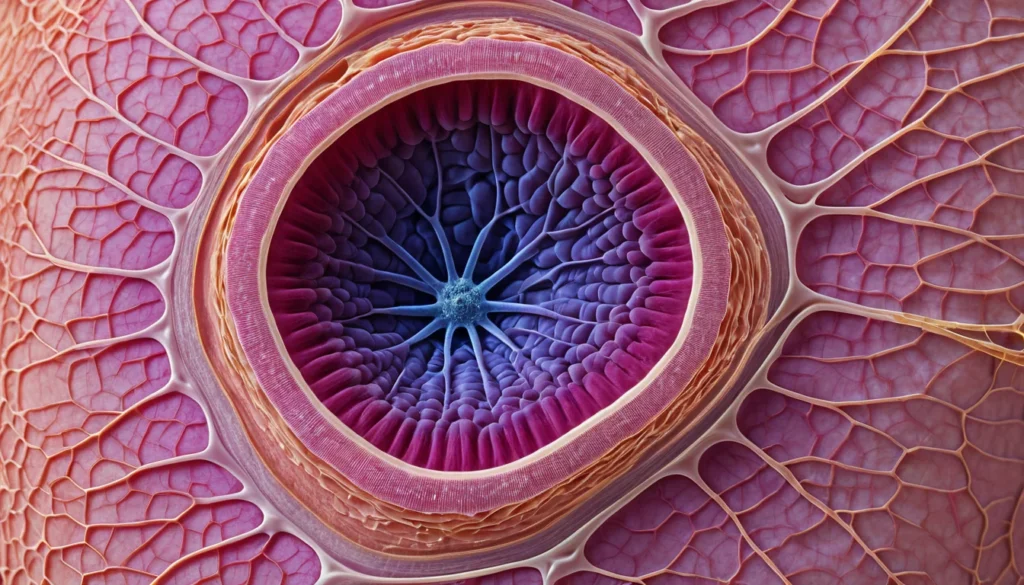
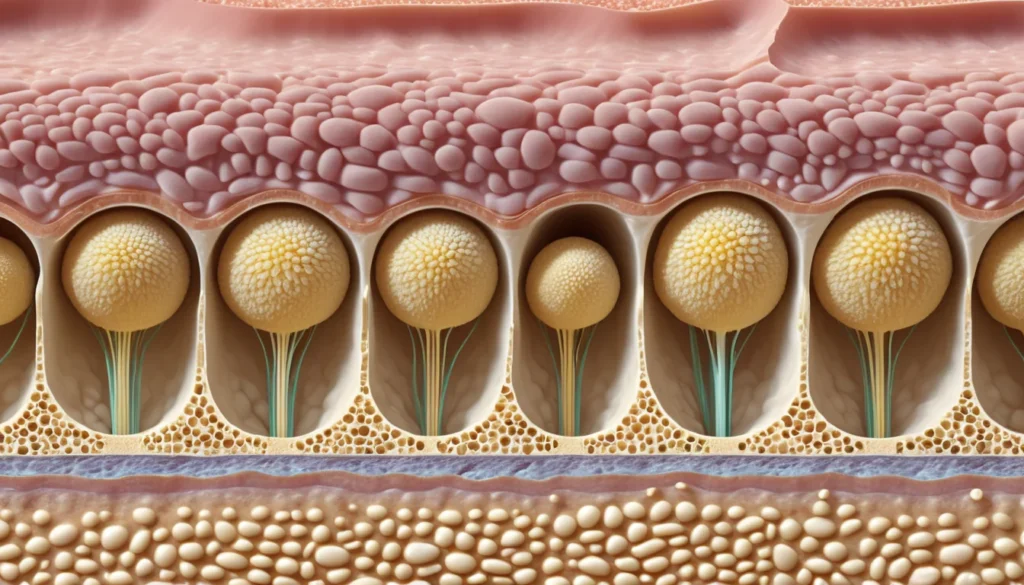
Sweat glands are tiny exocrine glands attached to the outer layer of your skin, known as the epidermis. The word “exocrine” simply means they release their secretions — in this case, sweat — through a duct or pore that opens onto the skin’s surface.
Most people never think about their sweat glands until something goes wrong. However, these small structures are working constantly, even when you do not notice any visible sweat. They are essential to your body’s ability to regulate temperature and maintain overall health.
There are two main types of sweat glands in the human body: eccrine glands and apocrine glands. Each type has a different location, function, and role. Furthermore, each type can be affected by different health conditions.
Eccrine Sweat Glands: Your Body’s Cooling System
Eccrine glands are by far the most common type of sweat gland. They are found almost everywhere on your skin’s surface, but they are most densely packed on your palms, the soles of your feet, and your forehead.
These glands connect directly to the skin’s surface through a small opening called a pore. When your body temperature rises — whether from exercise, hot weather, or a fever — your autonomic nervous system sends a signal. As a result, your eccrine glands release sweat onto the skin’s surface.
Eccrine sweat is mostly water, with a small amount of sodium chloride (salt) and other minerals. As this sweat evaporates from your skin, it carries heat away from your body. This cooling process is one of the most important ways your body stays within a safe temperature range.
According to Healthline’s overview of eccrine sweat glands, the average adult has between two and four million eccrine glands distributed across the body. That is a remarkable number, and it shows just how seriously the human body takes temperature control.
Why Eccrine Sweat Matters for Your Health
Eccrine sweat does more than just cool you down. It also plays a minor role in flushing out certain waste products through the skin. In addition, it helps keep the skin surface slightly acidic, which discourages the growth of harmful bacteria.
When you exercise or spend time in the heat, your eccrine glands can produce a significant amount of sweat. Staying well hydrated helps your body replace the fluids and electrolytes lost through this process. If you feel dizzy, weak, or overly thirsty after sweating heavily, that is a sign to rest and rehydrate.
Apocrine Sweat Glands: A Different Kind of Sweat
Apocrine glands are less common than eccrine glands. They are found mainly in the armpits, the groin area, and the region around the genitals and anus. Unlike eccrine glands, apocrine glands are always connected to a hair follicle. Their duct merges with the follicle’s canal rather than opening directly onto the skin’s surface.
The sweat produced by apocrine glands is thicker and more viscous than eccrine sweat. It also contains proteins and fatty acids, which gives it a distinct, sometimes strong odour when it comes into contact with bacteria on the skin’s surface. This is the main biological source of body odour.
What Role Do Apocrine Glands Play?
In many animals, apocrine secretions play an important role in communication and attraction. However, their exact function in humans is still not fully understood. Researchers believe they may have played a larger role in our evolutionary past.
Apocrine glands become active during puberty, when hormones trigger changes throughout the body. This is why body odour tends to develop during adolescence. Good hygiene habits — including regular washing and the use of deodorant or antiperspirant — can manage odour effectively for most people.
For more detail on how these two gland types differ, the Mayo Clinic’s guide to sweating and body odour offers a clear and reliable explanation.
Common Sweat Gland Conditions
Like any part of the body, sweat glands can develop problems. Some conditions are merely uncomfortable, while others can significantly affect a person’s quality of life. Therefore, it helps to know the most common issues and what they involve.
Hyperhidrosis: Excessive Sweating
Hyperhidrosis is a condition where the body produces far more sweat than it needs to regulate temperature. People with hyperhidrosis may sweat heavily from their hands, feet, armpits, or face — even when they are not hot or exercising.
This condition can range from mildly inconvenient to seriously disruptive. For some Canadians, it becomes a social and professional challenge, causing embarrassment and anxiety in everyday situations. Fortunately, effective treatments are available.
Treatment options for hyperhidrosis include:
Antiperspirant products: These contain aluminium salts, which temporarily block sweat pores. Clinical-strength antiperspirants are available without a prescription at most Canadian pharmacies.
Iontophoresis: This treatment uses a mild electrical current passed through water to reduce sweating, particularly in the hands and feet. It is available through some dermatology clinics.
Prescription medications: Your doctor may prescribe oral medications or topical treatments to reduce nerve signals that trigger sweating.
Botulinum toxin injections: Injections (commonly known by the brand name Botox) can block the nerve signals that activate sweat glands in a specific area. Results typically last several months.
Surgical removal: In severe cases, a surgeon can remove or destroy overactive sweat glands. This is usually considered only when other treatments have not worked.
If excessive sweating is affecting your daily life, speak with your family doctor. Many provincial health plans in Canada cover assessment and some treatments for hyperhidrosis. Your doctor can refer you to a dermatologist if needed.
Hidradenitis: Sweat Gland Abscesses
Hidradenitis (also called hidradenitis suppurativa) is a painful skin condition that affects the apocrine sweat glands. It causes small, pea-sized lumps or abscesses to form under the skin, usually in areas where skin rubs together — such as the armpits, groin, or under the breasts.
These lumps can become infected, rupture, and leave scars over time. The condition tends to be chronic, meaning it comes and goes rather than resolving completely on its own.
Treatment often involves antibiotics to clear infection and reduce inflammation. In more severe or persistent cases, surgical drainage or removal of the affected tissue may be recommended. Early treatment helps prevent scarring and worsening of the condition.
Miliaria: Heat Rash
Miliaria, commonly known as heat rash or prickly heat, occurs when sweat gland ducts become blocked. Sweat gets trapped under the skin, causing small red bumps, blisters, or a prickling sensation.
Heat rash is most common in hot, humid weather and tends to affect areas where clothing rubs against the skin. It usually resolves on its own once the skin cools down. Wearing loose, breathable clothing and staying in cool environments can help prevent it.
Sweat Glands and Body Odour
Body odour is a topic most people find awkward to discuss, but it is a perfectly normal biological process. Sweat itself is largely odourless. The familiar smell comes from bacteria on the skin breaking down the proteins and fatty acids found in apocrine sweat.
Factors that can affect body odour include diet, stress, hormonal changes, medications, and certain medical conditions. For example, strong-smelling foods like garlic and onions can temporarily change the smell of your sweat. Hormonal shifts during menopause or pregnancy can also increase sweating and alter its odour.
Good hygiene is the most effective strategy for managing body odour. Regular washing, clean clothing, and the use of deodorant or antiperspirant work well for most people. However, if you notice a sudden or dramatic change in your body odour without a clear reason, it is worth mentioning to your doctor. In some cases, changes in odour can signal an underlying health condition.
When to See a Doctor
Most sweat-related issues are harmless and manageable at home. However, some situations do warrant a visit to your family doctor or a walk-in clinic.
Consider seeking medical advice if you experience any of the following:
Sweating that soaks through your clothing regularly, even without physical activity or heat
Night sweats that disrupt your sleep
Sweating accompanied by chest pain, shortness of breath, or dizziness
A sudden change in how much you sweat, with no obvious cause
Painful lumps or abscesses under the skin in the armpits or groin area
A rash that does not improve after cooling down and resting
Body odour that changes significantly and does not respond to normal hygiene
Your family doctor can assess your symptoms and recommend the right next steps. If you do not have a family doctor, a walk-in clinic is a good option for initial assessment. Many provinces also offer virtual care services, which allow you to speak with a doctor from home. Depending on your situation, your doctor may refer you to a dermatologist — a skin specialist — for further evaluation and treatment.
It is always better to ask and be reassured than to ignore something that is bothering you. Health Canada’s healthy living resources can help you find additional support and guidance.
Frequently Asked Questions About Sweat Glands
What are sweat glands and what do they do?
Sweat glands are small glands in the skin that produce and release sweat. They help regulate your body temperature by releasing moisture that cools the skin as it evaporates. There are two main types of sweat glands: eccrine glands, which cool the body, and apocrine glands, which are linked to body odour.
Why do I sweat so much even when I am not hot?
Sweating without obvious heat or exercise can be a sign of hyperhidrosis, a condition where the sweat glands are overactive. Stress, anxiety, certain medications, and some medical conditions can also trigger excessive sweating. If this is affecting your daily life, a family doctor or walk-in clinic can help identify the cause and recommend treatment.
Can sweat glands become infected?
Yes, sweat glands can become infected or blocked, leading to conditions like hidradenitis or heat rash. Hidradenitis causes painful lumps or abscesses near the apocrine sweat glands in areas such as the armpits or groin. These conditions are treatable with antibiotics or, in more serious cases, minor surgery.
How many sweat glands does the human body have?
The average adult has between two and four million sweat glands distributed across the body. Eccrine sweat glands are the most numerous and are found almost everywhere on the skin. The palms of the hands, the soles of the feet, and the forehead have the highest concentration of these glands.
What is the difference between deodorant and antiperspirant?
Deodorant masks or neutralizes body odour but does not reduce sweating. Antiperspirant, on the other hand, contains aluminium-based compounds that temporarily block sweat gland pores to reduce the amount of sweat released. If you have concerns about excessive sweating or odour, your pharmacist or family doctor can help you choose the right product.
Are night sweats a sign of something serious?
Night sweats can be caused by many things, including hormonal changes, certain medications, infections, and in rare cases, more serious health conditions. Occasional mild night sweats are usually not a concern. However, if you regularly wake up drenched in sweat and cannot explain it, it is worth speaking with your family doctor to rule out any underlying issues.
Key Takeaways
Sweat glands are small glands in the skin that produce sweat to help regulate body temperature and maintain skin health.
There are two main types: eccrine glands (found all over the body, responsible for cooling) and apocrine glands (found in hairy areas, linked to body odour).
Eccrine sweat is mostly water and salt. It cools the body through evaporation.
Apocrine sweat is thicker and produces odour when broken down by skin bacteria.
Hyperhidrosis (excessive sweating) is a common condition with several effective treatment options available in Canada.
Hidradenitis is a painful abscess of the apocrine glands. It is treatable with antibiotics or surgery.
Sudden changes in sweating or body odour, painful lumps under the skin, or night sweats that disrupt your sleep are all good reasons to visit your family doctor or a walk-in clinic.
Always consult a healthcare professional before starting any new treatment for a skin or sweat gland condition.