Surgical ablation is a medical procedure where a surgeon removes an organ, a group of tissues, or a foreign object from the body. It is one of the most common types of surgery performed in Canada today. This article explains what surgical ablation means, why doctors recommend it, what the different types are, and what you can expect before and after the procedure.
What Is Surgical Ablation?
The word “ablation” comes from the Latin word meaning “to remove.” In medicine, surgical ablation refers to the removal of body tissue or an organ. Doctors also use the term “excision” to mean the same thing.
Ablation is not one single surgery. It is a broad term that covers many different procedures. For example, removing a tumour, a damaged organ, or an abnormal growth all fall under this category.
In Canada, ablation procedures are performed in hospitals, surgical centres, and sometimes in outpatient clinics. Many are covered under provincial health plans, depending on the reason for the surgery. Your family doctor or specialist can confirm what your provincial plan covers.
Types of Surgical Ablation
There are several types of surgical ablation. The right type depends on what part of the body needs treatment and why. Below are the most common forms you may hear about in a Canadian healthcare setting.
Tissue and Organ Removal
This is the most traditional form of surgical ablation. A surgeon uses a scalpel or other tools to cut away diseased or damaged tissue. Common examples include removing a tumour, the appendix, or part of the bowel.
This type of surgery takes place in a hospital operating room. It may require a general anaesthetic, meaning you will be fully asleep during the procedure. Recovery time varies depending on how much tissue is removed.
Thermal Ablation
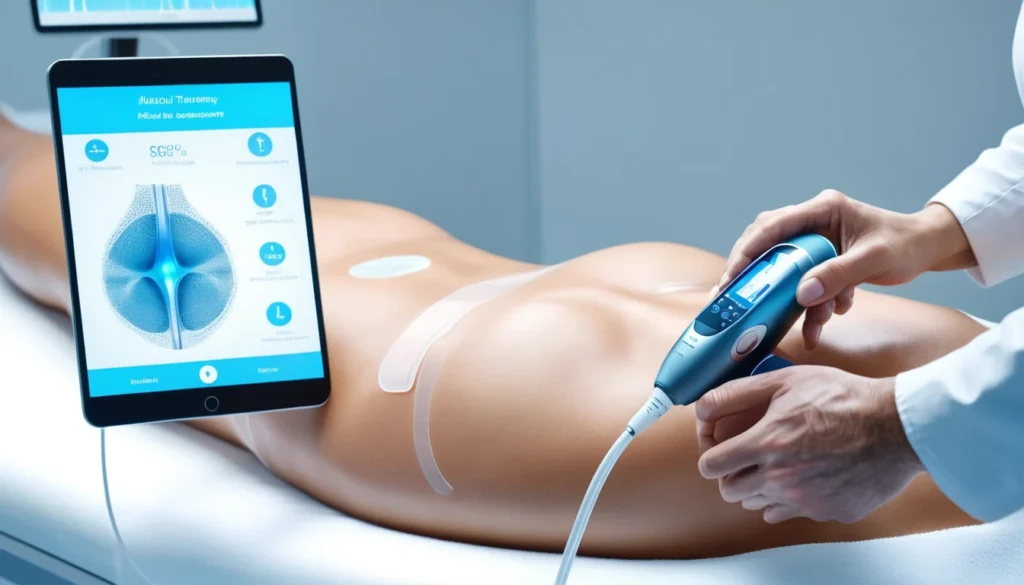
Thermal ablation uses heat or cold to destroy abnormal tissue. Doctors use this method most often for small tumours, especially in the liver, kidney, or lungs. The heat or cold kills the abnormal cells without needing large incisions.
This approach is less invasive than traditional surgery. As a result, recovery is often faster. However, it is not suitable for every patient or every type of tissue.
Cardiac Ablation
Cardiac ablation targets small areas of heart tissue that cause irregular heartbeats, known as arrhythmias. A cardiologist threads a thin tube called a catheter through a blood vessel to reach the heart. The catheter then delivers energy to destroy the problem tissue.
This procedure is common in Canada for treating conditions like atrial fibrillation. Health Canada recognises cardiac ablation as a well-established and safe treatment for many heart rhythm disorders.
Endometrial Ablation
Endometrial ablation removes the lining of the uterus. Doctors recommend it for women who have very heavy or painful periods that do not respond to other treatments. It is a minimally invasive procedure, meaning surgeons do not need to make large cuts.
Most women who have this procedure experience significantly lighter periods or none at all. It is important to note that this surgery is not suitable for women who plan to become pregnant in the future. Your gynaecologist can help you understand if this option is right for you.
Laser Ablation
Laser ablation uses a focused beam of light to remove or destroy tissue. Surgeons use it in procedures involving the skin, the brain, and the eyes, among others. It allows for very precise removal with minimal damage to surrounding healthy tissue.
For example, laser ablation is sometimes used to remove skin lesions or to treat certain types of cancer. The precision of lasers makes this method particularly useful when surgeons must work near sensitive structures.
Why Do Doctors Recommend Surgical Ablation?
Doctors recommend surgical ablation for many different reasons. The goal is always to improve your health or quality of life. Here are some of the most common reasons a doctor might suggest this type of procedure.
Cancer treatment: Removing a tumour or cancerous tissue is one of the most frequent reasons for ablation surgery.
Heart rhythm problems: Cardiac ablation helps restore a normal heartbeat in people with arrhythmias.
Heavy menstrual bleeding: Endometrial ablation reduces or stops very heavy periods.
Removing damaged tissue: Surgeons remove tissue that is dead, infected, or no longer functioning properly.
Foreign object removal: If an object becomes lodged inside the body, surgical ablation may be needed to remove it safely.
Benign growths: Non-cancerous growths like cysts or fibroids may be removed if they cause pain or other symptoms.
In many cases, doctors try other treatments first. Surgery is often recommended when other options have not worked or are not suitable. Therefore, your doctor will discuss all your options with you before recommending ablation.
What to Expect Before a Surgical Ablation Procedure
Preparation for surgical ablation depends on the type of surgery you are having. However, there are some general steps that apply to most ablation procedures in Canada.
Consultations and Tests
Your specialist will order tests before the surgery. These may include blood work, imaging scans like an MRI or CT scan, or an electrocardiogram (ECG) for heart-related procedures. These tests help the surgical team plan the procedure safely.
You will also meet with an anaesthesiologist if your surgery requires sedation or general anaesthetic. This specialist will review your medical history and explain what type of anaesthesia you will receive.
Before the Day of Surgery
Your surgical team will give you specific instructions to follow in the days leading up to your procedure. You may need to stop taking certain medications, especially blood thinners. You will also likely be asked not to eat or drink for several hours before the surgery.
Furthermore, you should arrange for someone to drive you home after the procedure. Even if you feel well, anaesthesia and sedation affect your ability to drive safely. Planning ahead makes the process much smoother.
Recovery After Surgical Ablation
Recovery after surgical ablation varies widely. It depends on the type of surgery, the part of the body treated, and your overall health. Some people go home the same day, while others need to stay in hospital for several days.
Short-Term Recovery
In the first few days after surgery, you may feel tired, sore, or uncomfortable. Your care team will give you instructions on how to manage pain, care for any incisions, and watch for signs of complications. Following these instructions carefully is very important.
Common short-term effects include swelling, bruising, and fatigue. According to Mayo Clinic, most patients see significant improvement within the first one to two weeks after minimally invasive ablation procedures.
Long-Term Recovery
Full recovery from more complex ablation surgeries can take several weeks or even months. You may need to attend follow-up appointments with your specialist to monitor your progress. In some cases, physical therapy or lifestyle changes may be part of your recovery plan.
As a result of improved surgical techniques, recovery times have shortened considerably in recent years. However, every patient heals at their own pace. Be patient with yourself and follow your doctor’s guidance throughout the process.
Possible Risks and Complications
Like all surgical procedures, ablation carries some risks. These may include infection, bleeding, damage to nearby tissue, or reactions to anaesthesia. The specific risks depend on the type of ablation and your overall health.
Your surgeon will explain all possible risks before you consent to the procedure. It is important to ask questions and make sure you understand what is involved. Healthline offers a helpful overview of general surgical risks that can help you prepare for these conversations.
When to See a Doctor
You should speak with your family doctor if you have symptoms that might require further investigation, such as unexplained lumps, persistent pain, heavy bleeding, or an irregular heartbeat. Your family doctor is your first point of contact and can refer you to a specialist if needed.
If your symptoms come on suddenly or feel severe, visit a walk-in clinic or go to your nearest emergency department. Do not wait for a referral if you are concerned about your health.
After a surgical ablation procedure, contact your doctor right away if you notice signs of infection, such as increased redness, warmth, swelling, or fever. Unusual pain or bleeding after surgery also warrants immediate attention. Your health and safety always come first.
Always consult your family doctor or a qualified healthcare provider before making any decisions about surgery or medical treatment. This article is for informational purposes only and does not replace professional medical advice.
Frequently Asked Questions About Surgical Ablation
Is surgical ablation a major surgery?
It depends on the type of procedure. Some forms of surgical ablation, like cardiac or endometrial ablation, are minimally invasive and done as outpatient procedures. Others, such as organ removal, are more complex and require a hospital stay and longer recovery.
Is surgical ablation covered by provincial health plans in Canada?
Many ablation procedures are covered under provincial health insurance plans when they are considered medically necessary. However, coverage varies by province and by the specific type of procedure. Your family doctor or specialist can help you confirm what is covered in your province.
How long does recovery from surgical ablation take?
Recovery time after surgical ablation depends on the type of procedure and your overall health. Minimally invasive ablations may allow you to return to normal activities within a few days. More extensive surgeries can require several weeks or months of recovery.
Is ablation the same as excision?
Yes, ablation and excision are used interchangeably in many medical contexts. Both terms refer to the removal or destruction of body tissue through surgery. Your doctor may use either word depending on their training or the specific procedure involved.
What are the most common reasons for surgical ablation?
The most common reasons include cancer treatment, heart arrhythmias, heavy menstrual bleeding, and removal of damaged or non-functioning tissue. Surgical ablation is also used to remove benign growths, cysts, and foreign objects from the body. Your doctor will recommend ablation only when it is the most appropriate option for your condition.
Does surgical ablation hurt?
During the procedure itself, you will receive either local anaesthesia, sedation, or general anaesthetic, so you should not feel pain during surgery. Afterwards, some discomfort, soreness, or mild pain is normal and can be managed with medications prescribed by your doctor. If pain is severe or worsening after your procedure, contact your healthcare provider right away.
Key Takeaways
Surgical ablation is the removal or destruction of body tissue, an organ, or a foreign object through surgery.
It covers many different procedures, including cardiac ablation, endometrial ablation, thermal ablation, and laser ablation.
Doctors recommend ablation for cancer, heart arrhythmias, heavy bleeding, and other conditions.
Preparation involves medical tests, specialist consultations, and following pre-surgery instructions carefully.
Recovery time varies depending on the type of procedure and your overall health.
Many ablation procedures are covered by Canadian provincial health plans when medically necessary.
Always speak with your family doctor or specialist to find out if surgical ablation is right for your situation.