A summer diet is one of the easiest and most enjoyable ways to eat better and shed extra weight. Summer brings an abundance of fresh fruits and vegetables right here in Canada, making it the perfect season to nourish your body. In this article, you will learn what to eat, what to avoid, and how to stay hydrated all season long.
Why Summer Is the Best Time to Improve Your Diet
After a long Canadian winter, our bodies naturally crave lighter, fresher foods. The warmer weather reduces your appetite for heavy, calorie-dense meals. As a result, it becomes much easier to eat in a balanced way without feeling deprived.
Your body also needs less energy to stay warm, so it burns fewer calories just to maintain temperature. This means those extra calories are more likely to be stored as fat in winter. Summer, however, flips that equation in your favour.
Furthermore, Canadian farmers’ markets are full of seasonal produce from June through September. Fresh, local fruits and vegetables are not only more nutritious — they are also more affordable. Taking advantage of this seasonal variety makes healthy eating feel natural, not like a chore.
What to Eat on a Summer Diet
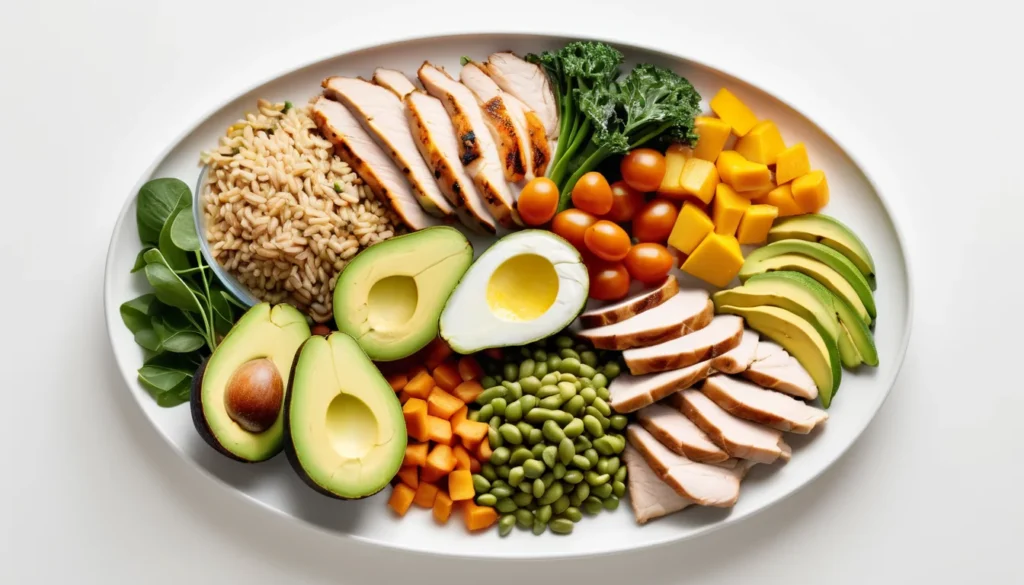
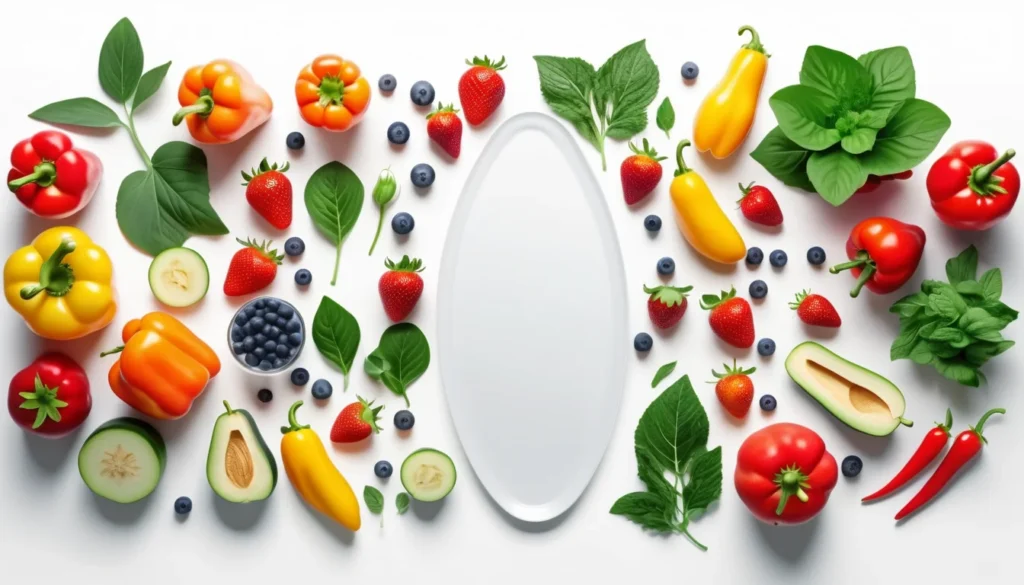
The foundation of a good summer diet is simple: fill your plate with fresh fruits and vegetables. These foods are low in calories but rich in fibre, vitamins, and antioxidants. They keep you feeling full without weighing you down.
According to Health Canada’s Food Guide, half of every meal should be vegetables and fruits. This is especially easy to achieve in summer, when produce is at its peak.
Best Fruits and Vegetables for Summer
Tomatoes are a summer superstar. A medium tomato has only about 35 calories, yet it provides roughly 40% of your daily vitamin C and 20% of your vitamin A. Tomatoes also contain lycopene, a powerful antioxidant linked to a lower risk of certain cancers and heart disease.
Watermelon and cantaloupe are excellent choices too. They are mostly water, which helps you feel full while staying hydrated. In addition, they provide antioxidants that support overall health.
Cucumbers deserve a special mention. They are 96% water and have only about 10 calories per 100 grams. They are rich in fibre, potassium, magnesium, and iron. Cucumber also supports healthy digestion, which is a common concern during weight loss.
Bell peppers and zucchini are also ideal summer vegetables. They are low in calories, easy to grill or toss in a salad, and packed with vitamins A and C.
Other Key Foods to Include
Beyond produce, a balanced summer diet should include these foods:
Skim milk or low-fat dairy: Good sources of calcium without excess saturated fat.
Plain, fat-free yogurt: Rich in protein and probiotics to support gut health.
Whole grain cereals and bread: High in fibre to keep you feeling satisfied longer.
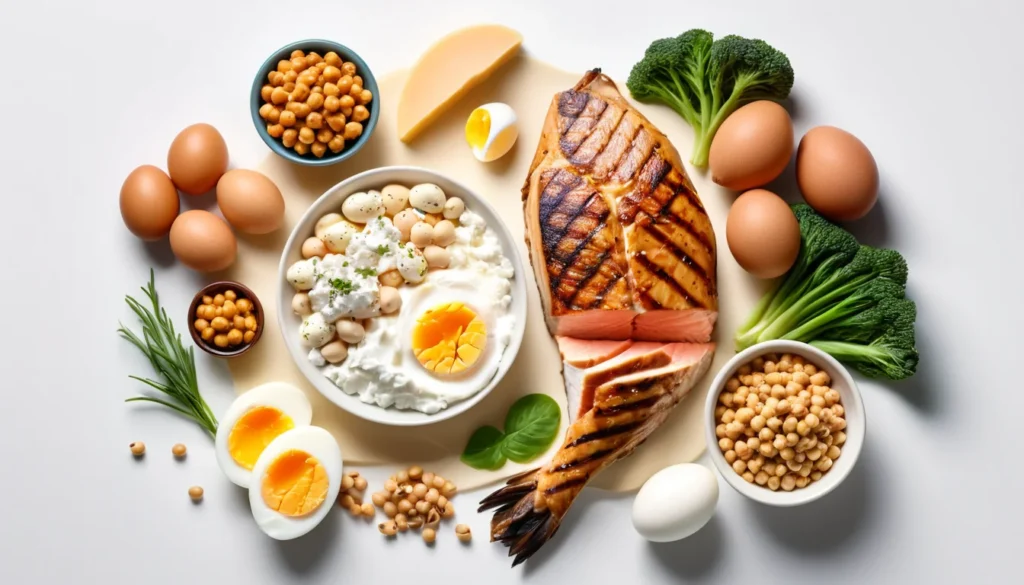
Legumes and eggs: Affordable, high-protein options widely available across Canada.
Olive oil (in small amounts): A heart-healthy fat for dressings and light cooking.
Simple Summer Meal Ideas
Eating well does not have to be complicated. A few simple meal ideas can keep your summer diet on track every day of the week.
Breakfast
Start your morning with skim milk and whole grain cereal or a fresh fruit and vegetable juice. You can also have a slice of whole grain toast with low-fat cottage cheese or two hard-boiled eggs and a tomato. These options are light, filling, and full of nutrients.
Lunch
For lunch, try a large vegetable salad with a drizzle of olive oil and lemon juice. Vegetable soups, baked potatoes with a small amount of olive oil, or whole grain pasta with tomato sauce are also great choices. Grilled vegetables are another easy, delicious option on a warm summer day.
Dinner
Keep dinner simple and light. A fresh vegetable salad with olive oil and lemon, plain boiled potatoes, or a bowl of plain yogurt works well. Lighter evening meals support better sleep and help your body recover overnight.
Treats in Moderation
You do not have to give up everything sweet. One small scoop of ice cream per week or a square of dark chocolate is perfectly reasonable. A healthy summer diet is about balance, not perfection.
What to Avoid on a Summer Diet
Knowing what to cut back on is just as important as knowing what to eat. Certain foods can quietly sabotage your summer diet goals.
Alcohol is one of the biggest culprits. It is high in empty calories and can increase appetite. Try swapping alcoholic drinks for sparkling water with fresh fruit slices at summer gatherings.
Sugary drinks — including juice boxes, sodas, and sports drinks — are another problem. They contain large amounts of sugar, artificial colours, and preservatives. These ingredients can disrupt digestion, raise blood sugar, and contribute to weight gain.
White bread and heavily processed foods offer little nutritional value. They tend to spike blood sugar quickly, leaving you hungry again soon after eating. Choosing whole grain alternatives is a simple swap that makes a real difference.
Excess salt is also worth watching. Processed and packaged foods often contain far more sodium than you realise. Too much salt causes water retention and can raise blood pressure over time. Mayo Clinic recommends limiting sodium to 2,300 mg per day for most adults.
Fried foods add unnecessary fat and calories without adding nutritional value. Instead, choose grilled, steamed, or boiled cooking methods. Your digestion — and your waistline — will thank you.
The Power of Fibre in Your Summer Diet
Fibre is one of the most important nutrients in a healthy summer diet. It plays several key roles that benefit both your health and your weight.
First, fibre slows digestion. This means you feel full for longer after eating, which naturally reduces how much you eat overall. Second, fibre helps control blood sugar levels by slowing the absorption of carbohydrates. This prevents the energy crashes that can lead to cravings.
Fibre also supports healthy digestion and regular bowel movements. This is especially helpful during periods of dietary change. Healthline explains that most Canadians do not get enough fibre daily, with the recommended amount being 25–38 grams per day for adults.
The good news is that summer fruits and vegetables are naturally high in fibre. Cucumbers, bell peppers, tomatoes, berries, and whole grains all contribute to your daily fibre intake easily and deliciously.
Staying Hydrated All Summer Long
Hydration is a critical part of any summer diet. When the temperature rises, your body sweats more. This means you lose not just water, but also important electrolytes like sodium and potassium.
Aim to drink 2 to 2.5 litres of water per day. Plain water is always the best choice. Unsweetened herbal teas, homemade fruit-infused water, and diluted fruit juices are also good options.
You can add a small amount of honey or raw cane sugar to tea if needed, but try to keep added sugars minimal. Avoid sugary sports drinks unless you are doing intense physical activity for more than an hour.
Many summer fruits and vegetables also help with hydration. Cucumber, watermelon, celery, and lettuce all have very high water content. Eating these foods regularly supports your hydration goals naturally.
Signs of dehydration include dark urine, headaches, fatigue, and dizziness. If you notice these symptoms on a hot day, increase your fluid intake right away.
Using Herbs and Spices Instead of Salt
One of the easiest ways to improve your summer diet is to replace salt with fresh herbs and spices. Basil, mint, cilantro, parsley, and dill are all excellent flavour boosters that grow easily in Canadian gardens and are available at most grocery stores.
Spices like cumin, turmeric, and chili flakes can add bold flavour without extra sodium. Some spices, such as chili and black pepper, may also support metabolism. However, the evidence on this is modest, so do not rely on spices alone for weight loss.
Using herbs and spices generously makes healthy food taste exciting. This makes it far easier to stick to your summer diet over the long term.
When to See a Doctor
A summer diet based on fresh produce and balanced eating is safe for most healthy adults. However, it is always a good idea to check in with your family doctor before making significant changes to your diet, especially if you have a chronic condition like diabetes, kidney disease, or heart disease.
If you do not have a family doctor, a walk-in clinic is a great option available in most Canadian cities and towns. Your provincial health plan covers these visits, so there is no extra cost. A healthcare provider can help you set realistic goals and make sure your diet meets your individual needs.
Seek medical attention if you experience unusual fatigue, dizziness, rapid weight loss, or digestive problems that do not resolve within a few days. These may be signs that your body needs more support.
Frequently Asked Questions About Summer Diet
What is the best summer diet for weight loss in Canada?
The best summer diet for weight loss focuses on fresh fruits, vegetables, whole grains, and lean proteins. Following Health Canada’s Food Guide and filling half your plate with produce is a great starting point. Staying hydrated and avoiding sugary drinks and fried foods also makes a big difference.
How much water should I drink on a summer diet?
Most adults should aim for 2 to 2.5 litres of water per day, and even more on hot days or when exercising. A good summer diet includes water-rich foods like cucumber and watermelon to help with hydration. Watch for signs of dehydration such as headaches, dark urine, or fatigue.
Which fruits and vegetables are best in a summer diet?
Tomatoes, cucumbers, bell peppers, zucchini, watermelon, and cantaloupe are all excellent choices for a summer diet. They are low in calories, high in fibre, and packed with vitamins and antioxidants. Many of these are also locally grown in Canada during summer, making them fresh and affordable.
Can I lose weight by eating more fruits and vegetables in summer?
Yes. Fruits and vegetables are low in calories but high in fibre, which helps you feel full and eat less overall. A summer diet rich in produce naturally reduces calorie intake without the need for strict or drastic dieting. Combined with regular physical activity, this approach supports healthy, sustainable weight loss.
What foods should I avoid on a summer diet?
On a summer diet, it is best to avoid sugary drinks, alcohol, white bread, fried foods, and heavily processed snacks. These foods are high in empty calories, sugar, and sodium, which can work against your health goals. Replacing them with water, whole grains, and fresh produce makes a noticeable difference.
Is a summer diet safe for everyone?
A balanced summer diet is generally safe for healthy adults. However, people with diabetes, kidney disease, or other chronic conditions should speak with their family doctor or visit a walk-in clinic before making major dietary changes. Your provincial health plan covers these visits, so it is easy to get personalised advice.
Key Takeaways
Summer is an ideal time to adopt a healthier diet thanks to the wide variety of fresh, seasonal produce available across Canada.
Fill half your plate with fruits and vegetables at every meal, following Health Canada’s Food Guide recommendations.
Fibre is your friend. It keeps you full, supports digestion, and helps manage blood sugar levels.
Stay hydrated by drinking 2 to 2.5 litres of water daily and eating water-rich foods like cucumber and watermelon.
Avoid sugary drinks, fried foods, excess salt, and alcohol to support your weight and overall health.
Use herbs and spices to add flavour to meals without relying on salt.
Treat yourself occasionally — a small serving of ice cream or a square of dark chocolate once a week is perfectly fine.
Talk to your family doctor or visit a walk-in clinic before making significant dietary changes, especially if you have a health condition.