Sudden weight changes — whether unexpected weight loss or rapid weight gain — can be more than just a number on the scale. In many cases, they signal an underlying health condition that needs attention. This article explains the most common causes of sudden weight changes, what symptoms to watch for, and when it’s time to talk to your family doctor or visit a walk-in clinic.
What Is a Healthy Weight? Understanding BMI
Doctors often use Body Mass Index (BMI) to assess whether a person’s weight is in a healthy range. BMI is calculated using your height and weight. A BMI between 18.5 and 24.9 is considered normal.
A BMI below 18.5 means a person is underweight. A BMI above 25 moves into the overweight range, and above 30 is considered obese. However, BMI is just one tool — it doesn’t tell the whole story about your health.
Your BMI naturally shifts throughout your life. It changes as you grow, age, and adjust your diet or activity level. Small fluctuations of a few kilograms are completely normal and nothing to worry about.
However, if you lose or gain a significant amount of weight quickly — say, within two to three weeks or two to three months — without trying, that’s worth investigating. Health Canada recommends speaking with a healthcare provider if you notice unexplained changes in your body weight.
Causes of Sudden Weight Loss
Losing weight without changing your diet or exercise routine can be a warning sign. It may point to a medical condition that hasn’t been diagnosed yet. Here are some of the most common causes.
Thyroid Problems (Hyperthyroidism)
Your thyroid gland controls how fast your body burns energy. When it produces too many hormones — a condition called hyperthyroidism — your metabolism speeds up dramatically. As a result, your body burns through calories faster than you can replace them, even if you’re eating normally.
Other symptoms of hyperthyroidism include a racing heartbeat, sweating, trembling hands, and more frequent bowel movements. If you notice these alongside sudden weight changes, see your doctor promptly.
Diabetes
Untreated type 1 or type 2 diabetes can also cause rapid weight loss. When your body can’t use glucose properly, it starts breaking down fat and muscle for energy instead. You may also notice increased thirst, frequent urination, and a bigger appetite alongside the weight loss.
Digestive Conditions
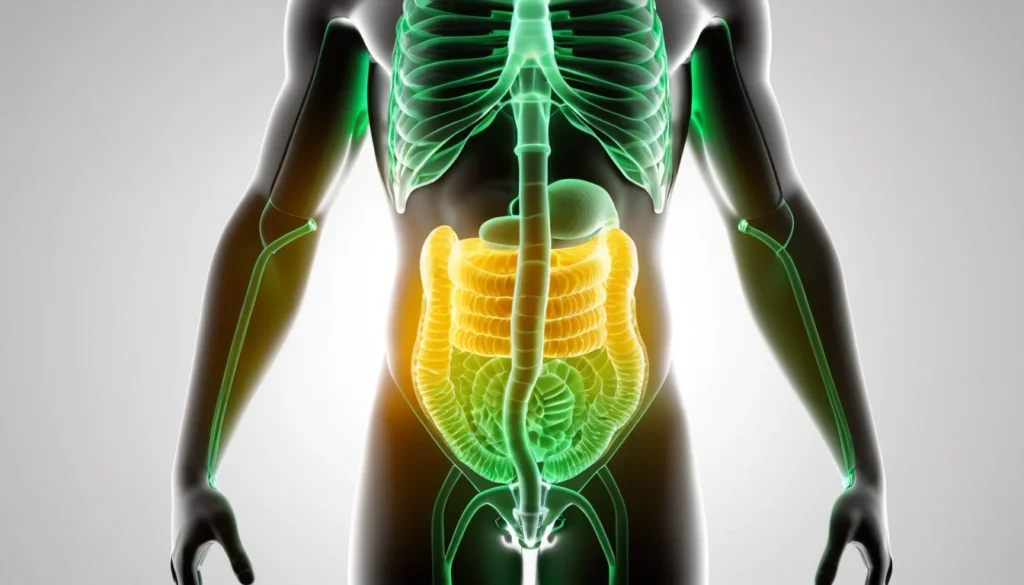
Conditions like Crohn’s disease and ulcerative colitis affect how well your gut absorbs nutrients. Even if you’re eating enough, your body may not be getting what it needs. This can lead to noticeable weight loss over time.
Other gut-related symptoms include abdominal pain, diarrhoea (sometimes with blood), bloating, and general fatigue. Furthermore, celiac disease — an immune reaction to gluten — can cause similar problems with nutrient absorption and unexplained weight loss.
Cancer
In some cases, sudden and significant weight loss can be an early warning sign of cancer. Cancers affecting the digestive system — including stomach, colon, liver, and pancreatic cancers — often cause major weight loss in the early or middle stages.
This weight loss is often accompanied by anaemia, extreme fatigue, and a general decline in how you feel. It’s important not to ignore these signs. If you’re losing weight without explanation, your doctor needs to know.
Other Medical Causes of Weight Loss
Several other conditions can also cause unexplained weight loss. These include:
Chronic Obstructive Pulmonary Disease (COPD) — a serious lung condition
Heart failure — when the heart can’t pump blood efficiently
Addison’s disease — a disorder of the adrenal glands
Tuberculosis (TB) and HIV/AIDS
Substance use, including cocaine, amphetamines, or excessive alcohol
In addition, excessive caffeine intake can suppress appetite and contribute to weight loss over time. Each of these causes requires a different medical approach, which is why a proper diagnosis matters so much.
Causes of Sudden Weight Gain
On the other side of sudden weight changes is rapid, unexplained weight gain. Putting on a few kilograms over the holidays is one thing. However, gaining significant weight quickly — without changes in diet or activity — deserves a closer look.
Poor Sleep and Stress
Research shows that not getting enough sleep disrupts hormones that control hunger. Specifically, it lowers leptin (the hormone that signals fullness) and raises ghrelin (the hormone that triggers hunger). As a result, you may feel hungrier and eat more without realising it.
Chronic stress has a similar effect. It raises cortisol levels, which can increase cravings for high-calorie comfort foods. Living a sedentary lifestyle — especially with a desk job — makes this even harder to manage.
Hypothyroidism
The opposite of hyperthyroidism, hypothyroidism means your thyroid is underactive. It slows your metabolism, so your body stores more calories as fat. Even if your diet hasn’t changed, you may notice the scale creeping upward.
Other symptoms include fatigue, feeling cold all the time, dry skin, and constipation. Hypothyroidism is very common in Canada, particularly among women over 60. It’s easily diagnosed with a simple blood test.
Cushing’s Syndrome
Cushing’s syndrome is caused by too much cortisol in the body. Cortisol raises blood sugar, promotes fat storage (especially around the belly), and causes the body to retain fluid. The result is often sudden and noticeable weight gain, particularly around the midsection and face.
Type 2 Diabetes
Interestingly, type 2 diabetes can cause both weight loss and weight gain, depending on the stage and the person. When the body can’t use glucose and nutrients efficiently, it may store them as fat instead. This contributes to unexplained weight gain over time.
High Salt Intake and Fluid Retention
Eating too much sodium causes your body to hold onto water. This fluid retention can cause a sudden jump on the scale — sometimes several kilograms — that isn’t actually fat. Swollen ankles, puffiness around the eyes, and a bloated feeling are common signs.
Reducing processed foods, fast food, and packaged snacks — all high in hidden salt — can help. However, if the swelling is severe or persistent, it could point to a heart, kidney, or liver problem.
Mental Health and Hormonal Changes
Your mental and emotional health plays a real role in sudden weight changes. Depression and anxiety affect appetite differently for different people. Some people lose interest in eating, while others turn to food for comfort and gain weight as a result.
For women, perimenopause brings hormonal shifts that often contribute to weight gain, especially around the abdomen. These changes are normal but can still be managed with the right support from your healthcare provider.
Symptoms That Should Prompt a Doctor Visit
Weight change alone isn’t always cause for alarm. However, certain symptoms alongside sudden weight changes should never be ignored. Watch for:
Fever or night sweats
Extreme fatigue that doesn’t improve with rest
Heart palpitations or shortness of breath
Abdominal pain or tenderness
Swollen or painful legs
Blood in your stool or urine
Persistent nausea or vomiting
If you experience any of these symptoms together with unexpected weight changes, contact your healthcare provider as soon as possible. The Mayo Clinic notes that unexplained weight loss of 4.5 kg or more warrants a medical evaluation, even without other symptoms.
When to See a Doctor in Canada
If you’ve experienced sudden weight changes — gaining or losing more than 4 to 5 kilograms in a month or two without trying — it’s time to seek medical advice. Don’t wait to see if it corrects itself.
Your first step should be contacting your family doctor. They can review your health history, order blood work, and refer you to a specialist if needed. Most provincial health plans in Canada cover these initial assessments at no out-of-pocket cost.
If you don’t have a family doctor, a walk-in clinic is a good option. Many provinces also offer virtual care options through apps or telephone health lines, such as Telehealth Ontario or Health Link 811 in Alberta and BC.
Remember, catching a health issue early almost always leads to better outcomes. There’s no benefit to waiting. As always, the information in this article is for general guidance only — please speak with a qualified healthcare professional for advice specific to your situation.
Tests and Diagnosis
When you visit your doctor about sudden weight changes, they will likely start with a physical exam and a detailed health history. From there, they may order several tests.
Common tests include:
Blood tests — to check blood sugar, thyroid function, kidney and liver health, and signs of infection or anaemia
Electrolyte panel — to check mineral and fluid balance
Hormone levels — to look for thyroid disorders, Cushing’s syndrome, or adrenal problems
Cardiac and respiratory assessments — if heart or lung conditions are suspected
Imaging or colonoscopy — if a digestive condition or cancer is a concern
The goal is to find the root cause of the sudden weight changes so that the right treatment can begin. Treatment will vary widely depending on the diagnosis — from medication and dietary changes to physiotherapy or specialist care. The World Health Organization highlights that both underweight and obesity carry serious health risks that can be managed with early intervention.
Frequently Asked Questions
How much weight change is considered sudden or concerning?
Doctors generally consider a loss or gain of 4.5 kg (about 10 pounds) or more within one to two months — without trying — to be a concerning sudden weight change. If this happens to you, it’s worth speaking with your family doctor or visiting a walk-in clinic for an evaluation.
What are the most common causes of sudden unexplained weight loss?
The most common medical causes of sudden unexplained weight loss include hyperthyroidism, uncontrolled diabetes, digestive disorders like Crohn’s disease or celiac disease, and in some cases, cancer. Sudden weight changes without a clear reason should always be assessed by a healthcare professional.
Can stress cause sudden weight changes?
Yes, stress can absolutely cause sudden weight changes in both directions. Chronic stress raises cortisol levels, which can increase appetite and lead to weight gain, particularly around the abdomen. In other people, stress suppresses appetite and causes noticeable weight loss instead.
Can thyroid problems cause rapid weight gain or loss?
Yes — thyroid disorders are one of the most common medical causes of sudden weight changes. An overactive thyroid (hyperthyroidism) speeds up metabolism and causes weight loss, while an underactive thyroid (hypothyroidism) slows metabolism and leads to weight gain. Both conditions are diagnosed with a simple blood test.
Is sudden weight gain covered under provincial health plans in Canada?
Visits to your family doctor or walk-in clinic to investigate sudden weight changes are generally covered by provincial health plans across Canada. Blood tests and specialist referrals ordered by your doctor are also typically covered, though some imaging or specialist services may vary by province.
When should I go to a walk-in clinic for sudden weight changes?
You should visit a walk-in clinic if you’ve noticed sudden weight changes of several kilograms without explanation and you don’t have a family doctor or can’t get an appointment quickly. If your weight change comes with symptoms like chest pain, severe fatigue, or swelling, seek care promptly — don’t wait.
Key Takeaways
Sudden weight changes of 4.5 kg or more in one to two months — without trying — deserve medical attention.
Rapid weight loss can be caused by hyperthyroidism, diabetes, digestive diseases, or cancer, among other conditions.
Rapid weight gain can result from hypothyroidism, Cushing’s syndrome, poor sleep, stress, fluid retention, or hormonal changes.
Symptoms like fatigue, swelling, palpitations, or abdominal pain alongside weight changes are red flags — see a doctor.
In Canada, your family doctor or local walk-in clinic is the best first step. Most initial assessments are covered by your provincial health plan.
Early diagnosis leads to better outcomes. Don’t ignore your body’s signals.