A stroke is a serious medical emergency that happens when blood flow to part of the brain is cut off or when a blood vessel in the brain bursts. Every minute counts. Brain cells begin to die quickly without oxygen, which means acting fast can save lives and reduce lasting damage. This article explains what a stroke is, how to recognize the warning signs, and what Canadians can expect during treatment and recovery.
What Is a Stroke?
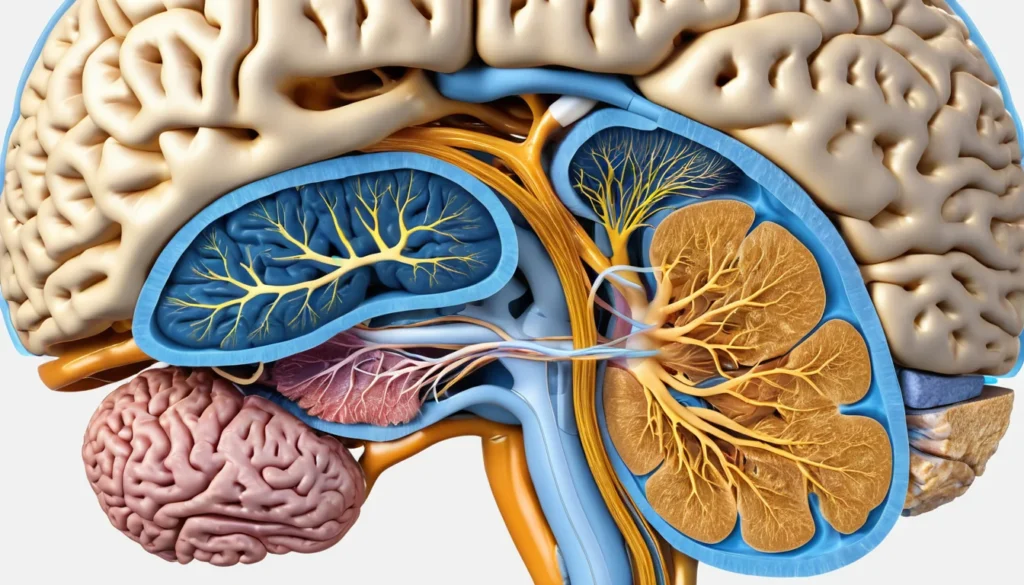
A stroke occurs when the brain is suddenly deprived of its blood supply. This deprivation causes brain tissue to become damaged or die. The effects depend on which part of the brain is affected and how long the disruption lasts.
Doctors recognize two main types of stroke. Each has different causes, risks, and treatments. Understanding the difference helps explain why quick diagnosis matters so much.
Ischemic Stroke
An ischemic stroke is the most common type, accounting for the majority of all strokes. It happens when a blood clot blocks an artery that supplies blood to the brain. The clot can form directly in the artery — a condition called thrombosis — or it can travel from another part of the body, such as the heart, and lodge in a brain artery. This travelling clot is called an embolism.
Atherosclerosis is a leading cause of ischemic stroke. This is a condition where fatty deposits build up inside artery walls, making them narrower and harder. Over time, this narrowing reduces blood flow and increases the risk of clots forming. The World Health Organization explains more about stroke causes and global impact.
Hemorrhagic Stroke
A hemorrhagic stroke happens when a blood vessel in the brain ruptures and bleeds into the surrounding brain tissue. High blood pressure is the most common cause of this type of stroke. Less commonly, structural problems in blood vessels — such as an aneurysm (a bulging weak spot in an artery wall) or an arteriovenous malformation (an abnormal tangle of blood vessels) — can rupture and cause bleeding.
Blood thinning medications can also increase the risk of a hemorrhagic stroke in some people. This is why doctors carefully monitor patients who take anticoagulant drugs.
Recognizing Stroke Symptoms
Recognizing a stroke quickly is one of the most important things you can do. In Canada, a helpful tool is the FAST acronym, which stands for Face drooping, Arm weakness, Speech difficulty, and Time to call 9-1-1. Acting on these signs immediately can significantly improve outcomes.
However, stroke symptoms can vary depending on which area of the brain is affected. Therefore, it is important to know the full range of warning signs. Do not wait to see if symptoms improve on their own.
Sudden weakness or numbness on one side of the face, arm, or leg
Trouble speaking or understanding speech — words may come out confused or slurred (this is called aphasia)
Vision problems in one or both eyes, including blurred or double vision
Severe headache with no known cause, often described as the worst headache of a person’s life
Loss of balance or coordination, sudden dizziness, or difficulty walking
Paralysis on one side of the body (hemiplegia)
Difficulty swallowing or facial drooping
If you or someone nearby shows any of these symptoms, call 9-1-1 right away. Time lost is brain lost. Mayo Clinic provides a detailed overview of stroke symptoms and when to seek emergency care.
How Is a Stroke Diagnosed?
When a patient arrives at the hospital with stroke symptoms, the medical team acts quickly to confirm the diagnosis. A brain CT scan (computed tomography) is usually the first test performed. This imaging test can show whether a stroke has occurred and whether it is ischemic or hemorrhagic. This distinction is critical because the treatments are very different.
Additional Diagnostic Tests
Beyond the CT scan, doctors often order a range of other tests to understand the cause of the stroke. These tests help guide both immediate treatment and long-term prevention.
Blood tests to check clotting ability, cholesterol, blood sugar, and other markers
Cardiac ultrasound (echocardiogram) to check if a clot came from the heart
Doppler ultrasound or arteriography to examine the arteries supplying the brain
Lumbar puncture (spinal tap) in some cases, to detect bleeding around the brain and spinal cord
MRI scan for a more detailed picture of brain damage
In Canada, these tests are typically performed in hospital emergency departments and neurology units. Provincial health plans generally cover the cost of these diagnostic tests when ordered by a physician.
Stroke Treatment Options
Stroke treatment depends on the type and severity of the stroke. The primary goals are to restore blood flow to the brain as quickly as possible, support the patient’s vital functions, and prevent further brain damage. Speed of treatment directly affects how much brain tissue can be saved.
Treating Ischemic Stroke
For ischemic strokes, doctors may administer a clot-dissolving medication called tPA (tissue plasminogen activator). This drug works best when given within a few hours of symptom onset. In some cases, a procedure called mechanical thrombectomy is used to physically remove the clot from the artery.
After the acute phase, patients with stroke caused by an embolism may be prescribed antiplatelet medications such as aspirin, or anticoagulant blood thinners. In many cases, this medication is prescribed for life to prevent future strokes.
Treating Hemorrhagic Stroke
Hemorrhagic strokes require a different approach. The priority is to control the bleeding and reduce pressure on the brain. In some cases, surgery is needed to repair a ruptured aneurysm or remove an arteriovenous malformation. This vascular surgery can significantly reduce the risk of another stroke occurring.
Patients who are unconscious or semi-conscious need intensive hospital care. This includes keeping the airway clear and providing nutrition either through an intravenous line or a nasogastric tube (a tube that passes through the nose into the stomach).
Stroke Recovery and Rehabilitation
Recovery after a stroke is a gradual process. It looks different for every person, depending on the severity of the stroke and which part of the brain was affected. Rehabilitation — or “rehab” — plays a crucial role in helping stroke survivors regain as much function as possible.
In Canada, stroke rehabilitation is typically coordinated through hospital-based programs, outpatient therapy centres, or community health services, depending on the province. Your healthcare team will help develop a personalized recovery plan.
Physical and Speech Rehabilitation
Many stroke survivors experience weakness or paralysis on one side of the body. With the right physiotherapy programme, many patients regain the ability to walk and perform daily tasks. The brain has a remarkable ability to adapt and form new pathways — a process called neuroplasticity.
Speech therapy is also an important part of recovery for those affected by aphasia or other communication difficulties. Language skills can improve significantly over time, especially with consistent therapy. In addition, occupational therapy helps survivors relearn everyday skills such as dressing, cooking, and writing.
Cognitive and Emotional Recovery
Unfortunately, intellectual deficits — such as memory problems, difficulty concentrating, or changes in behaviour — are often more difficult to reverse. These challenges can be frustrating for both survivors and their families. Furthermore, depression is common after a stroke, and emotional support is a vital part of the recovery process.
Many Canadian provinces offer caregiver support programmes and community mental health services for stroke survivors and their families. Ask your healthcare provider what is available in your area.
Stroke Prevention: Reducing Your Risk
Preventing a stroke — or a second stroke — involves addressing the key risk factors. Many of these risk factors are modifiable, meaning you can take action to reduce them. In fact, up to 80% of strokes may be preventable through lifestyle changes and medical management.
The most important steps you can take include:
Quitting smoking — this is one of the single most powerful things you can do to lower your stroke risk
Managing high blood pressure (hypertension) through medication, diet, and regular exercise
Controlling cholesterol levels (hypercholesterolaemia) with a heart-healthy diet and, if needed, medication
Managing diabetes — high blood sugar damages blood vessels over time
Maintaining a healthy weight and staying physically active
Limiting alcohol consumption to moderate levels
Eating a balanced diet rich in fibre, fruits, and vegetables
If you have already had a stroke, preventing recurrence is a top priority. Your doctor will work with you to address every risk factor. Health Canada offers resources and guidance on heart disease and stroke prevention for Canadians.
When to See a Doctor
If you think someone is having a stroke right now, do not call your family doctor or drive to a walk-in clinic — call 9-1-1 immediately. Every second matters during a stroke, and emergency services can begin treatment on the way to the hospital.
However, if you are concerned about your stroke risk — for example, because of high blood pressure, a family history of stroke, or other health conditions — your family doctor is the right first step. They can assess your risk factors, order appropriate tests, and refer you to a specialist if needed. Walk-in clinics can also help if you do not have a family doctor yet.
If you experience sudden symptoms that resolve within minutes or hours — sometimes called a TIA (transient ischemic attack), or “mini-stroke” — see a doctor urgently. A TIA is a serious warning sign that a full stroke may follow. Do not ignore it.
Always speak with a qualified healthcare provider before making changes to any medications or treatment plans. This article is for informational purposes only and does not replace professional medical advice.
Frequently Asked Questions About Stroke
What are the early warning signs of a stroke?
The most common early warning signs of a stroke include sudden face drooping, arm weakness, and difficulty speaking — remember the FAST acronym. Other signs include sudden vision changes, severe headache, and loss of balance. If you notice any of these symptoms, call 9-1-1 immediately, as a stroke is a medical emergency.
What is the difference between an ischemic stroke and a hemorrhagic stroke?
An ischemic stroke happens when a blood clot blocks an artery in the brain, cutting off blood supply. A hemorrhagic stroke occurs when a blood vessel in the brain ruptures and bleeds into the brain tissue. Both types of stroke are serious emergencies, but they require different treatments, which is why quick diagnosis is so important.
How long does stroke recovery take?
Stroke recovery is different for every person and can take weeks, months, or even years. Many stroke survivors make significant progress in the first few months through rehabilitation programmes, including physiotherapy and speech therapy. Some effects, especially physical ones, continue to improve over time, while cognitive challenges may be more persistent.
Can a stroke be prevented?
Yes, many strokes can be prevented by managing key risk factors such as high blood pressure, high cholesterol, diabetes, and smoking. Maintaining a healthy lifestyle — including regular exercise, a fibre-rich diet, and limiting alcohol — also reduces stroke risk significantly. Talk to your family doctor about your personal risk and what steps you can take.
Is a TIA (mini-stroke) serious?
Yes, a TIA — or transient ischemic attack — is a serious warning sign that should never be ignored, even if symptoms resolve quickly. A TIA indicates that the brain briefly lost blood flow, and it significantly raises the risk of a full stroke in the days or weeks that follow. Seek urgent medical attention right away if you suspect a TIA.
Does Canada’s provincial health plan cover stroke treatment?
Yes, stroke diagnosis and treatment — including emergency care, hospital stays, diagnostic imaging, and rehabilitation — are generally covered under provincial and territorial health plans across Canada. The specific services available may vary by province, so it is a good idea to check with your provincial health authority or speak with your family doctor about what is included in your coverage.
Key Takeaways
A stroke is a brain emergency caused by blocked or ruptured blood vessels, and it requires immediate medical attention.
There are two main types: ischemic stroke (caused by a clot) and hemorrhagic stroke (caused by bleeding in the brain).
Use the FAST acronym — Face, Arm, Speech, Time — to recognize stroke symptoms quickly and call 9-1-1.
Diagnosis involves a brain CT scan, blood tests, and other imaging to determine the type and cause of the stroke.
Treatment depends on the stroke type and may include clot-dissolving drugs, surgery, or long-term medication.
Recovery is gradual and involves physiotherapy, speech therapy, and emotional support — all available through Canadian healthcare programmes.
Preventing a stroke means managing blood pressure, cholesterol, diabetes, and quitting smoking.
Always consult your family doctor or healthcare provider for personalized advice about your stroke risk and prevention plan.