Stress is your body’s natural reaction to pressure or threat. It can come from almost anywhere — work, relationships, money, or even a busy commute. While some stress can actually help you perform better, too much of it can seriously harm your physical and mental health. This article explains what stress is, how it affects your body, and what you can do about it.
What Is Stress?
Stress is the way your body responds to a sudden demand or challenge. The word comes from the English term meaning intense effort or strain. Your body treats stress as a threat, and it reacts quickly to protect you.
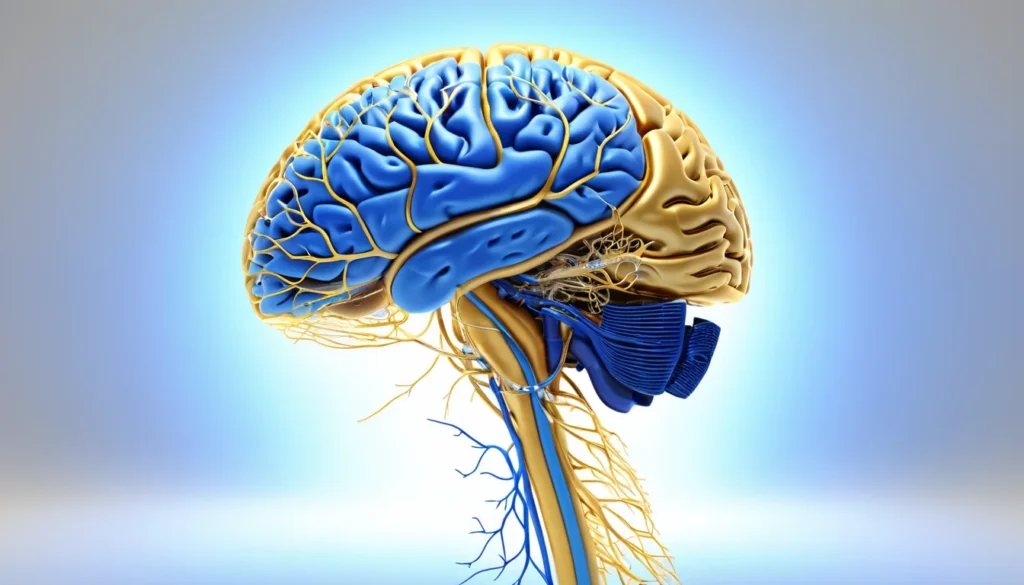
When you face a stressful situation, your brain — specifically a small gland called the pituitary gland — sends out an alarm signal. This triggers the release of hormones, including cortisol and adrenaline, from your adrenal glands. These hormones prepare your body to fight or flee from danger.
As a result, your heart beats faster, your breathing speeds up, and your blood vessels tighten. This response is called the “fight-or-flight” response. In small doses, it helps you stay alert and focused. However, when stress lasts too long or becomes too intense, it can cause serious health problems.
Common Causes of Stress
The sources of stress in everyday life are nearly endless. Some causes are sudden and severe, such as a car accident, surgery, or a shocking piece of news. Others build up slowly over time.
Physical Causes
Physical stressors include injury, illness, surgery, or exposure to extreme cold. These events put immediate pressure on your body. Your system reacts the same way whether the threat is physical or emotional.
Emotional and Social Causes
Emotional stressors are very common. These include relationship problems, grief, financial worries, or job loss. For many Canadians, the daily grind — heavy traffic, long work hours, and constant phone notifications — adds up quickly.
Furthermore, major life events like moving, divorce, or the death of a loved one can trigger intense stress. Even positive changes, like a new job or having a baby, can be stressful. Your body does not always tell the difference between good and bad pressure.
Environmental Causes
Noise, overcrowding, and a lack of access to green space can also raise your stress levels. Urban environments, in particular, expose people to constant sensory demands. Over time, these pressures wear down your body’s ability to recover.
How Stress Affects Your Body
Stress does not just affect how you feel emotionally. It can cause real, measurable changes throughout your body. Many Canadians are surprised to learn how wide-ranging these effects can be.
Digestive Problems
One of the best-known effects of stress is stomach ulcers. When you are under repeated stress, the blood vessels supplying your stomach lining contract. If this continues, the tissue in your stomach can break down, leading to bleeding or even a hole in the stomach wall.
In addition to ulcers, stress can cause constipation, diarrhoea, bloating, and irritable bowel syndrome (IBS). IBS is a condition where your bowel behaves unpredictably, causing cramps and discomfort. Many Canadians with digestive complaints find that stress is a major trigger.
Heart and Cardiovascular Effects
Chronic stress puts a heavy burden on your heart. It can raise your blood pressure, increase your heart rate, and raise your risk of heart attack and angina (chest pain caused by reduced blood flow). According to the World Health Organization, cardiovascular disease is a leading cause of death globally, and stress is a well-established risk factor.
Over time, high blood pressure damages your blood vessels. This makes it harder for your heart to do its job. Therefore, managing stress is not just about feeling calmer — it can genuinely protect your heart.
Skin, Hair, and Hormonal Effects
Stress can show up on your skin and scalp, too. It is linked to eczema (a condition causing itchy, inflamed skin) and hair loss. Some people lose noticeable amounts of hair during or after a period of intense stress.
Hormonally, stress can disrupt your body’s balance in significant ways. In women, it can interfere with ovulation and cause irregular or missed periods. It can also worsen pre-existing hormonal conditions. In people with chronic adrenal insufficiency (a condition where the adrenal glands do not produce enough hormones), severe stress can trigger a dangerous crisis.
Mental and Neurological Effects
Stress has a powerful impact on your brain and mood. It is a major contributor to anxiety, depression, insomnia, and fatigue. Some people experience palpitations (a racing or pounding heartbeat), brief episodes of dizziness, or even fainting during periods of high stress.
In severe or prolonged cases, stress can lead to mental confusion or difficulty concentrating. Many Canadians describe feeling “foggy” or overwhelmed when stress builds up. These are real symptoms that deserve attention and care. Health Canada offers mental health resources to help Canadians find support.
When Stress Becomes Chronic
Short-term stress is normal and even useful. It sharpens your focus and helps you meet a deadline or handle an emergency. However, when stress continues for weeks or months without relief, it becomes chronic.
Chronic stress keeps your body in a constant state of high alert. Your cortisol levels stay elevated, which damages many systems over time. Your immune system weakens, making you more likely to get sick. Your sleep suffers, which makes everything harder to manage.
Furthermore, chronic stress can become a cycle. Poor sleep leads to more stress, which leads to worse sleep. Breaking this cycle often requires deliberate effort and sometimes professional support. The good news is that effective tools are available to every Canadian.
How to Manage Stress
Managing stress starts with understanding your own triggers. The goal is not to eliminate all pressure from your life — that is impossible. Instead, you want to build resilience and develop healthy habits that help your body recover.
Lifestyle Changes
Regular physical activity is one of the most effective stress-relievers available. Exercise lowers cortisol, releases mood-boosting endorphins, and improves sleep. You do not need a gym membership — a brisk daily walk works well.
Sleep is equally important. Adults need seven to nine hours per night. A consistent sleep schedule, a dark room, and limiting screens before bed all support better rest. When you sleep well, your body is far better equipped to handle daily pressure.
A balanced diet also plays a role. Foods rich in fibre, whole grains, fruits, and vegetables help stabilise your mood and energy. Limiting caffeine and alcohol is also helpful, as both can worsen anxiety and disrupt sleep.
Mind-Body Techniques
Relaxation techniques are proven to lower stress hormones. Deep breathing exercises, progressive muscle relaxation, and meditation are all practical options. Many free apps and online programmes can guide you through these techniques at home.
Yoga combines physical movement with breathing and mindfulness. It is widely available across Canada, including free or low-cost community classes. Some provinces even offer coverage for certain wellness programmes through extended health benefits — check your plan.
Acupuncture is another option that some people find helpful for managing stress-related symptoms. It involves inserting thin needles into specific points on the body to promote relaxation. Speak with your family doctor before trying it, especially if you have any health conditions.
Social and Professional Support
Talking to someone you trust can make a big difference. Whether it is a friend, family member, or a counsellor, sharing your worries helps lighten the load. Social connection is one of the most powerful buffers against chronic stress.
Cognitive Behavioural Therapy (CBT) is a structured form of counselling that helps you change the thought patterns that drive stress and anxiety. Many Canadian provinces offer access to CBT through public health programmes or community mental health centres. Ask your family doctor for a referral. The Mayo Clinic provides a helpful overview of evidence-based stress management strategies.
When to See a Doctor
You should speak with your family doctor or visit a walk-in clinic if stress is affecting your daily life. This includes persistent sleep problems, ongoing fatigue, chest pain, or feelings of hopelessness. Do not wait until things become a crisis.
Your doctor can rule out underlying physical causes for your symptoms. They can also refer you to a psychologist, social worker, or other mental health professional. In Canada, many of these services are covered under provincial health plans — your doctor can help you understand what is available in your province.
If you are experiencing thoughts of harming yourself, please call or text 988. Canada’s Suicide Crisis Helpline is available 24 hours a day, 7 days a week. You do not have to face this alone.
Remember, seeking help for stress is a sign of strength, not weakness. Your health matters, and support is available.
Frequently Asked Questions About Stress
What are the most common signs of stress?
Common signs of stress include headaches, muscle tension, fatigue, difficulty sleeping, and irritability. You may also notice changes in your appetite or trouble concentrating. If these symptoms persist, stress may be affecting your overall health and it is worth speaking with a doctor.
Can stress cause physical illness?
Yes, chronic stress can lead to real physical illness. It is linked to high blood pressure, stomach ulcers, heart disease, skin conditions like eczema, and hormonal imbalances. Managing stress is an important part of protecting your long-term physical health.
How do I know if my stress is serious enough to see a doctor?
If stress is interfering with your sleep, work, relationships, or daily activities, it is time to see a professional. You should also seek help if you experience chest pain, prolonged sadness, or feel unable to cope. Your family doctor or a local walk-in clinic is a good first step.
What is the fastest way to relieve stress?
Deep breathing is one of the quickest ways to calm your body’s stress response. Inhale slowly for four counts, hold for four, then exhale for four. Regular exercise, adequate sleep, and talking to someone you trust are also highly effective for reducing stress over time.
Is stress covered under Canadian provincial health plans?
Visits to your family doctor or walk-in clinic for stress-related concerns are covered under most provincial health plans. Referrals to mental health professionals, such as social workers or psychologists in public settings, may also be covered. Contact your provincial health authority or ask your family doctor what is available in your area.
Can children and teenagers experience stress?
Yes, stress affects people of all ages, including children and teenagers. School pressure, social challenges, and family changes are common sources of stress in young people. If your child shows changes in behaviour, sleep, or appetite, speak with your family doctor or a paediatric health professional.
Key Takeaways
Stress is your body’s alarm response to pressure or threat, triggered by hormones like cortisol and adrenaline.
Common causes include emotional strain, physical injury, major life events, and the demands of daily life.
Chronic stress can harm your heart, digestive system, skin, hormones, and mental health.
Lifestyle changes — including regular exercise, good sleep, and a fibre-rich diet — are effective first steps.
Mind-body techniques like deep breathing, yoga, and meditation can meaningfully lower your stress response.
Professional support, including CBT and counselling, is available through Canadian provincial health systems.
If stress is affecting your daily life, speak with your family doctor or visit a walk-in clinic. Help is available, and you do not have to manage it alone.
This article is for general information only and does not replace medical advice. Always consult your family doctor or a qualified healthcare provider about your personal health concerns.