Stomach pain in children is one of the most common reasons Canadian parents call their family doctor or head to a walk-in clinic. It can be caused by dozens of things — some minor, some serious. Knowing what to look for helps you act quickly and calmly. This guide explains the most common causes, what symptoms to watch for, and when your child needs medical attention.
What Causes Stomach Pain in Children?
Parents often assume a stomach ache is caused by something their child ate, or they jump to worrying about appendicitis. However, neither of these is actually the most common cause in everyday medical practice.
Children can eat strange foods or large amounts of their favourite snack without getting indigestion. In most cases, the real cause is something else entirely. Doctors are trained to tell the difference — and there are many possibilities to consider.
Some of the most common causes of stomach pain in children include:
The start of an illness like a cold, flu, or strep throat
Constipation
Gastroenteritis (stomach flu)
Food poisoning
Anxiety or emotional stress
Gas and bloating
Allergies
Urinary or kidney problems
Because there are so many possible causes, any stomach pain that lasts more than one hour — whether it seems mild or severe — deserves a call to your doctor. Do not try to diagnose it on your own.
Stomach Pain in Newborns and Infants
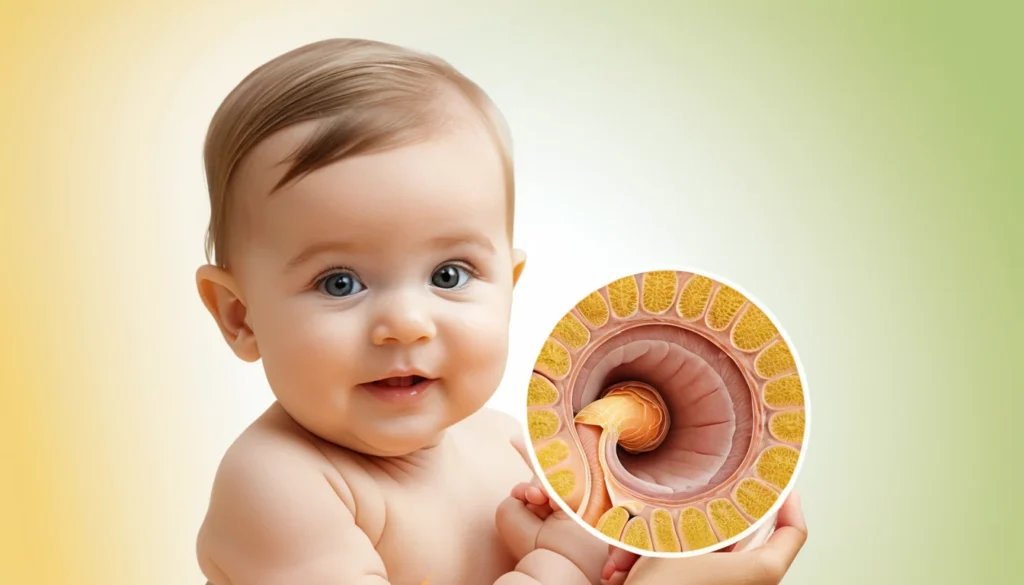
In the first weeks of life, stomach pain is most often caused by colic or indigestion. These are very common and usually not a sign of anything serious. However, they can be distressing for both the baby and the parents.
If your baby is in pain, vomiting, and seems unusually agitated, call your family doctor or visit a walk-in clinic right away. Early assessment is always the safest choice with newborns.
What to Do Before You Reach the Doctor
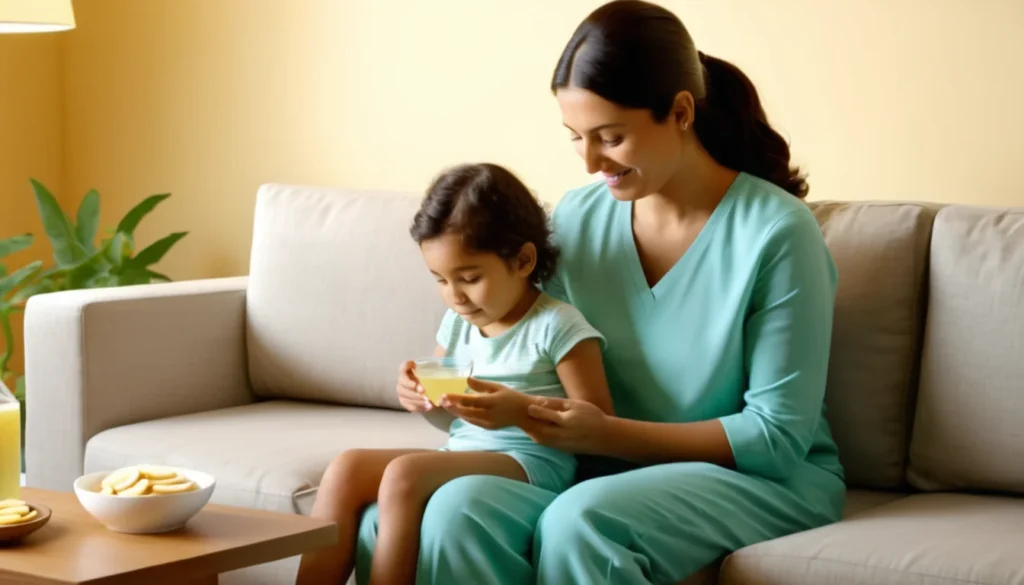
Before you call your family doctor, take your child’s temperature. This simple step gives the doctor useful information right away. While you wait for a callback or appointment, put your child to bed and avoid giving them food.
If your child is thirsty, a small amount of water is fine. Avoid juice, milk, or solid food until a doctor has assessed the situation.
Illness as a Cause of Stomach Pain in Children
After the age of one, one of the most frequent causes of stomach pain in children is the onset of a common illness. Colds, flu, and throat infections often affect the digestive system at the same time as other parts of the body.
This is completely normal. The stomach and intestines can react to infection just like the throat or lungs do. As a result, many illnesses begin with a stomach ache before other symptoms appear.
For example, a young child may complain of a sore tummy and then vomit shortly after — only to develop a runny nose and fever later that same day. In these cases, the stomach pain is just the first sign of a broader illness. According to Mayo Clinic’s overview of abdominal pain, infections are among the leading causes of stomach discomfort in young patients.
Almost any infection can trigger vomiting, diarrhoea, or constipation in the early stages. This does not necessarily mean there is a problem with your child’s digestive system specifically.
Constipation in Children
Constipation is another very common cause of stomach pain in children. It can come on gradually, with mild cramping that gets worse around mealtimes. Or it can appear suddenly and feel quite painful.
The pain is often most noticeable after eating. This is because food moving through the digestive system puts pressure on the bowel. Furthermore, children who are constipated may strain or cry during bowel movements.
Why Constipation Happens
Constipation can develop during toilet training, when children may hold back out of fear or distraction. It also happens in older children when they do not drink enough water or when they are too busy playing or studying to take bathroom breaks.
In addition, a low-fibre diet is a frequent contributor. Encouraging your child to eat more fruits, vegetables, and whole grains — along with drinking more water — can make a real difference. Health Canada’s healthy eating guidelines offer practical advice on building a fibre-rich diet for children of all ages.
Gastroenteritis and Food Poisoning
Gastroenteritis — commonly called the stomach flu — is an infection of the digestive tract. It can be caused by a virus or bacteria. Symptoms usually include stomach pain, vomiting, and diarrhoea, sometimes with a fever.
Gastroenteritis tends to pass from one family member to another, one after the other. This is different from food poisoning, where everyone who ate the same contaminated food gets sick at roughly the same time.
Recognising Food Poisoning
Food poisoning symptoms include stomach cramps, vomiting, diarrhoea, fever, and chills. The person’s general condition often deteriorates quickly. Not everyone will be equally affected — it depends on how much they ate and how strong their immune system is.
Therefore, if multiple family members become sick after sharing a meal, food poisoning should be considered. Always contact your family doctor or a walk-in clinic if you suspect food poisoning. In severe cases, go to your nearest emergency department.
Anxiety and Emotional Stress
Children who worry a lot can experience very real stomach pain. This is not pretending or making excuses. Doctors have studied this pattern carefully and given it a name: recurrent abdominal pain syndrome.
Emotions like fear, excitement, and guilt can all affect the digestive system. A child who is anxious about starting school in September may lose their appetite at breakfast and complain of stomach pain instead. A child who feels guilty about something may have a recurring stomach ache that no physical cause can explain.
It is important for parents to take this pain seriously. The pain is real, even when the cause is emotional. The best approach is to create calm, low-pressure mealtimes and to gently ask your child how they are feeling. If the stomach pain keeps coming back, talk to your family doctor about a referral to a child psychologist or paediatrician.
Signs the Pain May Be Anxiety-Related
Pain appears most often before school or stressful events
Pain comes and goes over weeks or months
No fever, vomiting, or other physical symptoms are present
Your child seems worried, withdrawn, or unusually clingy
Pain improves on weekends or during holidays
Vomiting and Diarrhoea: Watch for Dehydration
Vomiting and diarrhoea can quickly lead to dehydration, especially in infants and young toddlers. Young children have smaller fluid reserves than adults. They also cannot tell you when they feel thirsty or unwell in the same way older children can.
Dehydration can become dangerous quickly in babies and small children. As a result, it is important to recognise the signs early.
Signs of Dehydration in Children
Watch for these warning signs of dehydration:
Urinating less than every six to eight hours
Dry eyes with little or no tears when crying
Sunken, shadowed eyes
Dry or cracked lips and mouth
Unusual drowsiness or low energy
If your child shows any of these signs, do not wait. Call your family doctor immediately or go to the nearest walk-in clinic or hospital emergency department. The World Health Organization’s guidance on diarrhoea and dehydration confirms that prompt treatment is essential for young children.
When to See a Doctor for Stomach Pain in Children
It can be hard to know when a stomach ache needs medical attention and when it is safe to wait. Here is a simple guide to help you decide.
Call your family doctor or visit a walk-in clinic if:
The stomach pain lasts more than one hour
Your child has a fever along with the stomach pain
Your child is vomiting repeatedly
There are signs of dehydration
Your child has diarrhoea that lasts more than 24 hours
The pain keeps coming back over days or weeks
Your child refuses to eat or drink
Go to the emergency department right away if:
The pain is severe and sudden
The pain is concentrated in the lower right side of the abdomen (possible appendicitis)
Your child’s abdomen feels hard or swollen
Your child has blood in their stool or vomit
Your child is under three months old and has a fever
Your child is pale, limp, or very difficult to wake
If you are ever unsure, it is always better to call and ask. Your provincial health line — such as Health811 in Ontario or 8-1-1 in British Columbia — can connect you with a registered nurse around the clock, at no cost.
Frequently Asked Questions About Stomach Pain in Children
How long should stomach pain in children last before I call a doctor?
Any stomach pain in children that lasts more than one hour should prompt a call to your family doctor or a visit to a walk-in clinic. Even if the pain seems mild, it is always better to get it assessed. Do not wait to see if it gets worse on its own.
Can anxiety really cause stomach pain in children?
Yes, anxiety and emotional stress are well-recognised causes of stomach pain in children. The pain is completely real — it is not your child making excuses. Doctors call this pattern recurrent abdominal pain syndrome, and it often responds well to reducing stress and improving the emotional environment at home.
What are the signs of dehydration I should watch for in my child?
Key signs of dehydration include dry mouth and lips, no tears when crying, sunken eyes, and urinating less than every six to eight hours. If your child shows these signs alongside vomiting or diarrhoea, contact your family doctor or go to the emergency department right away.
Is constipation a common cause of stomach pain in children?
Yes, constipation is one of the most frequent causes of stomach pain in children. It can cause cramping, bloating, and pain that worsens after meals. Encouraging more water, fibre-rich foods, and regular bathroom breaks can help prevent and relieve constipation in most children.
How is gastroenteritis different from food poisoning in children?
Gastroenteritis spreads from person to person and tends to move through a household one family member at a time. Food poisoning, on the other hand, causes multiple people to become sick at the same time after eating contaminated food. Both conditions can cause stomach pain, vomiting, and diarrhoea in children.
Can a cold or flu cause stomach pain in children?
Absolutely. Many common illnesses, including colds, flu, and throat infections, can cause stomach pain in children as an early symptom. The digestive system reacts to infection just like other parts of the body. If your child has a stomach ache along with a fever or runny nose, it may simply be the beginning of a viral illness.
Key Takeaways
Stomach pain in children has many possible causes — from common illnesses and constipation to anxiety and infections.
Call your doctor if the pain lasts more than one hour, regardless of how severe it seems.
Take your child’s temperature before you call the doctor — it is helpful information.
Dehydration from vomiting or diarrhoea is the most serious immediate risk, especially in infants and toddlers.
Anxiety-related stomach pain is real. Do not dismiss it. Talk to your family doctor if it keeps coming back.
When in doubt, contact your provincial nurse hotline (811 in most provinces) for free, 24-hour guidance.
Always follow up with a qualified healthcare provider. This article is for general information only and does not replace the advice of your family doctor or a licensed medical professional.