Stomach pain is one of the most common reasons Canadians visit their family doctor or a walk-in clinic. It can range from a mild, nagging ache to sharp, debilitating cramps. Because your abdomen contains many organs close together, pinpointing the exact cause is not always easy. This article explains the most common causes of stomach pain, what symptoms to watch for, and when to seek medical help.
Why Is It Hard to Pinpoint Stomach Pain?
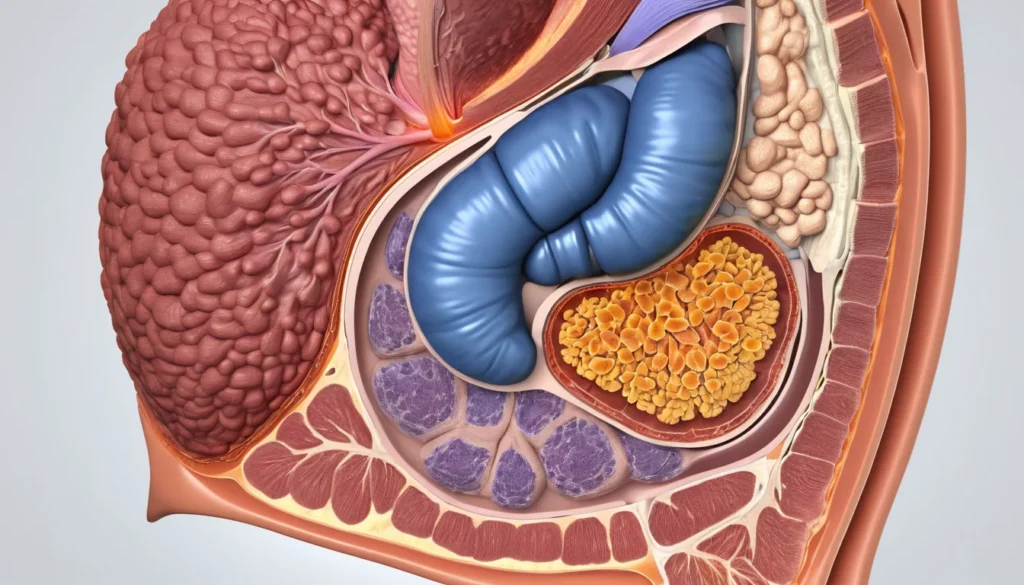
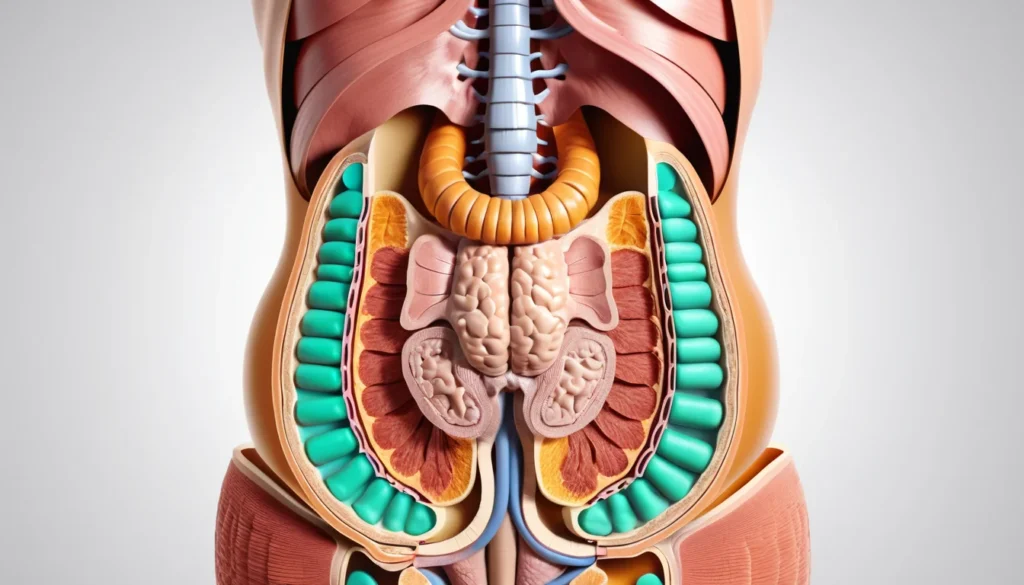
Your stomach sits surrounded by the liver, gallbladder, pancreas, intestines, and other structures. Pain in any one of these organs can feel like it is coming from your stomach. Therefore, what you call “stomach pain” may actually be a signal from a neighbouring organ.
In addition, the same type of pain can mean different things depending on where it is located in your abdomen. Upper, lower, left, or right — location gives your doctor important clues. That is why describing your pain accurately helps you get the right care faster.
Common Causes of Stomach Pain After Eating
Stomach pain that starts right after a meal is very common. It often has a straightforward explanation, such as eating too much or too quickly. However, it can sometimes point to something that needs medical attention.
Overeating and Poor Eating Habits
Eating more than your digestive system can handle puts extra strain on your stomach. This is especially common in children and people who are overweight. Lying down or napping right after a large meal slows digestion and can make pain worse.
Unhealthy eating habits — such as rushing through meals, eating high-fat foods, or skipping fibre — can lead to ongoing digestive problems. Building better habits at the table is one of the easiest ways to reduce stomach discomfort.
Indigestion (Non-Ulcer Dyspepsia)
Indigestion is a vague, uncomfortable feeling in your upper abdomen. It is one of the most common causes of stomach pain in Canada. Symptoms can include:
Nausea
Excessive burping
Bloating
Reduced appetite
Common triggers include spicy or fatty foods, too much caffeine or alcohol, smoking, eating too fast, and certain medications such as aspirin, antibiotics, and non-steroidal anti-inflammatory drugs (NSAIDs) like ibuprofen. Stress and anxiety can also make indigestion worse.
In most cases, indigestion is not serious. However, if you notice unexpected weight loss or difficulty swallowing, see your family doctor. Learn more about indigestion causes and symptoms at Mayo Clinic.
Stomach Pain Caused by Food Intolerance
Food intolerance — sometimes called non-allergic food hypersensitivity — happens when your digestive system cannot produce enough enzymes to break down certain foods. Unlike a food allergy, the reaction can be delayed by up to 48 hours, making it harder to identify the trigger.
Symptoms of food intolerance often include:
Nausea or vomiting
Heartburn
Stomach cramps
Diarrhoea
Headaches
The most common types of food intolerance are:
Lactose intolerance — affects roughly 1 in 10 people and causes bloating and stomach pain after consuming dairy products
Gluten intolerance — can develop into celiac disease over time if left unmanaged
Carbohydrate intolerance — difficulty digesting certain sugars found in many processed foods
Fructose intolerance — a rare genetic condition affecting how the body processes fruit sugars
Alcohol intolerance — causes digestive upset shortly after drinking
If you suspect a food intolerance, a food diary can help you track patterns. Your family doctor can refer you for testing through your provincial health plan.
Gastritis and Stomach Ulcers
Gastritis
Gastritis is inflammation of the stomach lining. It can come on suddenly or develop gradually over time. Common symptoms include nausea, vomiting, bloating, excessive burping, and loss of appetite.
The main causes of gastritis include:
Heavy or long-term alcohol use
Long-term use of NSAIDs such as aspirin or ibuprofen
Helicobacter pylori (H. pylori) bacterial infection
Major surgery or severe physical stress
You can reduce your risk of gastritis by eating a balanced diet, limiting alcohol, quitting smoking, and avoiding overuse of pain medications. For more information, visit Health Canada’s digestive health resources.
Stomach Ulcers
A stomach ulcer is a sore that develops on the lining of the stomach. The pain is often described as a burning sensation. It tends to be worse at night or on an empty stomach, and it may ease temporarily after eating.
Other symptoms of a stomach ulcer include:
Nausea
Gastrointestinal bleeding (dark or bloody stools)
Unexplained weight loss
H. pylori infection and long-term NSAID use are the two leading causes of stomach ulcers. If you notice dark stools or blood in your vomit, seek medical help right away. This could indicate a bleeding ulcer, which is a medical emergency.
Other Conditions That Cause Stomach Pain
Stomach pain does not always come from the stomach itself. Several other conditions can cause similar discomfort, and some require urgent care.
Appendicitis
Sharp, severe stomach pain in the lower right side of your abdomen can be a sign of appendicitis. The pain often comes with nausea, vomiting, and fever. Furthermore, the pain usually gets worse over time rather than improving. Appendicitis requires immediate medical attention — do not wait to see if it passes.
Gallstones
Gallstones can cause sudden, intense pain in the upper right abdomen. The pain may also spread to the right side of your back, your right shoulder, or your chest. As a result, it is sometimes confused with a heart attack. If you experience this type of pain for the first time, go to your nearest emergency department.
Pancreatitis
Pancreatitis causes severe pain in the upper abdomen that often develops right after a heavy meal. The pain typically spreads to your sides and back. It may also be accompanied by nausea, a rapid heartbeat, or fever. Pain that persists for 6 to 12 hours after eating a large meal should not be ignored.
Diverticulitis
Severe cramps and pain in the lower left abdomen are common signs of diverticulitis, an inflammation of small pouches in the colon wall. This condition is more common in adults over 40. A low-fibre diet is a known risk factor.
Irritable Bowel Syndrome (IBS)
Feeling tired after meals, combined with stomach pain and bloating, can be a symptom of irritable bowel syndrome (IBS). IBS is a chronic condition that affects how the bowel works. Drinking large amounts of liquid right after eating can dilute stomach acid, slow digestion, and worsen IBS symptoms.
Bacterial or Viral Infections
Infections from bacteria or viruses are another common cause of stomach pain. When harmful bacteria enter your body, your immune system responds by triggering diarrhoea and vomiting to flush them out. Nausea after eating is a common symptom. Food poisoning, pneumonia, and urinary tract infections can all cause stomach-related symptoms. Find out more about digestive health and infections at Healthline.
Constipation
Fewer than three bowel movements per week, combined with bloating and brief sharp pains, are signs of constipation. Not eating enough fibre or not drinking enough water are the most common causes. Adding more fruits, vegetables, and whole grains to your diet can help significantly.
When to See a Doctor
Most stomach pain goes away on its own within a day or two. However, some symptoms need prompt medical attention. See your family doctor or visit a walk-in clinic if your stomach pain:
Lasts more than two days without improving
Is severe or gets progressively worse
Comes with unexplained weight loss
Makes it hard to swallow
Is accompanied by persistent vomiting
Occurs with a fever above 38°C (100.4°F)
Go to your nearest emergency department or call 9-1-1 immediately if you have:
Sudden, severe stomach pain that does not let up
Blood in your stool or vomit
Pain in your chest, jaw, or left arm alongside stomach pain (possible heart attack)
A rigid, board-like abdomen
Signs of appendicitis (lower right pain with fever and vomiting)
Most provincial health plans cover visits to your family doctor and walk-in clinic for digestive concerns. If you do not have a family doctor, a walk-in clinic is a good first step. As always, this article is for general information only — please consult a healthcare provider for advice about your specific symptoms.
Frequently Asked Questions About Stomach Pain
What are the most common causes of stomach pain after eating?
The most common causes of stomach pain after eating include overeating, indigestion, food intolerance, and gastritis. Eating too quickly, consuming fatty or spicy foods, and drinking large amounts of liquid with meals can all trigger discomfort. If your stomach pain after eating happens regularly, it is worth discussing with your family doctor.
When should I be worried about stomach pain?
You should be concerned if stomach pain is severe, gets worse over time, or lasts more than two days. Pain accompanied by fever, vomiting, blood in your stool, or difficulty swallowing also needs prompt medical attention. In Canada, your family doctor or a local walk-in clinic can help assess your symptoms.
How can I tell if my stomach pain is serious?
Serious stomach pain is usually sudden, sharp, and does not improve with rest or over-the-counter remedies. If the pain is accompanied by a rigid abdomen, high fever, or signs of bleeding, it may be a medical emergency. Go to your nearest emergency department right away in those situations.
Can stress cause stomach pain?
Yes, stress and anxiety are well-known triggers for stomach pain and indigestion. Emotional stress can affect how your digestive system works, leading to cramping, bloating, and nausea. If you notice your stomach pain flares up during stressful periods, speak to your doctor about managing both your mental and digestive health.
What is the difference between food intolerance and a food allergy?
A food allergy triggers an immune system response and can cause severe reactions like hives or anaphylaxis. Food intolerance, on the other hand, involves the digestive system’s inability to process certain foods, and the reaction is usually delayed and less severe. Stomach pain, bloating, and diarrhoea are typical signs of food intolerance rather than a true allergy.
Does drinking water help stomach pain?
Staying well hydrated generally supports healthy digestion and can relieve stomach pain caused by constipation. However, drinking large amounts of water immediately after a meal can dilute stomach acid and slow digestion, potentially making some types of stomach pain worse. Sipping water steadily throughout the day is a better approach than drinking large amounts all at once.
Key Takeaways
Stomach pain has many possible causes, from simple overeating to more serious conditions like ulcers or appendicitis.
Location matters — upper, lower, left, or right abdominal pain can point to different organs and conditions.
Common, manageable causes include indigestion, food intolerance, gastritis, constipation, and IBS.
Serious warning signs include severe or worsening pain, blood in stool or vomit, high fever, and difficulty swallowing.
Eating a balanced, high-fibre diet, limiting alcohol, quitting smoking, and avoiding overuse of NSAIDs can protect your digestive health.
When in doubt, visit your family doctor or a walk-in clinic — most provincial health plans cover these visits.
Always consult a qualified healthcare provider for a proper diagnosis and treatment plan tailored to your needs.