Placing a hand on your abdomen is almost a universal sign of feeling unwell — and for good reason. Stomach pain causes range widely, from everyday indigestion to serious conditions that need urgent care. Understanding what your body might be telling you is the first step toward getting the right help. This article walks you through eight common conditions that can cause abdominal pain and discomfort, so you know when to act.
Why Stomach Pain Is Hard to Diagnose
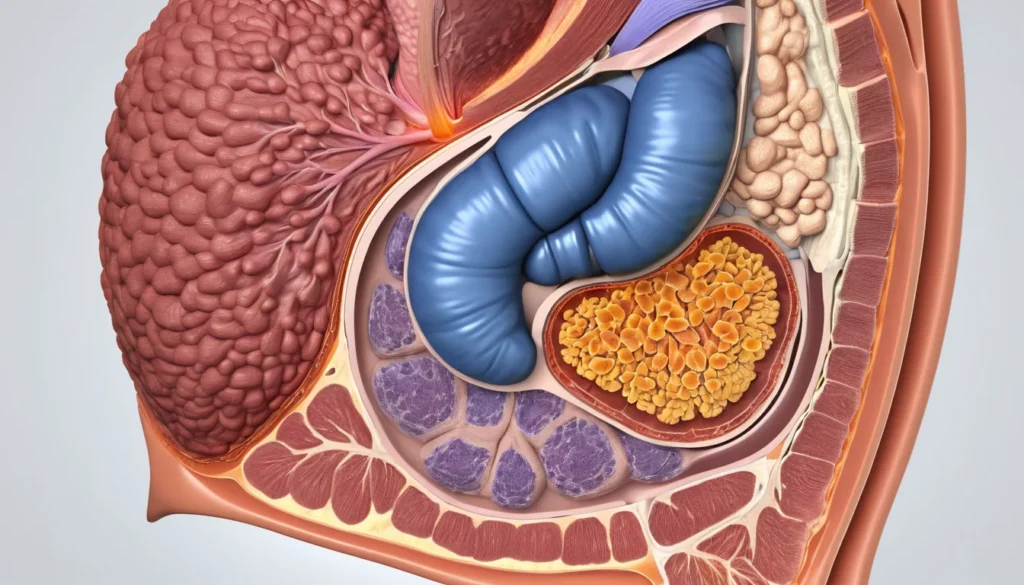
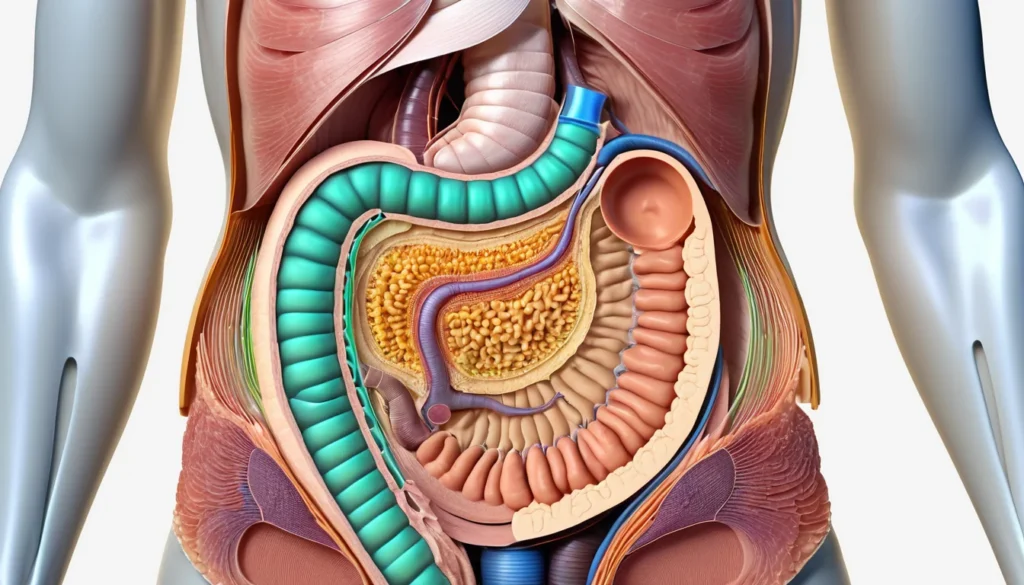
Your abdomen is home to many organs — your stomach, intestines, liver, gallbladder, and more. Because so many structures share the same space, one symptom like cramping or bloating can point to several different conditions. That makes pinpointing the exact cause of stomach pain a real challenge, even for doctors.
However, the location, timing, and nature of the pain often give important clues. A burning feeling after meals feels very different from a sharp pain in your lower right side. Paying attention to these details helps your family doctor or walk-in clinic narrow things down quickly.
Common Stomach Pain Causes: 8 Conditions to Know
1. Acid Reflux (Gastroesophageal Reflux Disease)
What it is: Acid reflux, also called GERD, happens when stomach acid flows back up into the esophagus — the tube connecting your mouth to your stomach. It affects roughly 20% of adults and can occur at least once a week. According to Mayo Clinic’s overview of GERD, lifestyle factors and diet play a big role.
Symptoms: A burning feeling or pain beneath your breastbone is the most common sign. It often gets worse after eating or when you lie down.
Treatment: Occasional reflux a few times a year can often be managed with over-the-counter antacids. However, if you experience heartburn several times a week, speak with your doctor. They may recommend medication to reduce acid production or explore other treatment options.
2. Appendicitis
What it is: Appendicitis is an inflammation of the appendix, a small tube attached to the large intestine. About 10% of people will experience it at some point in their lives. It is one of the most urgent stomach pain causes you can face.
Symptoms: The pain usually starts as a dull ache around the belly button, then moves to the lower right side of the abdomen. It gets worse over time, and walking can make it sharper.
Treatment: Go to your nearest emergency room immediately. Surgery to remove the appendix is almost always necessary. If left untreated, the appendix can rupture, spreading dangerous bacteria throughout the body — a life-threatening situation.
3. Gallstones
What it is: Gallstones are hardened deposits of bile or cholesterol that form in the gallbladder. They are more common in women than men, and a diet high in fat can increase the risk. Health Canada recognizes digestive diseases, including gallbladder conditions, as a significant health concern for Canadians.
Symptoms: Gallstones cause a sharp pain that starts in the upper middle abdomen and moves to the right side, just below the ribs. The pain often gets worse after a fatty meal.
Treatment: If the pain does not go away within a few hours, or if it comes with fever or vomiting, see a doctor right away. An ultrasound can confirm gallstones. Surgery to remove the gallstones — or the entire gallbladder — is sometimes required.
4. Irritable Bowel Syndrome (IBS)
What it is: Irritable bowel syndrome is a condition where the nerves controlling the intestines do not work properly. It affects about 20% of Canadian adults and is one of the most frequently diagnosed stomach pain causes in primary care.
Symptoms: Common symptoms include nausea, bloating, diarrhea, constipation, and cramping in the lower abdomen. These symptoms sometimes ease after a bowel movement.
Treatment: A visit to your family doctor or a gastroenterologist (a digestive health specialist) is important. They can recommend antispasmodic medications to reduce cramping and discomfort. Dietary changes, such as increasing fibre intake, may also help.
5. Peptic Ulcers
What it is: A peptic ulcer is a sore or wound on the lining of the stomach. About 10% of people develop one at some point in their lives. The bacterium Helicobacter pylori and regular use of certain pain medications are the most common causes.
Symptoms: Burning or gnawing stomach pain that comes and goes is the main sign. The pain is often worse when your stomach is empty — for example, between meals or at night.
Treatment: If you regularly take non-steroidal anti-inflammatory drugs (NSAIDs) like aspirin or ibuprofen, talk to your doctor, as these medications can damage the stomach lining. Your doctor may prescribe antibiotics to treat an H. pylori infection or other medication to help the ulcer heal. In rare cases, surgery is needed.
6. Lactose Intolerance
What it is: Lactose intolerance means your body does not produce enough lactase — the enzyme needed to digest lactose, the natural sugar found in dairy products. It is a very common and manageable stomach pain cause.
Symptoms: Symptoms include nausea, gas, cramping, and diarrhea. They usually appear within 30 minutes to two hours after consuming dairy products like milk, ice cream, or soft cheeses.
Treatment: Try reducing how much dairy you eat at one time, or pair dairy with other foods to slow digestion. Hard cheeses like cheddar contain less lactose and are often better tolerated. If you cut out dairy significantly, make sure to get enough calcium from other sources or through supplements.
7. Crohn’s Disease
What it is: Crohn’s disease is a chronic inflammatory bowel condition that can affect any part of the digestive tract, from the mouth to the bowel. It is more commonly diagnosed in people under 30 years of age. As noted by Healthline’s guide to Crohn’s disease, Canada actually has one of the highest rates of inflammatory bowel disease in the world.
Symptoms: Persistent abdominal pain, diarrhea, unexplained weight loss, and sometimes fever or blood in the stool are all signs of Crohn’s disease.
Treatment: There is currently no cure for Crohn’s disease. However, symptoms can be managed effectively. Treatment typically involves anti-inflammatory medications and steroids, and in some cases, ongoing therapy for life. Your provincial health plan may cover many of these treatments — speak with your doctor about your options.
8. Colitis (Ulcerative Colitis)
What it is: Ulcerative colitis is a type of inflammatory bowel disease that affects the colon (large intestine) and rectum. Like Crohn’s disease, it is most often diagnosed in young adults under the age of 30.
Symptoms: Frequent abdominal pain, cramping, bloody diarrhea, an urgent need to use the bathroom, weight loss, and nausea are all common. Symptoms can range from mild to severe.
Treatment: In early or mild cases, symptoms can often be managed with over-the-counter medications. More severe cases require prescription medication from your doctor. In some situations, surgery may be recommended. Check with your provincial health plan to understand what treatments and specialist visits are covered in your province.
When to See a Doctor
Not every stomach ache requires a trip to the doctor. However, some stomach pain causes are serious and need prompt attention. You should contact your family doctor, visit a walk-in clinic, or go to the emergency room if you experience any of the following:
Severe or sudden abdominal pain that does not go away
Pain that moves to the lower right side and gets worse over time (possible appendicitis)
Fever combined with abdominal pain
Vomiting that will not stop
Blood in your stool or vomit
Unexplained weight loss alongside digestive symptoms
Symptoms that keep coming back week after week
Your family doctor is your best first contact for ongoing or recurring digestive issues. If you do not have a family doctor, a walk-in clinic can assess your symptoms and refer you to a specialist if needed. Many provinces also offer nurse practitioner-led clinics and telehealth services that can help you get guidance faster.
Important: This article provides general health information only. Always consult a qualified healthcare provider for a proper diagnosis and treatment plan suited to your personal health needs.
Frequently Asked Questions About Stomach Pain Causes
What are the most common stomach pain causes in adults?
The most common stomach pain causes in adults include acid reflux, irritable bowel syndrome (IBS), gallstones, and peptic ulcers. Lactose intolerance is also a frequent culprit, especially after consuming dairy products. A family doctor can help identify the cause based on your symptoms and medical history.
When should I go to the emergency room for stomach pain?
You should go to the emergency room if your stomach pain is sudden and severe, located in the lower right abdomen, or accompanied by fever, vomiting, or blood in your stool. These can be signs of serious conditions like appendicitis or a ruptured ulcer. Do not wait — these situations require immediate medical attention.
Can stress cause stomach pain?
Yes, stress is a well-known trigger for digestive discomfort and can worsen conditions like irritable bowel syndrome (IBS) and acid reflux. The gut and brain are closely connected through what doctors call the gut-brain axis. If you notice your stomach pain gets worse during stressful periods, speak with your doctor about both physical and mental health support.
How do I know if my stomach pain is serious?
Stomach pain that is severe, persistent, or comes with other symptoms like fever, weight loss, or blood in the stool is more likely to be serious. Pain that keeps getting worse rather than better is also a warning sign. When in doubt, visit a walk-in clinic or your family doctor to get checked out.
What is the difference between Crohn’s disease and ulcerative colitis?
Both are inflammatory bowel diseases, but they affect different parts of the digestive tract. Crohn’s disease can affect any area from the mouth to the bowel, while ulcerative colitis affects only the colon and rectum. Canada has among the highest rates of both conditions in the world, so awareness is especially important for Canadians.
Can diet help reduce stomach pain?
Yes, dietary changes can make a real difference for many stomach pain causes, including acid reflux, IBS, and lactose intolerance. Increasing fibre intake, avoiding trigger foods, and eating smaller meals more often can all help. However, always talk to your doctor or a registered dietitian before making major changes to your diet.
Key Takeaways
Stomach pain causes vary widely — from manageable conditions like lactose intolerance to urgent ones like appendicitis.
The location, timing, and nature of your pain can offer important clues about the cause.
Acid reflux, IBS, gallstones, ulcers, and inflammatory bowel diseases are among the most common digestive conditions in Canada.
Canada has some of the highest rates of Crohn’s disease and ulcerative colitis in the world — awareness matters.
Mild or occasional discomfort can often be managed with lifestyle or dietary changes.
Severe, sudden, or recurring pain always warrants a visit to your family doctor, a walk-in clinic, or the emergency room.
Many digestive conditions are covered under provincial health plans — ask your doctor what support is available to you.