Stomach cancer is a serious condition that affects thousands of Canadians every year. It starts when abnormal cells grow in the lining of the stomach and can spread to other parts of the body if not caught early. The good news is that when stomach cancer is found at an early stage, the chances of successful treatment are much better. This guide explains what stomach cancer is, what symptoms to watch for, how it is diagnosed, and what your options are.
What Is Stomach Cancer?
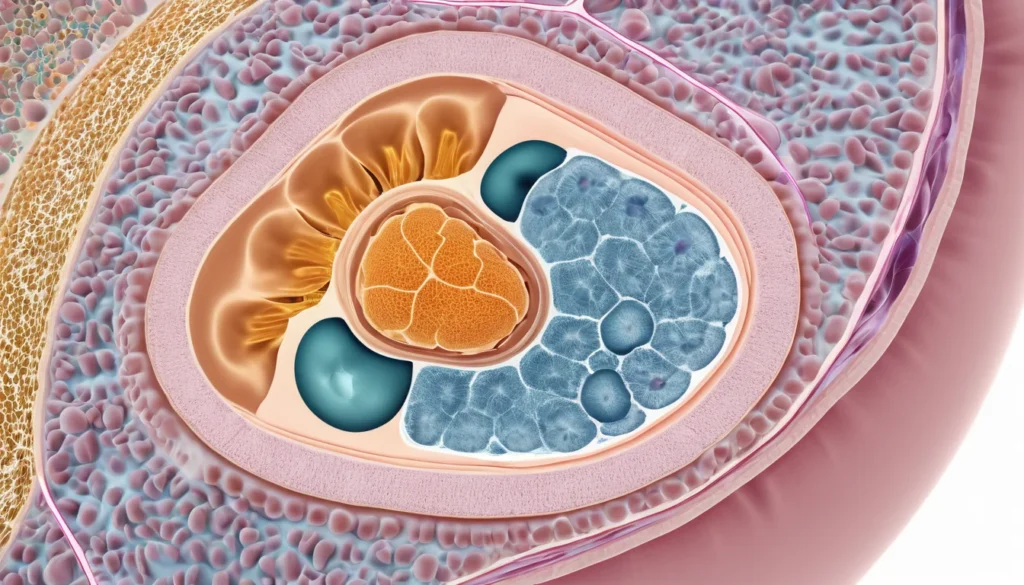
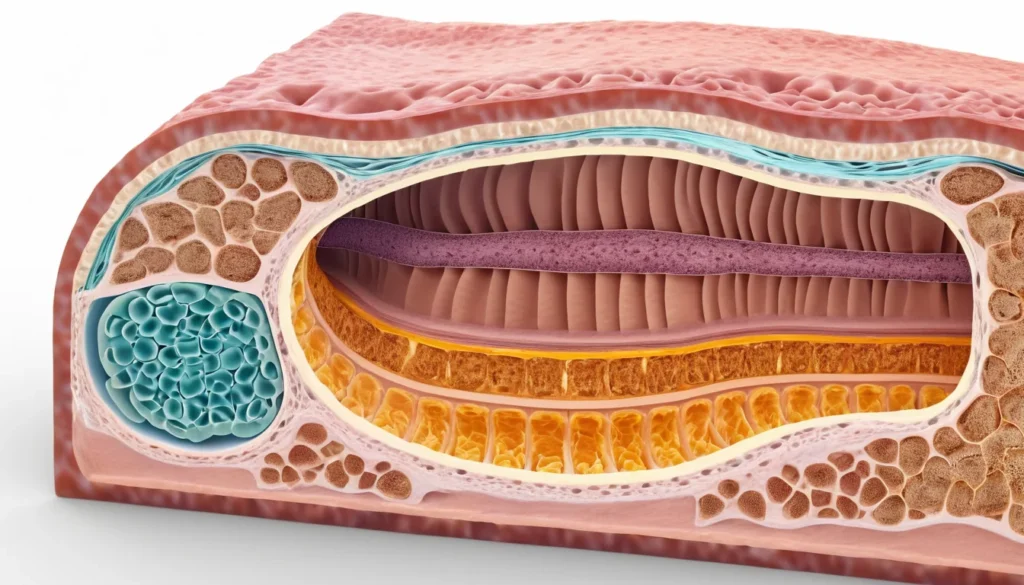
Your stomach is a J-shaped organ in your upper abdomen. It stores food and helps break down nutrients like vitamins, minerals, carbohydrates, proteins, and fats. The stomach wall has three layers: the inner lining (mucosa), the middle muscle layer, and the outer layer (serosa).
Stomach cancer — also called gastric cancer — begins in the cells of the inner lining. Over time, these abnormal cells can grow through the stomach wall and spread to nearby organs or lymph nodes. The most common type of stomach cancer is called adenocarcinoma, which starts in the mucosa lining.
Other, rarer types of stomach cancer include lymphomas (cancers of the lymphatic system) and sarcomas (cancers of connective tissue). Sarcomas can affect muscle, fat, or blood vessel tissue in the stomach wall. However, these types are far less common than adenocarcinoma.
How Common Is Stomach Cancer in Canada?
Worldwide, stomach cancer is the third leading cause of cancer-related death. Although the overall rate of new cases has dropped over the past century, it remains a significant cause of death — especially in developing countries. In Canada, the number of new cases has stayed relatively stable in recent years, while the number of deaths from this cancer has decreased thanks to better treatments.
Interestingly, cancers forming near the junction of the esophagus and stomach have become more common. At the same time, cancers forming closer to the small intestine have become less common. Researchers are still studying why this shift is happening. For more information, visit Health Canada’s official health resources.
Stomach Cancer Symptoms to Watch For
One of the biggest challenges with stomach cancer is that early-stage disease often causes no symptoms at all. This makes it easy to miss until it has progressed further. However, knowing the warning signs can help you act quickly.
Early Symptoms of Stomach Cancer
In its early stages, stomach cancer may cause symptoms that feel like everyday digestive problems. These can include:
Abdominal discomfort or indigestion
A feeling of bloating right after eating
Nausea
Loss of appetite
Heartburn or acid reflux
Because these symptoms are so common and often linked to minor issues, many people ignore them. Therefore, it is important to pay attention if they persist for more than a few weeks.
Advanced Stomach Cancer Symptoms
As stomach cancer grows, the symptoms become more serious. At this stage, you may experience:
Blood in your stool
Vomiting (sometimes with blood)
Unexplained weight loss
Persistent abdominal pain
Yellowing of the skin or eyes (jaundice)
Swelling of the abdomen (due to fluid build-up)
Difficulty swallowing
Any of these symptoms should prompt you to seek medical attention right away. Do not wait to see if they go away on their own.
How Is Stomach Cancer Diagnosed?
If your doctor suspects stomach cancer, they will order a series of tests to confirm the diagnosis. These tests look at the esophagus, stomach, and surrounding tissues. Early and accurate diagnosis is key to better outcomes.
Common Diagnostic Tests
Your doctor may use one or more of the following tests:
Physical exam and medical history: Your doctor checks for unusual lumps or signs in your abdomen and reviews your health background.
Blood tests: These measure levels of certain substances in the blood. Abnormal levels can point to problems with specific organs or tissues.
Complete blood count (CBC): This checks the number of red blood cells, white blood cells, and platelets, as well as your haemoglobin levels.
Endoscopy: A thin, flexible tube with a camera is passed through your mouth to view the lining of your esophagus, stomach, and upper small intestine.
Stool test: This checks for hidden blood in your stool, which can be a sign of stomach cancer.
Barium swallow X-ray: You swallow a barium solution that coats your stomach and esophagus, making them visible on an X-ray image.
Biopsy: A small sample of tissue is taken — often during endoscopy — and examined under a microscope for cancer cells.
CT scan (computed tomography): This creates detailed images of the inside of your body from multiple angles. A contrast dye may be used to make the images clearer.
A helical (spiral) CT scan is a newer technique that scans organs in a continuous spiral motion. As a result, it produces very detailed images that help doctors spot tumours more accurately. Learn more about cancer diagnosis at the Mayo Clinic’s stomach cancer diagnosis guide.
Stomach Cancer Stages Explained
Once stomach cancer is diagnosed, doctors determine how far it has spread. This process is called staging. Knowing the stage of the cancer helps your medical team plan the right treatment.
Tests Used for Staging
Several tests help stage stomach cancer:
Tumour marker blood tests: These measure proteins like CEA (carcinoembryonic antigen), CA 19-9, and CA 72-4, which some cancers release into the bloodstream.
Chest X-ray: This checks whether cancer has spread to the lungs or chest bones.
Endoscopic ultrasound (EUS): This combines endoscopy with ultrasound to show how deeply the tumour has grown into the stomach wall and nearby structures.
CT scan: Used again at this stage to check for spread to nearby organs or lymph nodes.
Laparoscopy: A minimally invasive surgical procedure where a small camera is inserted through a tiny cut in the abdomen. This allows doctors to directly view abdominal organs and take tissue samples if needed.
In general, a stomach cancer found at an early stage has a much more favourable outlook than one found after it has spread. Furthermore, your overall health and age also play a role in determining which treatments are most suitable for you.
Treatment Options for Stomach Cancer
Treatment for stomach cancer depends on the stage of the disease and the patient’s overall health. In Canada, your provincial health plan covers most cancer treatments, including surgery, chemotherapy, and radiation. Your family doctor or specialist will guide you through what is available in your province.
Common treatment approaches include surgery to remove the tumour or part of the stomach, chemotherapy (using drugs to kill cancer cells), radiation therapy (using high-energy rays), and targeted drug therapy. In addition, some patients may be eligible for clinical trials through Canadian cancer centres. For a broader overview of cancer treatment approaches, see the World Health Organization’s cancer fact sheet.
When to See a Doctor
You should speak with your family doctor if you have any persistent digestive symptoms that are not getting better. This includes ongoing heartburn, unexplained weight loss, or blood in your stool. Do not dismiss these signs as normal aging or stress.
If you do not have a family doctor, visit a walk-in clinic as soon as possible. Walk-in clinics across Canada can order initial tests and refer you to a specialist if needed. Early action can make a real difference in your outcome.
Your doctor may refer you to a gastroenterologist (a digestive system specialist) or an oncologist (a cancer specialist) for further testing. Provincial health plans generally cover these referrals and most diagnostic tests for suspected cancer.
Please note: This article is for general information only. Always consult your doctor or a qualified healthcare provider for advice about your personal health situation.
Frequently Asked Questions About Stomach Cancer
What are the first signs of stomach cancer?
The first signs of stomach cancer are often mild and easy to overlook. They include persistent indigestion, bloating after meals, nausea, loss of appetite, and heartburn. Because early stomach cancer symptoms mimic common digestive problems, it is important to see your doctor if these symptoms last more than a few weeks.
Is stomach cancer curable if caught early?
Yes, stomach cancer that is diagnosed at an early stage has a much better outlook and can often be treated successfully. When the cancer is still confined to the stomach lining and has not spread, surgery and other treatments have a higher chance of success. This is why early detection and regular check-ups with your family doctor are so important.
What causes stomach cancer?
The exact cause of stomach cancer is not always clear, but several risk factors increase your chances of developing it. These include infection with Helicobacter pylori bacteria, a diet high in smoked or salty foods, smoking, family history of gastric cancer, and certain stomach conditions. Maintaining a healthy diet and avoiding smoking can help lower your risk.
How is stomach cancer different from stomach ulcers?
Stomach ulcers are open sores in the stomach lining and are usually caused by bacterial infection or long-term use of anti-inflammatory medications. Stomach cancer, on the other hand, involves the uncontrolled growth of abnormal cells. However, both conditions can cause similar symptoms like pain and indigestion, so it is essential to get a proper diagnosis from your doctor rather than assuming one or the other.
Does stomach cancer show up in blood tests?
Blood tests alone cannot diagnose stomach cancer, but they can provide helpful clues. For example, certain tumour markers in the blood — such as CEA and CA 19-9 — may be elevated in people with stomach cancer. Your doctor will typically use blood tests alongside endoscopy, imaging, and biopsy to reach a definitive diagnosis.
Is stomach cancer covered under provincial health plans in Canada?
Yes, in Canada, diagnosis and treatment of stomach cancer are generally covered under provincial and territorial health plans. This includes tests like CT scans, endoscopy, and biopsy, as well as treatments such as surgery, chemotherapy, and radiation. Coverage details may vary by province, so speak with your family doctor or contact your provincial health authority for specific information.
Key Takeaways
Stomach cancer starts in the inner lining of the stomach and can spread if not treated early.
Early-stage stomach cancer often causes no obvious symptoms, making regular check-ups important.
Warning signs include persistent indigestion, unexplained weight loss, blood in stool, and difficulty swallowing.
Diagnosis involves a combination of blood tests, endoscopy, biopsy, and CT scans.
Staging helps doctors understand how far the cancer has spread and plan the best treatment.
In Canada, most stomach cancer treatments are covered by provincial health plans.
See your family doctor or visit a walk-in clinic if you have persistent digestive symptoms that concern you.
Early detection significantly improves the chances of successful treatment and recovery.