Stomach cancer is a serious condition that begins in the cells lining the inside of the stomach. It is also called gastric cancer. In Canada, understanding the warning signs early can make a real difference in treatment outcomes. This guide covers what stomach cancer is, what causes it, what symptoms to watch for, and what treatment options are available.
What Is Stomach Cancer?
The stomach is a muscular, bag-like organ located in the upper middle part of your abdomen, just below your ribs. It receives food from the esophagus and breaks it down into a liquid. Strong muscles in the stomach wall then push that liquid into the small intestine.
Stomach cancer most often starts in the mucus-producing cells that line the inner layer of the stomach. Doctors call this type of cancer adenocarcinoma. However, other types of stomach cancer can also develop from different cells in the stomach wall.
According to the Government of Canada’s health resources, digestive cancers are among the more common cancers diagnosed in Canadians each year. Early detection gives patients the best chance at successful treatment.
How the Stomach Works
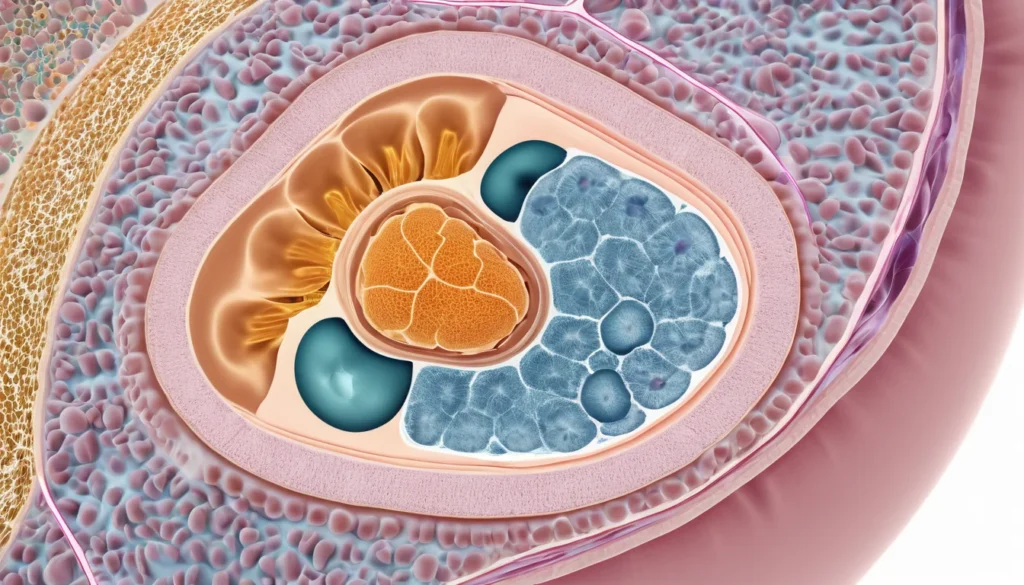
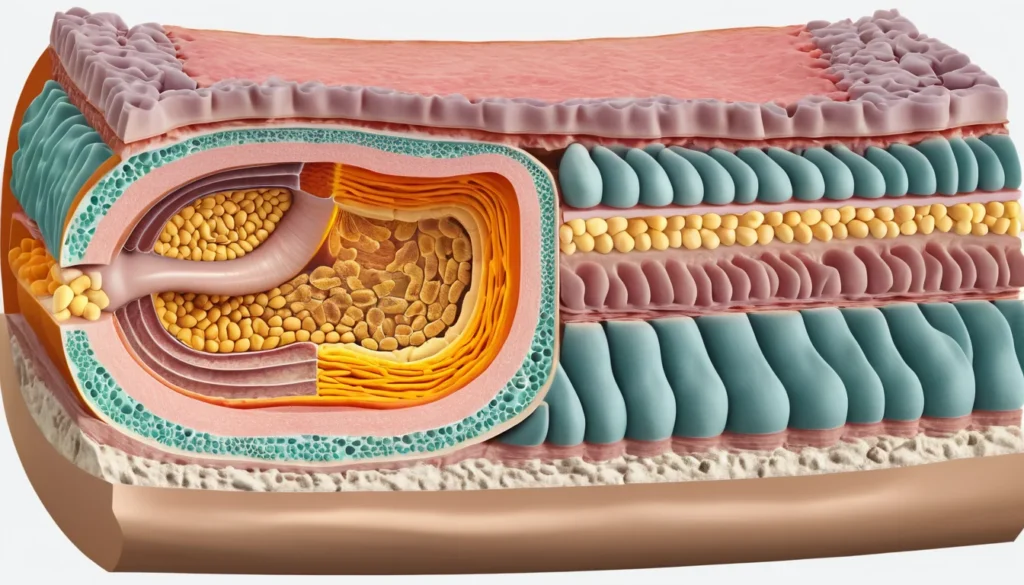
Understanding the stomach’s structure helps explain how stomach cancer develops. The stomach wall is made up of five layers. Each layer plays a different role in digestion and protection.
The Five Layers of the Stomach Wall
Mucosa (inner lining): This is the innermost layer. It contains glands that produce digestive juices. Most cases of stomach cancer start here.
Submucosa: This layer supports the inner lining. It contains connective tissue, nerves, and blood vessels.
Muscle layer: This is where the muscles sit. They contract to churn and break down food.
Subserosa: This thin layer supports the outer covering of the stomach.
Serosa (outer layer): This is the outermost layer. It holds the stomach in place and protects it from nearby organs.
Cancer typically begins in the mucosa and can grow outward through these layers over time. The further it spreads, the more advanced the cancer stage becomes.
Causes and Risk Factors for Stomach Cancer
Doctors do not yet know the exact cause of stomach cancer. However, research has identified several factors that can raise a person’s risk. Knowing these risk factors can help you and your family doctor have informed conversations.
Who Is at Higher Risk?
Sex: Men are more than twice as likely as women to develop stomach cancer.
Age: The risk increases significantly around ages 70 to 74 for both men and women.
Family history: Having a close relative with stomach cancer can double or triple your risk.
Genetics: Certain inherited conditions and genetic changes can increase the risk.
Blood type: People with type A blood appear to face a somewhat higher risk.
Ethnicity: People of Asian or African descent may face a higher risk of developing stomach cancer.
Geography: Stomach cancer is more common in Japan, Russia, and parts of Central and South America.
Lifestyle and Health Factors
Smoking: Tobacco use significantly raises the risk of stomach cancer.
Alcohol consumption: Heavy drinking is linked to higher risk.
Diet: Eating a diet high in salty, smoked, or nitrite-preserved foods — and low in fruits and vegetables — increases risk.
Chronic gastritis: Long-term inflammation of the stomach lining is a known risk factor.
Pernicious anaemia: This condition affects the stomach lining and raises cancer risk.
Gastric polyps: Some types of growths in the stomach can become cancerous.
Intestinal metaplasia: This is when stomach lining cells are replaced by intestinal cells — a condition that can progress to cancer.
Previous stomach surgery: Certain past surgeries can increase long-term risk.
For more on digestive cancer risk factors, visit the Mayo Clinic’s stomach cancer overview.
Symptoms of Stomach Cancer
Stomach cancer is often called a “silent” disease. In its early stages, it usually causes no symptoms at all. This is why regular check-ins with your family doctor are so important.
As the cancer grows, symptoms may begin to appear. These can include:
Discomfort or pain in the stomach area
Difficulty swallowing
Nausea and vomiting
Unexplained weight loss
Feeling full or bloated after eating only a small amount
Vomiting blood or blood in the stool
However, these symptoms do not always mean cancer. Other conditions — like stomach ulcers or an infection — can cause the same symptoms. Therefore, it is important not to ignore them. If you notice any of these signs, speak with your doctor or visit a walk-in clinic as soon as possible.
How Stomach Cancer Is Diagnosed
A doctor can sometimes detect advanced stomach cancer during a physical exam. They may feel enlarged lymph nodes, a swollen liver, or abnormal lumps in the abdomen. In some cases, a rectal exam also helps detect signs of disease.
If your symptoms are vague — such as indigestion, nausea, or loss of appetite — your doctor may recommend screening tests. These can include:
Common Diagnostic Tests
Upper gastrointestinal (GI) series: You swallow a liquid called barium. X-rays are then taken to show the shape of your stomach and esophagus.
Gastroscopy: A thin, flexible tube with a tiny camera is passed down your throat. This lets the doctor see the inside of your stomach directly.
Biopsy: During a gastroscopy, the doctor can take a small tissue sample. A lab then tests this sample for cancer cells.
Your family doctor in Canada can refer you for these tests through your provincial health plan. If you do not have a family doctor, a walk-in clinic can help you get started with an initial assessment.
Stages of Stomach Cancer
Staging describes how far the cancer has spread. Doctors use staging to plan the right treatment. There are four main stages of stomach cancer.
Stage 0: Cancer cells are only in the innermost lining of the stomach. This is also called carcinoma in situ. It has not spread anywhere else.
Stage I: The tumour has grown into the submucosa or muscle layer. It may have reached a small number of nearby lymph nodes.
Stage II: The tumour has grown deeper into the stomach wall. Cancer cells may have spread to more lymph nodes — up to 15 — but not to distant organs.
Stage III: The tumour has grown through the outer stomach wall. It may have spread to nearby organs such as the colon, liver, or spleen, and to several lymph nodes.
Stage IV: Cancer has spread to more than 15 lymph nodes, distant organs, or both. This is the most advanced stage.
Finding stomach cancer at an early stage greatly improves the chances of successful treatment. As a result, acting quickly when you notice symptoms is always the right approach.
Treatment Options for Stomach Cancer
Treatment for stomach cancer depends on the size and location of the tumour, the stage of the disease, and your overall health. In most cases, a combination of treatments works best. Your health care team will help you understand all your options.
Main Treatment Approaches
Surgery: This is often the primary treatment. The surgeon may remove part or all of the stomach, as well as nearby lymph nodes.
Chemotherapy: This uses medicines to kill cancer cells. It can be given before surgery to shrink the tumour, or after surgery to destroy any remaining cancer cells.
Radiation therapy: This uses high-energy rays to target and kill cancer cells. It is often used alongside chemotherapy.
Clinical trials: These are research studies that test new treatments. They are an important option at any stage of stomach cancer. Ask your oncologist if a clinical trial may be right for you.
In Canada, your care team may include a gastroenterologist, surgeon, medical oncologist, radiation oncologist, oncology nurse, and a registered dietitian. Provincial health plans generally cover the cost of most cancer treatments. Speak with your provincial health authority or cancer centre for details specific to your province.
For additional information on cancer treatment approaches, the World Health Organization’s cancer fact sheet is a reliable resource.
When to See a Doctor
You should speak with your family doctor if you notice any ongoing digestive symptoms that do not go away within a couple of weeks. These include unexplained weight loss, persistent nausea, difficulty swallowing, or pain in your upper abdomen.
If you do not have a family doctor, a walk-in clinic is a good first step. The clinic can assess your symptoms and refer you to a specialist if needed. Many provinces also offer health phone lines — such as Health811 — where a registered nurse can advise you.
Do not wait. Early diagnosis gives you the best chance of a good outcome. Always consult a qualified health care provider for personal medical advice. The information in this article is meant to inform, not to replace professional medical guidance.
Frequently Asked Questions About Stomach Cancer
What are the early warning signs of stomach cancer?
Early-stage stomach cancer often causes no symptoms at all. When symptoms do appear, they may include mild stomach discomfort, nausea, or a feeling of fullness after eating a small meal. Because these signs can be easy to dismiss, it is important to see your family doctor if they persist for more than two weeks.
Is stomach cancer common in Canada?
Stomach cancer is not among the most common cancers in Canada, but it is still diagnosed in thousands of Canadians each year. Men are diagnosed more often than women, and risk increases significantly with age. Knowing your risk factors can help you and your doctor stay proactive.
Can stomach cancer be cured?
The outlook for stomach cancer depends heavily on the stage at diagnosis. When detected early — at Stage 0 or Stage I — stomach cancer can often be treated successfully with surgery. Advanced-stage stomach cancer is harder to treat, but modern therapies including chemotherapy and radiation can help manage the disease and improve quality of life.
What foods increase the risk of stomach cancer?
Diets high in salty, smoked, or processed foods preserved with nitrites are linked to a higher risk of stomach cancer. In addition, eating very few fruits and vegetables may also raise your risk. Choosing a balanced diet rich in fibre, fresh produce, and whole foods is a good way to protect your digestive health.
How is stomach cancer diagnosed in Canada?
In Canada, a family doctor will usually start with a physical exam and a review of your symptoms and medical history. If stomach cancer is suspected, they can refer you for tests such as a gastroscopy and biopsy through your provincial health plan. These tests allow specialists to look directly inside the stomach and test any suspicious tissue.
Does family history increase my risk of stomach cancer?
Yes, having a parent, sibling, or child who has had stomach cancer can double or even triple your personal risk. Certain inherited genetic conditions can also raise the risk. If stomach cancer runs in your family, talk to your doctor about whether closer monitoring or genetic counselling might be appropriate for you.
Key Takeaways
Stomach cancer starts most often in the inner lining of the stomach and is also called gastric cancer.
Early-stage stomach cancer usually has no symptoms, which makes regular check-ups with your family doctor important.
Key risk factors include older age, male sex, family history, smoking, and a diet high in salty or processed foods.
Common symptoms include stomach pain, nausea, difficulty swallowing, unexplained weight loss, and feeling full quickly after eating.
Diagnosis in Canada is available through your provincial health plan, and may involve a gastroscopy and biopsy.
Treatment options include surgery, chemotherapy, and radiation therapy, often used in combination.
If you have any concerns, speak with your family doctor or visit a walk-in clinic — early action saves lives.