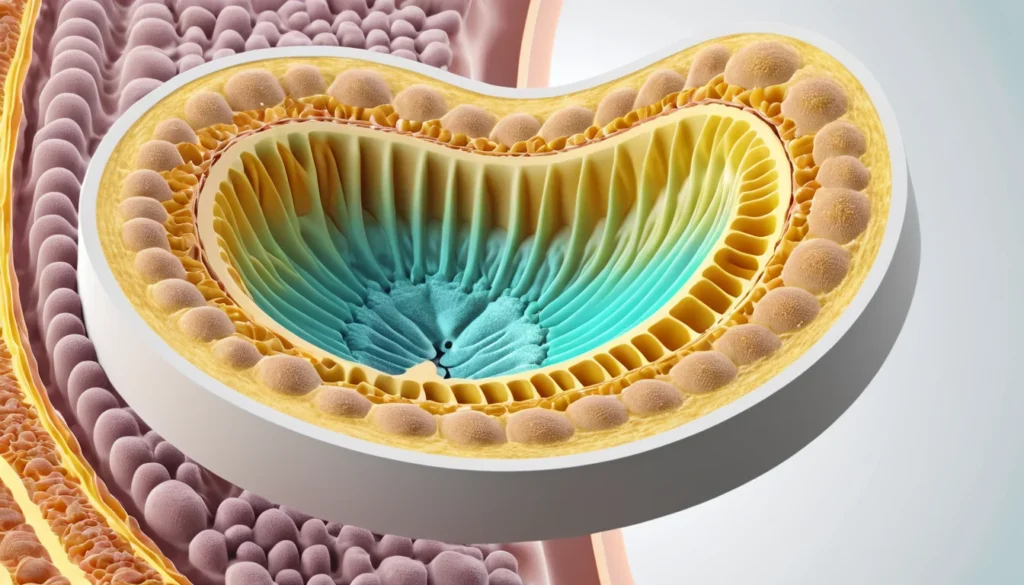
Stomach acid is one of the most important — and most misunderstood — fluids in your body. It is a diluted form of hydrochloric acid found in your gastric juice, and it plays a central role in digestion, immune defence, and nutrient absorption. In this article, we explain what stomach acid is, how it works, what happens when levels are too high or too low, and when you should talk to your family doctor or visit a walk-in clinic.
What Is Stomach Acid?
Stomach acid, also called gastric acid, is a strong digestive fluid produced by glands in the lining of your stomach. Its main component is hydrochloric acid (HCl), but it also contains potassium chloride and sodium chloride.
In its natural state inside your stomach, this acid is highly concentrated. However, it is carefully managed by your body so it breaks down food without harming the stomach lining itself. A thick layer of mucus protects the stomach wall from this powerful fluid.
The acid creates an environment with a very low pH — typically between 1.5 and 3.5. This level of acidity is strong enough to dissolve certain metals, yet your body handles it safely every single day.
How Stomach Acid Helps Your Digestion
When you eat, your stomach releases stomach acid to begin breaking down food. This process is called chemical digestion, and it is essential for your body to absorb nutrients properly.
The acid activates an enzyme called pepsin, which breaks down proteins from meat, eggs, beans, and other foods. Without enough acid, your body cannot fully digest protein. As a result, important amino acids may not be absorbed into your bloodstream.
Nutrient Absorption and Stomach Acid
Stomach acid also helps your body absorb key nutrients, including iron, calcium, magnesium, and vitamin B12. For example, vitamin B12 must separate from food proteins before your body can use it — and that separation requires acid.
Furthermore, stomach acid helps absorb non-haem iron, which is the type of iron found in plant-based foods like spinach and lentils. Many Canadians who follow plant-based diets rely on this process to meet their daily iron needs.
According to Healthline’s overview of gastric acid and digestion, low stomach acid is a more common and under-recognized problem than many people realize.
The Role of Stomach Acid in Fighting Infection
Your stomach acid does more than digest food — it also acts as a frontline defence against harmful bacteria and pathogens. Most bacteria that enter your body through food or water cannot survive in such an acidic environment.
This is why a healthy level of stomach acid helps protect you from foodborne illnesses. When acid levels are too low, harmful microorganisms are more likely to pass through your stomach and into your intestines.
In addition, the acid helps prevent bacterial overgrowth in the small intestine — a condition known as SIBO (small intestinal bacterial overgrowth). SIBO can cause bloating, diarrhea, and poor nutrient absorption.
Stomach Acid and Gut Health
There is a strong connection between stomach acid levels and your overall gut health. A balanced level of gastric acid supports a healthy gut microbiome — the community of bacteria that lives in your digestive tract.
Therefore, keeping your stomach acid at a healthy level is not just about avoiding heartburn. It is about supporting your immune system and your long-term digestive wellbeing.
High Stomach Acid: Causes and Symptoms
Too much stomach acid can cause a range of uncomfortable and sometimes serious symptoms. The most common condition linked to excess acid is gastroesophageal reflux disease, or GERD.
GERD occurs when acid from the stomach flows back up into the esophagus — the tube that connects your mouth to your stomach. This causes the burning sensation many people call heartburn.
Common Symptoms of High Stomach Acid
Heartburn or a burning feeling in the chest
Sour or bitter taste in the mouth
Regurgitation of food or liquid
Bloating and gas after meals
Nausea, especially after eating
Stomach pain or discomfort
Difficulty swallowing
Several factors can increase stomach acid production. These include stress, smoking, alcohol, spicy or fatty foods, caffeine, and certain medications such as NSAIDs (like ibuprofen). In some cases, a bacterial infection called Helicobacter pylori (H. pylori) can cause excess acid and stomach ulcers.
The Mayo Clinic’s guide to GERD causes and symptoms provides a thorough overview of how excess gastric acid affects the esophagus and digestive system.
Low Stomach Acid: An Often-Overlooked Problem
While many people worry about too much stomach acid, too little acid is also a real concern. Low stomach acid is called hypochlorhydria, and it can significantly affect your health and quality of life.
As we age, our stomachs naturally produce less acid. This is why older Canadians are more prone to vitamin B12 deficiency, iron-deficiency anaemia, and digestive issues. However, low stomach acid can affect people of all ages.
Symptoms of Low Stomach Acid
Bloating, burping, or gas after meals
Feeling full too quickly
Undigested food in stool
Frequent nausea
Fatigue and weakness (often linked to poor nutrient absorption)
Hair thinning or brittle nails
Recurring infections or poor immunity
Certain medications can also reduce stomach acid levels. Proton pump inhibitors (PPIs) — such as omeprazole or pantoprazole — are commonly prescribed in Canada for GERD and ulcers. However, long-term use can lower acid levels significantly and may affect nutrient absorption over time.
What Causes Low Stomach Acid?
Low stomach acid can result from aging, chronic stress, poor diet, zinc deficiency, autoimmune conditions, or long-term use of acid-suppressing medications. An H. pylori infection can also reduce acid production over time.
Furthermore, certain surgical procedures on the stomach — such as gastric bypass surgery — can alter the amount of acid produced. If you have had stomach surgery and are experiencing digestive symptoms, speak with your family doctor.
How Stomach Acid Levels Are Diagnosed
If you are experiencing symptoms related to stomach acid — whether too much or too little — your doctor has several ways to assess your situation. A proper diagnosis is important before starting any treatment.
Your family doctor may begin with a physical exam and a review of your symptoms and medical history. In many cases, this is enough to make an initial assessment and recommend lifestyle changes or over-the-counter treatments.
Tests Your Doctor May Order
H. pylori testing: A breath test, stool test, or blood test to check for bacterial infection
Endoscopy: A small camera is guided down your throat to examine your stomach lining
pH monitoring: A small device measures acid levels in your esophagus over 24 hours
Blood tests: To check for anaemia, B12 levels, or signs of malabsorption
In Canada, these tests are generally covered under provincial health plans when referred by a physician. However, wait times for specialists such as gastroenterologists can vary by province. Your family doctor can guide you through the referral process.
Managing Stomach Acid Naturally
Many Canadians manage their stomach acid levels through lifestyle and dietary changes before turning to medication. These approaches can be very effective for mild to moderate symptoms.
Eating smaller meals more frequently puts less pressure on your stomach and lower esophageal sphincter — the valve that keeps acid from rising. Eating slowly and chewing food thoroughly also reduces the burden on your digestive system.
Dietary Tips for Balanced Stomach Acid
Avoid triggers such as spicy foods, citrus, tomatoes, chocolate, and fatty or fried foods
Limit alcohol and caffeine intake
Eat more fibre-rich foods like vegetables, whole grains, and legumes
Stay well hydrated throughout the day
Do not lie down within two to three hours after eating
Maintain a healthy weight, as excess abdominal weight increases acid reflux risk
Lifestyle Changes That Make a Difference
Quitting smoking is one of the most impactful changes you can make for your digestive health. Smoking weakens the valve between your esophagus and stomach, making acid reflux more likely.
Managing stress is also important, as stress directly affects stomach acid production and digestive function. Regular physical activity, adequate sleep, and relaxation techniques such as deep breathing or mindfulness can all support healthier digestion.
For more guidance on healthy digestion and lifestyle habits, visit Health Canada’s healthy eating resources.
Medications Used for Stomach Acid Problems
When lifestyle changes are not enough, there are several effective medications available in Canada to manage stomach acid issues. Many of these are available over the counter at your local pharmacy.
Antacids — such as Tums or Rolaids — neutralize stomach acid quickly and provide fast, short-term relief. They are useful for occasional heartburn but are not a long-term solution.
H2 blockers (such as famotidine) reduce the amount of acid your stomach produces and work for several hours. Proton pump inhibitors (PPIs) are stronger and longer-lasting, but they should be used under medical guidance, especially for extended periods.
If low stomach acid is the concern, some healthcare providers may recommend digestive enzyme supplements or betaine hydrochloride supplements. However, always consult your doctor before starting supplements, as they can interact with medications or worsen certain conditions.
When to See a Doctor
You should always speak with a healthcare professional if you have ongoing or worsening symptoms related to stomach acid. Do not ignore persistent symptoms, as they can sometimes point to more serious conditions.
Visit your family doctor or a walk-in clinic if you experience any of the following:
Heartburn or acid reflux more than twice a week
Difficulty swallowing or a feeling of food getting stuck
Unexplained weight loss
Vomiting blood or passing black, tarry stools
Chest pain (always rule out heart-related causes first)
Symptoms that do not improve with over-the-counter treatments
Signs of nutrient deficiency such as extreme fatigue, hair loss, or numbness in hands and feet
In Canada, your family doctor is your best first point of contact for digestive health concerns. If you do not have a family doctor, walk-in clinics across most provinces can assess and treat common stomach acid conditions and refer you to a specialist if needed. Provincial health plans typically cover these visits.
Remember, this article is for general information only. Always consult a qualified healthcare professional before making changes to your diet, stopping medications, or starting new treatments.
Frequently Asked Questions About Stomach Acid
What does stomach acid actually do in your body?
Stomach acid breaks down food, helps absorb nutrients like iron, calcium, and vitamin B12, and kills harmful bacteria that enter through what you eat or drink. Without healthy levels of stomach acid, your digestion and immune defences can both suffer. It is one of the most essential fluids your body produces.
How do I know if my stomach acid is too high or too low?
High stomach acid often causes heartburn, acid reflux, and a sour taste in the mouth. Low stomach acid may cause bloating, feeling full quickly, fatigue, and signs of nutrient deficiency. Because some symptoms overlap, it is important to see a doctor for a proper diagnosis rather than guessing.
Can stress affect stomach acid levels?
Yes, stress has a direct effect on stomach acid production and can worsen both high and low acid conditions. Chronic stress disrupts the nervous system signals that regulate gastric acid release. Managing stress through exercise, sleep, and relaxation techniques can help support healthier digestion.
Are proton pump inhibitors (PPIs) safe for long-term use?
PPIs are effective and widely prescribed in Canada for managing excess stomach acid, but long-term use can reduce acid levels too much and impair absorption of nutrients like B12, magnesium, and calcium. You should use PPIs under the guidance of your doctor and have regular check-ins if you take them for more than a few weeks. Never stop a prescribed medication without speaking to your healthcare provider first.
What foods help balance stomach acid naturally?
Foods that are gentle on stomach acid include oatmeal, bananas, melons, lean proteins, vegetables, and whole grains high in fibre. Avoiding triggers like spicy food, alcohol, caffeine, and fatty meals can help keep stomach acid in balance. Eating smaller, more frequent meals also reduces the strain on your digestive system.
When should I go to the doctor for stomach acid problems?
You should see a doctor if you have heartburn or reflux more