Stomach acid is a natural and essential part of your digestive system. It helps break down food, kills harmful bacteria, and supports the absorption of key nutrients. However, when your body produces too much of it, you may start to feel discomfort, burning, or bloating. This article explains what stomach acid is, what causes excess production, and what you can do to feel better.
What Is Stomach Acid?
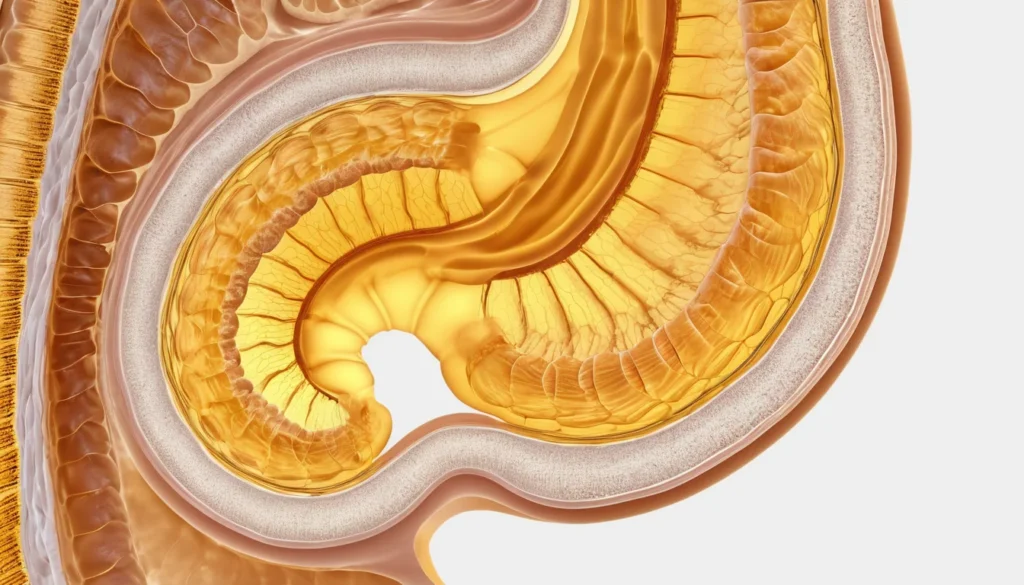
Your stomach lining contains special cells that produce gastric juice. This juice is made up of several important components that work together to digest your food properly.
The main ingredient is hydrochloric acid (HCl). This strong acid kills bacteria that enter your body through food and drink. It also creates the right environment for digestion to happen.
The second key component is pepsin, an enzyme that breaks down proteins. Without pepsin, your body would struggle to digest meat, eggs, dairy, and other protein-rich foods.
Finally, your stomach produces something called intrinsic factor. This substance is essential for absorbing vitamin B12 in your small intestine. Without enough B12, you can develop fatigue, nerve problems, and anaemia over time.
Why Stomach Acid Is Important for Your Health
Stomach acid does much more than just digest food. It acts as your body’s first line of defence against harmful pathogens in what you eat and drink. For example, it destroys most bacteria before they can reach your intestines.
In addition, stomach acid helps your body absorb certain minerals, including iron and calcium. These nutrients need an acidic environment to be properly absorbed into your bloodstream. Low stomach acid can therefore lead to nutrient deficiencies over time.
Furthermore, stomach acid signals the rest of your digestive system to get moving. It triggers the release of digestive enzymes from your pancreas and bile from your gallbladder. As a result, a well-functioning stomach sets the tone for your entire digestive process.
What Causes Excess Stomach Acid?
Sometimes your stomach produces more acid than it needs to. This is called acid hypersecretion, and it can cause uncomfortable symptoms. Several everyday factors are known to trigger this response.
Foods That Increase Stomach Acid
Certain foods are common culprits when it comes to excess stomach acid. These include fried and fatty foods, spicy dishes, and citrus fruits. Alcohol is also a well-known trigger, as it stimulates acid production and irritates the stomach lining.
Coffee, carbonated drinks, and chocolate can also increase stomach acid in some people. However, triggers vary from person to person. Keeping a food diary can help you identify which foods bother you most.
Lifestyle Factors
Beyond diet, your daily habits play a big role in stomach acid levels. Eating large meals puts pressure on the stomach and can push acid upward. Lying down right after eating has a similar effect.
Stress is another important factor. When you are under stress, your body can produce more stomach acid than usual. Over time, chronic stress may contribute to ongoing digestive problems.
Smoking also increases stomach acid and weakens the valve between your esophagus and stomach. This valve, called the lower esophageal sphincter, normally keeps acid where it belongs. When it weakens, acid can travel upward and cause irritation.
Medical Conditions
Some medical conditions can cause the stomach to produce too much acid. Gastroesophageal reflux disease (GERD) is one of the most common. It occurs when stomach acid flows back into the esophagus regularly, causing chronic heartburn and discomfort.
Another condition is Helicobacter pylori (H. pylori) infection. This bacterial infection affects the stomach lining and can disrupt normal acid production. According to Health Canada, H. pylori is a common infection that is treatable with antibiotics.
A rare condition called Zollinger-Ellison syndrome causes tumours that trigger extreme acid overproduction. This is uncommon, but it is important to rule out if symptoms are severe and persistent.
Recognising the Symptoms of Too Much Stomach Acid
Excess stomach acid produces a range of symptoms that vary in severity. Some people experience only mild occasional discomfort. Others deal with chronic symptoms that affect their daily life.
Common symptoms include:
Heartburn — a burning feeling in your chest, often after eating
Acid reflux — a sour or bitter taste at the back of your throat
Bloating — a feeling of fullness or pressure in your stomach
Nausea — an upset or queasy feeling, especially after meals
Burping — frequent belching after eating or drinking
Stomach pain — discomfort or cramping in the upper abdomen
These symptoms often appear after eating, but they can also occur at night when you lie down. If you notice these signs regularly, it is worth paying attention to your eating habits and triggers.
How to Manage Stomach Acid Naturally
Many people find relief from excess stomach acid through simple lifestyle and dietary changes. These steps are safe and easy to try at home. However, they work best for mild or occasional symptoms.
Dietary Changes
Start by reducing foods that trigger your symptoms. Fried foods, spicy meals, alcohol, and coffee are the most common offenders. Try replacing them with gentler options like oatmeal, lean proteins, vegetables, and water.
Eating smaller meals more frequently can also help. Large meals stretch the stomach and increase pressure on the valve above it. As a result, smaller portions put less strain on your digestive system overall.
Adding more fibre to your diet supports healthy digestion. Whole grains, fruits, and vegetables all contribute to a well-functioning gut. According to Mayo Clinic, a high-fibre diet may help reduce acid reflux symptoms over time.
Lifestyle Adjustments
Try not to lie down for at least two to three hours after eating. Gravity helps keep stomach acid in your stomach where it belongs. When you lie flat too soon, acid can more easily travel upward into your esophagus.
Elevating the head of your bed by a few inches can help at night. This keeps your upper body slightly raised and reduces nighttime reflux. A wedge pillow is a simple and affordable way to achieve this.
Managing stress is also important. Try walking, deep breathing, or yoga to help lower stress levels. Even small daily habits can have a meaningful impact on your digestive health over time.
Over-the-Counter Remedies
Several non-prescription options are available at Canadian pharmacies. Antacids like calcium carbonate work quickly to neutralise stomach acid. They are best for occasional heartburn and not for long-term daily use.
H2 blockers (such as famotidine) reduce the amount of acid your stomach produces. Proton pump inhibitors (PPIs) like omeprazole are stronger and more long-lasting. Both are available over the counter, but you should speak with your pharmacist or family doctor before using them regularly.
When to See a Doctor
Mild heartburn once in a while is common and usually not a cause for concern. However, if your symptoms are frequent, severe, or getting worse, it is time to seek medical advice. Do not ignore ongoing stomach problems.
You should see your family doctor or visit a walk-in clinic if you experience any of the following:
Heartburn or acid reflux more than twice a week
Difficulty swallowing or a feeling that food is stuck
Unexplained weight loss
Vomiting blood or seeing dark, tarry stools
Chest pain (always rule out heart problems first)
Symptoms that do not improve with over-the-counter treatments
Most provincial health plans in Canada cover visits to a family doctor for digestive concerns. If you do not have a family doctor, walk-in clinics are a widely available option across the country. Getting checked early can prevent small problems from becoming bigger ones.
As noted by the Healthline GERD resource, persistent acid reflux that goes untreated can sometimes lead to more serious conditions, including damage to the esophagus. Early diagnosis and treatment lead to better outcomes.
Frequently Asked Questions About Stomach Acid
What does too much stomach acid feel like?
Too much stomach acid often causes heartburn, a burning sensation in your chest or throat. You may also experience bloating, nausea, burping, or a sour taste in your mouth. These symptoms typically get worse after eating or when lying down.
What foods help reduce stomach acid?
Foods that are gentle on the stomach include oatmeal, bananas, melons, lean proteins, and green vegetables. These foods are low in acid and less likely to trigger excess stomach acid production. Avoiding fried foods, spicy meals, alcohol, and coffee can also make a big difference.
Can stress cause high stomach acid?
Yes, stress can increase stomach acid production and make digestive symptoms worse. When your body is under stress, it triggers a physical response that can affect many systems, including digestion. Managing stress through exercise, sleep, and relaxation techniques may help reduce symptoms.
Is high stomach acid the same as acid reflux?
They are related but not exactly the same thing. High stomach acid refers to excess acid production in the stomach itself. Acid reflux happens when that acid travels back up into the esophagus, causing irritation and the familiar burning sensation of heartburn.
When should I see a doctor about stomach acid problems?
You should see a doctor if your stomach acid symptoms occur more than twice a week or do not improve with over-the-counter remedies. Symptoms like difficulty swallowing, chest pain, or blood in your stool require prompt medical attention. In Canada, your family doctor or a walk-in clinic are both good places to start.
Can low stomach acid cause problems too?
Yes, low stomach acid can also cause digestive issues, including bloating, poor nutrient absorption, and an increased risk of certain infections. It can lead to deficiencies in vitamin B12, iron, and calcium over time. If you suspect low stomach acid, speak with your family doctor for proper testing and guidance.
Key Takeaways
Stomach acid is a natural and necessary part of digestion, made up of hydrochloric acid, pepsin, and intrinsic factor.
It helps break down food, kill bacteria, and absorb important nutrients like vitamin B12.
Excess stomach acid is often triggered by fried foods, alcohol, stress, and lifestyle habits.
Common symptoms include heartburn, bloating, acid reflux, and nausea.
Simple changes to diet and daily habits can reduce symptoms for many people.
Over-the-counter antacids, H2 blockers, and PPIs are available at Canadian pharmacies for short-term relief.
See your family doctor or visit a walk-in clinic if symptoms are frequent, severe, or not improving.
Always consult a healthcare professional before starting any new treatment or supplement routine.