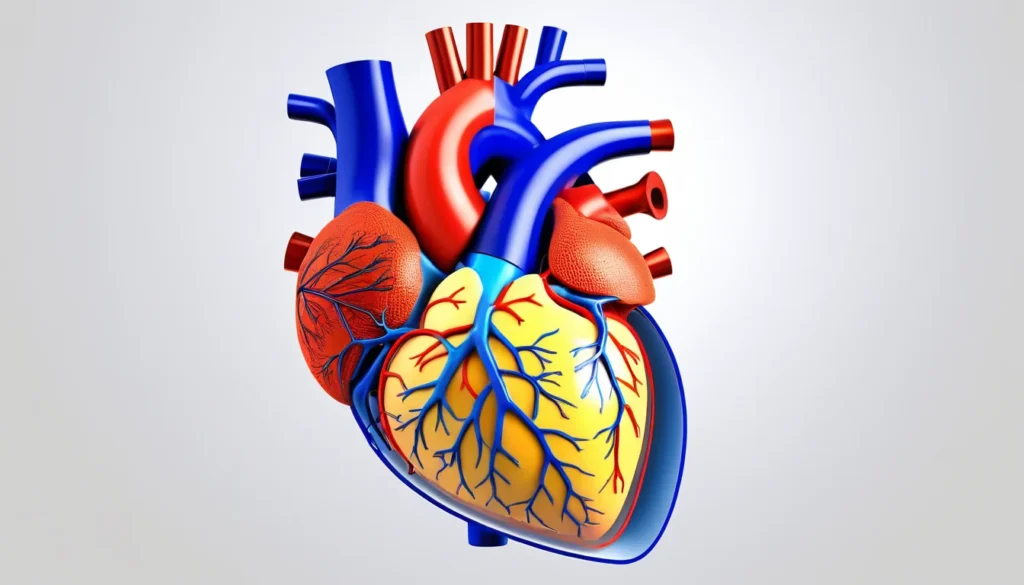
Starting statin therapy after a heart attack within the first 24 hours may significantly reduce the risk of dying. A landmark study published in the European Heart Journal found that patients who received statins early had meaningfully better survival rates. This finding could change how hospitals across Canada manage heart attack care. If you or someone you love has heart disease, understanding this research could be life-saving.
What Is Statin Therapy After a Heart Attack?
Statins are a class of medication that lower cholesterol in the blood. Doctors commonly prescribe them to reduce the risk of future heart problems. In Canada, statins are among the most widely prescribed medications, and most provincial health plans cover them for eligible patients.
When someone has a heart attack, the heart muscle is under enormous stress. Statins may help protect the heart in ways beyond just lowering cholesterol. Researchers believe early statin use can reduce inflammation and stabilise the plaques that caused the heart attack in the first place.
The specific type of heart attack studied is called a STEMI — short for ST-elevation myocardial infarction. This is one of the most serious types of heart attacks. It occurs when a coronary artery is completely blocked, cutting off blood flow to part of the heart.
What the Research Found About Statin Therapy After Heart Attack
Dutch researchers studied over 10,000 patients who experienced an acute coronary syndrome (ACS) — the medical term for a sudden, serious heart event. The study compared patients who received statins within 24 hours to those who did not. The results were striking.
Out of the total group, 1,426 patients received statins within the first 24 hours. They were compared to 6,771 patients who survived but did not receive early statin treatment. Researchers tracked mortality rates at both the 7-day and 30-day marks.
Mortality Rates at 7 Days
Within the first week, patients who received early statin therapy after a heart attack showed a significant drop in mortality. For patients with a non-STEMI (a less severe type of heart attack), the 7-day mortality rate was 1.3%. For STEMI patients — those with a full blockage — the rate was 2.8%.
These numbers may seem small, but in a real-world setting, they represent thousands of lives. Furthermore, the patients who did not receive early statins had noticeably higher death rates during the same period.
Mortality Rates at 30 Days
By the 30-day mark, the gap remained clear. Non-STEMI patients had a mortality rate of 3.2%. STEMI patients had a rate of 5.1%. These figures underline how critical the first few hours and days are after a heart attack.
However, researchers are careful to note that these are observational findings. They recommend that future randomised controlled trials confirm these results before formal treatment guidelines are updated.
Why Timing Matters So Much in Heart Attack Treatment
In medicine, there is a phrase: “Time is muscle.” Every minute after a heart attack, more heart muscle is at risk of permanent damage. The same principle seems to apply to statin therapy.
Until recently, there was no clear consensus on how quickly statins should be started after a heart attack. Some guidelines recommended starting them before a coronary event in high-risk patients. This new research suggests that waiting is not the best approach.
Starting statin therapy after a heart attack as early as possible — ideally within 24 hours — may give patients a meaningful survival advantage. For Canadian hospitals and emergency care teams, this insight could shape new protocols for cardiac care.
What Is Secondary Prevention?
Secondary prevention means reducing the risk of a second heart attack or cardiovascular event in someone who has already had one. Statins are a cornerstone of secondary prevention. They lower LDL (“bad”) cholesterol, reduce inflammation, and help stabilise arterial plaques.
According to Health Canada, cardiovascular disease remains one of the leading causes of death in Canada. Secondary prevention strategies, including statin therapy, play a vital role in keeping Canadians healthier after a cardiac event.
Understanding Acute Coronary Syndrome
Acute coronary syndrome (ACS) is an umbrella term for conditions caused by sudden reduced blood flow to the heart. It includes both STEMI and non-STEMI heart attacks, as well as unstable angina. All of these are medical emergencies.
Symptoms of ACS can include chest pain or pressure, shortness of breath, sweating, nausea, and pain radiating to the arm or jaw. In some people — particularly women — symptoms may be more subtle. Therefore, it is important not to dismiss any unusual chest discomfort.
If you suspect a heart attack, call 911 immediately. Do not drive yourself to the hospital. Emergency responders can begin treatment on the way, which may make a critical difference to outcomes.
Risk Factors for Acute Coronary Syndrome
Several factors increase your risk of ACS. These include high cholesterol, high blood pressure, smoking, diabetes, obesity, and a family history of heart disease. A sedentary lifestyle and a diet high in saturated fats also raise your risk.
The good news is that many of these risk factors are manageable. With the right support from your family doctor or a cardiologist, you can take meaningful steps to protect your heart. Mayo Clinic’s heart attack overview provides an excellent breakdown of risk factors and prevention strategies.
Statins in Canada: What You Should Know
In Canada, statins are available by prescription only. Common statins prescribed by Canadian doctors include atorvastatin, rosuvastatin, and simvastatin. Your family doctor will consider your cholesterol levels, blood pressure, age, and overall health before recommending one.
Most provincial and territorial drug benefit programmes cover statins for patients who meet certain criteria, such as a history of heart disease or diabetes. If cost is a concern, speak with your pharmacist or family doctor about coverage options under your provincial health plan.
It is important to take statins exactly as prescribed. Do not stop taking them without speaking to your doctor, even if you feel well. Statins work continuously in the background to protect your heart.
Possible Side Effects of Statins
Like all medications, statins can cause side effects. The most common include muscle aches, digestive issues, and headaches. Serious side effects are rare but can include liver problems or a condition called rhabdomyolysis, which involves severe muscle breakdown.
In addition, some people notice memory or concentration issues while taking statins. However, large-scale studies have not confirmed a strong link. If you experience any unusual symptoms after starting statin therapy, contact your doctor promptly.
When to See a Doctor About Your Heart Health
You do not need to wait for a heart attack to talk about statin therapy. If you have risk factors for heart disease — such as high cholesterol, high blood pressure, or a family history of cardiac problems — speak with your family doctor soon.
Your family doctor can assess your cardiovascular risk using validated tools and order a simple blood test to check your cholesterol levels. If you do not currently have a family doctor, a walk-in clinic can provide an initial assessment and refer you to a specialist if needed.
For those who have already experienced a heart attack, follow-up care with a cardiologist is essential. Statin therapy after a heart attack is one part of a broader treatment plan that may also include blood pressure medications, lifestyle changes, and cardiac rehabilitation. As always, consult your doctor before starting, stopping, or changing any medication. The World Health Organization’s cardiovascular disease fact sheet offers useful global context on managing heart health.
Frequently Asked Questions
How soon should statin therapy start after a heart attack?
Research suggests that starting statin therapy after a heart attack within the first 24 hours may significantly reduce the risk of dying. The earlier treatment begins, the better the potential outcome. Always follow the guidance of your hospital care team or cardiologist.
Do statins actually improve survival after a heart attack?
Yes, observational studies — including a large Dutch study published in the European Heart Journal — show that early statin therapy after a heart attack is associated with lower mortality rates at both 7 days and 30 days. However, researchers are calling for randomised controlled trials to confirm these findings.
Are statins covered by provincial health plans in Canada?
In most provinces and territories, statins are covered under provincial drug benefit programmes for patients who qualify, such as those with a history of heart disease or diabetes. Check with your family doctor or pharmacist about your specific coverage eligibility.
What are the most common side effects of statin medications?
The most common side effects of statins include muscle aches, digestive discomfort, and headaches. Serious side effects are rare. If you notice unusual symptoms after starting statin therapy, speak with your doctor as soon as possible.
What is a STEMI heart attack?
A STEMI (ST-elevation myocardial infarction) is a severe type of heart attack caused by a complete blockage of a coronary artery. It is a medical emergency requiring immediate treatment. Early statin therapy after a heart attack like a STEMI has shown particular promise in reducing short-term mortality.
Can I take statins if I have never had a heart attack?
Yes, doctors often prescribe statins to people who have not yet had a heart attack but are at high risk due to factors like high cholesterol, diabetes, or a strong family history. This is called primary prevention. Talk to your family doctor to find out if statins are right for you.
Key Takeaways
Early statin therapy after a heart attack — within 24 hours — is linked to significantly lower mortality rates.
A study of over 10,000 patients found clear survival benefits at both 7 days and 30 days for those who received early statins.
STEMI (ST-elevation myocardial infarction) patients appear to benefit the most from early statin use.
Statins are a key part of secondary prevention, helping to reduce the risk of a second cardiac event.
In Canada, statins are prescription medications. Most provincial health plans cover them for eligible patients.
If you have risk factors for heart disease, speak with your family doctor or visit a walk-in clinic to discuss your options.
Always consult your doctor before making any changes to your medication or treatment plan.