Squamous cell carcinoma is one of the most common types of skin cancer in Canada. It develops in the flat cells on the outer surface of your skin. When caught early, it is highly treatable. However, if left untreated, it can spread and cause serious health problems.
What Is Squamous Cell Carcinoma?
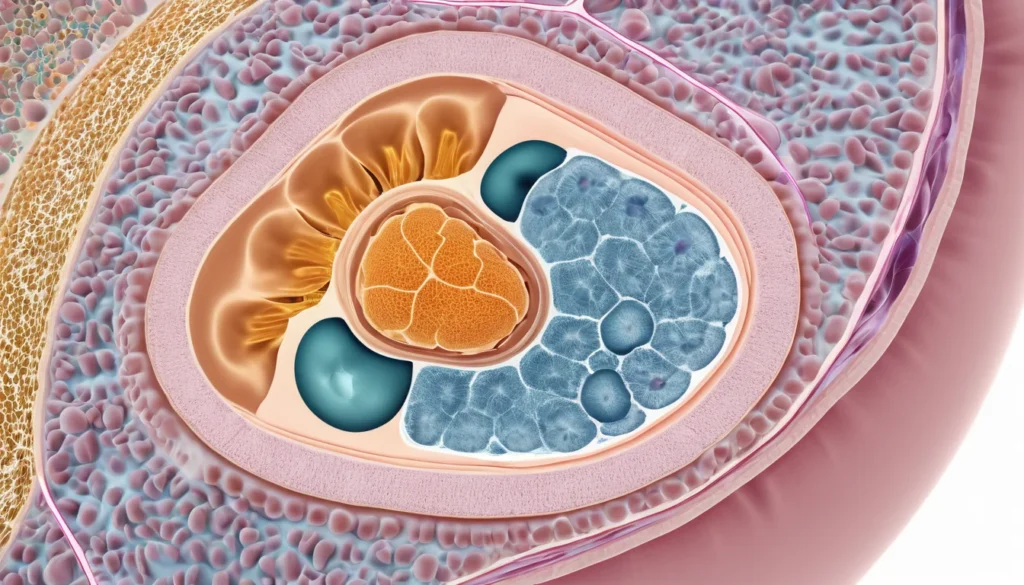
Squamous cell carcinoma (SCC) is a form of skin cancer that starts in squamous cells. These are the thin, flat cells that make up the middle and outer layers of your skin. SCC is different from melanoma and basal cell carcinoma, which are the two other main types of skin cancer.
Most cases of squamous cell carcinoma grow slowly. This is good news, because it gives you a better chance of catching it early. Early detection means simpler treatment and a much better outcome. However, some cases do grow faster and spread to other parts of the body, so it is important to act quickly.
According to Health Canada, skin cancer is one of the most commonly diagnosed cancers in the country. Protecting yourself from ultraviolet (UV) radiation is the single most effective step you can take to lower your risk.
What Causes Squamous Cell Carcinoma?
The most common cause of squamous cell carcinoma is long-term exposure to ultraviolet (UV) radiation. This radiation comes from sunlight and from tanning beds. UV rays damage the DNA inside your skin cells over time, which can eventually lead to cancer.
Tanning Beds and UV Exposure
Using tanning beds significantly raises your risk. In fact, people who use tanning beds are 2.5 times more likely to develop squamous cell carcinoma than those who do not. This is a serious concern, especially among younger Canadians who use indoor tanning equipment.
In addition to UV exposure, other causes include chronic skin inflammation, scarring from burns, skin ulcers, and old wounds. Exposure to X-rays or certain chemicals — such as arsenic and petroleum products — can also trigger the disease.
Infections and Immune System Conditions
Chronic skin infections and ongoing inflammation can lead to squamous cell carcinoma over time. Furthermore, conditions that weaken your immune system increase your risk. These include HIV, chemotherapy, and medications taken after an organ transplant to prevent rejection.
In rare cases, SCC can develop on normal, healthy-looking skin. Some researchers believe that a genetic tendency toward this type of cancer may be inherited in certain families.
Risk Factors for Squamous Cell Carcinoma
Anyone can develop squamous cell carcinoma, but some people face a higher risk than others. Understanding your personal risk factors can help you take the right steps to protect yourself.
You are at higher risk if you have:
Fair or light skin, blonde or red hair, and blue or green eyes
A long history of sun exposure, even without sunburns
Frequently used tanning beds in the past
A weakened immune system due to illness or medication
A previous diagnosis of squamous cell carcinoma or another skin cancer
A family history of skin cancer
It is worth noting that squamous cell carcinoma is at least twice as common in men as in women. However, women are not immune to the disease. Anyone with a significant history of sun exposure should take precautions and watch for warning signs.
Recognising the Symptoms
Squamous cell carcinoma most often appears on areas of skin that receive the most sun. This includes the face, ears, neck, hands, and arms. However, it can also develop in less obvious places, including inside the mouth, on the genitals, and around the anus.
Common Signs to Watch For
The appearance of SCC can vary from person to person. Therefore, it is important to know the range of possible warning signs. Common symptoms include:
A firm, red bump on the lip, ear, neck, hand, or arm — this may sometimes bleed
A flat, scaly lesion with a rough, crusted surface on the face, ears, hands, neck, or arms
A new sore or white raised patch inside the mouth
An open sore or ulcer near the throat, anus, or genitals that does not heal
SCC can be easy to miss, especially if it appears alongside other sun-damaged skin. You might confuse it with actinic keratosis — rough, scaly, brownish or pink patches that develop after years of sun exposure. Importantly, a small number of actinic keratoses can progress into squamous cell carcinoma. This is why regular skin checks are so valuable.
For a detailed visual guide to skin cancer warning signs, visit the Mayo Clinic’s squamous cell carcinoma resource page.
Treatment Options for Squamous Cell Carcinoma
The right treatment for squamous cell carcinoma depends on several factors. These include the size and location of the cancer, how deeply it has grown, whether it has spread, and your overall health. Your dermatologist or family doctor will help you choose the best approach.
Common Treatments
Most cases of SCC are treated with one or more of the following methods:
Excision: The cancerous skin is surgically cut out. This is one of the most common treatments.
Curettage and electrocauterization: The cancer cells are scraped away, and then heat is used to destroy any remaining cancer cells. This works best for smaller or shallower cancers.
Cryosurgery: Liquid nitrogen freezes and destroys the cancer cells. This is often used for small, surface-level cancers.
Topical medication: Creams containing imiquimod or 5-fluorouracil may be used for superficial skin cancers that have not grown deeply.
Mohs surgery: A surgeon removes the cancer one thin layer at a time. Each layer is examined under a microscope before the next is removed. This method preserves as much healthy skin as possible and is often used on the face or ears.
Some cases of squamous cell carcinoma are more difficult to treat, particularly if the cancer has spread to nearby lymph nodes or other organs. In those situations, radiation therapy or systemic medications may be needed. Your care team will guide you through your options.
Prevention and Sun Safety in Canada
The good news is that squamous cell carcinoma is largely preventable. Making sun safety a daily habit is the most powerful thing you can do. This is especially true in Canada, where UV levels can be surprisingly high — even on cloudy days or during winter months.
Daily Sun Safety Habits
Building these habits into your routine can significantly reduce your risk of developing squamous cell carcinoma and other skin cancers:
Seek shade between 10 a.m. and 4 p.m., when UV rays are strongest
Avoid deliberate tanning, both outdoors and in tanning beds
Wear protective clothing, including a wide-brimmed hat and UV-blocking sunglasses
Apply a broad-spectrum sunscreen with SPF 15 or higher every day — SPF 30 or higher is recommended for outdoor activities
Apply sunscreen at least 30 minutes before going outside, and reapply every two hours — or immediately after swimming or heavy sweating
Keep babies out of direct sunlight; use sunscreen on children older than six months
Check your skin thoroughly from head to toe once a month
Visit a dermatologist for a professional skin check every year
It is important to remember that even careful sun protection cannot guarantee complete prevention of SCC. However, it dramatically lowers your risk and is well worth the effort.
For more guidance on UV safety in Canada, the Healthline guide to squamous cell skin cancer offers practical, evidence-based advice.
After a Diagnosis: Preventing Recurrence
If you have already had squamous cell carcinoma, your risk of developing another one is higher — especially in the same area or nearby. This is because the surrounding skin has already sustained UV damage. Recurrence is most common within the first two years after surgery.
As a result, it is even more important for SCC survivors to practise daily sun protection and attend all scheduled follow-up appointments. Your dermatologist will monitor you closely and catch any new growth early.
When to See a Doctor
Do not wait if you notice a new or changing spot on your skin. Early action makes a real difference with squamous cell carcinoma. In Canada, you have several convenient options for getting checked.
Start by booking an appointment with your family doctor. They can assess your skin and refer you to a dermatologist if needed. If you do not have a family doctor, a walk-in clinic is a great first step. Many provinces also offer skin cancer screening programmes through public health units — check with your provincial health plan for details in your area.
See a doctor promptly if you notice any of the following:
A sore, bump, or patch that does not heal within four weeks
A spot that bleeds easily or without reason
Any skin change that looks unusual compared to surrounding skin
A mole or lesion that changes in size, shape, or colour
As always, speak with your doctor or a qualified healthcare professional before making any decisions about your health. This article is meant to inform, not to replace professional medical advice.
Frequently Asked Questions About Squamous Cell Carcinoma
Is squamous cell carcinoma serious?
Squamous cell carcinoma is generally very treatable when caught early. However, if left untreated, it can grow deeper into the skin and spread to other parts of the body, which makes it much more dangerous. Seeing a doctor as soon as you notice a suspicious spot is the best thing you can do.
What does squamous cell carcinoma look like?
Squamous cell carcinoma often appears as a firm, red bump, a flat scaly patch, or an open sore that does not heal. It most commonly shows up on sun-exposed areas like the face, ears, neck, and hands. Because it can look similar to other skin conditions, it is always best to have a doctor examine any unusual skin changes.
Can squamous cell carcinoma spread to other organs?
Yes, squamous cell carcinoma can spread — a process called metastasis — but this is not common when the cancer is caught and treated early. It is more likely to spread if the cancer is large, deeply invasive, or located on certain areas like the lips or ears. Regular skin checks and prompt treatment greatly reduce this risk.
What is the difference between squamous cell carcinoma and melanoma?
Squamous cell carcinoma and melanoma are both types of skin cancer, but they differ in where they start and how they behave. Melanoma begins in the pigment-producing cells of the skin and tends to be more aggressive. Squamous cell carcinoma starts in the flat outer skin cells and is usually slower-growing, though it can still spread if untreated.
How is squamous cell carcinoma diagnosed?
A doctor will usually begin with a visual examination of the suspicious skin area. If squamous cell carcinoma is suspected, they will take a small sample of skin — called a biopsy — and send it to a laboratory for testing. This is the only way to confirm a diagnosis with certainty.
Does sunscreen really prevent squamous cell carcinoma?
Daily sunscreen use significantly lowers your risk of developing squamous cell carcinoma by protecting your skin from harmful UV radiation. Experts recommend a broad-spectrum sunscreen with at least SPF 30 for outdoor activities. While sunscreen alone cannot guarantee complete prevention, it is one of the most effective and accessible tools available.
Key Takeaways
Squamous cell carcinoma is a common, treatable form of skin cancer — especially when caught early.
The main cause is long-term UV exposure from sunlight and tanning beds.
Fair-skinned individuals and those with a history of sun exposure face the highest risk.
Common signs include firm red bumps, scaly patches, and non-healing sores on sun-exposed skin.
Treatment options include surgery, freezing, topical creams, and Mohs surgery.
Daily sun protection — including sunscreen, protective clothing, and shade — is your best prevention tool.
If you notice any unusual skin changes, see your family doctor or visit a walk-in clinic promptly.
Annual skin checks with a dermatologist are strongly recommended for all Canadians, especially those with risk factors.