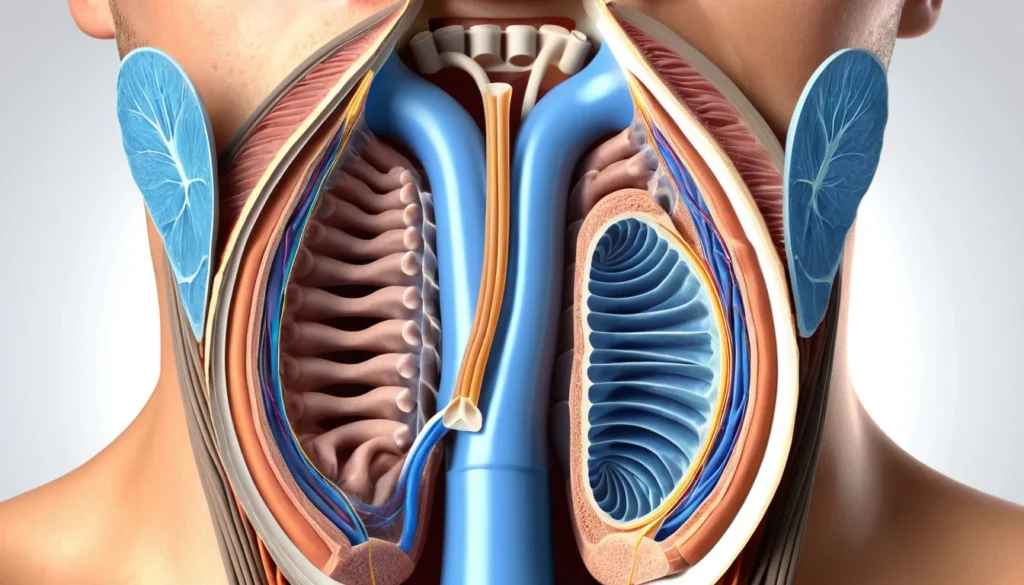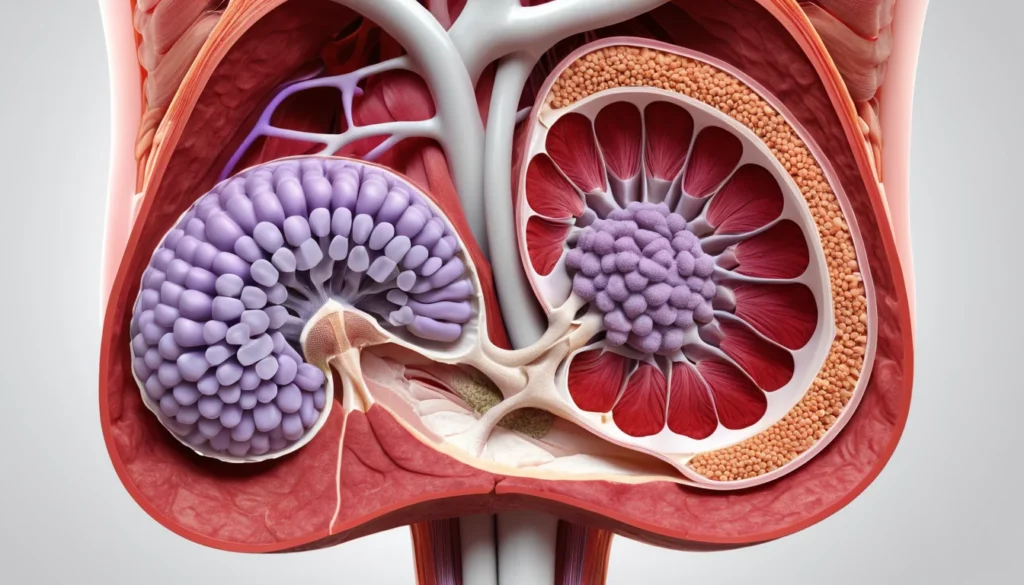
Your spleen is a small but powerful organ that plays a big role in keeping you healthy. Tucked in the upper left side of your abdomen, it works quietly behind the scenes — filtering your blood, fighting infection, and supporting your immune system every single day. In this article, you will learn what the spleen does, what can go wrong, and when to talk to your family doctor or visit a walk-in clinic.
What Is the Spleen?
The spleen is a dark reddish-purple, spongy organ about the size of your fist. It sits between your diaphragm and your ribs, on the left side of your body. In a healthy adult, it weighs roughly 200 grams.
Despite its small size, the spleen is one of the most important organs in your lymphatic system. It works closely with your blood and immune system around the clock. Many Canadians have never thought much about their spleen — until something goes wrong.
Before birth, the spleen actually helps produce red blood cells. After birth, it hands off that job and shifts its focus to filtering blood and supporting immune defence. According to the Mayo Clinic’s overview of spleen health, the organ continues to play a vital role throughout your entire life.
Key Spleen Functions You Should Know
The spleen has several important jobs. Scientists are still learning about all the ways it works, but we already know it does much more than most people realize.
Filtering Your Blood
One of the spleen’s main jobs is to act as a filter for your blood. It removes old, damaged, or abnormal red blood cells from circulation. This keeps your blood clean and working efficiently.
Unlike your lymph nodes, the spleen connects directly to your bloodstream. As a result, it comes into contact with every drop of blood in your body. This gives it a constant view of anything unusual circulating in your system — including bacteria, toxins, and foreign cells.
Supporting Your Immune System
The spleen is a key player in your immune system. It produces lymphocytes, which are white blood cells that help fight infections. It also makes antibodies — proteins that target and neutralize harmful invaders.
In addition, the spleen produces phagocytes. These are specialized cells that “eat” and destroy bacteria and other foreign particles. Together, these immune cells form a powerful defence against illness.
The spleen is especially important for fighting certain types of bacteria, including Streptococcus pneumoniae (the bacteria that causes pneumonia). This is why people without a spleen need extra protection, such as vaccinations. You can read more about the immune system from Health Canada’s health resources.
Recognizing Antigens
Because the spleen sits directly in the bloodstream, it sees all antigens in your blood. Antigens are substances — from bacteria, toxins, or foreign cells — that trigger your immune system to make antibodies.
The spleen processes these antigens and activates the right immune response. Therefore, it plays a central role in your body’s ability to recognize and remember threats. This memory function is part of why vaccines work so well.
The Spleen’s Role in Red Blood Cell Health
Beyond immunity, the spleen also helps manage the health of your red blood cells. It monitors red blood cells as they pass through and removes ones that are old, misshapen, or coated in antibodies.
Removing Abnormal Red Blood Cells
Certain conditions cause red blood cells to become abnormal. For example, in malaria, infected red blood cells become stiff and deformed. The spleen detects these changes and removes the damaged cells from circulation.
In autoimmune haemolytic anaemia, the immune system mistakenly coats red blood cells with antibodies. The spleen recognizes these labelled cells and destroys them. This process, while protective in design, can sometimes cause the red blood cell count to drop too low.
Thalassemia and Abnormal Haemoglobin
In conditions like thalassemia, red blood cells are deformed because of abnormal haemoglobin. The spleen works overtime to remove these cells. Over time, this can cause the spleen to enlarge — a condition called splenomegaly.
If you or your child has been diagnosed with thalassemia, your provincial health plan may cover specialist care. Talk to your family doctor about a referral to a haematologist (a blood specialist).
Common Spleen Conditions
Several health conditions can affect the spleen. Some are mild, while others require prompt medical attention. Knowing the signs can help you act quickly.
Enlarged Spleen (Splenomegaly)
An enlarged spleen, called splenomegaly, is one of the most common spleen problems. It can be caused by infections like mono (mononucleosis), liver disease, blood disorders, or cancer. In many cases, there are no symptoms at all.
However, some people feel fullness or discomfort in the upper left abdomen. In rare cases, an enlarged spleen can rupture, which is a medical emergency. If you feel sudden, sharp pain on your left side, go to your nearest emergency room immediately.
Ruptured Spleen
A ruptured spleen is usually caused by a strong blow to the abdomen — for example, a car accident or a sports injury. The spleen can bleed heavily into the abdominal cavity. This is a life-threatening situation that requires emergency surgery.
Symptoms of a ruptured spleen include severe left-side pain, dizziness, and low blood pressure. Call 911 or go to the nearest emergency department right away if you suspect this has happened.
Asplenia (Living Without a Spleen)
Some people have their spleen removed through surgery — a procedure called a splenectomy. Others are born without a spleen, a condition known as asplenia. In either case, the body must compensate for the loss of this important organ.
People without a spleen are at higher risk for serious bacterial infections. As a result, they often need vaccines to protect against pneumococcal bacteria, meningococcal bacteria, and Haemophilus influenzae type b (Hib). Your family doctor can guide you on the right vaccination schedule. Healthline’s guide to spleen health also provides helpful information on living without a spleen.
Signs Your Spleen May Need Attention
The spleen does not always cause obvious symptoms when something is wrong. However, there are some warning signs worth knowing.
Common signs that may point to a spleen problem include:
Pain or discomfort in the upper left abdomen
A feeling of fullness after eating only a small amount
Fatigue or weakness without explanation
Frequent infections or illnesses
Bruising or bleeding more easily than usual
A noticeably swollen belly
These symptoms do not always mean your spleen is the problem. However, they are good reasons to check in with your family doctor or visit a walk-in clinic sooner rather than later.
When to See a Doctor
Most spleen issues are discovered during a routine physical exam or imaging test ordered for another reason. Your family doctor may feel an enlarged spleen during an abdominal exam. If they suspect a spleen issue, they may order an ultrasound or blood tests.
You should see your family doctor if you have ongoing discomfort in your upper left abdomen, unexplained fatigue, or repeated infections. Many provincial health plans in Canada cover these assessments when referred by your doctor.
If you do not have a family doctor, a walk-in clinic is a great first step. Walk-in clinic doctors can order basic tests and refer you to a specialist if needed. Do not ignore symptoms that persist for more than a week or two.
If you experience sudden, severe pain in your abdomen — especially after an injury — call 911 or go to your nearest emergency department right away. A ruptured spleen is a medical emergency.
Always speak with a qualified healthcare provider before drawing any conclusions about your health. This article is for general information only and does not replace professional medical advice.
Frequently Asked Questions About the Spleen
What does the spleen actually do in the body?
The spleen filters your blood, removes old or damaged red blood cells, and helps your immune system fight infection. It produces white blood cells called lymphocytes, as well as antibodies and phagocytes that destroy harmful bacteria. It is also one of the first organs in your body to detect foreign substances in your bloodstream.
Where is the spleen located in the body?
The spleen is located in the upper left side of your abdomen, tucked between your diaphragm and your lower ribs. It sits just behind your stomach on the left side of your body. Because of this location, spleen pain is often felt in the upper left area of the belly.
Can you live without a spleen?
Yes, you can live without a spleen, but your immune system will be weaker. People without a spleen are more vulnerable to serious bacterial infections, especially from organisms like pneumococcus. Your doctor will likely recommend vaccinations and possibly long-term antibiotics to help protect you.
What are the signs of an enlarged spleen?
An enlarged spleen often causes no symptoms at all, which is why it is frequently found by accident during a physical exam or imaging test. When symptoms do occur, they may include discomfort or fullness in the upper left abdomen and feeling full after eating only a small meal. Fatigue and frequent infections can also be signs of an underlying spleen problem.
What causes spleen problems?
Spleen problems can be caused by a wide range of conditions, including viral infections like mononucleosis, liver disease, blood disorders, autoimmune conditions, and cancer. Physical trauma to the abdomen — such as from a car accident or contact sport — can cause the spleen to rupture. In some cases, inherited conditions like thalassemia also affect how the spleen functions.
When should I see a doctor about my spleen?
You should speak with your family doctor or visit a walk-in clinic if you have persistent pain in your upper left abdomen, unexplained fatigue, or frequent infections. If you feel sudden, severe pain in your left side — especially after a blow or accident — seek emergency care immediately, as a ruptured spleen is a medical emergency. Your provincial health plan will typically cover an assessment for these concerns when ordered by a physician.
Key Takeaways
The spleen is a fist-sized organ in your upper left abdomen that filters blood and supports your immune system.
It produces lymphocytes, antibodies, and phagocytes that help your body fight bacterial infections.
The spleen removes old, damaged, and abnormal red blood cells from your bloodstream.
Common spleen problems include an enlarged spleen (splenomegaly) and, in rare cases, a ruptured spleen.
People without a spleen need extra vaccinations to protect against serious bacterial infections.
Warning signs include upper left abdominal pain, fatigue, frequent illness, and easy bruising.
Talk to your family doctor or visit a walk-in clinic if you are concerned about your spleen health.
Always consult a qualified healthcare provider for a proper diagnosis — this article is for general information only.