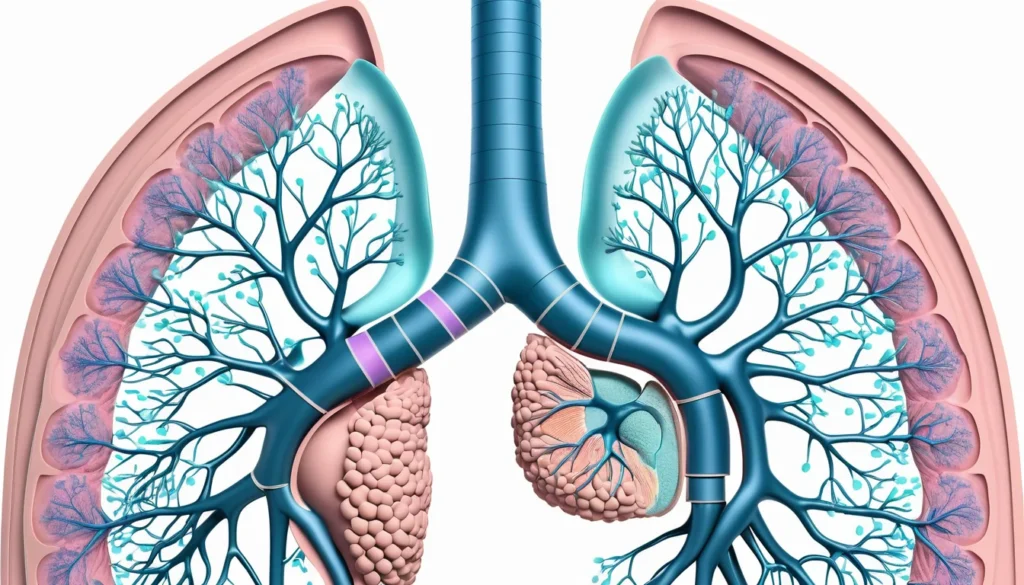
A spirometry test is one of the most common and useful ways to check how well your lungs are working. It measures how much air you can breathe in and out, and how fast you can do it. Doctors across Canada use this test to diagnose and monitor conditions like asthma, chronic obstructive pulmonary disease (COPD), and emphysema. In this article, you will learn what the test involves, why your doctor might order one, and what your results could mean.
What Is a Spirometry Test?
A spirometry test is a type of lung function test. It uses a device called a spirometer to record your breathing patterns and measure key values. The test is painless, non-invasive, and usually takes only a few minutes to complete.
Spirometry is part of a broader group of assessments called pulmonary function testing. These tests help your healthcare provider get a full picture of how your respiratory system is performing. Think of it as a check-up specifically for your lungs.
According to Health Canada, respiratory diseases affect millions of Canadians every year. Spirometry is a frontline tool that helps catch these conditions early, when treatment is most effective.
Why Would a Doctor Order a Spirometry Test?
Your family doctor or a specialist may order a spirometry test for several reasons. Most often, it is used to diagnose a chronic lung or airway condition. However, it is also used to track how a known condition is progressing over time.
Common Reasons for the Test
Doctors use spirometry to investigate and monitor a range of respiratory conditions, including:
Asthma: A condition where the airways narrow and swell, making breathing difficult.
Chronic Obstructive Pulmonary Disease (COPD): A group of lung diseases, including chronic bronchitis and emphysema, that block airflow.
Emphysema: A lung condition that damages the air sacs, reducing the lungs’ ability to exchange oxygen.
Interstitial lung disease: A group of conditions that cause scarring or inflammation of lung tissue.
Chronic bronchitis: Long-term inflammation of the bronchial tubes that carry air to your lungs.
In addition, your doctor may order a spirometry test before surgery to make sure your lungs can handle the procedure safely. It is also used to measure the effectiveness of treatments like inhalers or other medications.
Monitoring Disease Progression
For patients already living with a lung condition, spirometry helps doctors understand whether the disease is getting better, staying stable, or worsening. This information directly shapes treatment decisions. For example, if your results show a decline in lung function, your doctor may adjust your medication or refer you to a respirologist.
How to Prepare for a Spirometry Test
Preparing properly for your spirometry test helps ensure the results are accurate. Your doctor or clinic will give you specific instructions beforehand. However, there are some general guidelines that apply for most patients.
Before the Test
Avoid smoking for at least four to six hours before the test.
Do not eat a large meal right before your appointment, as a full stomach can restrict your breathing.
Wear loose, comfortable clothing that does not restrict your chest or abdomen.
Ask your doctor whether you should hold off on using your inhaler before the test, as some medications can affect the results.
Avoid strenuous exercise for at least 30 minutes before the test.
It is always a good idea to bring a list of your current medications to your appointment. Your healthcare provider needs this information to properly interpret your results.
What Happens During a Spirometry Test?
The spirometry test itself is straightforward. You will sit in a chair during the procedure. A technician or nurse will guide you through each step.
Step-by-Step: The Testing Process
First, a soft clip is placed on your nose to close your nostrils. This ensures that all your breathing goes through your mouth. You will then place your lips tightly around a mouthpiece connected to the spirometer by a flexible tube.
Next, you will breathe normally for a few moments so the machine can record your resting breathing pattern. After that, you will be asked to take the deepest breath you possibly can, and then blow out as hard and as fast as you can until your lungs are completely empty. This part can feel a little uncomfortable, but it is not painful.
The technician will usually ask you to repeat this effort two or three times. This repetition helps ensure the results are consistent and reliable. The entire session generally takes no more than 30 to 45 minutes.
What the Spirometer Measures
As you breathe in and out, the spirometer records several important values. The two most important measurements are:
Forced Vital Capacity (FVC): This is the total volume of air you can forcefully exhale after taking the deepest breath possible. It shows the overall capacity of your lungs.
Forced Expiratory Volume in One Second (FEV1): This is the volume of air you can force out in the first second of a hard exhale. It reflects how open or obstructed your airways are.
Furthermore, the machine traces a graph called a flow-volume curve. This visual pattern gives your doctor additional clues about the nature of any breathing problem. In some cases, the spirometer is connected to a special circuit using a gas called helium. This allows the technician to calculate your Total Lung Capacity — the maximum amount of air your lungs can hold.
For more detailed information about lung function measurements, visit this helpful overview from the Mayo Clinic’s guide to spirometry.
Understanding Your Spirometry Test Results
Once the test is complete, a respiratory therapist or your doctor will analyze the data. The results are compared against expected values for a healthy person of your age, height, sex, and ethnic background. This comparison helps identify whether your lung function is normal or abnormal.
The Three Main Patterns
Abnormal results generally fall into one of three categories:
Obstructive pattern: This means air is flowing out of your lungs more slowly than normal. The airways are narrowed or blocked. This pattern is common in asthma and COPD. The FEV1 value is reduced, while the FVC may be relatively normal.
Restrictive pattern: This means your lungs cannot hold as much air as they should. The total lung volume is smaller than expected. This pattern appears in conditions like pulmonary fibrosis or severe scoliosis. Both FEV1 and FVC are reduced.
Mixed pattern: This is a combination of both obstructive and restrictive changes. It may appear in patients with complex or overlapping lung conditions.
It is important to understand that a single test rarely provides all the answers. Your doctor will interpret your results alongside your symptoms, medical history, and other test findings. Therefore, do not try to self-diagnose based on the numbers alone.
What Happens After the Test?
In some cases, your doctor may ask you to repeat the spirometry test after using a bronchodilator — a medication that opens up the airways. If your results improve significantly after the medication, this strongly suggests asthma rather than COPD. This is called a reversibility test, and it helps guide treatment decisions.
You can also learn more about interpreting breathing test results through Healthline’s patient-friendly spirometry guide.
Is a Spirometry Test Safe?
For most people, a spirometry test is very safe. The forced breathing effort is temporary and well-tolerated. However, because the test requires significant physical effort, it is not suitable for everyone.
Your doctor may postpone or avoid the test if you have recently had a heart attack, eye surgery, or abdominal surgery. Some people feel briefly lightheaded or dizzy after blowing hard into the mouthpiece. This passes quickly and is not dangerous. If you feel unwell during the test, let the technician know right away.
Children can also undergo spirometry testing, though they generally need to be old enough to follow instructions — usually around five or six years of age.
When to See a Doctor
You should speak with your family doctor if you have ongoing symptoms that affect your breathing. Do not wait for symptoms to become severe before seeking help. Early detection makes a real difference in managing lung conditions effectively.
Consider booking an appointment if you experience any of the following:
A persistent cough that has lasted more than three weeks
Shortness of breath during everyday activities like walking or climbing stairs
Wheezing or a whistling sound when you breathe
Tightness or pressure in your chest
Frequent respiratory infections or bronchitis
If you do not have a family doctor, a walk-in clinic can provide an initial assessment and refer you for pulmonary function testing if needed. Most provinces cover spirometry under their provincial health plan when it is medically necessary — check with your provincial health authority or your doctor’s office to confirm your coverage.
A respirologist (a lung specialist) may be involved if your condition is complex. Your family doctor can provide a referral through your provincial health system.
Frequently Asked Questions About Spirometry
How long does a spirometry test take?
A spirometry test typically takes between 15 and 45 minutes from start to finish. The actual breathing effort only lasts a few seconds each time, but you will repeat it several times to get consistent results. Your technician will let you rest between attempts.
Is a spirometry test covered by provincial health insurance in Canada?
In most Canadian provinces, a spirometry test is covered by your provincial health plan when it is ordered by a doctor for a medically necessary reason. Coverage details vary by province, so it is best to confirm with your family doctor or provincial health authority before your appointment.
What is a normal result on a spirometry test?
A normal spirometry test result means your lung measurements fall within the expected range for someone of your age, height, sex, and background. Doctors typically look for an FEV1/FVC ratio above 70% as a sign of healthy airflow. Your doctor will explain what your specific numbers mean for you.
Can a spirometry test diagnose asthma?
Yes, a spirometry test is one of the key tools used to help diagnose asthma. An obstructive pattern on the test, combined with significant improvement after a bronchodilator medication, strongly points toward asthma. However, your doctor will also consider your symptoms and medical history before making a final diagnosis.
Does a spirometry test hurt?
No, a spirometry test is not painful. The process involves breathing through a mouthpiece, which is not uncomfortable. Some people feel briefly lightheaded after the forced breathing effort, but this feeling passes quickly and is completely harmless.
How often should I have a spirometry test if I have COPD?
If you have been diagnosed with COPD, your doctor will generally recommend a spirometry test at least once a year to monitor changes in your lung function. More frequent testing may be needed if your symptoms change or if your treatment plan is being adjusted. Always follow your doctor’s specific recommendations for your situation.
Key Takeaways
A spirometry test is a simple, painless breathing test that measures how well your lungs work.
It is used to diagnose and monitor conditions like asthma, COPD, emphysema, and interstitial lung disease.
The test measures key values including FVC (total air exhaled) and FEV1 (air exhaled in the first second).
Results are classified as obstructive, restrictive, or mixed, and are always interpreted alongside your symptoms and history.
The test is generally safe and is covered by most provincial health plans when medically necessary.
If you have breathing symptoms that concern you, speak with your family doctor or visit a walk-in clinic — do not wait.
Always consult a qualified healthcare provider to understand your results and determine the right course of action for your health.