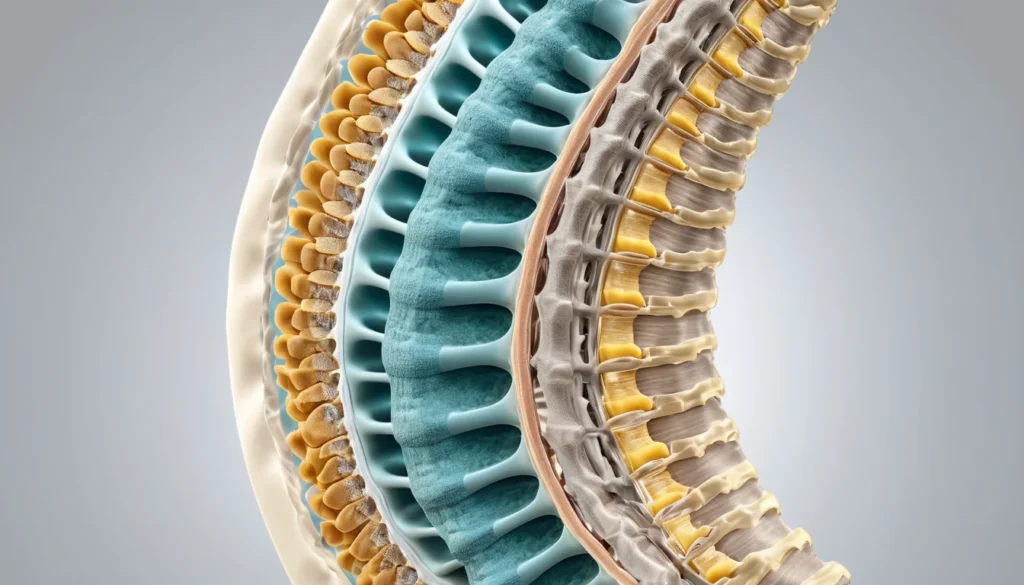
Your spine health affects nearly every movement you make. The spinal column is one of the most important structures in your body. It protects your spinal cord, supports your head and trunk, and allows you to bend, twist, and stand upright. Understanding how your spine works can help you spot problems early and take better care of your back.
What Is the Spinal Column?
The spinal column is a bony structure made up of 33 stacked vertebrae. It runs from the base of your skull all the way down to your pelvis. Together, these bones surround and protect your spinal cord — the vital pathway that carries nerve signals between your brain and the rest of your body.
The spine also supports your head and upper body. Without it, you could not stand, walk, or even sit upright. It is truly the backbone of your entire physical structure.
Structure and Function of the Spine
The 33 vertebrae in your spinal column are divided into five regions. Each region has a specific role in movement and support. Here is how they break down:
Cervical vertebrae (7): These form your neck and support your head.
Thoracic vertebrae (12): These run along your mid-back and connect to your ribs.
Lumbar vertebrae (5): These make up your lower back and carry most of your body weight.
Sacrum (5 fused vertebrae): This triangular bone connects your spine to your pelvis.
Coccyx (4 fused vertebrae): This is your tailbone, at the very base of the spine.
For more detail on spinal anatomy, visit Mayo Clinic’s guide to back pain and spinal anatomy.
Intervertebral Discs: The Spine’s Shock Absorbers
Between each pair of vertebrae sits an intervertebral disc. These discs act like cushions or shock absorbers. Each disc has a tough, fibrous outer ring and a soft, gel-like centre called the nucleus pulposus.
These discs give your spine flexibility. They allow you to bend forward, lean back, and rotate your torso. However, they can wear down or become damaged over time, which often leads to back pain.
The Spinal Canal and Nerve Roots
Each vertebra has a hollow opening at its centre. When all the vertebrae stack up, these openings line up to form a long tunnel called the spinal canal. Your spinal cord runs through this canal, protected on all sides by bone.
From the spinal cord, nerve roots branch outward through small gaps between the vertebrae. These peripheral nerves carry signals to your arms, legs, organs, and skin. When the spinal canal or these gaps become narrowed or compressed, pain and numbness can follow.
Common Spine Health Conditions
Many Canadians deal with spine-related problems at some point in their lives. In fact, back pain is one of the leading reasons people visit their family doctor or a walk-in clinic. Spine conditions can range from minor strains to serious structural problems.
According to Health Canada, musculoskeletal conditions — including spinal disorders — are among the most common health concerns affecting Canadians of all ages.
Congenital Spine Conditions
Some spine problems are present from birth. The most well-known congenital condition is spina bifida. This occurs when the spinal canal does not close properly during fetal development. It can range from mild to severe, and it affects the nervous system to varying degrees.
Spina bifida is screened for during pregnancy in Canada. Provincial health plans typically cover prenatal ultrasounds and blood tests that can detect this condition early.
Abnormal Spinal Curvatures
A healthy spine has natural curves that help distribute your body weight. However, some people develop abnormal curvatures. These conditions can cause pain, limited movement, and postural changes.
The three main types of abnormal spinal curvature are:
Lordosis: An exaggerated inward curve of the neck or lower back. It gives the appearance of a swayback posture.
Kyphosis: An exaggerated outward curve of the upper back. It is sometimes called a “hunchback” posture.
Scoliosis: A sideways curve of the spine. It often develops during adolescence and is more common in girls.
Mild cases may only need monitoring and physiotherapy. More severe cases might require bracing or surgery. Your family doctor can refer you to a specialist if needed.
Spinal Infections
Infections of the spine are less common but can be serious. Osteomyelitis is an infection of the bone and bone marrow. It can affect the vertebrae and, if untreated, may spread to surrounding tissue.
Another condition is spondylodiscitis — a simultaneous inflammation of an intervertebral disc and the vertebrae surrounding it. It is often caused by a bacterial infection. Symptoms include severe back pain, fever, and stiffness. This condition requires prompt medical attention.
Spinal infections are treated with antibiotics and, in some cases, surgery. Early diagnosis is essential to prevent lasting damage.
Injuries That Affect Spine Health
Spine injuries can happen suddenly or develop gradually over time. They are often caused by overexertion, improper lifting, sports injuries, or accidents. Even everyday habits — like sitting at a desk for long hours — can strain the spine.
Common mechanical injuries include:
Muscle tears: Sudden or excessive movement can tear the muscles supporting the spine.
Ligament sprains: Ligaments hold the vertebrae together. A sprain occurs when these are overstretched or torn.
Joint dislocation: A vertebral joint can shift out of its normal position, often due to trauma.
Herniated disc: The soft inner material of a disc pushes through its outer ring. This is sometimes called a slipped or ruptured disc. It can press on nearby nerves and cause sharp pain, numbness, or weakness in the arms or legs.
Herniated discs are especially common in the lower back and neck. Many Canadians manage this condition with physiotherapy, anti-inflammatory medication, and modified activity. However, severe cases may require specialist care or surgery.
Degenerative Spine Conditions and Aging
As we age, our spinal structures naturally wear down. This is a normal part of getting older, but it can lead to significant discomfort and loss of function. Maintaining good spine health throughout your life can slow this process.
Osteoarthritis of the Spine
Spinal osteoarthritis occurs when the cartilage between the vertebral joints breaks down over time. This leads to bone rubbing against bone, causing pain, stiffness, and reduced range of motion. It is most common in people over 60.
Osteoarthritis of the spine affects many older Canadians. It is a leading cause of chronic back pain in this age group. Treatment focuses on managing symptoms through exercise, physiotherapy, and medication.
Osteoporosis and the Spine
Osteoporosis is a condition in which bones become thin and brittle. The vertebrae are especially vulnerable. When the spine is affected, even minor stress can cause compression fractures — small breaks in the vertebrae that cause the spine to collapse slightly.
Older adults and post-menopausal women face the highest risk of osteoporosis. In Canada, your provincial health plan may cover a bone density scan (DEXA scan) if you are at risk. Calcium, vitamin D, regular weight-bearing exercise, and certain medications can all help protect your bones.
For more information, read Healthline’s overview of osteoporosis and bone health.
Tips for Protecting Your Spine Health
The good news is that many spine problems are preventable. Small daily habits can make a big difference in keeping your back strong and healthy throughout your life.
Maintain good posture: Sit up straight and keep your shoulders back, especially when working at a computer.
Lift correctly: Bend your knees and keep the load close to your body. Never twist while lifting.
Stay active: Regular low-impact exercise — like walking, swimming, or yoga — strengthens the muscles that support your spine.
Stretch regularly: Gentle stretching keeps your spine flexible and reduces tension in the surrounding muscles.
Maintain a healthy weight: Extra body weight puts added pressure on the lumbar spine and intervertebral discs.
Choose a supportive mattress and pillow: Your sleep position and bedding can affect spinal alignment overnight.
Quit smoking: Smoking reduces blood flow to spinal discs and speeds up degeneration.
These simple steps support long-term spine health and can reduce your risk of developing chronic back pain as you age.
When to See a Doctor About Your Spine
Most back pain gets better on its own within a few weeks. However, some symptoms need prompt attention. Do not ignore your spine health if you are experiencing any of the following warning signs.
See your family doctor or visit a walk-in clinic if you have:
Back or neck pain that lasts more than two to three weeks
Pain that radiates down your arm or leg
Numbness, tingling, or weakness in your limbs
Pain that wakes you up at night
Back pain following a fall or injury
Loss of bladder or bowel control — this is a medical emergency and requires immediate care
Unexplained weight loss alongside back pain
Your family doctor can assess your spine health and refer you to a physiotherapist, orthopaedic specialist, or neurologist if needed. Most provincial health plans in Canada cover specialist referrals made through your primary care provider. If you do not have a family doctor, a walk-in clinic is a good starting point.
Always speak with a qualified healthcare provider before starting any new treatment or exercise programme for your spine. This article provides general information only and is not a substitute for professional medical advice.
Frequently Asked Questions About Spine Health
What are the most common spine health problems in Canada?
The most common spine health problems in Canada include lower back pain, herniated discs, osteoarthritis of the spine, and scoliosis. Back pain is one of the top reasons Canadians visit their family doctor or a walk-in clinic each year. Many of these conditions can be managed with physiotherapy, lifestyle changes, and medication.
What does a herniated disc feel like?
A herniated disc often causes sharp or burning pain in the back or neck that may shoot down one arm or leg. You might also feel numbness, tingling, or muscle weakness in the affected limb. Spine health specialists sometimes call this radiating or radicular pain, and it happens when the disc presses on a nearby nerve root.
How can I improve my spine health at home?
You can improve your spine health at home by staying active, practising good posture, stretching daily, and lifting objects correctly by bending your knees. Maintaining a healthy weight also reduces pressure on the spinal discs. If your pain persists despite these efforts, it is a good idea to speak with your family doctor.
Is scoliosis covered under Canadian provincial health plans?
Yes, diagnosis and treatment of scoliosis are generally covered under provincial health plans in Canada. Your family doctor can refer you to an orthopaedic specialist for assessment, imaging, and a treatment plan. More significant treatments like spinal bracing or surgery are also typically covered when medically necessary.
What is the difference between osteoarthritis and osteoporosis of the spine?
Osteoarthritis of the spine involves the breakdown of cartilage between the vertebral joints, causing pain and stiffness, especially in people over 60. Osteoporosis, on the other hand, is a condition where the bones themselves become thin and brittle, increasing the risk of spinal fractures. Both conditions affect spine health as we age, but they have different causes and treatments.
When is back pain a medical emergency?
Back pain becomes a medical emergency when it is accompanied by loss of bladder or bowel control, severe weakness in both legs, or numbness in the groin or inner thighs. These symptoms may indicate a serious spinal cord problem called cauda equina syndrome, which requires immediate emergency care. Do not wait — go to your nearest emergency department or call 911 right away.
Key Takeaways
Your spinal column is made up of 33 vertebrae that protect your spinal cord and support your entire body. Good spine health depends on posture, regular movement, and healthy lifestyle habits. Common spine conditions include herniated discs, scoliosis, osteoarthritis, and osteoporosis. Spinal infections and congenital conditions like spina bifida require medical attention and specialist care. Most back pain improves with rest and physiotherapy, but persistent or severe symptoms should be assessed by a doctor. Canadian provincial health plans generally cover referrals, imaging, and specialist care for spinal conditions. Always consult your family doctor or a walk-in clinic