Spinal tumours are abnormal growths that develop in or around the spinal cord and its surrounding structures. They can be benign (non-cancerous) or malignant (cancerous), and they affect people of all ages. Understanding the types, symptoms, and treatment options for spinal tumours can help Canadians recognize warning signs early and get the right care through their family doctor or a specialist referral.
What Are Spinal Tumours?
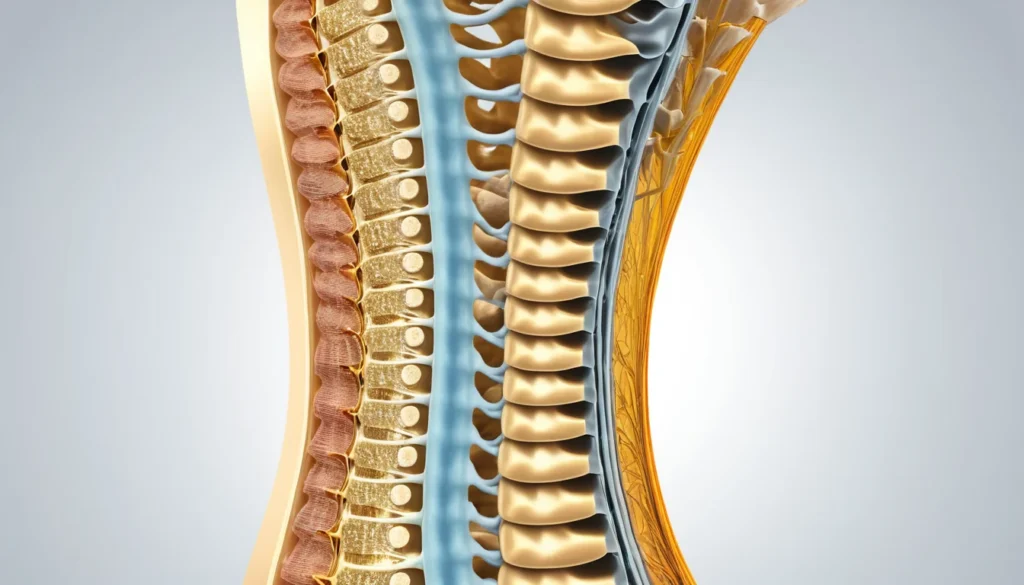
A spinal tumour is a mass of abnormal cells that grows inside the spinal canal, within the spinal cord itself, or in the bones of the spine. These tumours are far less common than brain tumours, but they can still cause serious health problems if left untreated.
Most spinal tumours are actually benign. In fact, roughly 65% of cases involve non-cancerous growths such as meningiomas or neurofibromas. However, even benign spinal tumours can press on nerves and cause significant symptoms.
Types of Spinal Tumours
Doctors classify spinal tumours by their location within the spine. There are two main categories: intramedullary and extramedullary tumours.
Intramedullary tumours grow inside the spinal cord tissue itself. Common types include astrocytomas, ependymomas, and lipomas. These are most often found in the cervical (neck) region of the spine.
Extramedullary tumours grow outside the spinal cord but within the spinal canal. They affect the protective membranes (meninges) or the nerve roots branching off the cord. Common types include schwannomas, meningiomas, and neurofibromas. These tumours are more common in women over the age of 30.
Primary vs. Secondary Spinal Tumours
Primary spinal tumours start directly in or near the spinal cord. They often interfere with the flow of cerebrospinal fluid — the liquid that cushions and protects the brain and spinal cord. Examples include osteoblastomas, osteochondromas, osteosarcomas, and meningiomas.
Secondary spinal tumours, also called metastatic tumours, are far more common. They form when cancer from another part of the body spreads to the spine. The most frequent sources include lung cancer, breast cancer, prostate cancer, kidney cancer, and melanoma.
Spinal bone (vertebral) tumours are most often metastatic. They typically settle in the vertebral bodies — the stacked bony blocks that make up your backbone. For more information on how cancer spreads, visit the Health Canada cancer resources page.
What Causes Spinal Tumours?
The exact cause of most spinal tumours is not fully understood. However, researchers have identified several risk factors that may increase a person’s chances of developing one.
Exposure to cancer-causing substances, a weakened immune system, and certain genetic factors are all thought to play a role. Some inherited conditions significantly raise the risk. For example, people with neurofibromatosis type 2 or von Hippel-Lindau disease have a much higher likelihood of developing spinal tumours.
Symptoms of Spinal Tumours
The symptoms of spinal tumours depend on the size of the growth and which structures it presses on, such as spinal nerves, blood vessels, or vertebrae. Symptoms often develop slowly and can be easy to mistake for other conditions like a herniated disc or arthritis.
Common symptoms include:
Back pain that worsens at night or does not improve with rest
Pain that radiates along a nerve — down an arm or leg, for example
Numbness or tingling in the arms, legs, hands, or feet
Muscle weakness in the limbs
Loss of sensitivity to heat, cold, or pain
Balance and coordination problems
Bladder or bowel incontinence
Erectile dysfunction
Partial paralysis (paresis) in severe cases
Back pain is one of the most common early signs. However, most back pain is not caused by a tumour. Therefore, it is important to pay attention to pain that is persistent, worsening, or combined with neurological symptoms like numbness or weakness.
Why Symptoms Are Often Delayed
Spinal tumour symptoms can be subtle at first. As a result, many people do not seek medical attention right away. In some cases, a tumour is found accidentally during imaging done for an unrelated reason — such as an X-ray or MRI for back pain.
Small tumours that do not cause obvious symptoms still need to be monitored closely. Your doctor may recommend regular MRI or CT scans to watch for any changes in size or behaviour.
How Spinal Tumours Are Diagnosed
Diagnosing a spinal tumour usually begins with a thorough physical and neurological exam by your doctor. If a tumour is suspected, imaging tests are the next step.
MRI (Magnetic Resonance Imaging)
MRI is the preferred imaging method for spinal tumours. It provides detailed, clear images of the spinal cord, the tumour’s location, and how it relates to nearby tissues. A contrast agent called gadolinium is often injected to make certain structures easier to see.
CT (Computed Tomography) Scan
A CT scan can also detect abnormal changes in the spinal cord or spinal canal. Like MRI, it can be done with contrast dye for greater detail. However, MRI remains the gold standard for spinal tumour imaging.
Biopsy
Imaging alone cannot definitively identify a tumour’s type. A biopsy — the removal of a small tissue sample — is the only way to confirm the exact nature of the growth. A pathologist then examines the tissue under a microscope to determine whether it is benign or malignant, and what type of cells are involved.
For a deeper look at how spinal tumours are diagnosed, Mayo Clinic’s spinal cord tumour overview offers helpful, evidence-based information.
Treatment Options for Spinal Tumours
Once a spinal tumour is diagnosed, the goal of treatment is ideally to remove it completely. In practice, however, the treatment plan depends on many factors. These include the patient’s age and overall health, the type and location of the tumour, and how deeply it has grown into surrounding structures.
Active Monitoring (Watchful Waiting)
Not every spinal tumour requires immediate treatment. Small tumours that cause no symptoms may simply be monitored over time with regular MRI or CT scans. This approach is common in older patients or those with significant other health conditions.
Surgery
Surgery is the most common treatment when a tumour can be safely removed. Extramedullary tumours — those outside the spinal cord — can often be fully resected with minimal risk of permanent neurological damage. In many cases, patients experience little to no lasting deficits after surgery.
Intramedullary tumours are more challenging. For example, large ependymomas that have attached themselves to the nerve roots of the lower spinal cord (the filum terminale) are very difficult to remove completely without risking nerve damage.
Radiation Therapy
Post-surgical radiation therapy is often used to improve outcomes, particularly when a tumour cannot be fully removed or when it is malignant. Radiation helps destroy any remaining tumour cells and reduce the risk of regrowth. It is also used as a primary treatment in cases where surgery carries too great a risk.
Other Treatments
Chemotherapy may be recommended for certain types of malignant spinal tumours, especially those that have spread from elsewhere in the body. Corticosteroid medications are sometimes given to reduce swelling and inflammation around the tumour, which can help relieve symptoms temporarily.
For a broader overview of cancer treatment approaches, the World Health Organization’s cancer fact sheet provides useful global context.
When to See a Doctor
If you are experiencing persistent back pain — especially pain that wakes you at night — along with neurological symptoms like numbness, tingling, or weakness in your arms or legs, it is important to see a healthcare provider promptly.
Start by booking an appointment with your family doctor. If you do not have a family doctor, a walk-in clinic can assess your symptoms and arrange further testing or a referral to a specialist, such as a neurologist or neurosurgeon. Most provincial health plans in Canada cover specialist referrals when ordered by a primary care provider.
Do not ignore symptoms that are getting worse over time. Early diagnosis gives you the best chance at effective treatment. As always, speak with a qualified medical professional before drawing any conclusions about your health — this article is for informational purposes only and is not a substitute for professional medical advice.
Frequently Asked Questions About Spinal Tumours
What are the early warning signs of a spinal tumour?
Early signs of a spinal tumour often include persistent back pain that worsens at night, pain that radiates down an arm or leg, and unexplained numbness or tingling. These symptoms can be easy to dismiss as a pulled muscle or disc problem. See your family doctor if symptoms do not improve or keep getting worse.
Are spinal tumours usually cancerous?
No — most spinal tumours are actually benign (non-cancerous). Around 65% of cases involve non-cancerous growths such as meningiomas or neurofibromas. However, even benign spinal tumours can cause serious problems by pressing on the spinal cord or nerves.
Can spinal tumours be cured?
Many spinal tumours, especially benign ones located outside the spinal cord, can be fully removed through surgery with excellent outcomes. Malignant or deeply embedded tumours may require a combination of surgery, radiation, and other therapies. Your specialist will discuss the best treatment plan based on your specific situation.
What cancers commonly spread to the spine?
The most common cancers that spread (metastasize) to the spine include lung cancer, breast cancer, prostate cancer, kidney cancer, and melanoma. These secondary spinal tumours are actually more common than primary tumours that start in the spine itself. If you have been treated for any of these cancers and develop new back pain, tell your oncologist right away.
How are spinal tumours diagnosed in Canada?
In Canada, diagnosing a spinal tumour typically begins with a visit to your family doctor or a walk-in clinic, followed by imaging tests such as an MRI or CT scan. A biopsy is needed to confirm the tumour type. Referrals to neurologists or neurosurgeons are covered by most provincial health plans when ordered by a primary care provider.
Is back pain always a sign of a spinal tumour?
No — the vast majority of back pain is not caused by a spinal tumour. Most back pain results from muscle strain, disc problems, or posture issues. However, back pain that is severe, persistent, worsens at night, or is combined with neurological symptoms like weakness or numbness should be evaluated by a doctor.
Key Takeaways
Spinal tumours grow in or around the spinal cord and can be benign or malignant.
About 65% of spinal tumours are non-cancerous, but all types require medical attention.
Secondary (metastatic) tumours — spreading from lung, breast, or prostate cancer — are more common than primary spinal tumours.
Key symptoms include persistent back pain, numbness, muscle weakness, and bladder or bowel changes.
MRI is the best imaging tool for diagnosing spinal tumours; a biopsy confirms the exact type.
Treatment may include surgery, radiation therapy, chemotherapy, or active monitoring.
If you notice concerning symptoms, see your family doctor or visit a walk-in clinic. Most provincial health plans cover specialist referrals.
This article is for general information only. Always consult a qualified healthcare professional for personal medical advice.