Spinal cord tumours are abnormal growths that develop inside or near the spinal cord or the bones of the spine. They can be benign (non-cancerous) or malignant (cancerous), and both types can cause serious health problems. Back pain is the most common symptom — however, most back pain is caused by stress or aging, not tumours. This guide explains what spinal cord tumours are, what symptoms to watch for, and when to contact your family doctor or visit a walk-in clinic.
What Are Spinal Cord Tumours?
The spine does much more than hold your body upright. It protects your spinal cord — a long bundle of nerve fibres that carries electrical signals between your brain and the rest of your body.
When a tumour grows in or around the spinal cord, it can press on nerves, damage blood vessels, or erode the bones of the spine. Even a benign spinal cord tumour can cause serious problems, including nerve pain, loss of sensation, and in some cases, permanent paralysis.
For this reason, spinal cord tumours — whether benign or malignant — are considered potentially life-threatening. The good news is that many effective treatments are available today through Canada’s healthcare system.
How the Spinal Cord Works
To understand spinal cord tumours, it helps to know a little about the spine itself.
The Vertebrae
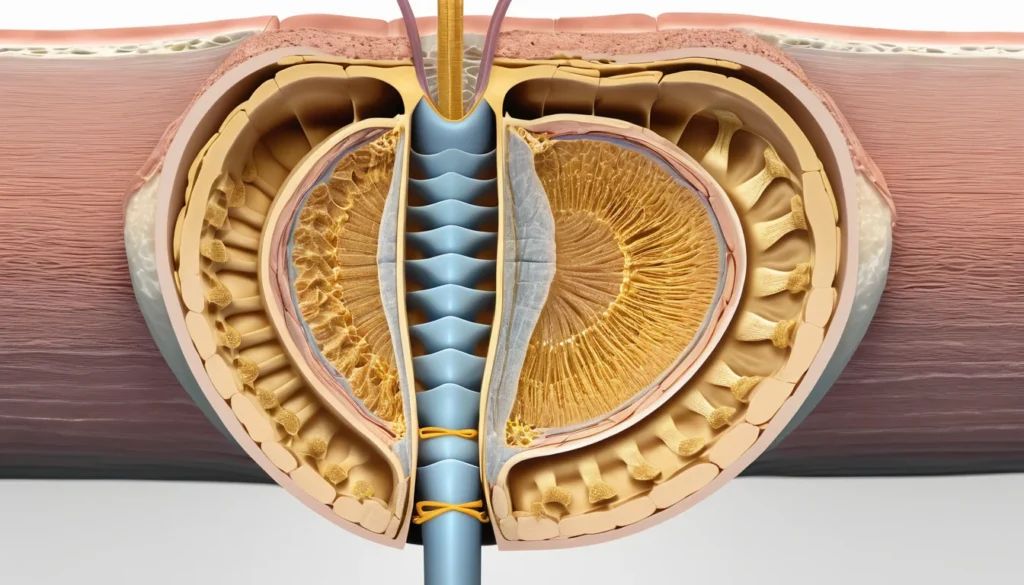
Your spine is made up of 24 small bones called vertebrae, stacked on top of each other. Together, they form a bony canal that protects the spinal cord and nerve roots. The sacrum — five fused vertebrae — sits at the base of the spine. Below it, three fused bones form the coccyx (tailbone).
The Spinal Cord
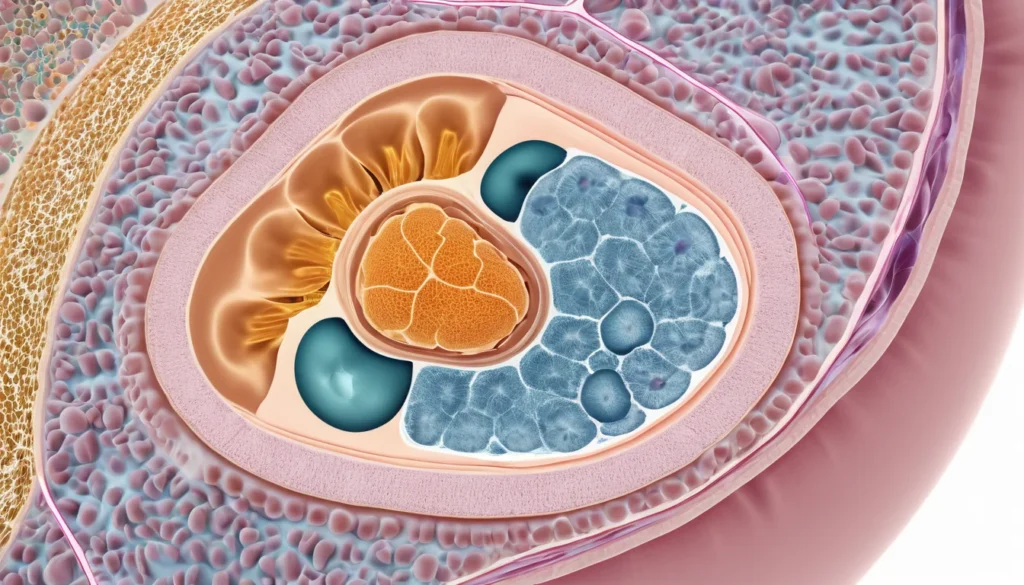
The spinal cord runs through this bony canal. Its inner layer contains nerve cells, blood vessels, and support cells called glial cells. The outer layer contains nerve fibres (axons) that carry sensory and motor signals throughout the body.
Three protective membranes surround the spinal cord: the pia mater, the arachnoid, and the dura mater. These layers are important because some tumours grow within or around them.
Types of Spinal Cord Tumours
Doctors classify spinal cord tumours based on where they form in relation to the spinal cord.
Extradural (Outside the Spinal Canal)
These tumours form in or around the vertebrae. Most of the time, they arrive through metastasis — meaning cancer has spread from another part of the body, such as the prostate, lungs, or kidneys.
In some cases, back pain is the very first sign that a cancer has spread to the spine. Tumours that start in the spinal bones themselves are less common. However, they do occur. Examples include osteosarcoma, which is the most common bone cancer in children, and Ewing sarcoma, an aggressive tumour seen in young adults.
Intradural Tumours (Inside the Spinal Canal)
These tumours grow inside the spinal canal. They may develop within the spinal cord itself or in the membranes that surround it. They are often benign but can still cause significant neurological symptoms due to their location.
Symptoms of Spinal Cord Tumours
Symptoms vary depending on the tumour’s location and type. As the tumour grows, it may compress nerves, affect blood flow, or put pressure on nearby bones.
Common symptoms of spinal cord tumours include:
Back pain that often spreads to other parts of the body
Pain that gets worse at night or upon waking
Loss of sensation or muscle weakness, especially in the legs
Difficulty walking or frequent falls
Decreased sensitivity to pain, heat, or cold
Changes in bladder or bowel function
Back pain — particularly in the mid or lower back — is the most frequent early symptom. This pain may radiate from the spine down to the hips, legs, or arms. Furthermore, it may worsen over time even with standard pain treatment.
Malignant tumours tend to grow more quickly. Benign tumours often grow slowly, sometimes over many years or even decades. As a result, symptoms may appear gradually and be easy to overlook at first.
Causes and Risk Factors
Scientists are still learning what causes spinal cord tumours. In many cases, there is no clear single cause. However, researchers have identified some genetic and environmental factors that may raise the risk.
Inherited Gene Changes
Some spinal cord tumours are linked to inherited conditions. Two of the most well-known are:
Neurofibromatosis type 2: This inherited condition causes benign tumours to grow on the acoustic nerves, leading to progressive hearing loss. Some people with this condition also develop tumours in the arachnoid membrane surrounding the spinal cord.
Von Hippel-Lindau disease: This rare, multi-system disorder is linked to non-cancerous blood vessel tumours (haemangioblastomas) in the brain, retina, and spinal cord. It can also involve tumours of the kidneys or adrenal glands.
Weakened Immune System
Spinal cord lymphomas — cancers of the immune system — are more common in people with weakened immune systems. This includes people living with certain medical conditions or those taking immunosuppressive medications.
You can learn more about cancer risk factors from Health Canada’s cancer resources.
When to See a Doctor
Back pain is rarely caused by a spinal tumour. However, certain types of back pain deserve prompt medical attention. Talk to your family doctor or visit a walk-in clinic if your back pain:
Becomes persistent and does not go away
Has no clear link to physical activity or rest
Gets worse at night
Does not improve with over-the-counter pain relievers
These patterns can sometimes point to a deeper issue, including a possible spinal tumour. Your doctor can order imaging tests such as an MRI to investigate further.
Seek Emergency Care Immediately If You Notice:
Progressive muscle weakness or numbness in your legs or arms
Sudden changes in bladder or bowel control
These are serious warning signs. Do not wait for a scheduled appointment — go to your nearest emergency department or call 911. In Canada, your provincial health plan covers emergency care and most diagnostic imaging ordered by a physician.
For a broader overview of neurological symptoms and when to act, visit the Mayo Clinic’s guide to spinal cord tumour symptoms.
Diagnosis and Treatment Options
If your doctor suspects a spinal cord tumour, they will likely refer you to a specialist. Diagnosis usually involves an MRI scan, CT scan, or biopsy to determine the type and location of the tumour.
Treatment depends on the tumour’s type, size, and location. Common approaches include:
Surgery: To remove all or part of the tumour
Radiation therapy: To shrink or destroy tumour cells
Chemotherapy: More commonly used for malignant tumours or those that have spread
Monitoring: For slow-growing benign tumours, doctors may recommend watchful waiting with regular imaging
In Canada, referrals to neurosurgeons and oncologists are made through your family doctor or specialist. Wait times and available treatments may vary by province. Always speak with your healthcare provider about the options available to you through your provincial health plan.
For additional information on treatment approaches, Healthline’s overview of spinal tumours offers a helpful summary of current medical options.
This article is for general information only. Always consult your family doctor or a qualified healthcare professional for advice specific to your situation.
Frequently Asked Questions
What are the early warning signs of spinal cord tumours?
The most common early sign of spinal cord tumours is persistent back pain, especially pain that worsens at night or does not improve with rest and pain relievers. Other early signs include numbness or weakness in the legs and changes in bladder or bowel habits. If you notice these symptoms, speak with your family doctor as soon as possible.
Are spinal cord tumours always cancerous?
No — spinal cord tumours can be either benign (non-cancerous) or malignant (cancerous). However, even benign spinal cord tumours can cause serious problems because of their location near delicate nerve tissue. Both types require medical evaluation and may need treatment.
Can spinal cord tumours be cured?
The outlook for spinal cord tumours depends on the type, size, and location of the tumour, as well as how early it is diagnosed. Some benign tumours can be fully removed with surgery. Malignant tumours may require a combination of surgery, radiation, and chemotherapy. Your specialist will discuss the best treatment plan for your specific situation.
How are spinal cord tumours diagnosed in Canada?
In Canada, a family doctor will typically order an MRI or CT scan if a spinal cord tumour is suspected. You may then be referred to a neurologist or neurosurgeon for further evaluation, including a possible biopsy. These services are covered under most provincial health plans when ordered by a physician.
Is back pain always a sign of a spinal cord tumour?
No — the vast majority of back pain is caused by muscle strain, aging, or stress, not spinal cord tumours. However, back pain that is persistent, worsens at night, or comes with neurological symptoms like leg weakness should be assessed by a doctor. It is always better to rule out a serious cause than to ignore ongoing symptoms.
What is the difference between a primary and a secondary spinal cord tumour?
A primary spinal cord tumour starts in the spinal cord or surrounding tissues. A secondary tumour — also called a metastatic tumour — occurs when cancer from another part of the body, such as the lungs or prostate, spreads to the spine. Secondary spinal cord tumours are actually more common than primary ones.
Key Takeaways
Spinal cord tumours can be benign or malignant, but both types can cause serious neurological problems.
Back pain — especially pain that worsens at night — is the most common early symptom.
Progressive leg weakness or sudden changes in bladder and bowel control are emergency warning signs.
Some spinal cord tumours are linked to inherited conditions such as neurofibromatosis type 2 or Von Hippel-Lindau disease.
Diagnosis typically involves MRI or CT imaging, followed by specialist referral through your provincial health system.
Treatment options include surgery, radiation, chemotherapy, or watchful monitoring, depending on the tumour type.
Always speak with your family doctor or visit a walk-in clinic if you have persistent or unusual back pain.